News

Gallery 1
Aussie EV owners have been warned in no uncertain terms to be extremely vigilant about their car’s battery charge level if they plan on driving into the bush this summer as the threat of bushfires looms. The alert from the NSW Rural Fire Service comes as a record 504,000 battery-electric cars are using our roads.
With a record El Niño phenomenon tipped to drive extreme temperatures in the coming months, EV drivers have been told to ensure they always have enough charge to reach safety if the area they are in is threatened by a blaze.
5
While the country’s charging network is growing, it still comes nowhere near matching the widespread reach of petrol and diesel bowsers, making planning ahead even more important.
“We know that around the Christmas period, many people are going to start to consider travelling and camping, so ask, ‘What am I going to do if you go into a camp area? Is there enough power in the vehicle to get me somewhere safe or a location where I can power it?” NSWRFS Superintendent Ben Shepherd told the ABC.
“The same goes for those with petrol/diesel cars, thinking about what is needed to move out of an area. It’s just a different kind of understanding about where to charge.”
In April, federal minister for climate change and energy Chris Bowen said the country has approximately 8000 service stations. That compares to approximately 5000 to 6000 EV charging stations, not all of which are available to the public, and their coverage thins out in rural areas compared to petrol and diesel.
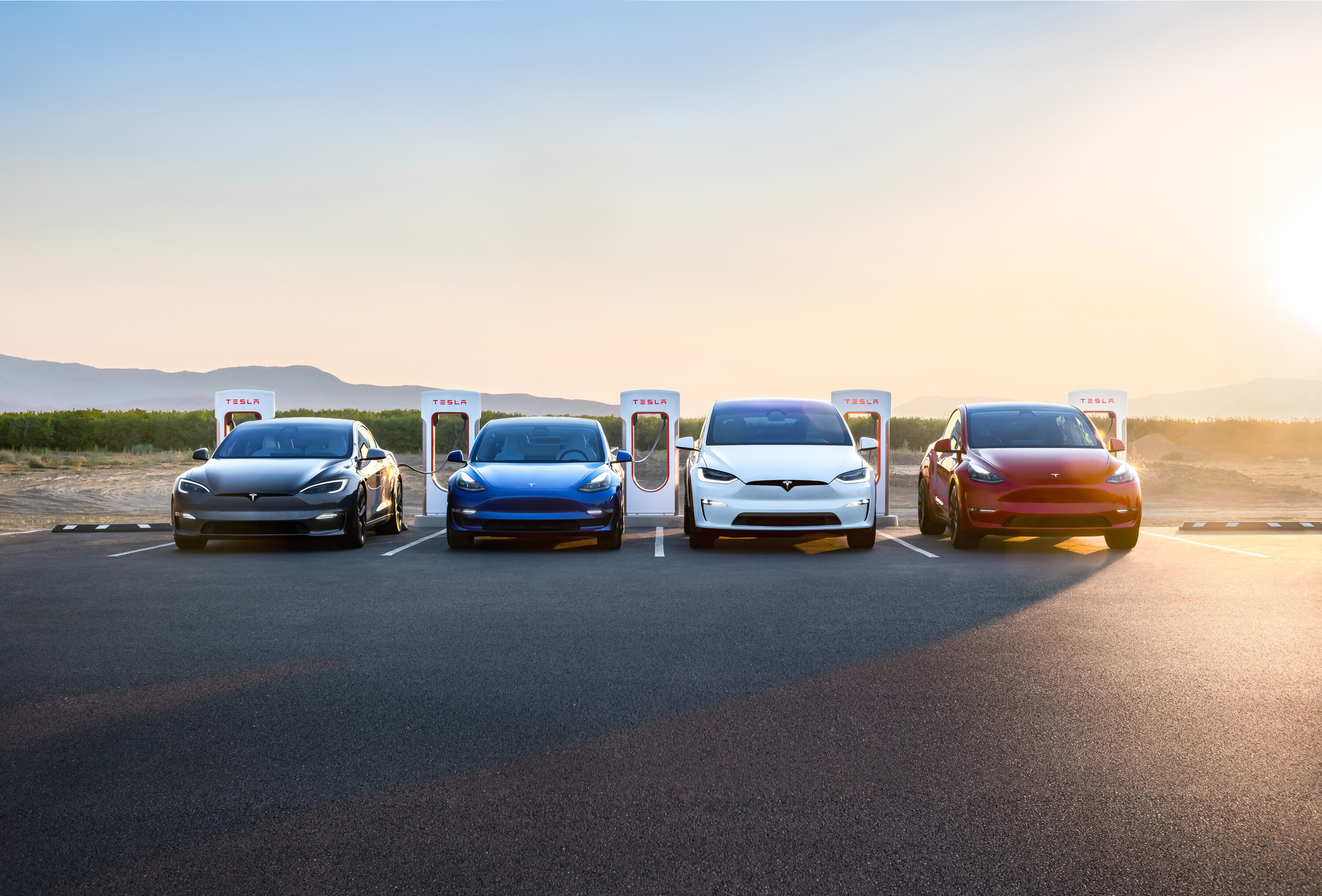
3
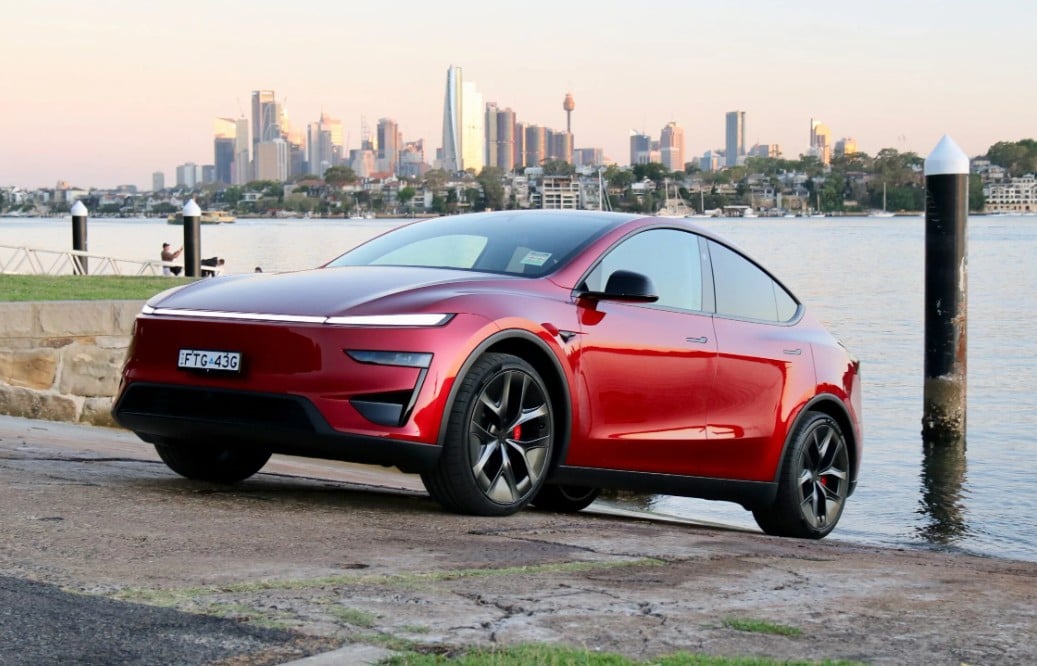
EV owner Nigel Raynard is a case in point for the NSWRFS warning. Last summer he had less than 15 per cent charge when the Western Australian town he was in came under a bushfire evacuation order. He drove his Tesla to another town that had a charger, but it was also under a fire order and police didn’t want to let him enter.
“I tried to explain to the police officer, ‘Sorry to ask, but we have to go into that town’, and he was definitely not happy about that,” Raynard told the ABC. “My car was saying the charger was active, but he [the officer] was telling me that the power was out.”
Raynard was eventually allowed to use a fast charger for 15 minutes, and he has some advice for other EV owners: “Allow a little more battery than you need and have a back-up plan. New owners need to be educated because unlike petrol/diesel, you aren’t going to have a stop in every town.”
Follow WhichCar/Wheels on Google
Click the button below to make WhichCar by Wheels a preferred source for your news.

We recommend
-
 News
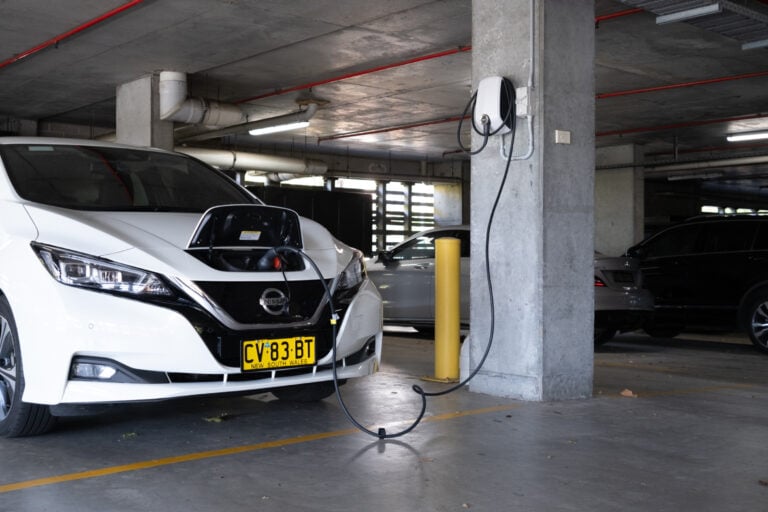
NewsAussie state reveals plan to roll out more EV charging infrastructure
As the conflict in Iran continues, the NSW government has committed to making EV ownership easier than it has been, with expanded charging infrastructure in suburban Sydney and regional black spots.
-
 News
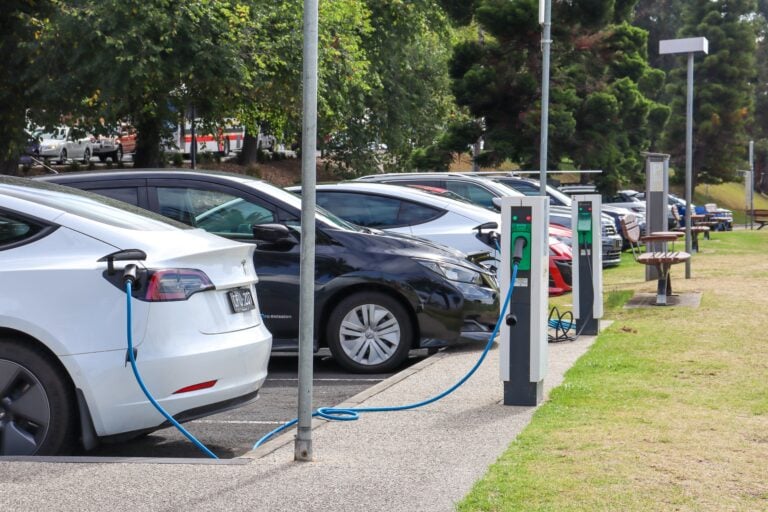
NewsCan Australia’s EV charging network possibly hope to replace the humble petrol station?
With sales of EVs expected to surge thanks to the conflict in the Middle East, is Australia's charging infrastructure ready to meet increased demand?