News

Gallery 1
If the ongoing conflict in the Middle East has taught us anything, it’s just how dependent Australia – and the rest of the world – is on a secure and uninterrupted supply of petrol and diesel products.
But amid growing concerns that prolonged conflict could see our fuel reserves slow to a trickle and eventually dry up, more and more Australians are looking to electric vehicles to fulfill their motoring needs.
According to various data, including from Google, traffic search for used EVs in Australia has increased 278 per cent since the conflict began on February 28 while some reports suggest that searches for ‘affordable electric vehicles’ has increased 5000 per cent.
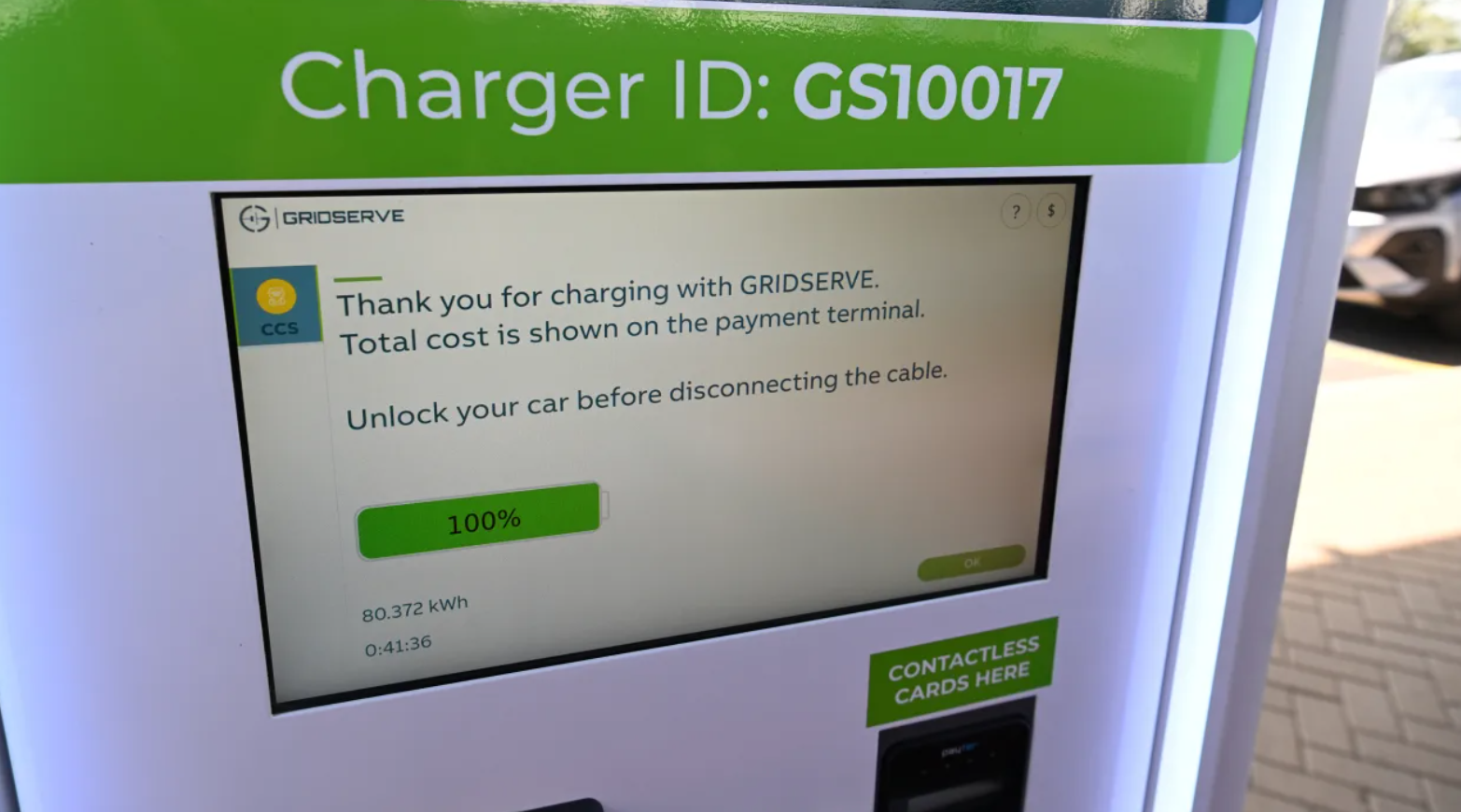
1
While new car sales data for March won’t be released for another two weeks or so, it will be interesting to see how that increased search traffic has translated into motorists’ purchasing decisions.
But the increase in interest in EVs raises more questions, the biggest one surrounding Australia’s EV charging infrastructure and whether it can support the projected surge in sales.
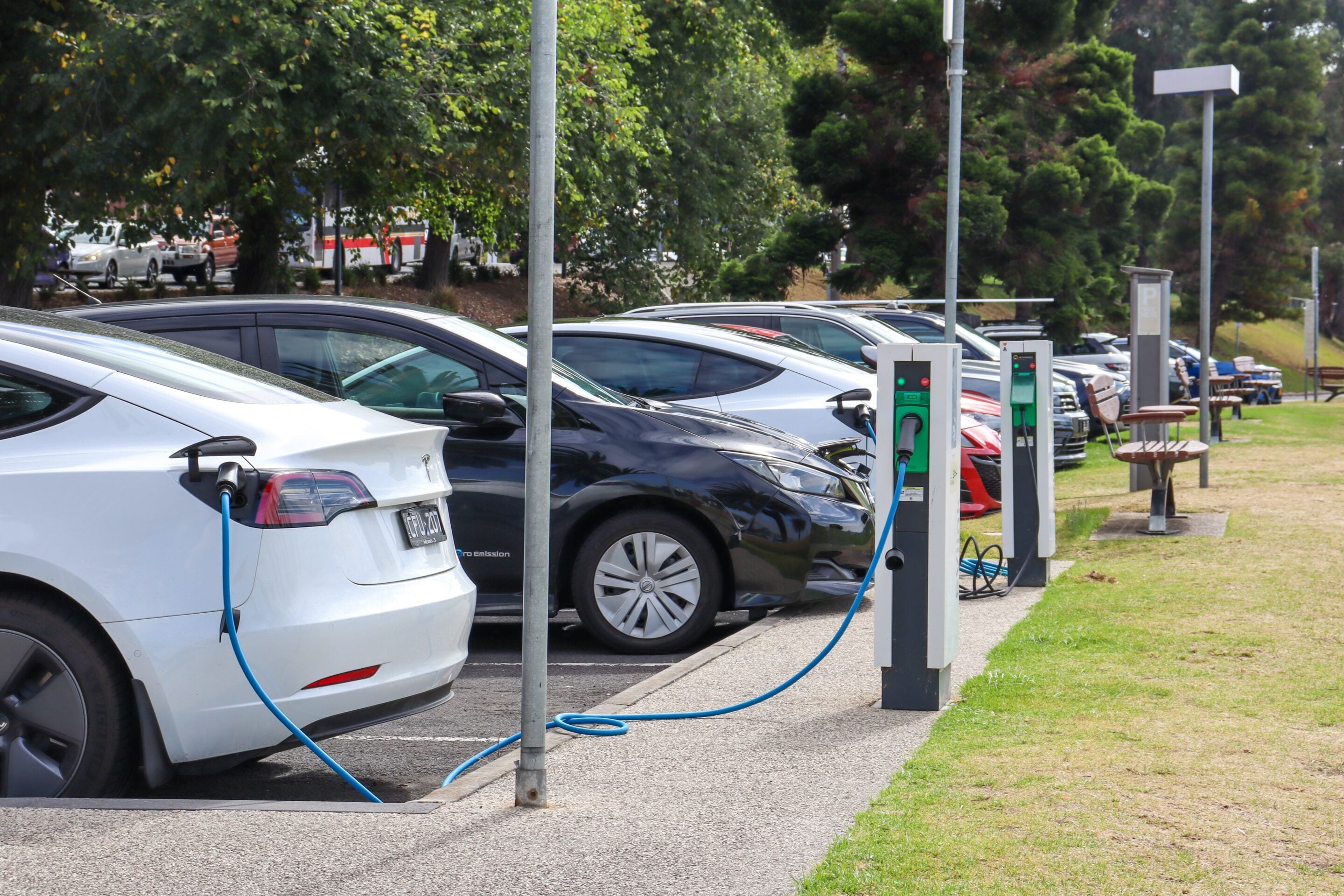
Exact numbers are hard to come by, but the most recent data available suggests there has been strong growth in the availability of public charging sites.
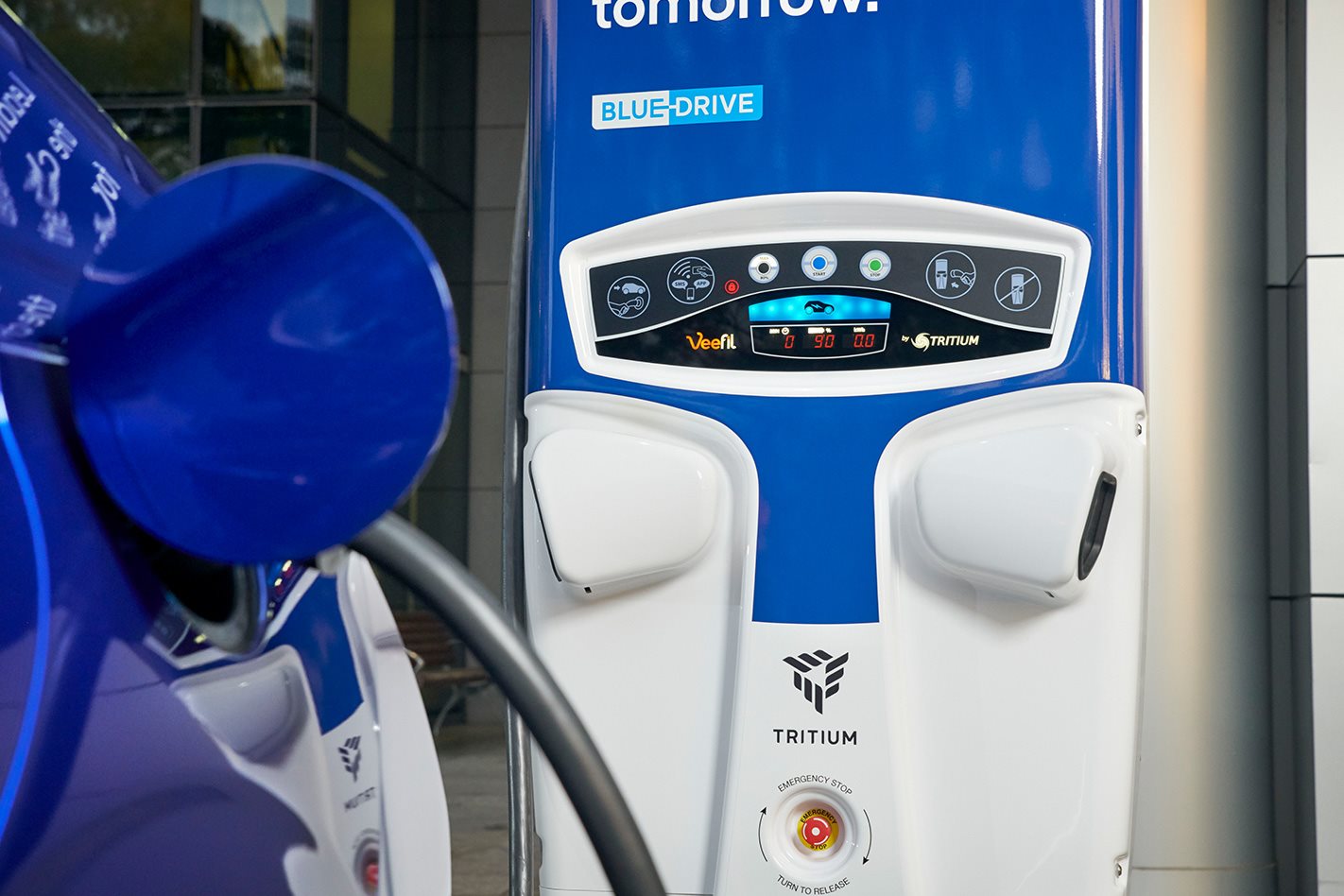
According to industry lobby group, the Electric Vehicle Council (EVC) – which provides the most recent data available – Australia’s charging infrastructure grew by 22 per cent in the first half of 2025. Locations of fast- and ultra-fast charging stations grew to 1272 sites and 4192 plugs nationally. The EVC defines a DC fast-charger as delivering 25-99kW and ultra-fast charging as 100kW+.
1
Additionally, there are thousands of uncounted AC public chargers scattered around the nation, found in places like shopping centres, hotel and motel car parks, and kerbside locations.
With the most recent data now nine months old, it’s reasonable to suggest that more locations and additional plugs have since been installed and made available for drivers of EVs across Australia.
But is that enough to support a segment that, in normal times, represented around eight per cent of the new car market? And what about now, where early indications are that sales of EVs are likely to accelerate to unprecedented levels as Australians look for ways to minimise the cost of living impacts brought on by the Middle East conflict?
While the growth in charging locations is encouraging, the EVC insists more work is needed to ensure Australians have ready access to reliable chargers to keep up with the growth in EV sales.
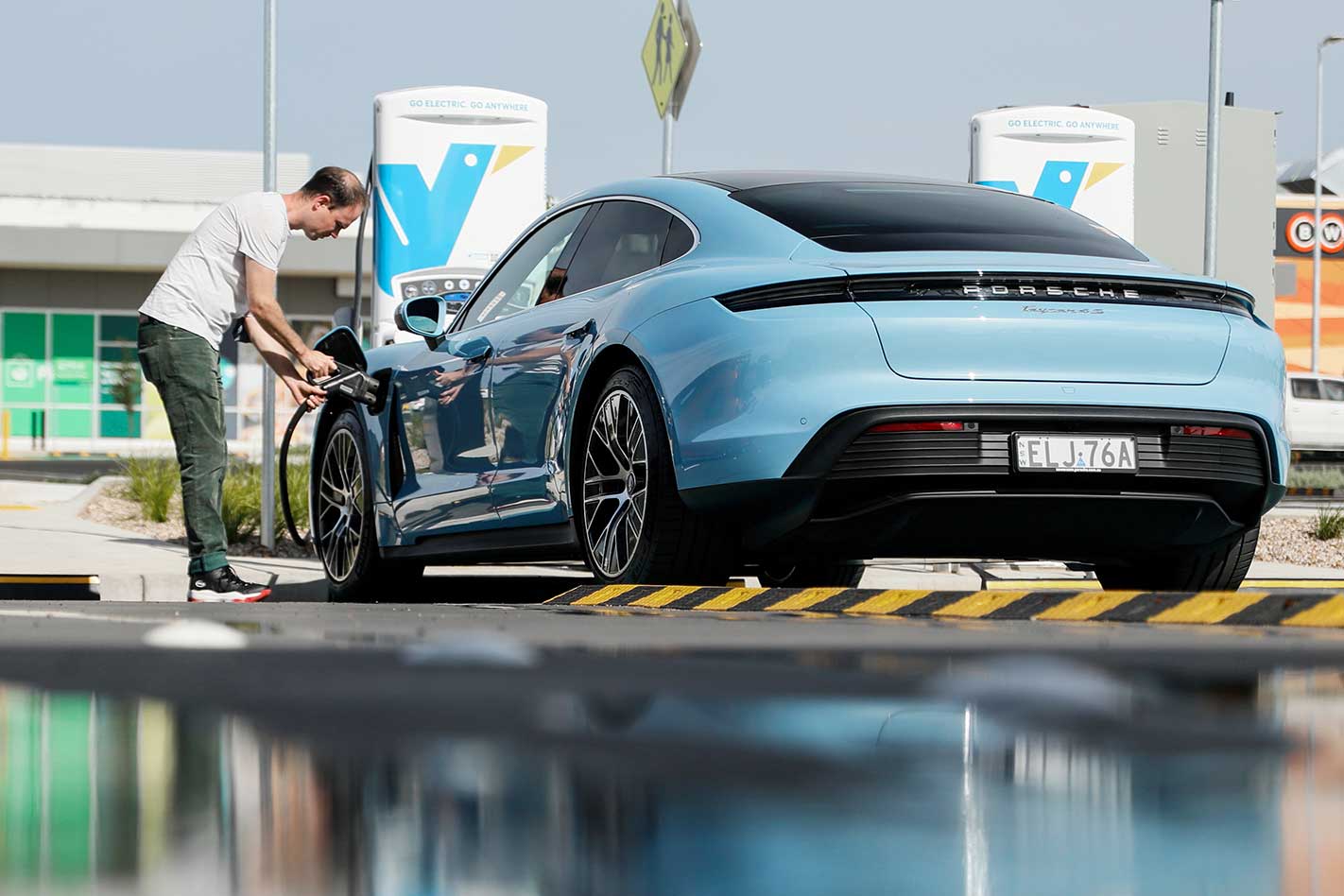
With most of Australia’s current EV infrastructure centred around capital cities, vast tracts of rural and inland Australia have been deemed “charging deserts” due to their lack of suitable charging options.
1
The federal government is doing its part with the Driving the Nation Fund which aims “to deliver a ‘backbone’ national EV charging network. There will be over 100 EV charging stations on key highway routes across Australia at an average interval of 150kms, connecting all capital cities”.
Similarly, various state governments are working in partnership with charging infrastructure providers to fast-track the installation and operation of chargers in their jurisdictions.
But while these measures are commendable, research conducted by Deloitte Australia suggests that it’s not enough. According to its January 2024 report, EV Charging Infrastructure: The Next Frontier, the uptake of electric vehicles will continue to grow reaching 43 per cent market share by 2033. That presents even greater challenges, according to the report: “To meet the projected demand for EV public charging, we will need to build eight new public EV chargers every day from now until 2033, on average.”
Deloitte’s report adds: “The rapid transition of the transport fleet from internal-combustion-engine (ICE) vehicles to EVs will dramatically increase demand for EV charging, with the total energy demand from EVs forecast to reach 3570 GWh per year by 2033.
1
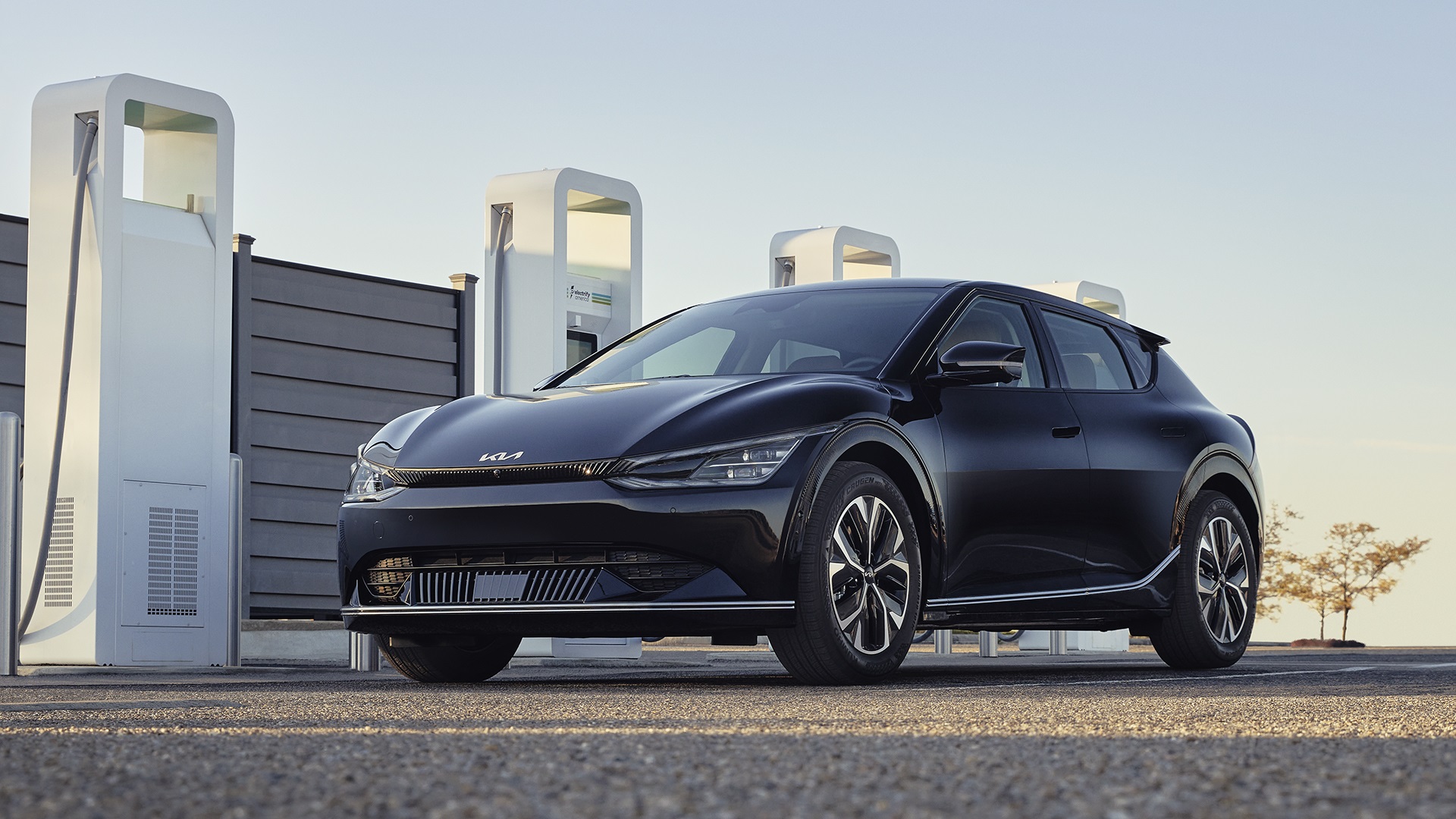
“While the majority of charging in Australia is expected to occur in private homes, a significant proportion of EV users will be heavily reliant on public chargers. To service this demand, 27,500 new public EV chargers will be required by 2033, an eight-fold increase on current public charging capacity.”
Those are sobering numbers, even before the current conflagration in the Middle East is taken into account.
Certainly, the nation’s petrol stations, of which there are currently an estimated 6600-7000 comprising tens of thousands of individual pumps, aren’t in danger of being replaced just yet.
Follow WhichCar/Wheels on Google
Click the button below to make WhichCar by Wheels a preferred source for your news.

We recommend
-
 News
NewsOne in four Aussies admit to stockpiling fuel as fear of shortage continues
A new Money survey finds a surprising group leading those Australians stockpiling fuel as the Middle East conflict continues and fuel prices rise further.
-
 Best Small SUVs
Best Small SUVs 2025: Electric
Ratings and reviews of the Best Small SUVs with an all-electric powertrain on the Australian market... plus our category winner.
-
 News
NewsWhere Australia sources its refined fuel from and why supply is in danger
Australia's reliance on imported fuel has been thrown into stark focus due to the ongoing Middle East conflict. But where exactly does our fuel come from?