
News

Gallery 1
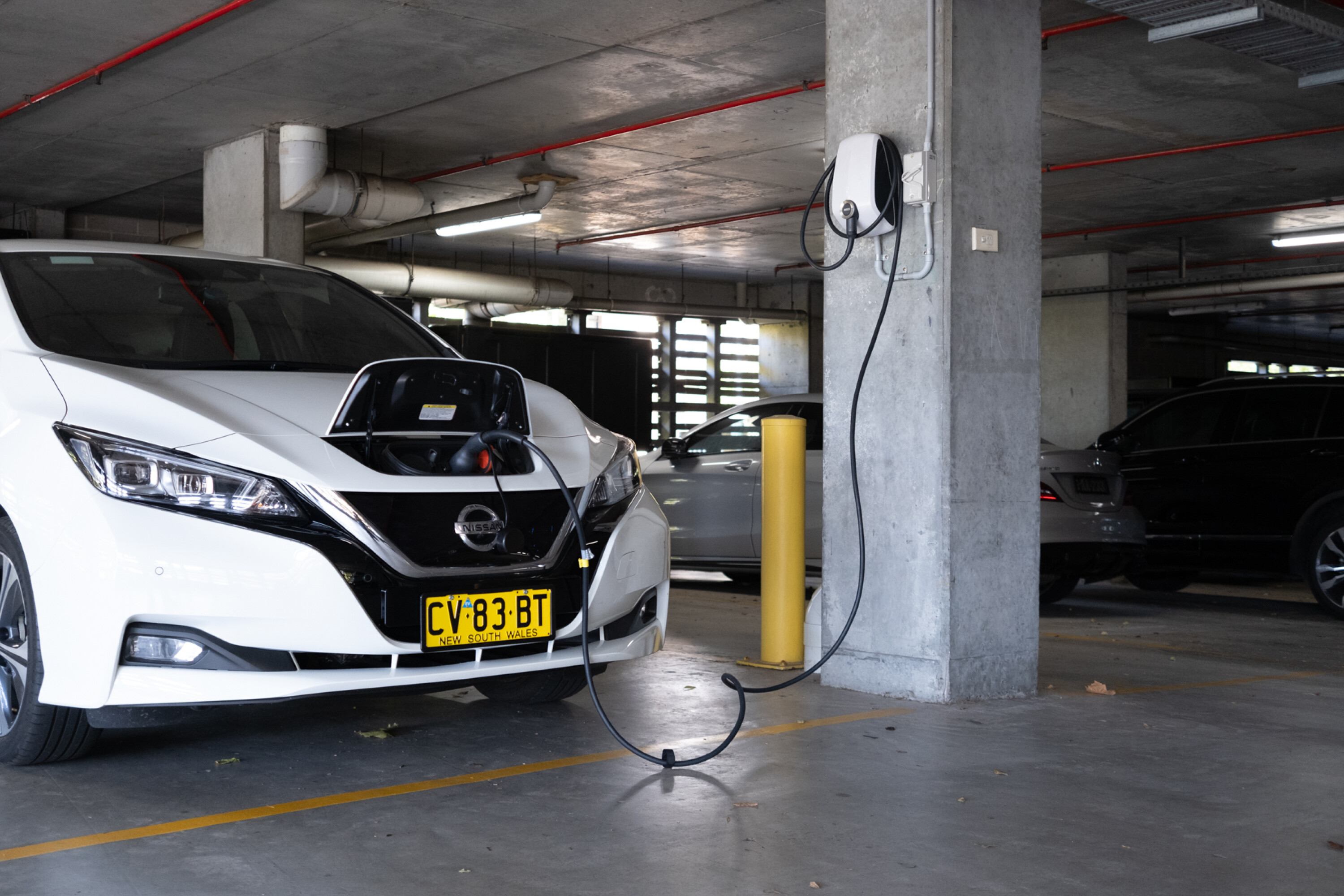
As concerns about Australia’s fuel supply deepen with no end in sight for the latest Middle East conflict, NSW is the latest Australian state to announce plans to help drivers planning a shift to an electric vehicle.
NSW Energy Minister Penny Sharpe will release a revised and updated electric vehicle strategy for the state, designed not just to support urban owners but also fill some of the black spot gaps for
charging in regional areas around the state.
The NSW government has also committed to reducing the state’s transport emissions, by electrifying its heavy vehicle fleets in the pursuit of net zero by 2050.
As previously reported by WhichCar, sales of electric vehicles (up to 14.6 per cent of all new vehicles in March 2026, compared with 7.5 per cent of total sales a year earlier) have climbed sharply since the war in Iran broke out, as has online research from Australians concerned about fuel shortages and ongoing issues with supply. That doesn’t necessarily translate to sales, but the NSW government is preparing to ride the wave.
1
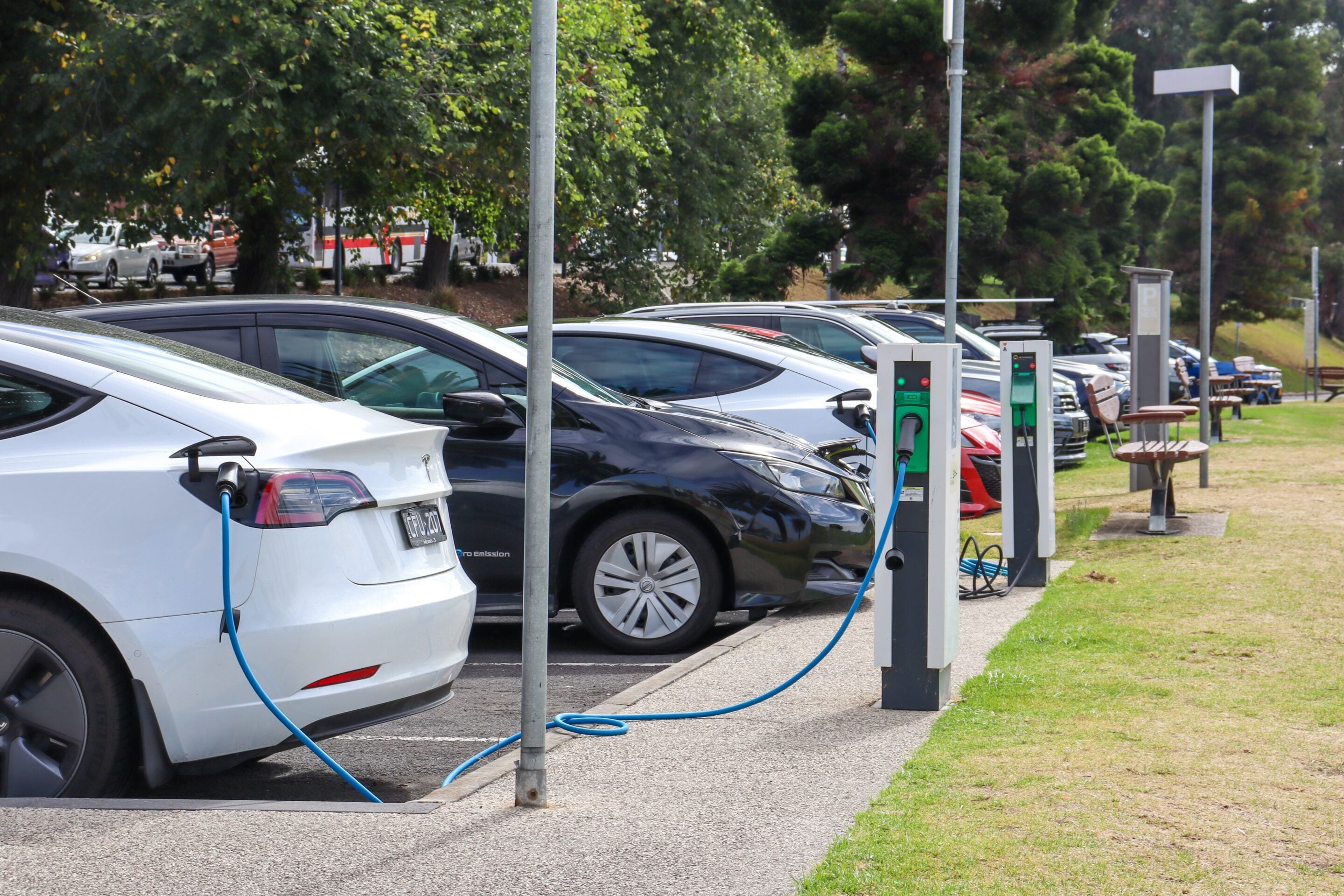
The chief concern among those considering an electric vehicle purchase, though, remains access to charging infrastructure, not just in remote areas, but even in outer urban areas and when heading off on a regular family road trip.
“Owning an electric vehicle helps households and businesses save thousands of dollars on fuel and around 40 per cent on maintenance,” Minister for Climate Change and Energy, Penny Sharpe said. “This Strategy will get more EVs on the road and help drivers travel and charge with confidence. These updates will help build a world-class charging network, support electric trucks and grow the skilled workforce needed to maintain EVs.”
A recent report by the Sydney Morning Herald revealed that dozens of Sydney suburbs remain with little to no public charging capability, fuelling concerns among potential buyers. “We’re making it simpler to go electric, with more chargers, better access and real savings over time,” Premier Chris Minns said.
The Minns government has pledged $100 million in new funding, which includes $45 million towards a significant expansion of new chargers, fast chargers specifically, in areas that are known to be blackspot for those attempting to travel outside the city and around NSW. These include regional areas and will be accessible via a series of grants.
The ‘2026 NSW Electric Vehicle Strategy’ as it’s called, will focus on five key areas – fast chargers where they are needed most, more kerbside chargers, electric trucks on the road sooner, a skilled EV workforce, especially in the regions, and clear, reliable information.

1
The government has lofty expectations and claims that the funding will see the roll out of up to 1000 chargers over the next few years, with slower, kerbside chargers, also part of the mix, as mentioned above. That style of charger, common in Europe and available in regular parking spaces around the city, charges at similar speeds to a home wall box, and has slowly started to become more common over the last few years in cities around the country.
Still the roll out of charging infrastructure, has not kept pace with the take up of electric vehicles.
The NSW government, has, to date, funded more than 3300 chargers at 1200 sites across metropolitan, regional, and remote NSW. And, it’s remote areas that need the most assistance to ensure that EV owners, who live in the city, can feasibly road trip into the bush, safe in the knowledge they will be able to charge their EV when they get there.
“For regional communities, EV chargers drive economic development, putting more towns on the map, bringing in visitors who might not have stopped before, and supporting local businesses,” Minister for Roads Jenny Aitchison, said.
For the first time, though, the grants will focus on heavy vehicles as well, which the government claims is a major source of transport emissions. Making up just one per cent of truck sales in 2024, heavy vehicles have a long way to go before they reach the kind of critical mass that will make a difference in the real world. Given the state’s second heaviest emitter is transport, the bulk of which comes from road transport, the focus on trucks and transport would be key in achieving the stated goal of net zero by 2050.
Follow WhichCar/Wheels on Google
Click the button below to make WhichCar by Wheels a preferred source for your news.

We recommend
-
 News
NewsCan Australia’s EV charging network possibly hope to replace the humble petrol station?
With sales of EVs expected to surge thanks to the conflict in the Middle East, is Australia's charging infrastructure ready to meet increased demand?
-
 News
NewsAustralia’s EV boom is in full swing – here are the top 10 cars people are buying
As fuel prices continue to surge amid the Middle East conflict, Australian new car buyers are gravitating to EVs in ever-increasing numbers.
