News
Gallery 1
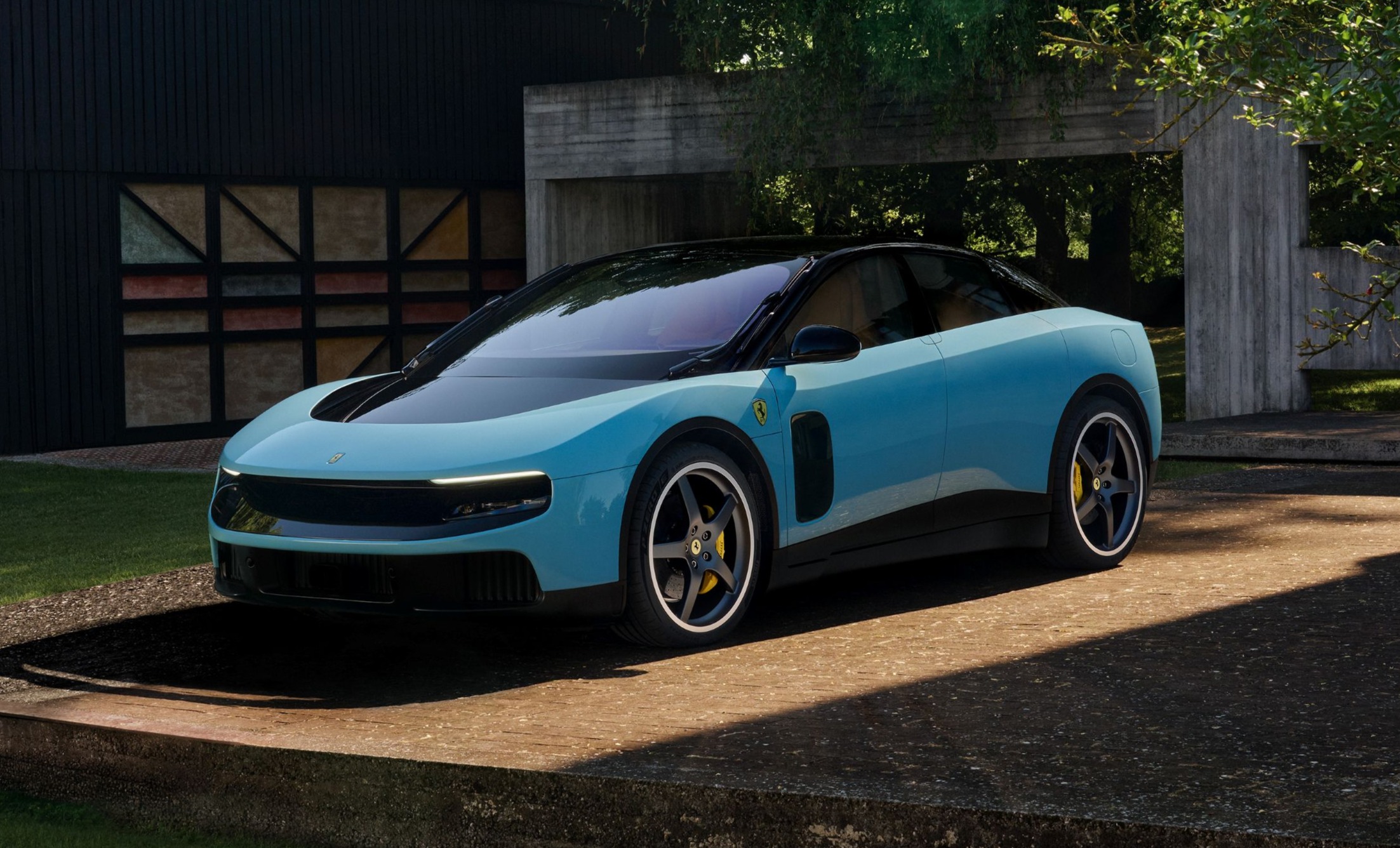
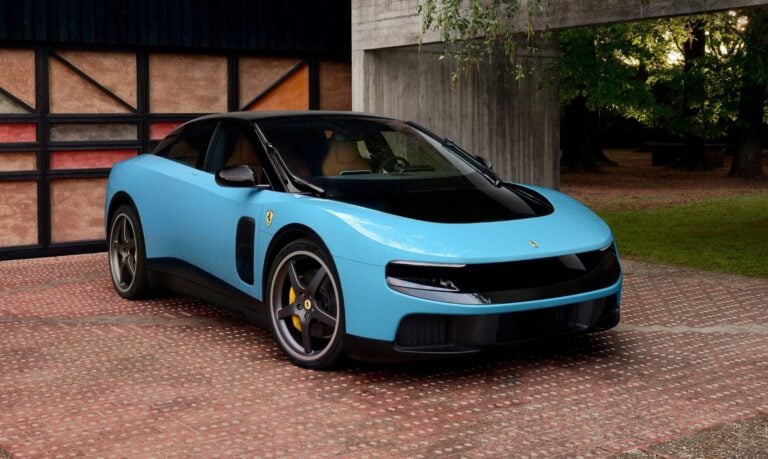
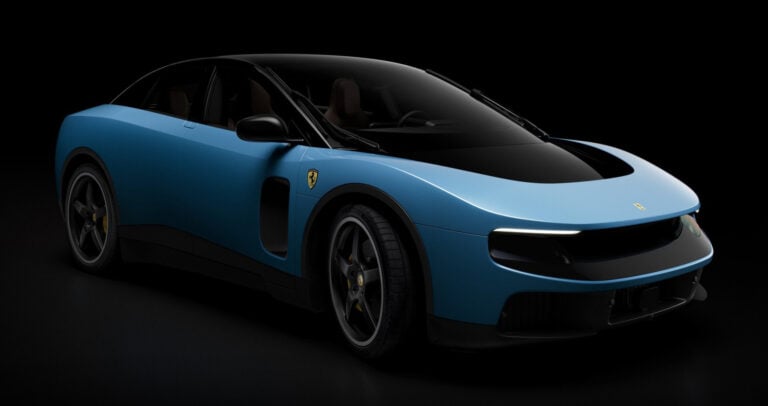
Former Apple design boss Sir Jony Ive has defended the styling of Ferrari’s first all-electric car, the Luce, following widespread criticism of its unconventional appearance.
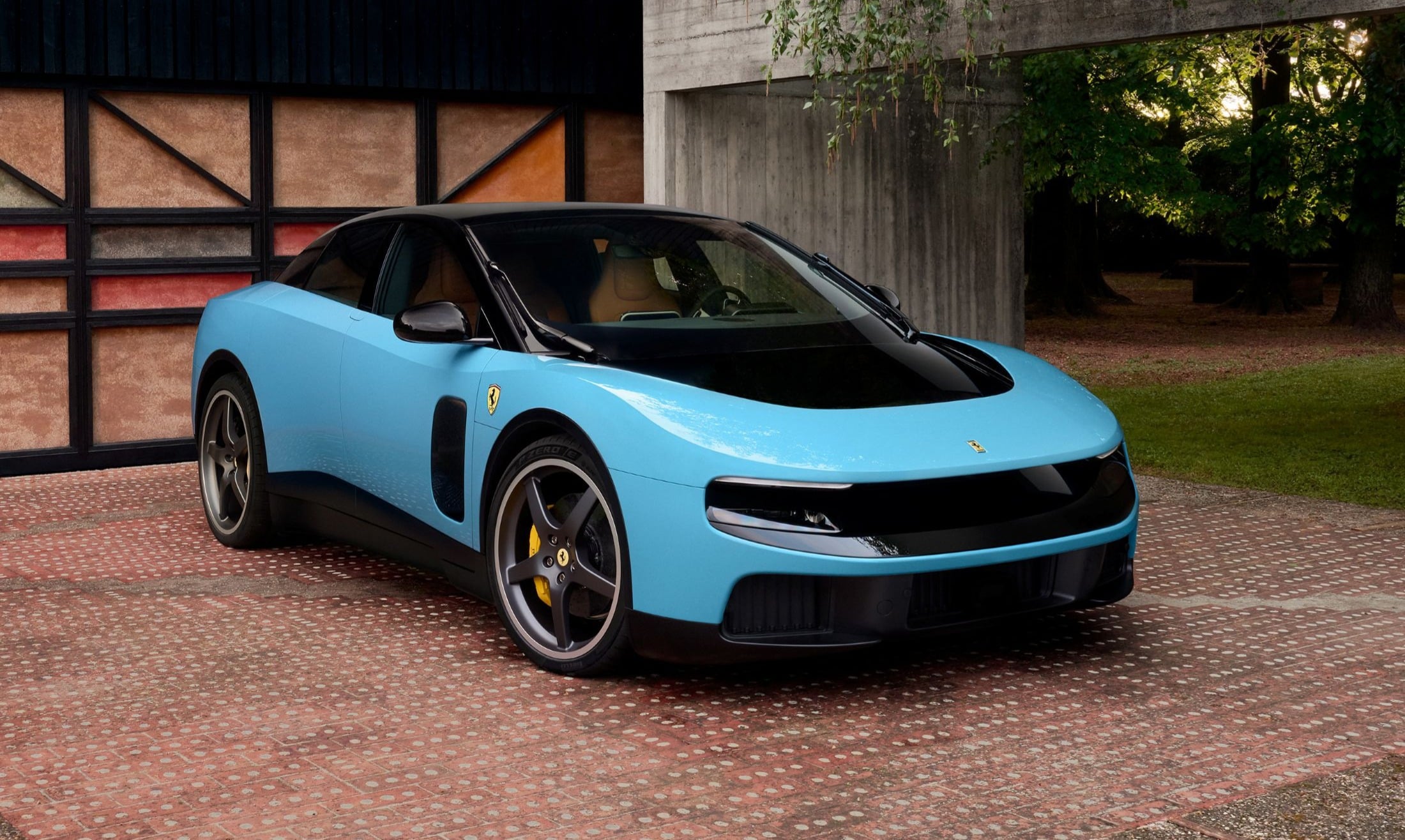
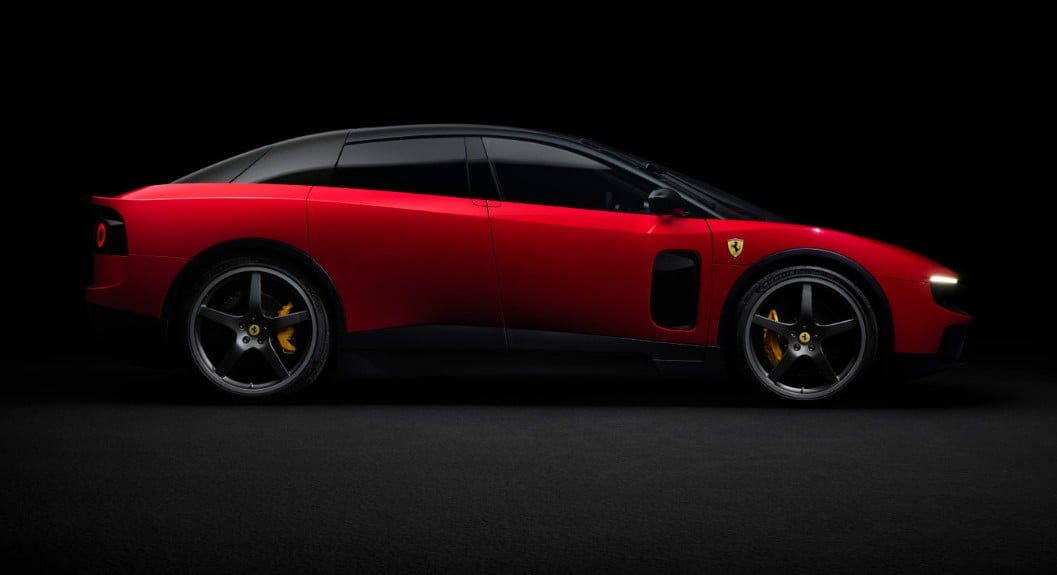
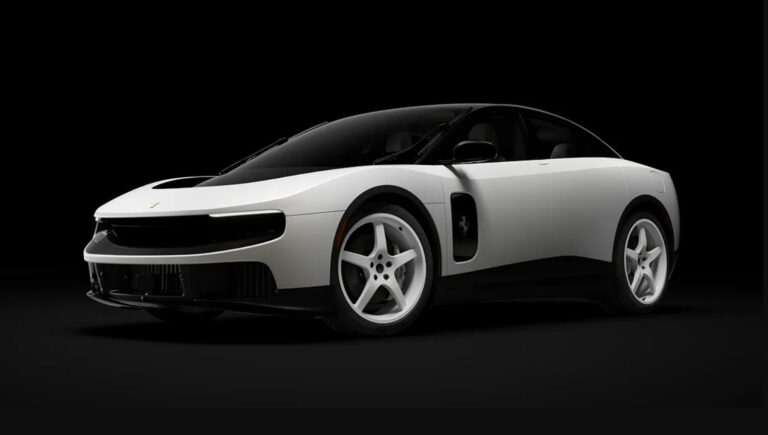
The €550,000 (approximately A$900,000) four-door, five-seat EV was unveiled in May, immediately dividing opinion with its relatively simple surfaces, upright proportions and minimalist interior – a considerable departure from Ferrari’s traditional sports-car designs.
Speaking at the Wave by Vento technology conference in Turin, Ive told Bloomberg that the reaction to the Luce had been markedly different among people who had seen the car in person compared with those judging it from photographs.
2
“You can make something new and different that’s rubbish. That’s very easy,” Ive said.
“It’s very hard to make something that is new and different, and its newness is a consequence of it being better, and that’s what we’ve tried to do.”
The comments represent a rare public response from Ive to the criticism surrounding Ferrari’s first battery-electric production model.
After it’s unveiling, former Ferrari president and chairman, Luca di Montezemolo described the vehicle as risking “the destruction of a legend”.
“I just hope that the little horse comes off.” he said, referencing Ferrari’s prancing horse logo. “This is certainly a machine that the Chinese, at least, won’t copy from us. They won’t need to.”
Ive, who played a central role in designing Apple products including the iPhone, iMac and iPad, worked on the Luce through LoveFrom, the creative collective he established with fellow designer Marc Newson.
The partnership represented a significant departure for Ferrari, whose designs have traditionally been developed by its in-house team in Maranello.
LoveFrom was given considerable freedom by Ferrari to develop the vehicle’s exterior and interior.
After an initial briefing, the designers reportedly spent six months working independently before returning with two books outlining their proposals. Those early concepts were already close to the finished vehicle.
12
The resulting design places considerable emphasis on simplicity, with a large glazed cabin, clean body surfaces and relatively few decorative elements.
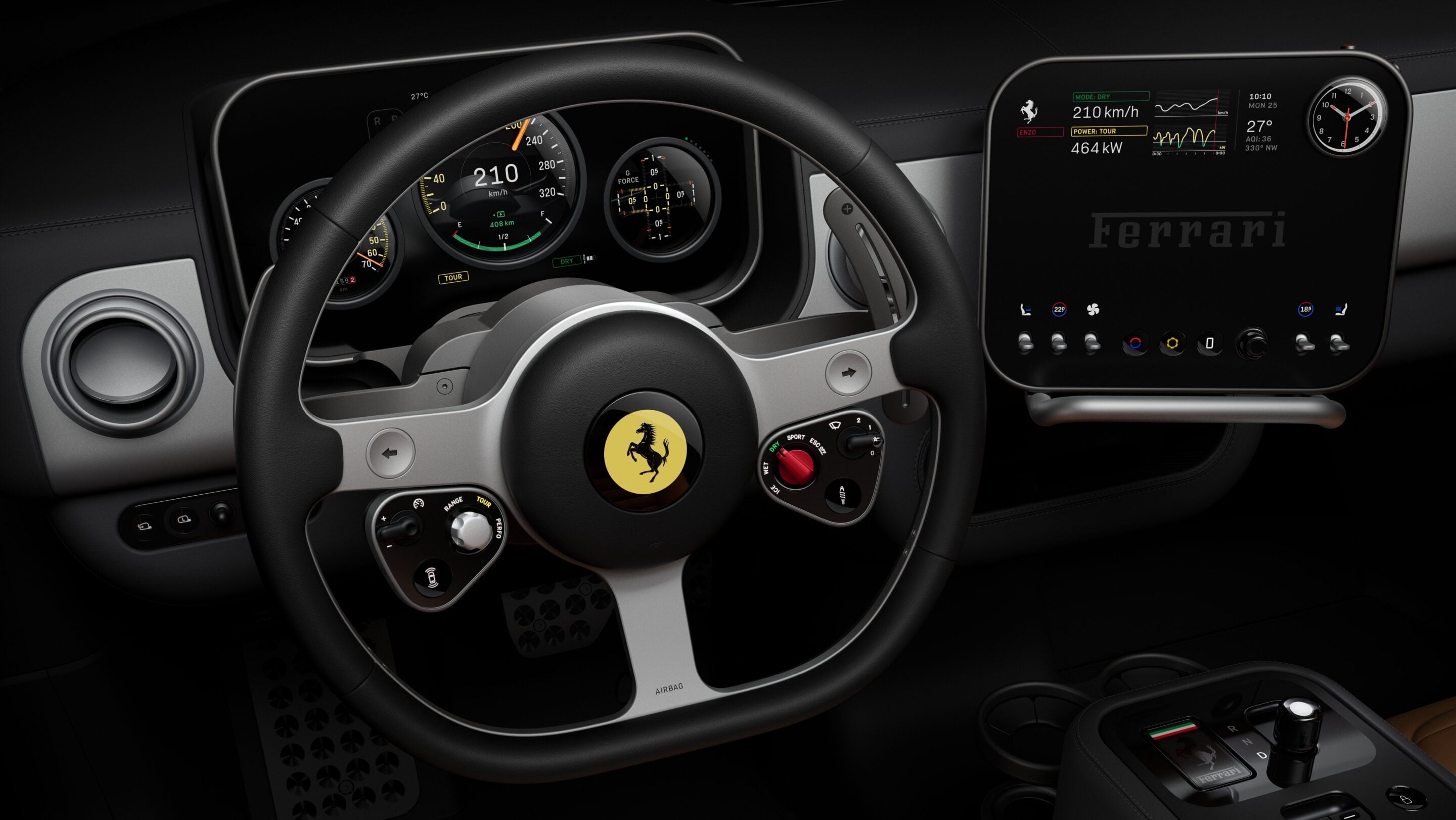
Inside, the influence of Ive’s industrial design background is particularly evident.
Rather than relying entirely on touchscreens, the Luce incorporates physical switches and controls designed to be operated without drivers having to divert their attention from the road.
The dashboard uses machined aluminium, while glass features extensively throughout the cabin, including the gear selector and several controls.
An instrument display attached to the steering column moves with the steering wheel, while the central touchscreen can be angled towards either front occupant.
Ive told Bloomberg that the development team had also explored ways of making the experience of starting an electric Ferrari more engaging, including a special key that changes colour when placed inside the vehicle.
Ferrari chairman John Elkann, who appeared alongside Ive in Turin, revealed that his thinking about an electric Ferrari began around a decade ago following a conversation with Amazon founder Jeff Bezos.
According to Reuters, the discussion helped set in motion the project that eventually became the Luce, which was developed over approximately five years.
The car’s arrival has nevertheless prompted questions about whether its styling and electric drivetrain are compatible with Ferrari’s established identity.
Some commentators have compared its appearance with mainstream electric cars, while others have questioned whether its restrained design delivers the visual drama traditionally associated with the Italian marque.
3
Ive acknowledged that designers ultimately cannot control how customers respond to their work, but maintained that the Luce was intended to introduce something genuinely different rather than simply reinterpret Ferrari’s past.
For Ferrari, the Luce also represents an attempt to attract buyers who might not previously have considered one of its combustion-powered models.
Despite the controversy, the company has reported early customer interest in the electric model.
Ive, meanwhile, stressed that the Luce should not be interpreted as a replacement for Ferrari’s existing identity or its traditional sports cars.
“It’s not the future, but it’s a part of the future of Ferrari,” he said.
Follow WhichCar/Wheels on Google
Click the button below to make WhichCar by Wheels a preferred source for your news.

We recommend
-
 News
NewsFerrari Luce sells for a staggering $56 million at auction after becoming the Prancing Horse's most controversial car
The stupendous price tag for the very special example of the first EV ever made by Ferrari could make it the most expensive new car in the world.
-
 News
NewsAre Ferrari Luce haters missing the point about the brand's first electric car?
If you dislike the styling of Ferrari’s first electric car, that's a side effect of a strategic decision Ferrari made to go after customers the company had not courted before.
-
 News
NewsFerrari Luce reaction: Share price tumbles as first EV revealed, former CEO labels it ‘destruction of a legend’
Ferrari’s legacy for producing high-powered sports cars came into question yesterday, with the brand’s first-ever electric vehicle sending stock prices into retreat and its former chairman criticising the new vehicle.