News
Gallery 1
Ferrari’s production logic has always been to build fewer cars than there is demand for. Scarcity drives demand. Demand ensures cars don’t need to be discounted or run out at a loss.
But Ferrari’s 2025 sales results did something atypical: they went backwards. A small shift, less than 1 per cent, but a decrease nonetheless. Regionally, the shift in China – viewed as a key market by almost every carmaker – was bigger, with Ferrari sales slipping since 2022 owing to unique conditions there.
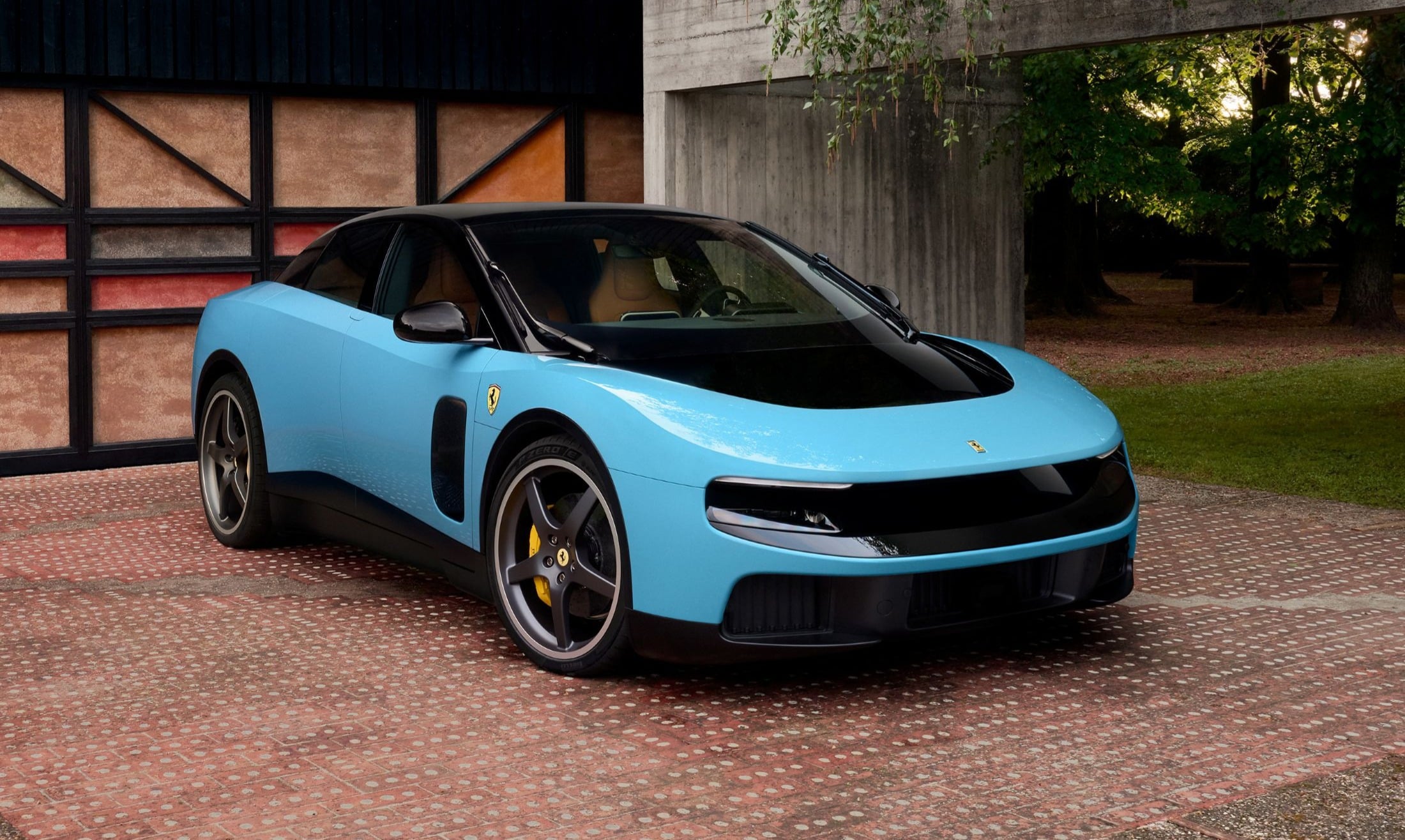
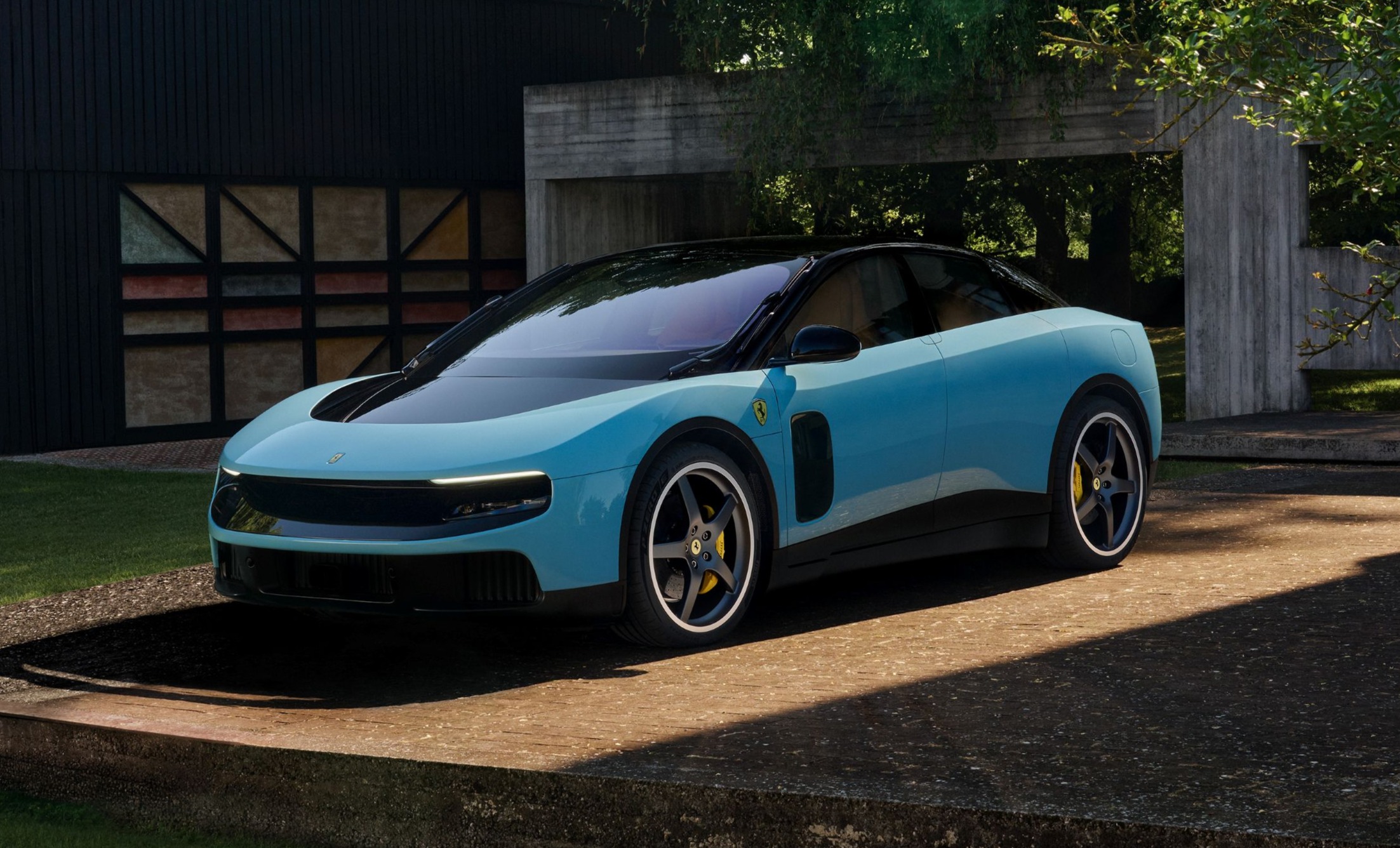
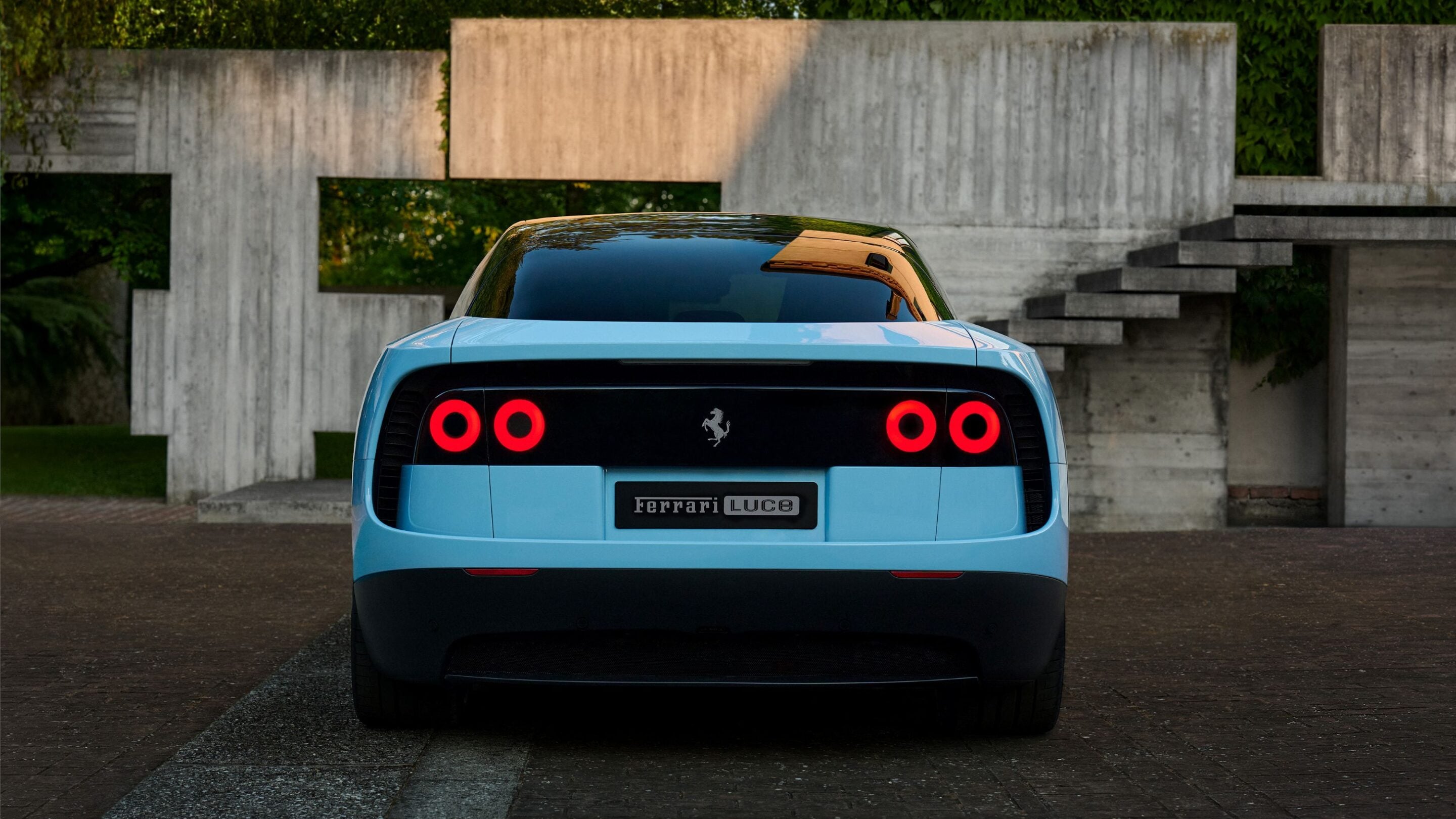
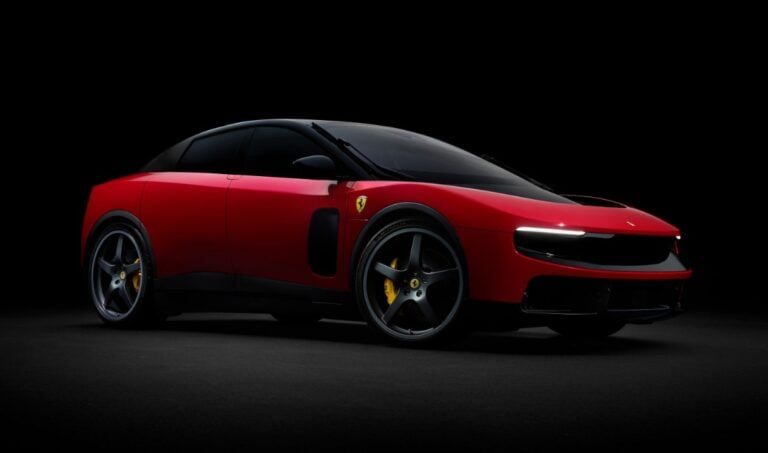
The Luce exists to reverse that trend. It’s a bold gamble, particularly when China makes up less than 10 per cent of Ferrari’s global sales, and one model risks alienating the other 90 per cent.
1
The Luce solves a number of problems for Ferrari. On one hand, import levies, luxury taxes, and consumption penalties can more than double the price of a new Ferrari in China. For the ultra-rich, that may not be a problem, but registering a combustion car can see owners face delays of up to two years.
Money can’t fix that problem, but EVs skip the queue on registration delays, and are exempt from a 40 per cent consumption tax. The Luce’s goal is not to be affordable, but to be accessible in a market where visible wealth is valued more highly than quiet luxury.
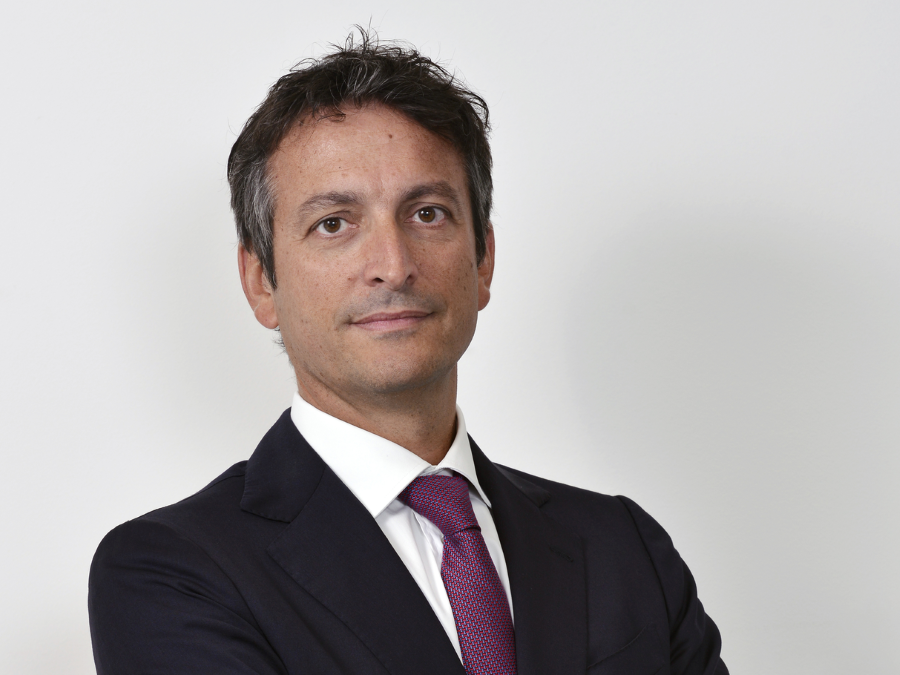
But, none of that addresses why the Luce looks the way it does, although at the Ferrari EV’s reveal, Ferrari’s chief marketing and commercial officer, Enrico Galliera (below), is quoted as saying, “The key driver the carmaker is targeting is someone who already owns an electric car.”
1
Not supercar drivers, not existing Ferrari faithful. Ferrari’s pitch is aimed at wealthy electric vehicle owners already familiar with the technology. The highest concentration of which lives in China.
Without decades of conditioned understanding about Ferrari’s history, the brand has had to push harder for acceptance and has tailored cars like the FF, and the successive Purosangue to look like global models, but with an eye on buyers that want something more practical and comfortable in an emerging market with no real supercar history.
The buying history for billionaire EV owners looks different because the cars available to them so far have looked less like a Ferrari and more like, well, a Luce.
As far back as 2012, Ferrari broker, Ferrari’s Online declared, “The reality is that very few Enzo-Era Ferraris have gone to China, and it will be a long wait before they go in volume – if ever,” referencing a lack of demand for highly collectible models fancied in other parts of the world, produced before the death of company founder, Enzo Ferrari, in 1988.
2
Ferrari’s strategy may seem at odds with the likes of Porsche and Lamborghini, which have cancelled EV plans in favour of reviving high-performance combustion programs. At a time when the USA is softening emissions regulations, the need for an electric Ferrari is surely reduced.
Often, Western media coverage tends to ignore how different the Chinese market can be.
Ferrari has not approached the Luce without taking some risks. Where the overwhelming majority of new cars in China focus on screen real estate, Ferrari has opted for an interior with a degree of tactile controls.
The reveal of the Luce sent shockwaves through social media and rocked the company’s share price, but if the buyer profile Ferrari is chasing exists, the Luce may not be the blemish in the brand’s history that an audience never intended for the car, say it is.
Follow WhichCar/Wheels on Google
Click the button below to make WhichCar by Wheels a preferred source for your news.

We recommend
-
 News
NewsFerrari reveals first-ever electric car with 1035hp Luce grand tourer
Four-door EV introduces new design language, four-motor drivetrain and tactile cabin as Ferrari enters the electric era.
-
 News
NewsFerrari makes its Purosangue SUV even sportier as Handling Speciale model revealed
Sharper dynamics and enhanced V12 experience are introduced for Ferrari’s four-door.
-
 News
NewsFerrari unveils exclusive HC25 one-off roadster for serious collectors
Special Projects division creates bespoke V8-powered supercar inspired by the F80 hypercar and classic coachbuilt Ferraris.