
News

Gallery 1
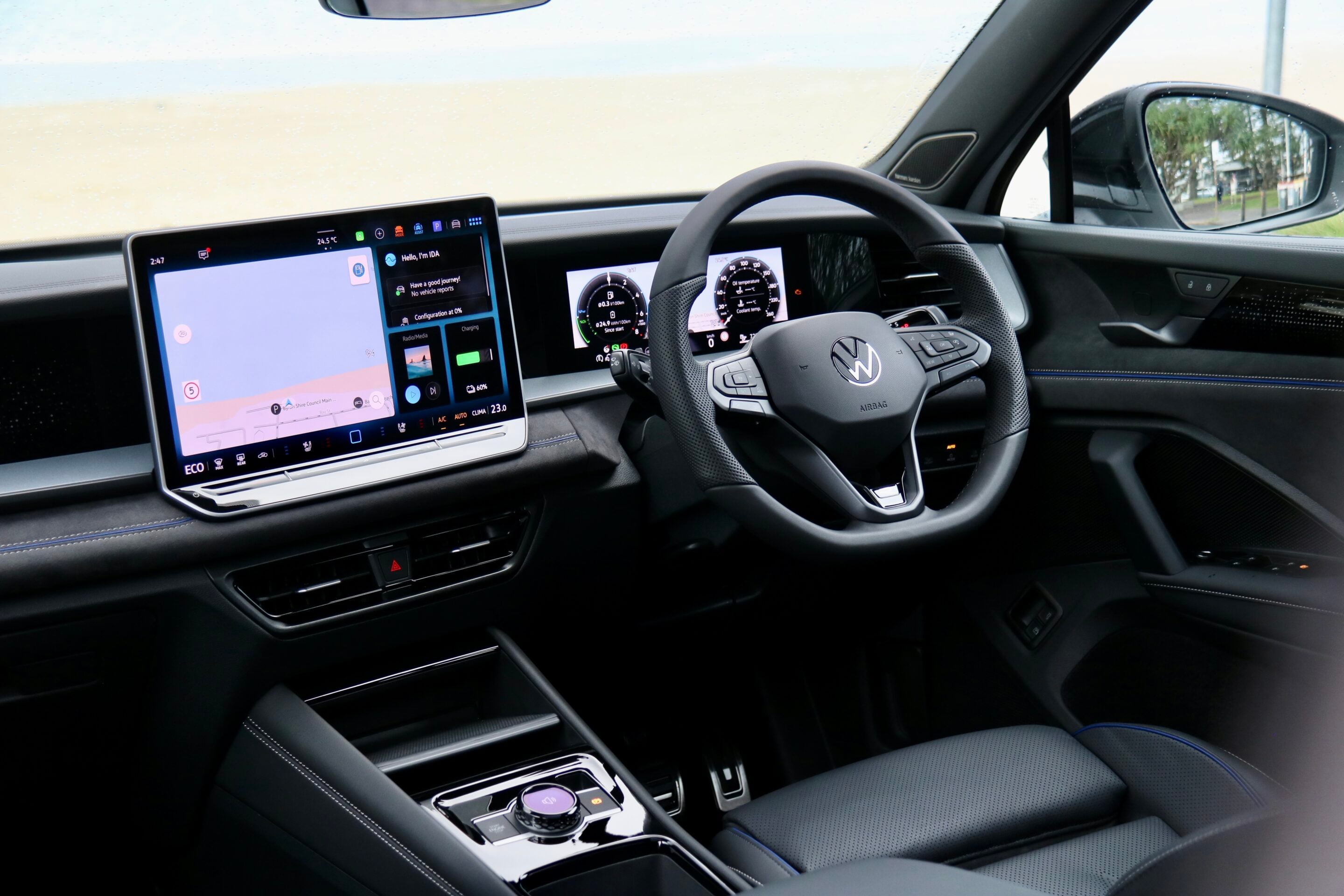
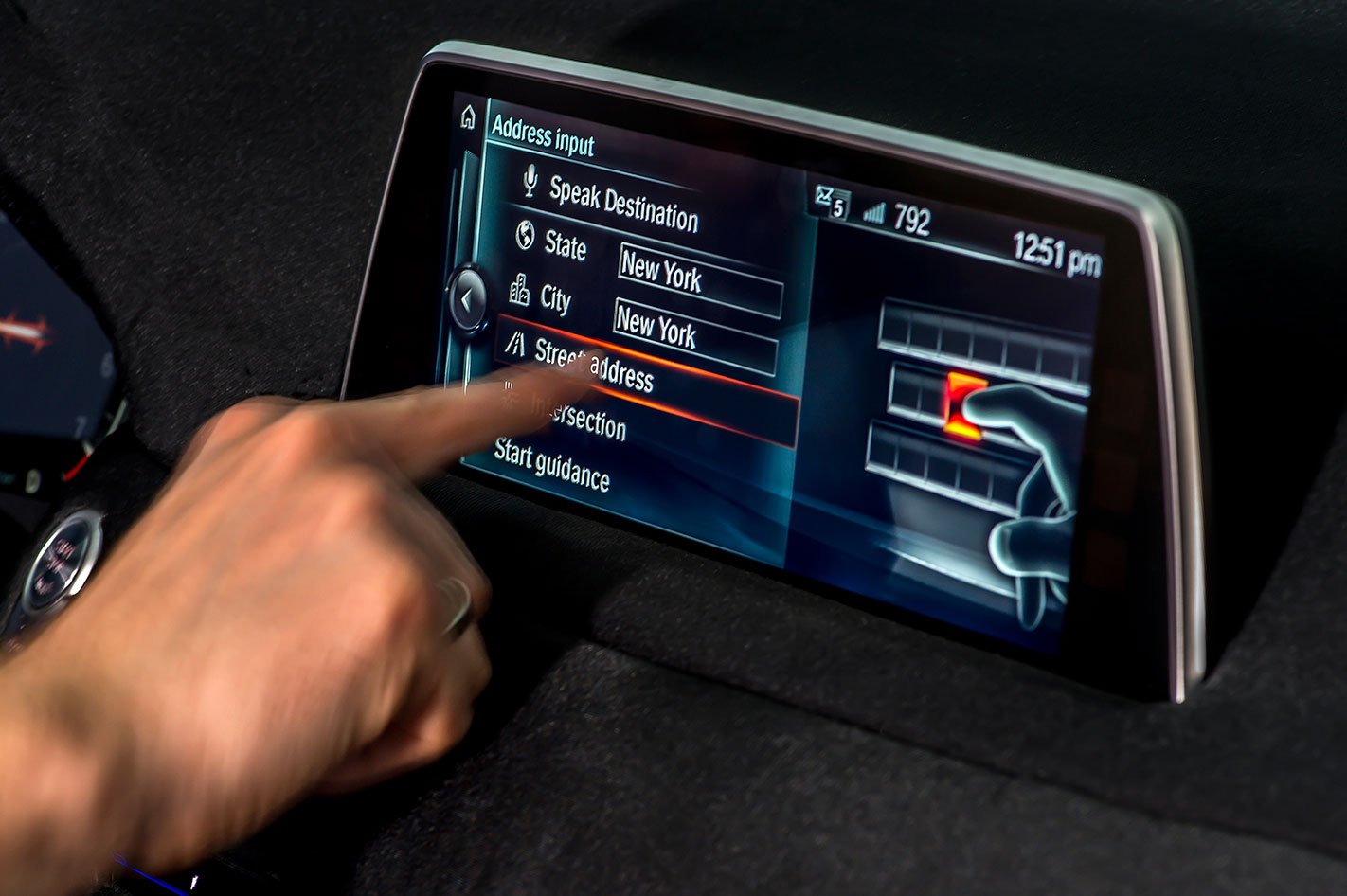
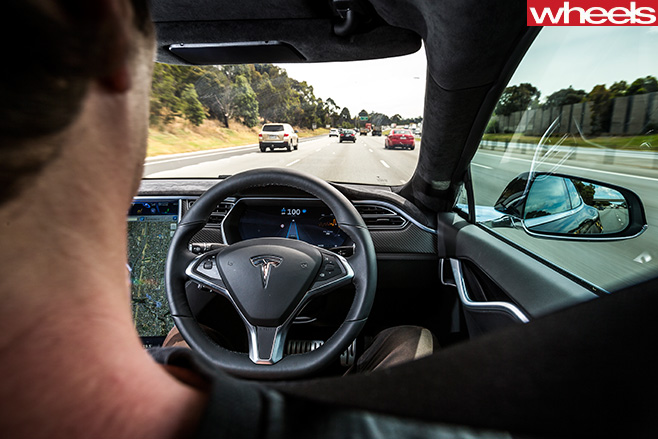
A stunning 29 per cent of Aussie drivers have been caught in a dangerous situation on the road in the last three years due to touchscreen use while driving, according to a new survey that has laid bare motorists’ dislike of the often-distracting technology.
Insurance giant Allianz surveyed around 1200 local drivers as part of its huge international study into touchscreens’ effect on safety, which also found that needing to operate car functions via the technology for just two seconds can be more dangerous than driving while impaired by alcohol.
3
Bad as that 29 per cent figure is, the research uncovered bigger problems in other countries, with 48 per cent of Brazilians and 45 per cent of Italians experiencing a critical situation on the road because of touchscreen use.
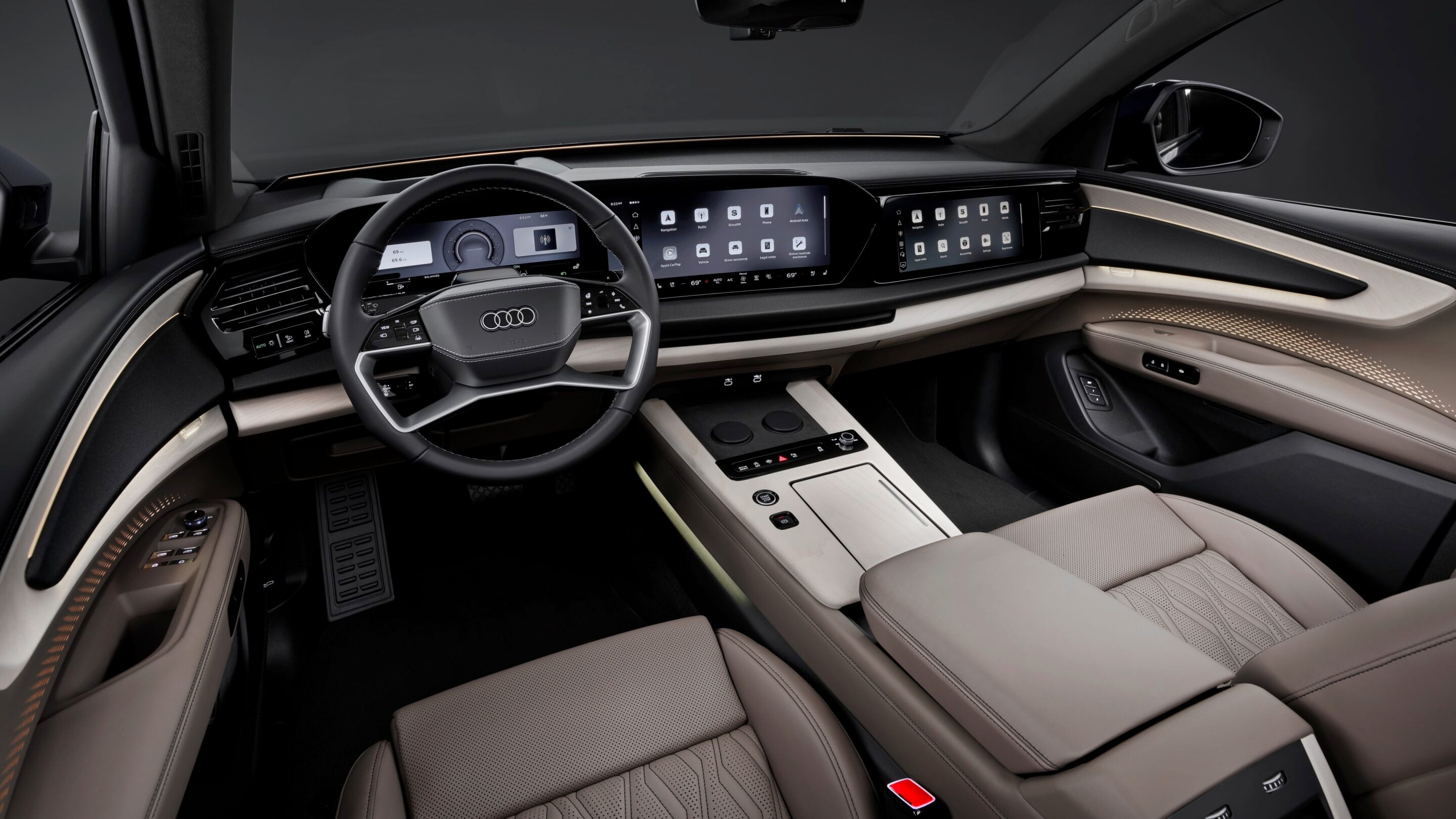
Sixty-seven per cent of Aussies surveyed want physical controls like buttons and switches for often-used functions like airconditioning, which was the second-highest proportion in the world, coming in just behind Germany on 70 per cent.
Support for a return to physical controls was even higher among locals aged 18 to 25, at 72 per cent. Backing for a switch away from running functions exclusively through touchscreens was high in all countries at an average of 65 per cent.
Australians were also quite united in worrying about in-car tech increasing distractions, with 75 per cent saying the problem has become worse in recent years. Forty-one per cent said the general risk of distraction due to touchscreens is high or very high.
When it comes to fixing the problem, 41 per cent of Aussies surveyed said they favour the placement of technical limits on complex controls, which puts the ball in the court of manufacturers and legislators. That was the second-highest proportion in the world, again behind only Germany. In addition, 56 per cent of Aussies backed higher fines for drivers who allow themselves to get distracted by tech.
3
The issues that particularly vex drivers when it comes to touchscreens, going off the average of responses across all countries, are long scrolling through lists at 48 per cent, confusing or complex menus (46 per cent) and small or hard-to-touch areas on screens (40 per cent).
While noting that touchscreens do have effective and safety-conscious uses like providing clear and easy-to-use maps, effectively highlighting warning messages and allowing for helpful reversing cameras, the research berated manufacturers for “a lack of clear thinking about which functions belong on a display, and which must stay fixed, immediate and physical”.
Allianz, which also examined 34,000 crashes and ran studies tracking drivers’ eye movements, found that spending three seconds operating functions via a touchscreen can result in motorists travelling blind for 25 metres at 30km/h, 42 metres at 50km/h and an alarming 83 metres at 100km/h.
“That [40 metres] is enough distance to miss braking traffic ahead, a cyclist moving into the lane or a child stepping onto the road,” the report said. “The danger is not that the driver never looks up. It is that the road does not wait while the driver looks down.”
Follow WhichCar/Wheels on Google
Click the button below to make WhichCar by Wheels a preferred source for your news.

We recommend
-
 News
Australian safety study finds deactivated driver assist tech could be behind one in five road deaths
A study has found that frustrated Aussies who turn off safety-focussed advanced driver assist tech could be pushing up the country's road toll.
-
 News
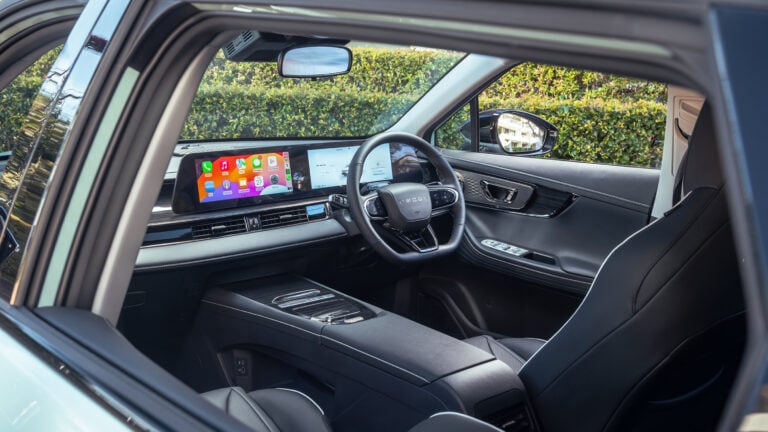
China begins safety crackdown on big touchscreens in cars
The shift in the regulation of touchscreens comes after Chinese carmakers were banned from using pop-out door handles.
