News
Gallery 1
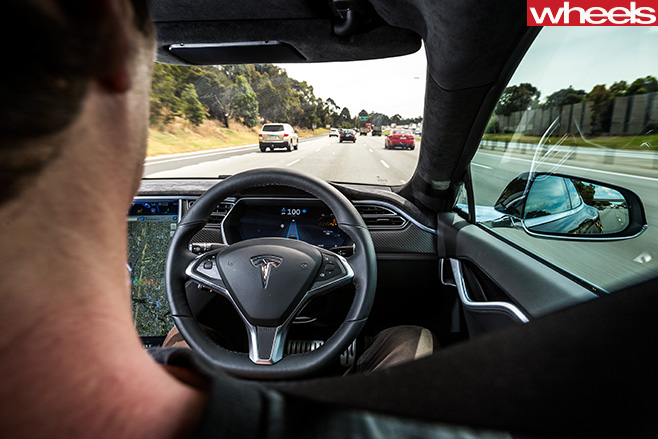
A lack of faith in driver assist technologies could be pushing Australia’s road toll higher, according to a new study. Research undertaken by the Insurance Australia Group (IAG) and Queensland University of Technology (QUT) reports that one in five road casualties could be avoided with more widespread use of safety features like lane-keep assist and blind-spot monitoring.
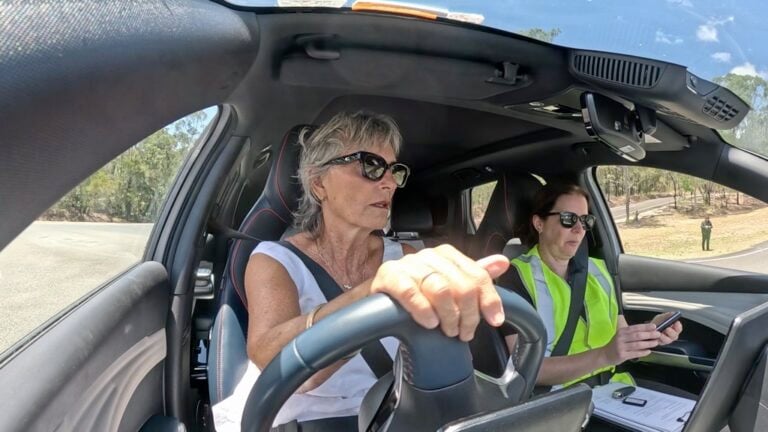
QUT analysed data from 100,000 vehicle collisions and combined it with an IAG survey of 2000 Australian drivers and field studies involving 50 drivers using Advanced Driver Assist Systems (ADAS) to investigate the impact in real-world scenarios.
2
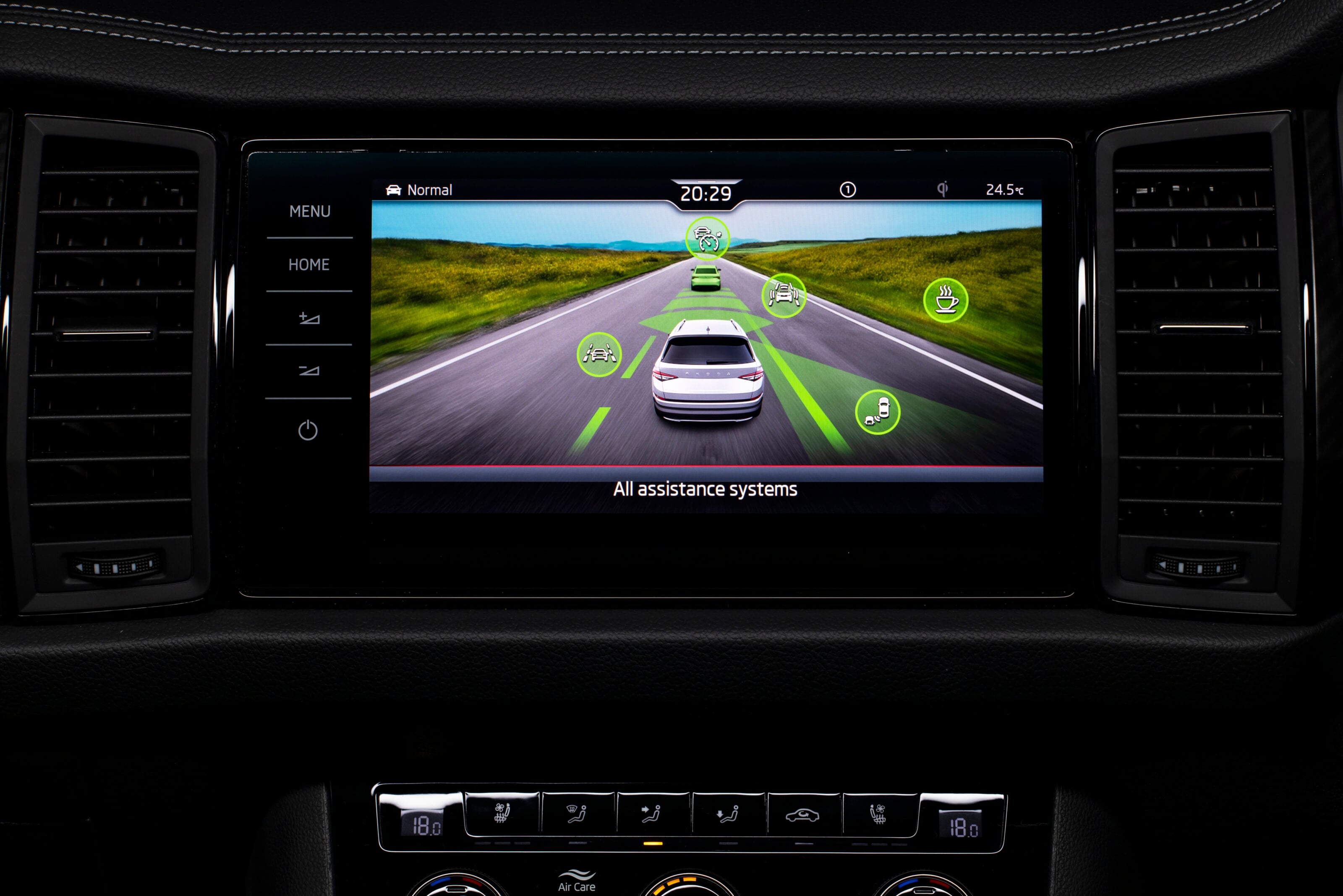
QUT’s accident analysis looked at the impact of systems like front and rear autonomous emergency braking, lane-keep assist, blind-spot monitoring and rear cross-traffic alert. Each system effectively reduced the number of incidents it was designed to prevent, with a 40 per cent reduction in side-swipe collisions from lane-keep assist, a 21 per cent reduction in crashes from AEB systems, and a 15 per cent reduction in lane-change incidents via blind-spot monitoring.
But according to QUT’s findings, a lack of awareness of how systems operate and what they are capable of is leading Australians to deactivate them.
“Our Australian-first driver field research found that a single ADAS test drive, guided by an instructor, significantly increased drivers’ trust, confidence and intention to use each of the crash-avoidance systems tested,” said Sebastien Glaser, Professor in Intelligent Transportation System at QUT.
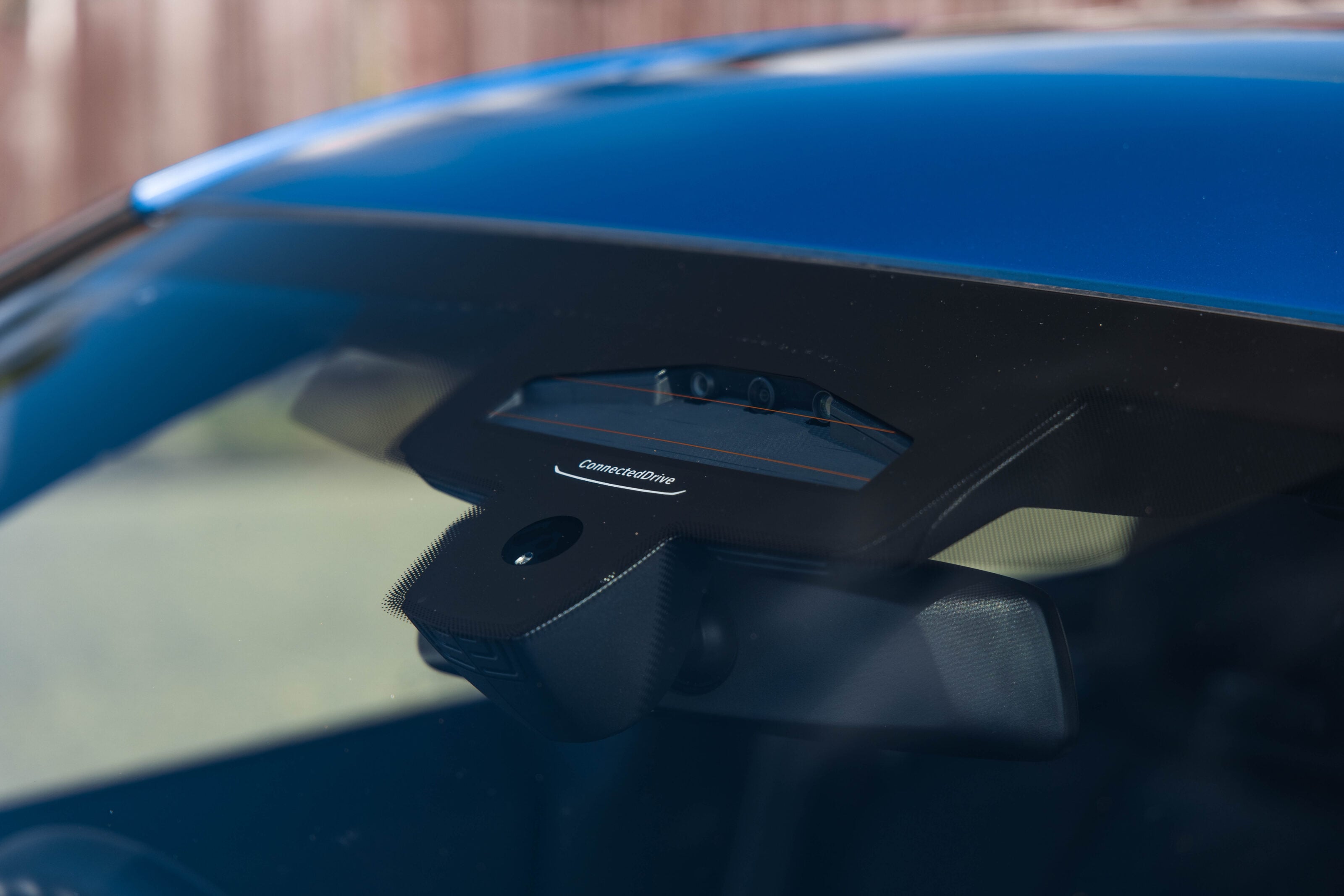
By QUT’s estimates, around 40 per cent of cars on Australian roads will be ADAS-enabled by 2031, potentially expanding the effectiveness of the technology. Lane-keep assist is set to become mandatory on all new passenger vehicles sold from 2029, but IAG revealed that current systems caused the most frustration for users in its field tests.
3
“Lane Keeping Assist (LKA) has the potential to deliver significant safety benefits, potentially preventing 40 per cent of sideswipe collisions, but we found it also generated the most negative feedback from our field-study participants who consistently found it frustrating, annoying, and the most likely to be actively switched off,” IAG Automotive Research Centre head Shawn Ticehurst said.
IAG called for a collaborative effort from motorists, manufacturers, governments and driver educators to ensure the ongoing and effective use of ADAS systems, with 72 per cent of survey respondents indicating that they would benefit from more information and instruction around the technology.
Follow WhichCar/Wheels on Google
Click the button below to make WhichCar by Wheels a preferred source for your news.


We recommend
-
 Opinion
Is driver assist making us… more dangerous?
There’s an argument to be made that new, semi-autonomous driver aids are contributing to a crisis of inattention on our roads.
-
 News
NewsMajor study launched to discover why driver-assist tech is not reducing our road toll
Real-world testing aims to understand how Australians use – or more commonly, ignore – ADAS technology.