News
Gallery 1
A growing number of drivers say modern in-car technology is becoming more irritating than helpful, with safety-focused systems topping the list of the most frustrating features.
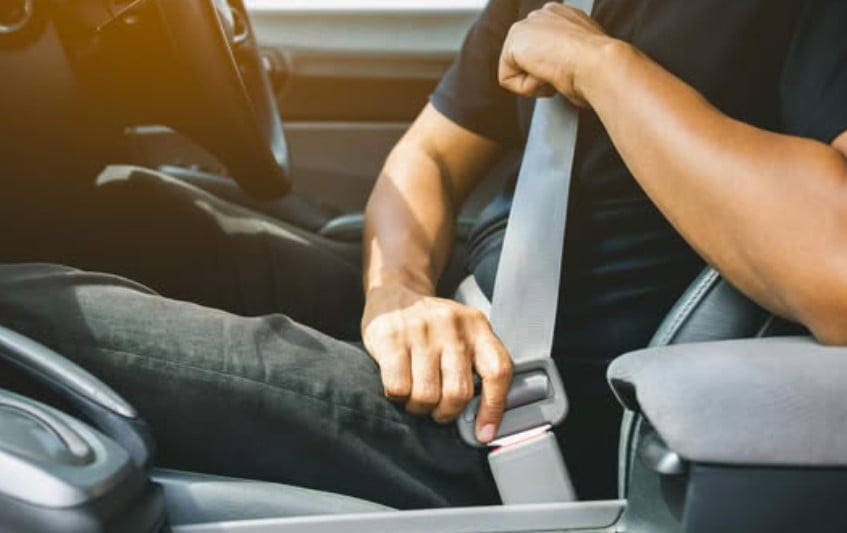
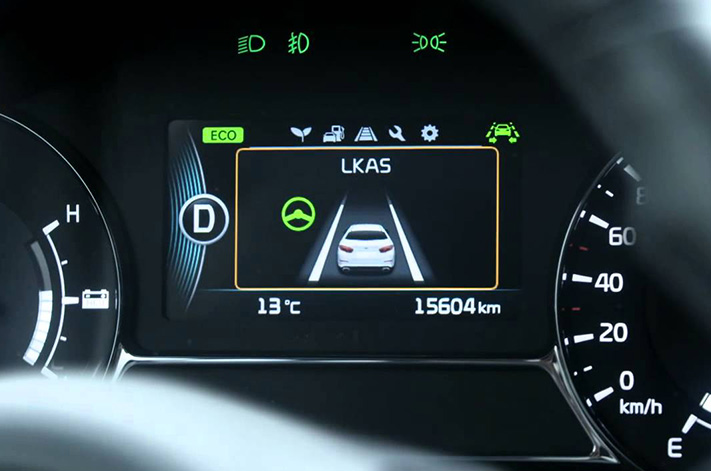
A UK survey of 2,000 motorists for Scrap Car Comparison found that seatbelt reminders were the most commonly cited annoyance, followed closely by lane-keeping assist and automatic stop-start systems. Lane departure warnings and voice control features also ranked among the top five complaints.
The findings highlight a clear divide between different types of technology now fitted to new vehicles. Systems designed to improve safety – such as alerts and driver assistance features –are more likely to frustrate drivers, while convenience-based technologies are generally well received.
1
Parking sensors were rated the most useful feature overall, with more than 45 per cent of respondents identifying them as essential. Built-in navigation systems and Bluetooth connectivity also ranked highly, suggesting drivers place greater value on features that make everyday tasks easier rather than those that intervene while driving.
Despite widespread complaints, not all drivers share the same view. More than a quarter of those surveyed said they did not find any in-car technology irritating, pointing to a divide in how motorists interact with newer systems.
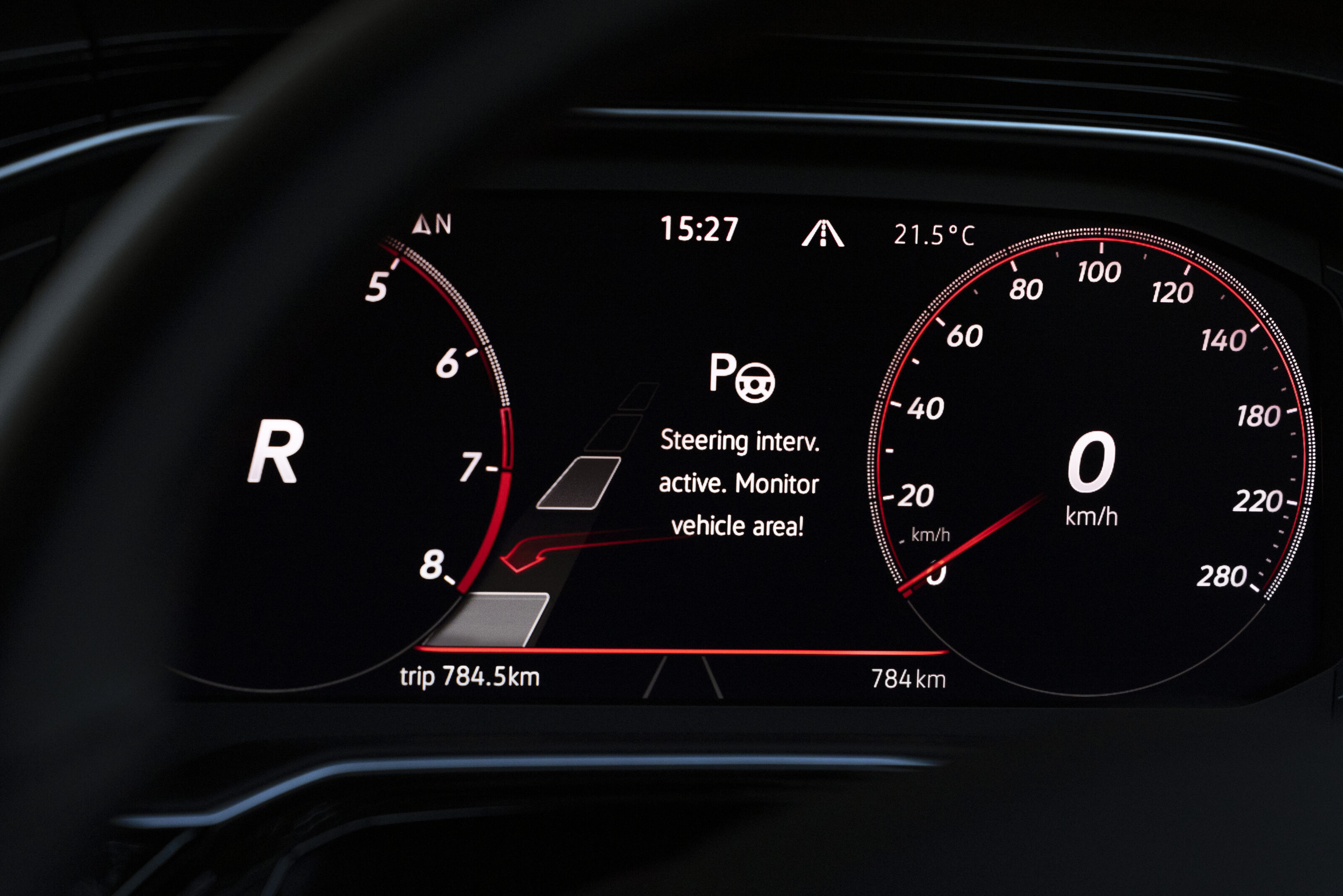
The results come as regulators in several markets push for more advanced safety systems to be fitted as standard equipment in new vehicles. These include technologies such as intelligent speed assistance and enhanced driver monitoring systems, which are intended to reduce accidents but may also increase the number of alerts drivers experience.
The survey suggests familiarity plays a role in how drivers perceive these features. Owners of newer vehicles – typically equipped with more advanced driver assistance systems – were more likely to report frustration, while those with older cars were less affected.
1
There were also differences between demographics. Men were generally more likely to find in-car technology irritating, while women showed a stronger preference for practical features such as parking sensors.
While some drivers view these systems as intrusive, safety experts maintain they serve an important purpose. Many of the most criticised features are designed to reduce crashes or improve driver awareness, even if they are not universally popular.
Top 10 car tech features drivers find the most useful
| Rank | Tech | Percentage of drivers who find it useful |
|---|---|---|
| 1 | Parking sensors (front and rear) | 45.2% |
| 2 | Built-in sat nav | 37.3% |
| 3 | Bluetooth connectivity | 25.5% |
| 4 | Seatbelt reminders | 22.7% |
| 5 | Smartphone mirroring (Apple CarPlay/Android Auto) | 16.5% |
| 6 | Keyless entry and push-button start | 16.3% |
| 7 | Forward collision warning | 14.8% |
| 8 | Adaptive cruise control | 13.7% |
| 9 | Touchscreen media control | 13.1% |
| 10 | Automatic stop-start | 13.1% |
Top car tech features drivers find the most annoying
Rank Tech Percentage of drivers who find it annoying 1 Seatbelt reminders 15.9% 2 Lane keeping assist 14.2% 3 Automatic stop-start 13.4% 4 Lane departure warning alerts 13.2% 5 Voice assistants/voice control 12.8% 6 Keyless entry and push-button start 9.4% 7 Touchscreen-only settings control 9.3% 8 Driver monitoring systems 9.0% =9 Streaming apps 7.9% =9 Gesture control interfaces 7.9% =11 Forward collision warning 7.6% =11 Touchscreen climate control 7.6%
Follow WhichCar/Wheels on Google
Click the button below to make WhichCar by Wheels a preferred source for your news.

We recommend
-
 Opinion
Is driver assist making us… more dangerous?
There’s an argument to be made that new, semi-autonomous driver aids are contributing to a crisis of inattention on our roads.
-
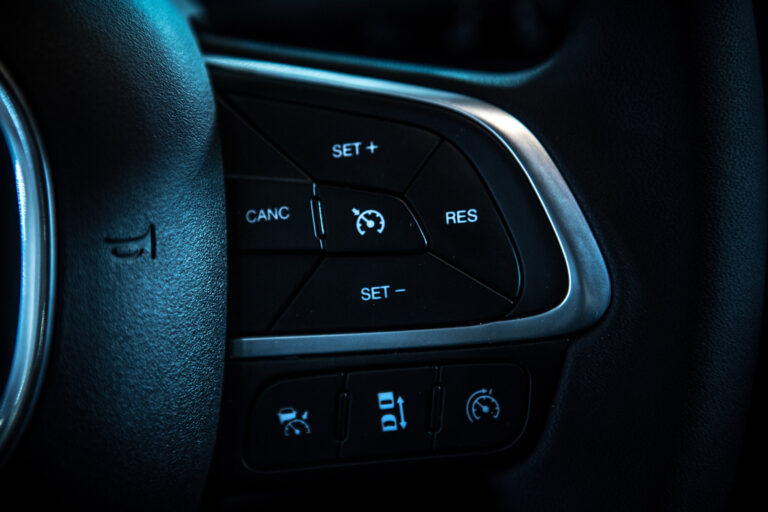 News
NewsWhich driver safety features have actually helped us?
A new study out of the Netherlands explores which advanced driver assistance systems (ADAS) truly enhance safety and which may actually increase crash risk.
-
 News
NewsTesla ditches popular driver-assist name after pressure from government agency
After regulatory pressure in California, Tesla is forced to clarify the limits of its Level 2 driver-assistance systems and reduce consumer confusion.