
News

Gallery 1
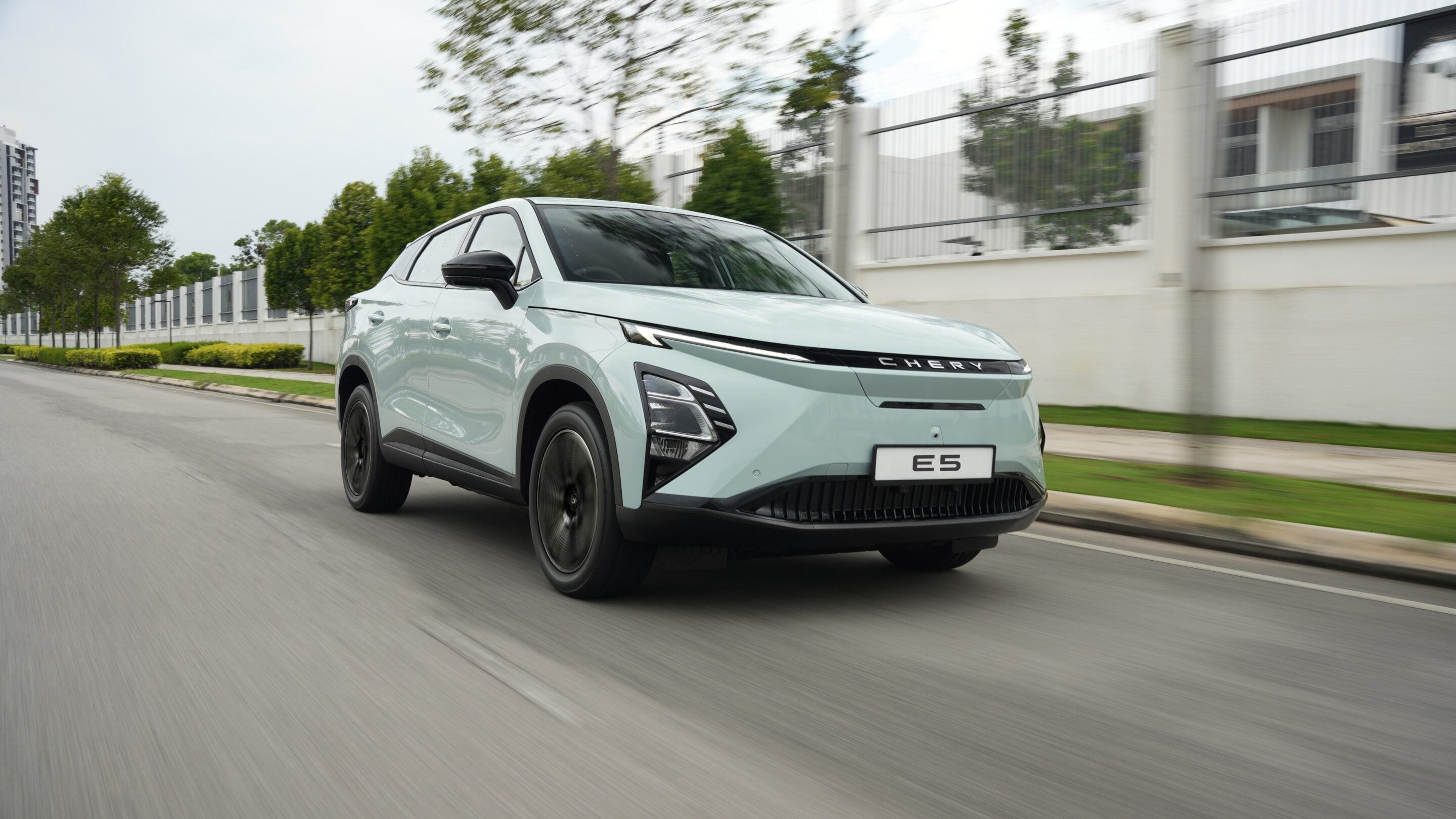
A new nationwide safety law requiring all new-model EVs and hybrids to be fitted with a device that emits warning sounds is now in effect with the aim of protecting pedestrians from accidents in areas like car parks, laneways and school zones.
Australian Design Rule 113/00 took effect on November 1. Announced last year, it means new EVs, hybrids and hydrogen fuel cell models need to have an Acoustic Vehicle Alerting System (AVAS). The systems alert pedestrians to the presence of the cars by making sounds at low speeds.
3
According to the federal government, the rule is estimated to prevent a total of 68 fatalities and 2675 serious injuries by 2060, which averages out to one fatality and 75 serious injuries per year, amounting to a saving of more than $200 million in that timeframe.
The government believes the move is necessary given many EVs and hybrids are close to silent, posing a risk to pedestrians who might not be aware of their presence in low-speed areas like lanes, intersections and some city streets.
“Vehicles fitted with an AVAS will be no noisier than a standard internal combustion engine vehicle, however the sound they emit will be easily identifiable,” federal minister for Infrastructure and Transport Catherine King said in a statement, adding that the initiative is especially important for Australians who are blind or have impaired vision.
3
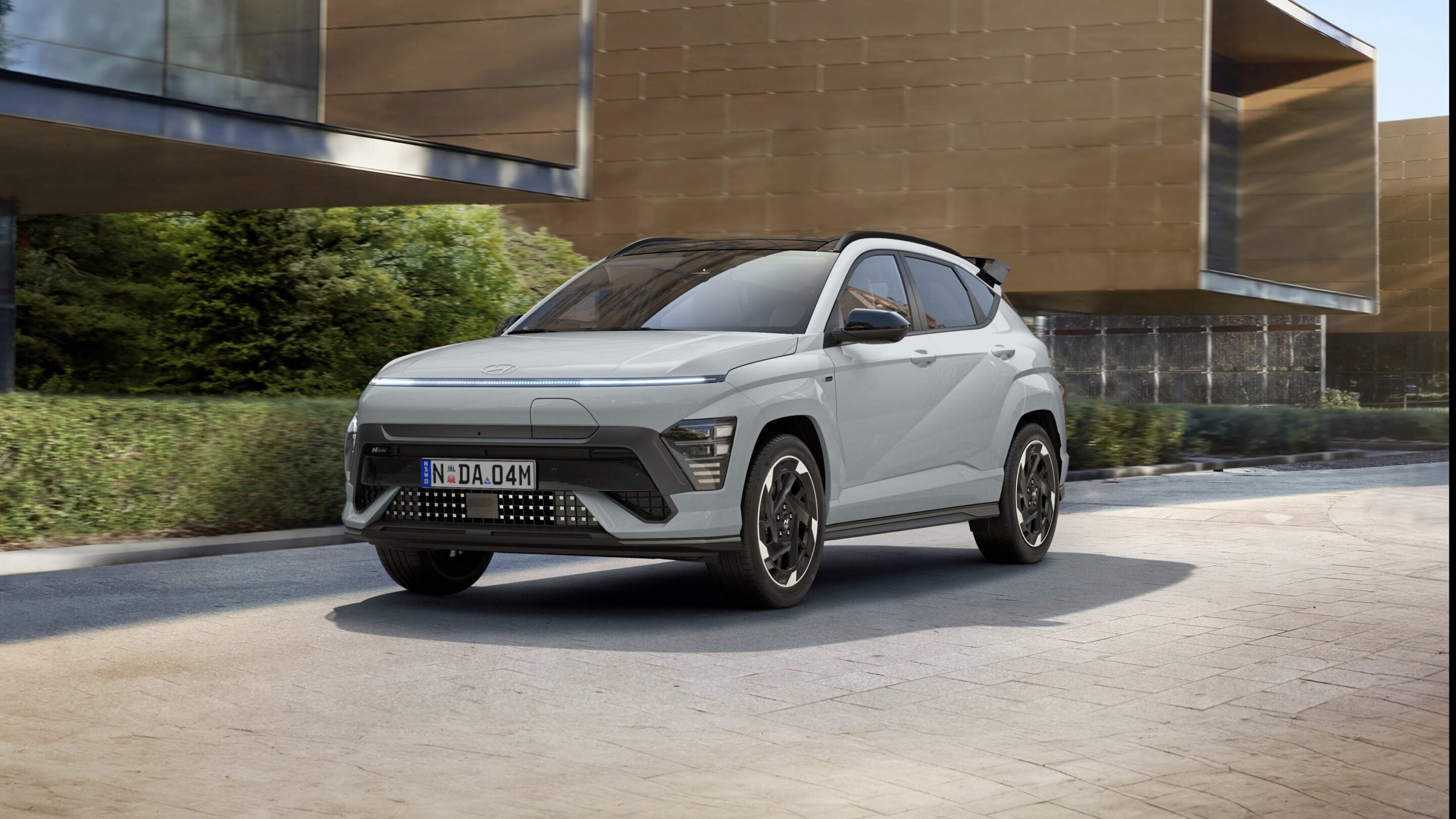
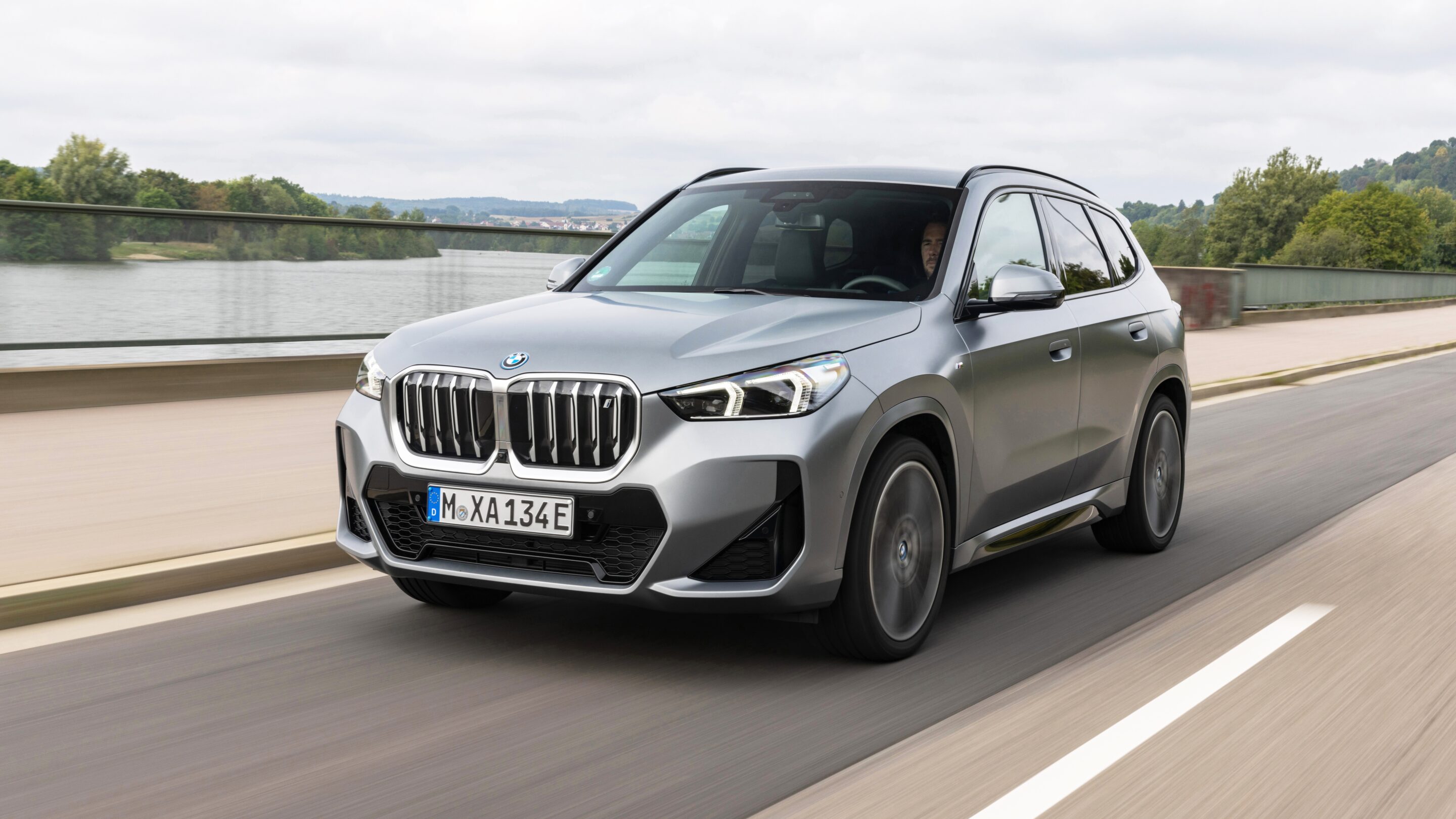
Several models currently on sale down under are already fitted with AVAS, including the Tesla Model Y and Model 3, Hyundai Kona Electric (pictured top) and BMW iX1 (pictured above). Some manufacturers have been creative with the systems, using them to emit sounds reminiscent of an orchestra, spaceship, or mechanical whirrs.
AVAS units usually activate at speeds up to 20-25km/h, emitting a continuous sound that can change its pitch and volume to match the speed of travel. It also operates when vehicles are reversing, with some models changing the sound when the car is travelling backwards.
Follow WhichCar/Wheels on Google
Click the button below to make WhichCar by Wheels a preferred source for your news.

We recommend
-
 News
Australian safety study finds deactivated driver assist tech could be behind one in five road deaths
A study has found that frustrated Aussies who turn off safety-focussed advanced driver assist tech could be pushing up the country's road toll.
-
 News
New car buyers more interested in heated seats than advanced safety, survey finds
Forget adaptive cruise control or driver assist systems. Heated seats are the most desirable new car tech, according to a recent survey.
