
News
Gallery 1
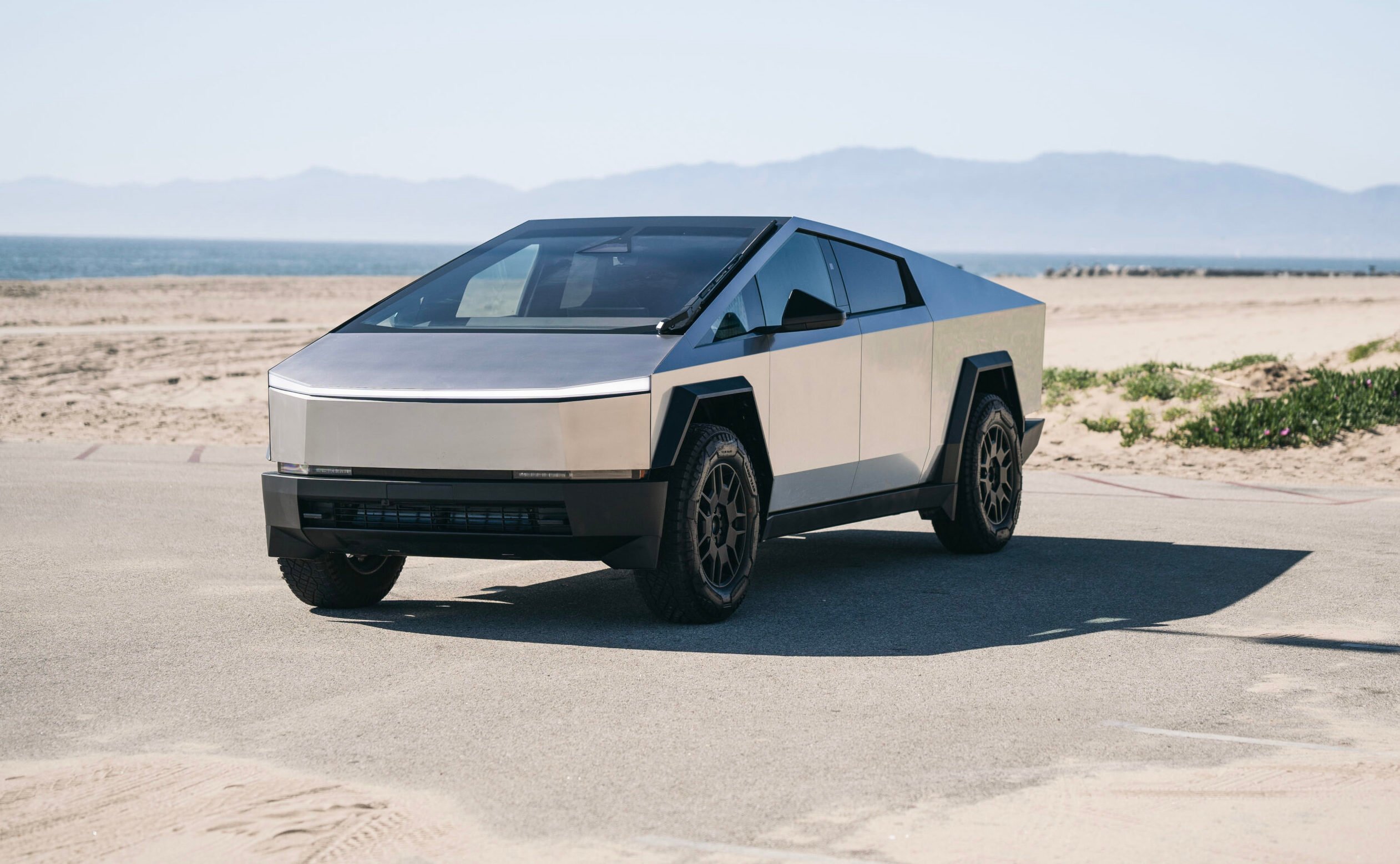
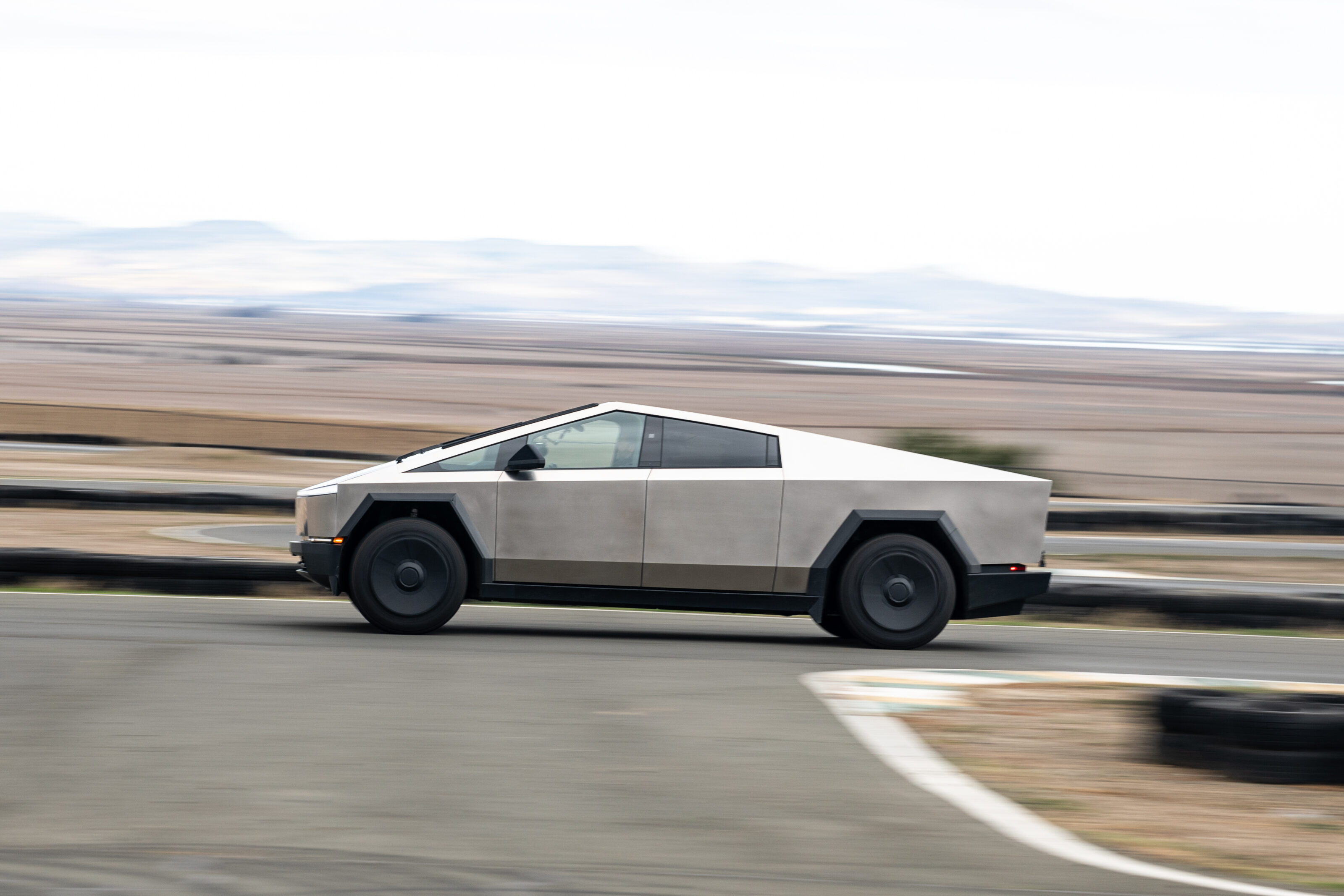
Tesla’s Cybertruck could be heading for an early retirement, with company boss Elon Musk confirming plans to wind down production of the controversial electric pick-up in mid-2027.
The announcement comes less than four years after the Cybertruck entered production, bringing into question the future of one of Tesla‘s most ambitious – and divisive – vehicles.
In a post on X, Musk revealed that manufacturing at Tesla’s Gigafactory in Austin, Texas, would be progressively scaled back to accommodate increased production of the company’s autonomous Cybercab.
5
Although Tesla has not formally confirmed that the Cybertruck will be discontinued altogether, Musk’s subsequent comments suggest the vehicle is unlikely to be manufactured elsewhere.
The decision follows disappointing sales in the United States, where the Cybertruck has struggled to attract buyers beyond its initial wave of enthusiasts.
Just 8295 examples were sold during the third quarter of 2026, while total deliveries since its introduction are estimated at fewer than 70,000 vehicles.
That represents a considerable shortfall against Musk’s earlier prediction that Tesla could eventually manufacture approximately 250,000 Cybertrucks annually.
The financial implications could also be substantial. Development expenditure has reportedly reached US$5.6 billion, while estimates suggest Tesla could be holding between US$800 million and US$1 billion in unsold inventory.
Unveiled in November 2019, the Cybertruck immediately attracted worldwide attention with its angular stainless-steel bodywork, unconventional proportions and ambitious performance claims.
However, the journey from concept to showroom proved considerably more difficult than originally anticipated.
Production was initially scheduled to begin in 2021, but repeated delays pushed the first customer deliveries back to late 2023.
Pricing also moved well beyond Tesla’s original projections. The entry-level rear-wheel-drive version introduced in 2025 was priced at US$69,990, considerably more than the approximately US$40,000 starting price initially promised.
1
More expensive versions include the dual-motor All-Wheel Drive at US$79,990 and the flagship Cyberbeast at US$99,990.
Despite its commercial difficulties, the Cybertruck remains an impressive technical achievement.
The dual-motor model produces approximately 447kW, while the three-motor Cyberbeast develops around 630kW and can accelerate from 0–97km/h in a claimed 2.5 seconds.
Depending on the variant, Tesla quotes a driving range of approximately 515–563km under US EPA estimates.
The Cybertruck also introduced steer-by-wire technology, four-wheel steering and an electronically controlled air suspension system, alongside its distinctive stainless-steel exterior.
However, its unusual construction has created challenges, particularly in overseas markets where pedestrian protection requirements differ from those in North America.
The vehicle has never been officially sold in Australia, despite considerable local interest following its original unveiling.
Tesla previously abandoned plans to introduce the Cybertruck to Australia and New Zealand, citing regulatory and engineering challenges associated with adapting the vehicle for right-hand-drive markets.
Its departure would leave Tesla without a direct competitor to electric pick-ups such as the Ford F-150 Lightning, Rivian R1T and Chevrolet Silverado EV.
Instead, the company’s attention is increasingly turning towards autonomous transport.
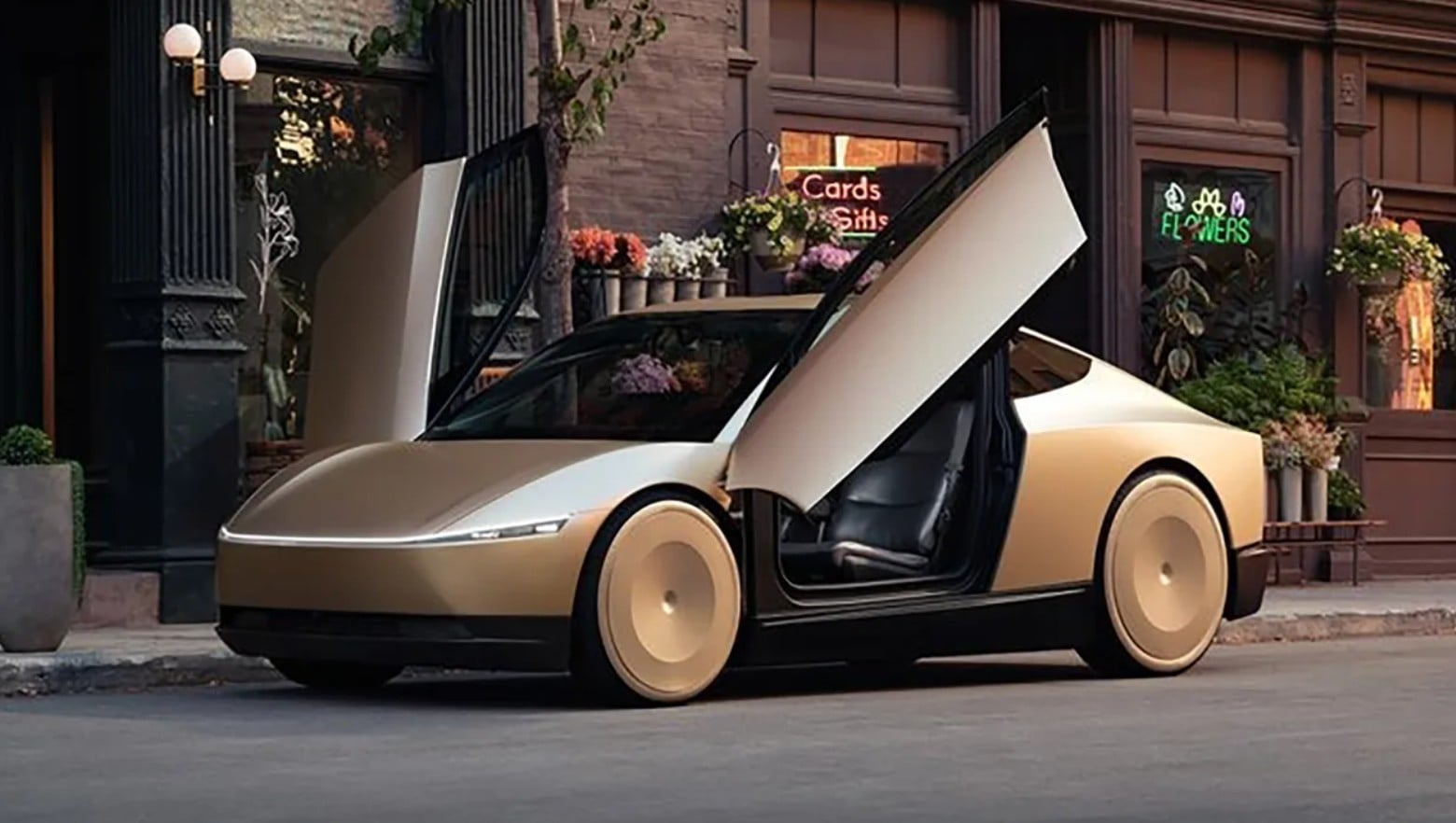
The Cybercab (above), a two-seat electric vehicle designed to operate without conventional driver controls, forms a central part of Musk’s ambition to expand Tesla’s robotaxi operations.
Freeing up manufacturing capacity at the Texas factory would allow Tesla to increase Cybercab output as it attempts to establish a larger presence in the autonomous mobility market.
For the Cybertruck, however, the announcement marks a dramatic reversal of expectations.
Once promoted as a vehicle capable of transforming the traditional American pick-up market, it now appears destined to become a relatively short-lived chapter in Tesla’s history.
Follow WhichCar/Wheels on Google
Click the button below to make WhichCar by Wheels a preferred source for your news.


We recommend
-
 News
Is the Tesla Cybertruck already dead?
The future looks grim for the headline-grabbing Cybertruck, with unsold vehicles piling up on the back of Elon Musk's controversial pivot into US politics and plummeting resale values.
-
 News
Tesla's Cybertruck likened to the Ford Edsel, motoring's most famous flop
Once hailed by Elon Musk as Tesla's "best product ever", the radical electric pick-up is now being compared with Ford's ill-fated Edsel as sales fall well short of expectations.
