News
Gallery 1
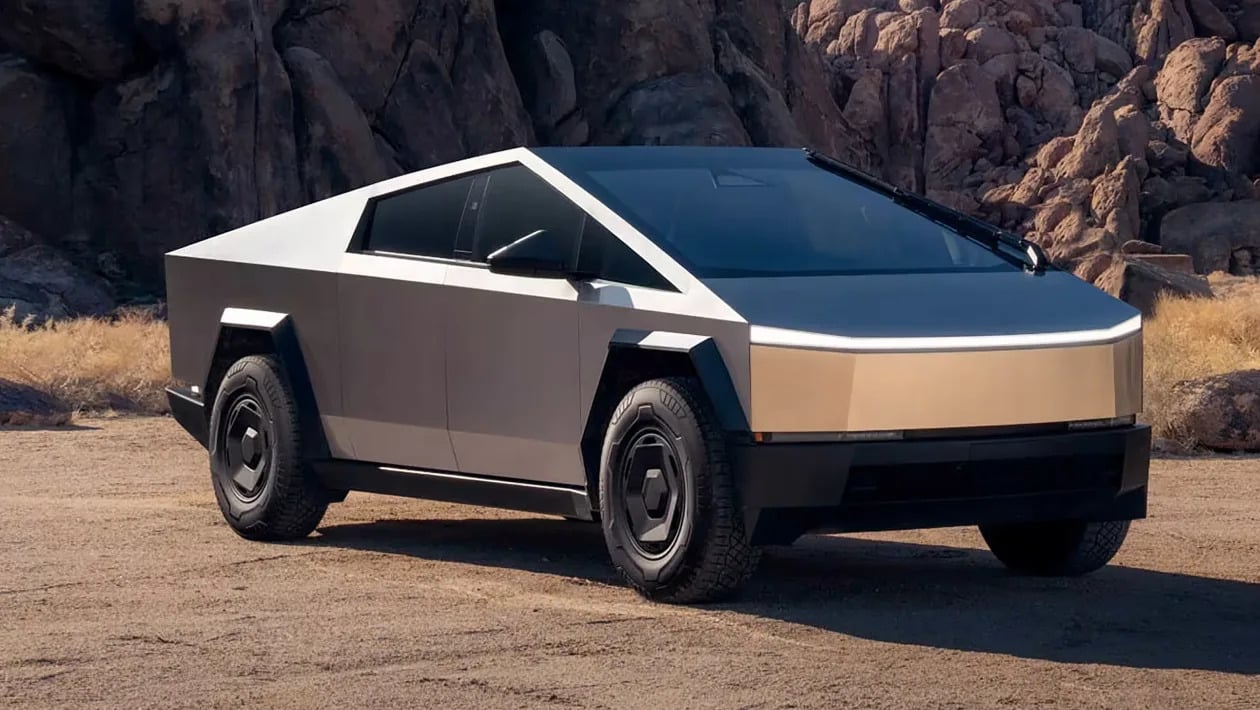
Tesla’s futuristic Cybertruck is being compared with one of the automotive industry’s biggest commercial failures, with critics claiming the electric pick-up is on track to eclipse the Ford Edsel as the most significant flop in modern motoring history.
The comparison centres on the enormous gap between Tesla‘s original sales ambitions and the Cybertruck’s actual performance. When unveiling the stainless-steel electric pick-up, chief executive Elon Musk predicted annual production could eventually reach 250,000 units and described it as Tesla’s “best product ever”. More than one million reservations were reportedly placed before production began.
Instead, demand has fallen sharply after an initially strong launch. Industry analysts note the Cybertruck has sold only a fraction of the volumes originally forecast, prompting comparisons with Ford’s Edsel, a car that has become synonymous with commercial failure since its troubled launch in 1957.
1
Bloomberg analysis, widely cited by US media, argues that measured against projected sales targets, the Cybertruck has actually underperformed the Edsel, which has long been regarded as the benchmark for automotive commercial failure.
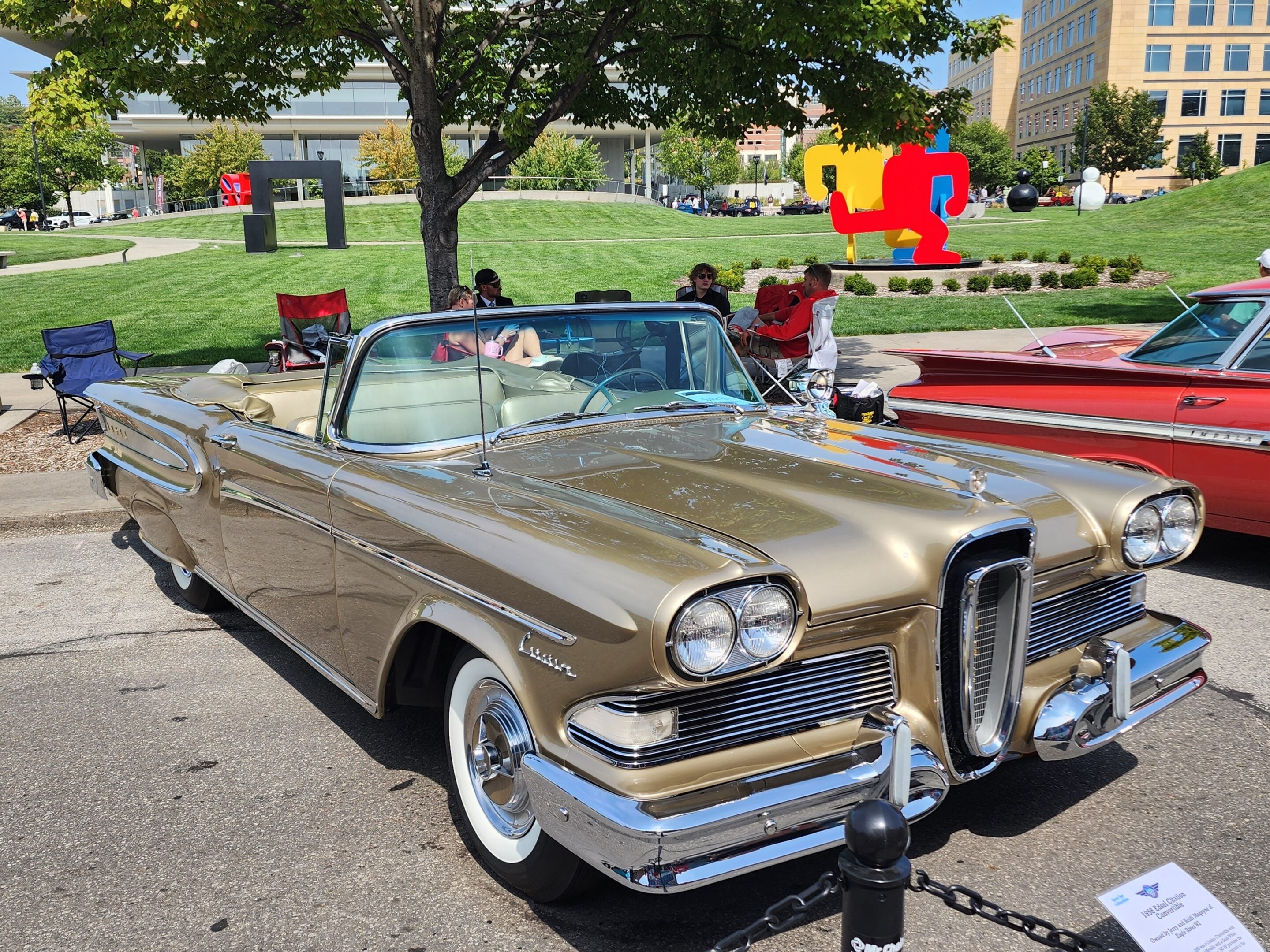
Launched by Ford in September 1957 after a massive marketing campaign and expectations of around 200,000 annual sales, the Edsel (a 1958 Edsel Citation Convertible pictured, below) lasted just three model years before production was axed in November 1959. Ford sold only about 110,000 Edsels in total and is estimated to have lost around US$250 million on the program – an enormous sum at the time. The Cybertruck’s shortfall against Tesla’s own targets is now considered even greater.
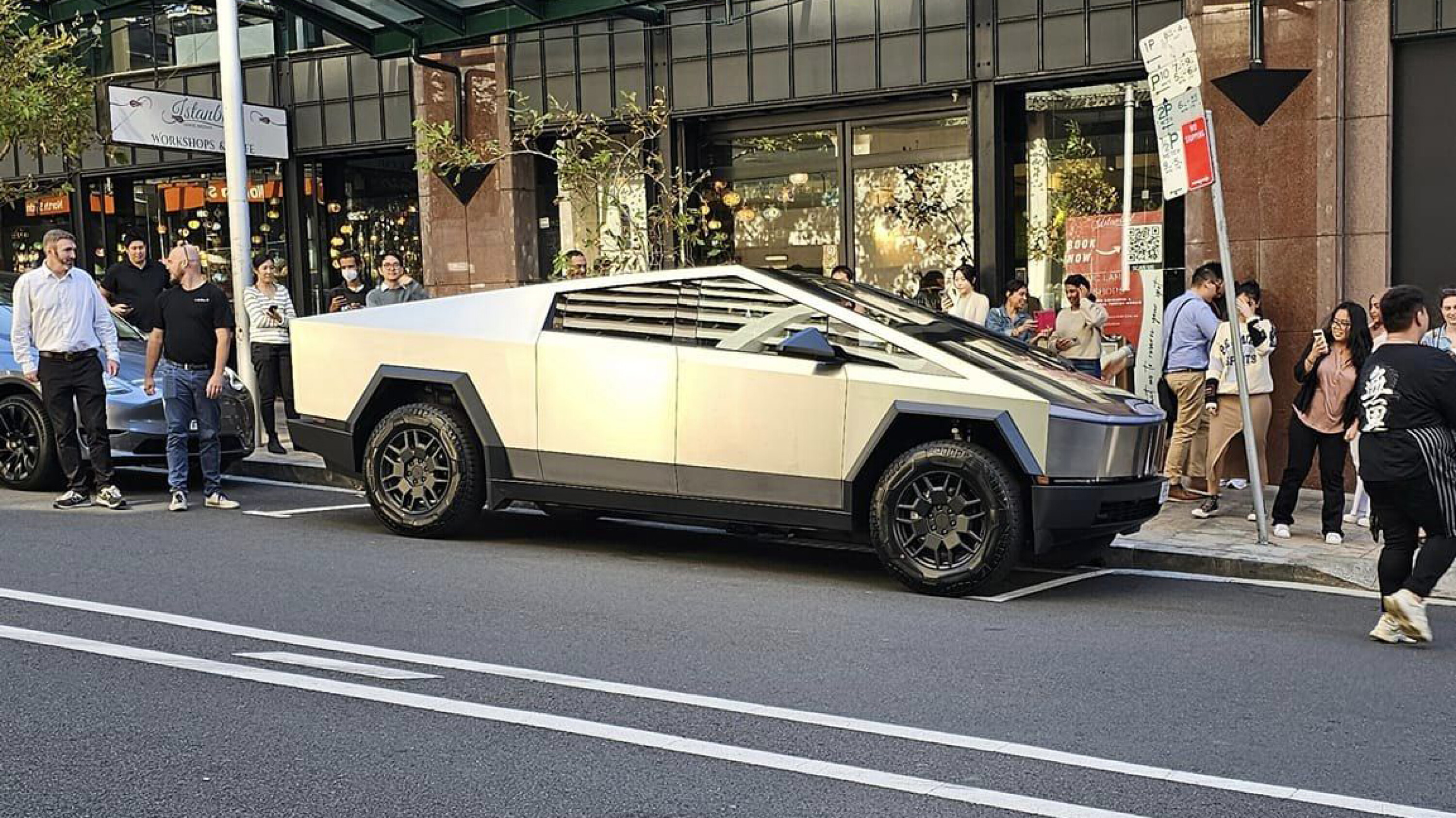
Observers point to several factors behind the Cybertruck’s struggles. The production version arrived years later than originally promised and at a significantly higher price than Musk’s initial US$39,900 target. Critics have also cited its unconventional styling, a series of recalls, quality concerns and its limited appeal outside a niche group of buyers.
1
Despite the criticism, the Cybertruck has introduced several engineering innovations, including its stainless-steel exoskeleton, steer-by-wire system and 800-volt electrical architecture, technologies that could influence future vehicles even if the model itself falls short commercially.
The renewed scrutiny comes as Tesla faces broader financial pressure. The company recently reported another decline in quarterly earnings and revenue as vehicle deliveries softened globally, even as its shares remain heavily influenced by investor expectations surrounding autonomous driving, artificial intelligence and robotics rather than vehicle sales alone.
In Australia, Tesla nevertheless enjoyed a strong June, with the facelifted Model Y becoming the country’s best-selling new vehicle and helping battery-electric vehicles achieve a record share of the new-car market. However, the company reported a sharp fall in quarterly profit, highlighting the contrasting fortunes of its global business and reinforcing the challenge of turning ambitious new products such as the Cybertruck into long-term commercial successes
Follow WhichCar/Wheels on Google
Click the button below to make WhichCar by Wheels a preferred source for your news.


We recommend
-
 News
NewsIs Elon Musk's latest prediction about driverless cars realistic?
Tesla’s CEO repeats earlier claims that driverless cars are on their way – but the past reveals plenty of missed deadlines for the claim.
-
 News
NewsEV sales double in April 2026 with Tesla Model Y leading the way
Strong growth from Tesla and Polestar signals rising demand, with insurance data also pointing to a surge in EV interest.
-
 Comparisons
Powertrain battle! Nissan X-Trail v Tesla Model Y v MG HS Hybrid+
Australian buyers love medium and large SUVs – and the choices have never been more broad than they are right now. The question is, which powertrain suits you? best? Regular hybrid, petrol generator electric, or full electric? Three very different combatants duke it out