
News

Gallery 1
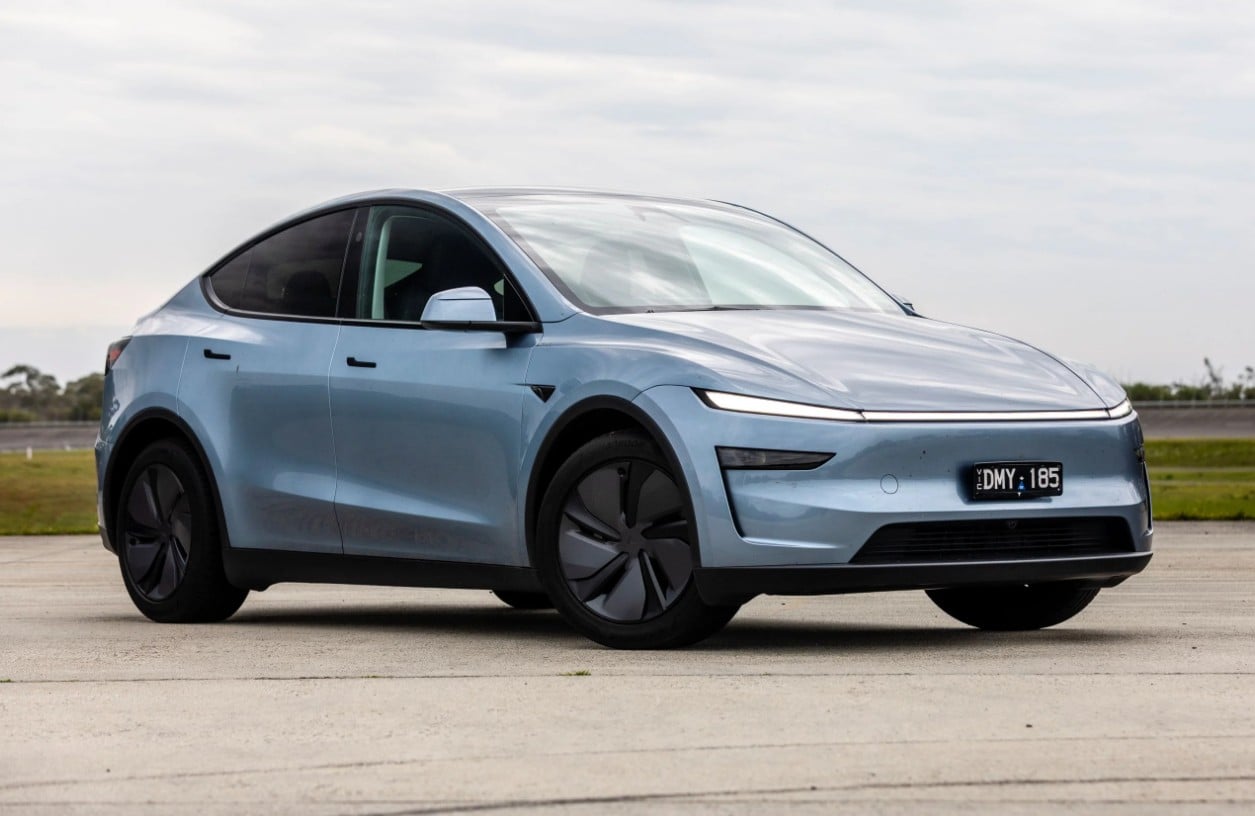
A recent Tesla software update is reportedly preventing some Australian owners from using their electric vehicles to power their homes, which has raised concerns about the manufacturer’s control over vehicle functionality.
According to a report published by The Driven, Tesla’s latest software update, identified as version ‘2026.38’, appears to interfere with third-party bidirectional charging equipment that allows electric vehicles to supply electricity to homes.
The technology, known as vehicle-to-home (V2H) charging, allows owners to use their EV’s battery as a household energy source, potentially reducing electricity bills or providing backup power during outages. For example, the tech allows owners to fill the battery with cheap or even free energy during off-peak hours, then use it to power their home when electricity is at its most expensive.
4
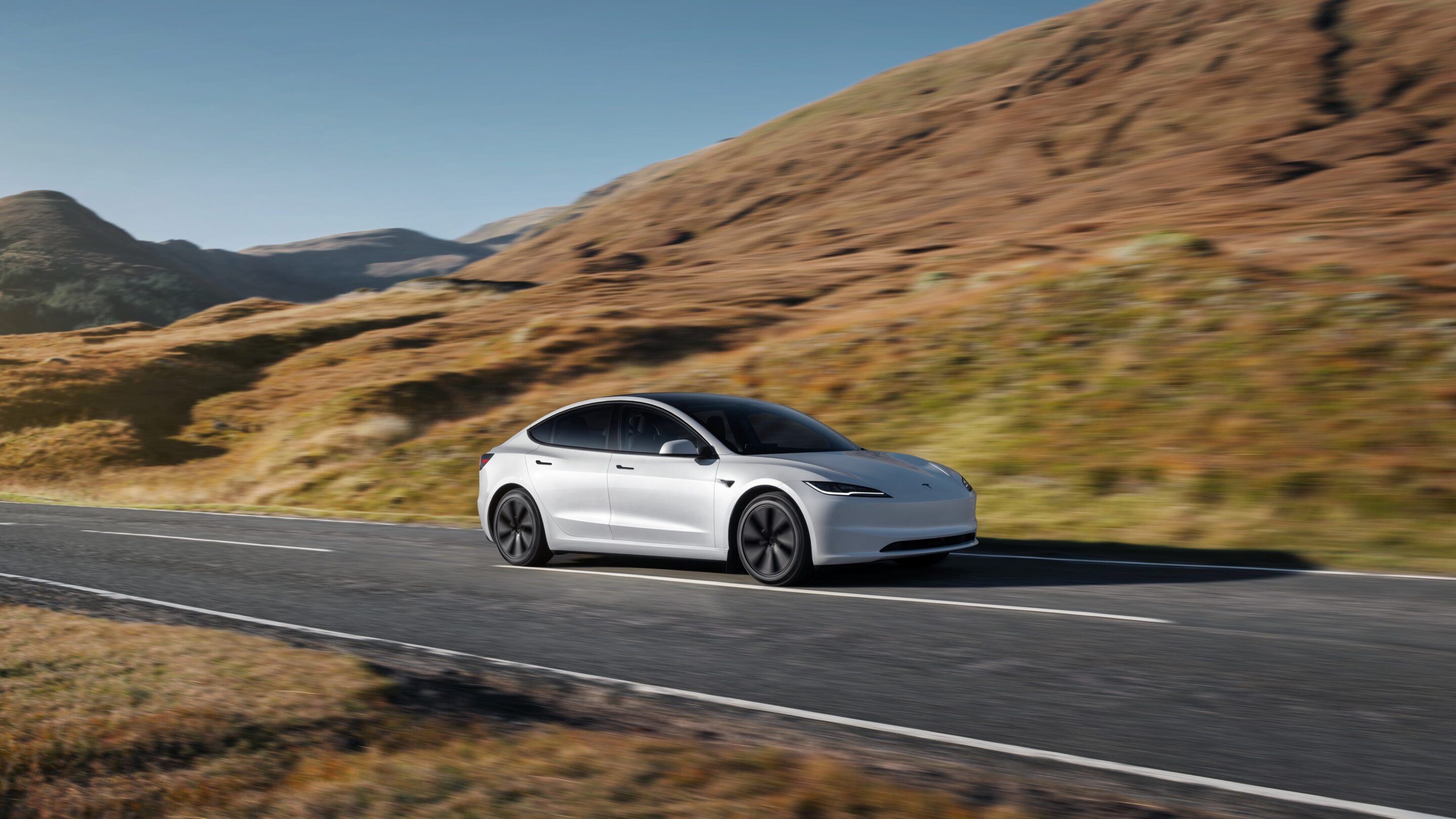
However, Tesla owners in several countries have reported that their vehicles stopped supplying electricity through third-party chargers shortly after the latest software was installed. Some users have experienced power being disconnected after approximately three minutes, while others report interruptions after 20 minutes, regardless of the amount of electricity being supplied.
The issue reportedly affects equipment from manufacturers including Sigenergy, EleJoy and Tlyard, with the latter warning customers that Tesla’s latest software may detect and interrupt certain third-party charging arrangements.
The change is particularly significant for Australian owners because Tesla does not currently offer an official vehicle-to-home charging solution for existing vehicles in this market. Although its Powershare technology has been introduced overseas, including home backup functionality in North America, its Australian availability is currently limited to vehicle-to-load (V2L) functionality on compatible newer models.
That means owners who want to use their existing Tesla as a household battery have generally relied on third-party equipment. Tesla’s Australian owner’s manual explicitly warns against using its vehicle batteries as stationary power sources, stating that doing so voids the warranty.
It remains unclear whether the reported restrictions to the V2H charging ability are intentional, related to battery protection or safety requirements, or could be addressed through a future software update. Tesla is yet to publicly confirm the reason for the change.
Follow WhichCar/Wheels on Google
Click the button below to make WhichCar by Wheels a preferred source for your news.

We recommend
-
 News
Tesla sales surge 342 per cent year-on-year as EV demand grows
Tesla and Polestar have recorded a sharp increase in Australian deliveries according to the October 2026 sales report from the Electric Vehicle Council.
-
 News
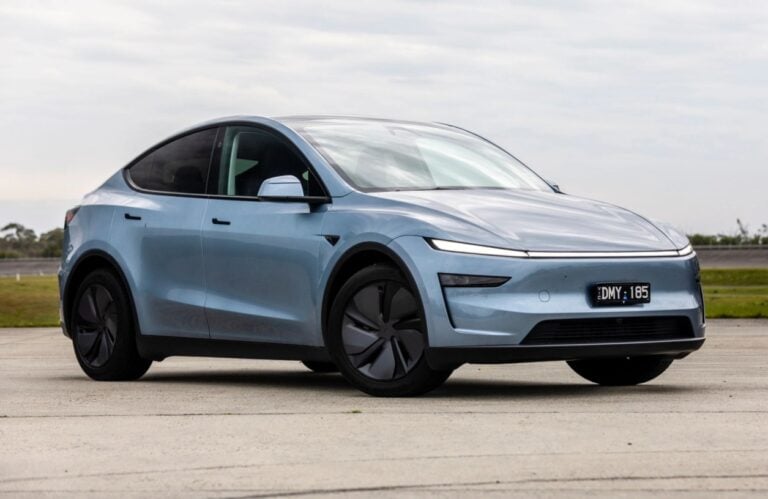
Revealed: The $10 billion argument Tesla is using to convince the Federal Government to allow driverless cars on Aussie roads
Tesla wants Australia to fast-track its driverless vehicle laws by two years, arguing that it could save lives and an incredible amount of money.
-
 News
What Tesla didn't mention at its spectacular Roadster launch...
Almost a decade after its original unveiling, Tesla's electric supercar has resurfaced with extraordinary performance claims – but prospective buyers should read the fine print...
