
News

Gallery 1
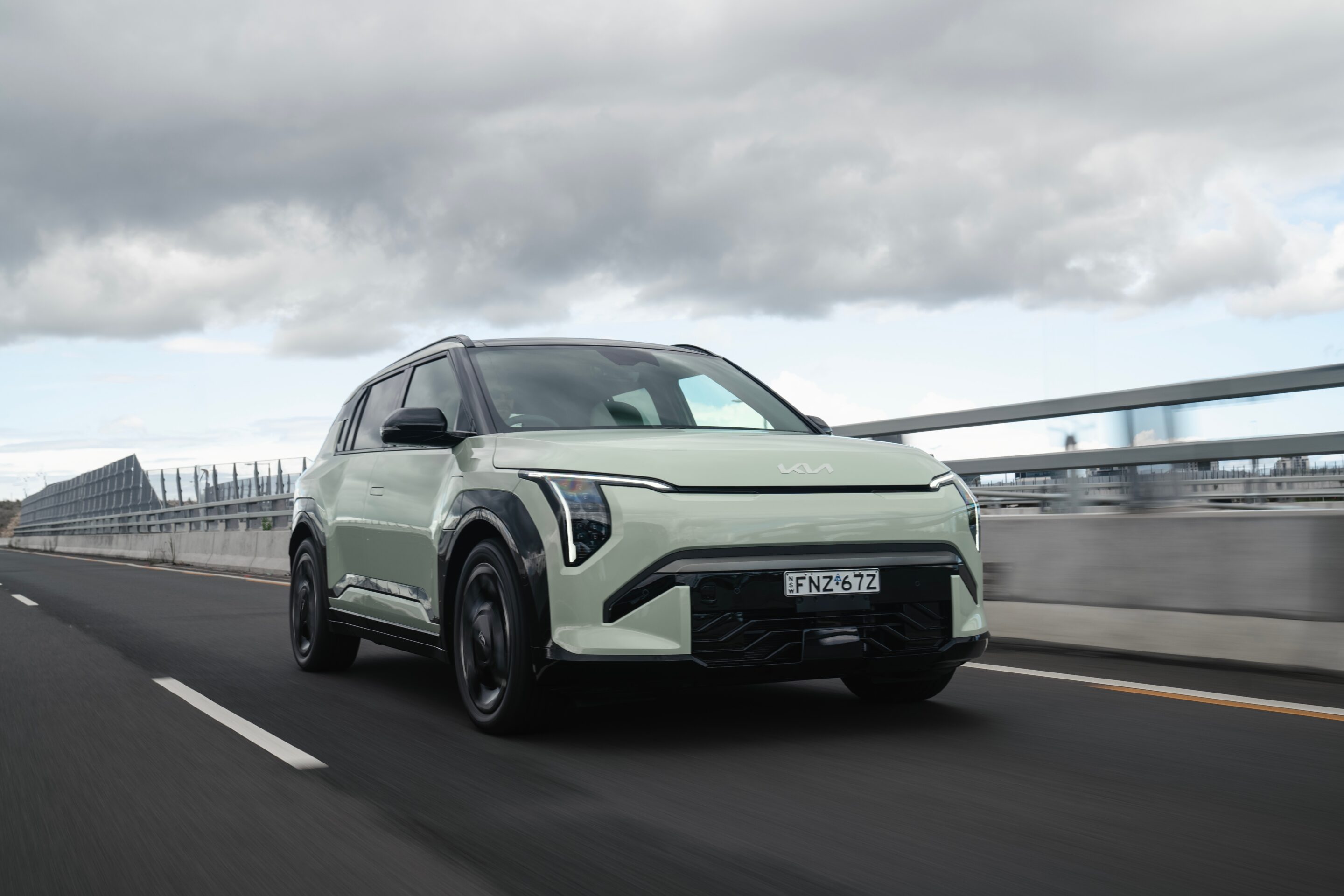
Rising fuel prices are responsible for almost 20 per cent of Australia’s annual inflation, according to new research suggesting electric vehicles (EVs) could play an important role in reducing household expenses.
Analysis conducted by Endgame Analytics on behalf of the Electric Vehicle Council (EVC) found that automotive fuel prices contributed 0.77 percentage points to Australia’s annual inflation rate of 4.3 per cent in September 2026. Petrol and diesel prices increased by 23.6 per cent over the previous 12 months.
The research suggests that greater EV adoption could help shield motorists from increasingly volatile global oil prices. To demonstrate the potential benefits, Endgame Analytics calculated what Australia’s inflation rate might have looked like if all household driving had been undertaken in electric vehicles instead of petrol and diesel-powered cars.
3
After accounting for the cost of electricity, Endgame found that annual inflation would have been approximately 0.6 percentage points lower, falling from 4.34 per cent to 3.75 per cent. While the scenario is hypothetical, it shows the potential economic benefits of reducing Australia’s reliance on imported fuels.
“Petrol and diesel prices aren’t just hurting motorists at the bowser. They’re adding to inflation across Australia,” said EVC chief executive Julie Delvecchio. “Electric vehicles give Australians a way to break that direct link with global oil prices. The more of our transport we electrify, the less exposed we become to future fuel price shocks and inflation.”
The research also examined the effect of rising energy prices on motorists. For a family driving a small petrol SUV 15,000 kilometres annually – the average distance in Australia – the 23.6 per cent increase in petrol prices added around $442 to their yearly fuel bill.
3
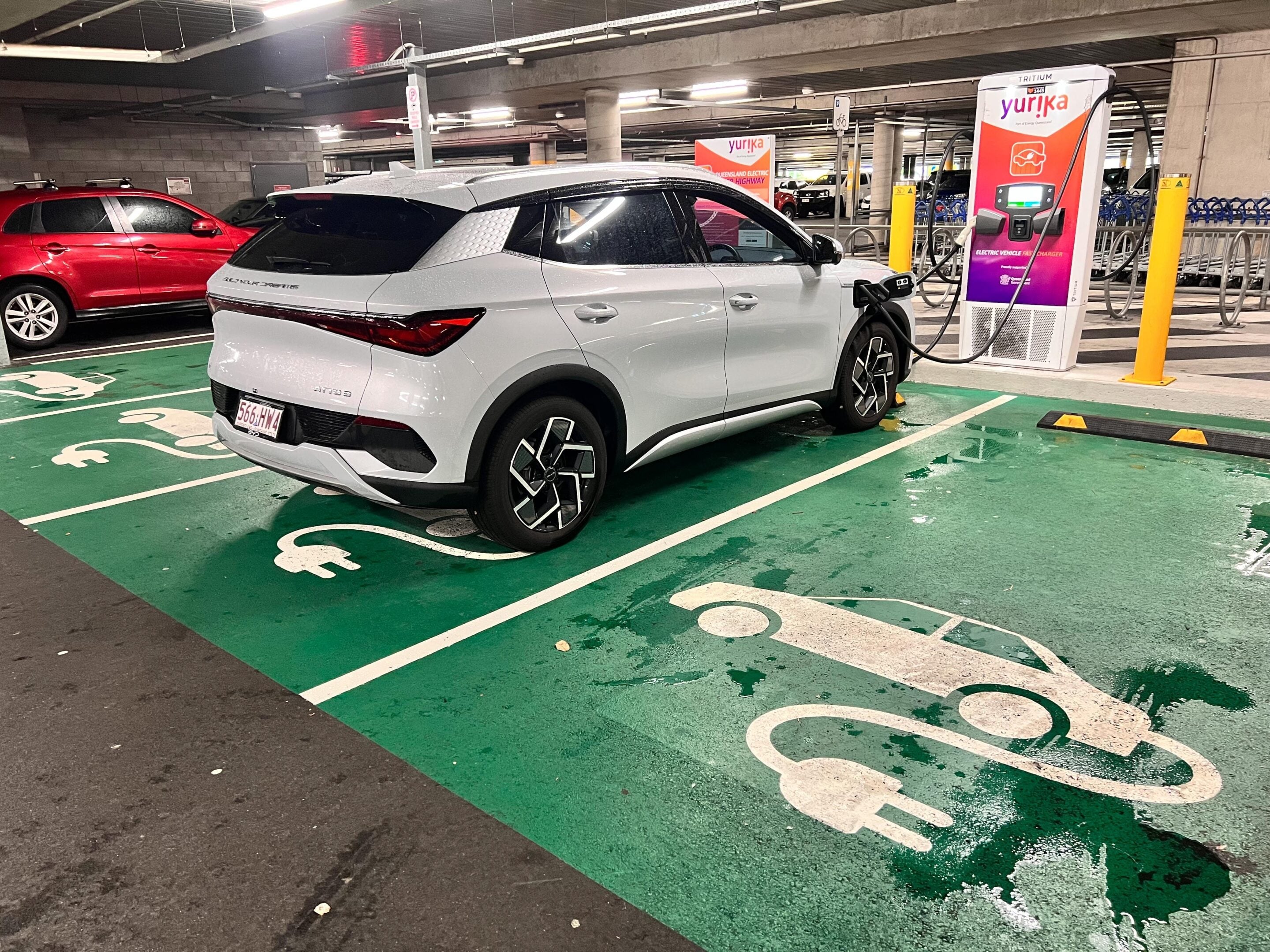
By comparison, electricity prices increased by 12.8 per cent over the same period, adding only $48 to the annual charging costs of an equivalent EV. The EVC also highlighted falling EV purchase prices, with the entry-level versions of Australia’s 10 best-selling electric cars becoming an average of 3.1 per cent cheaper over the past year.
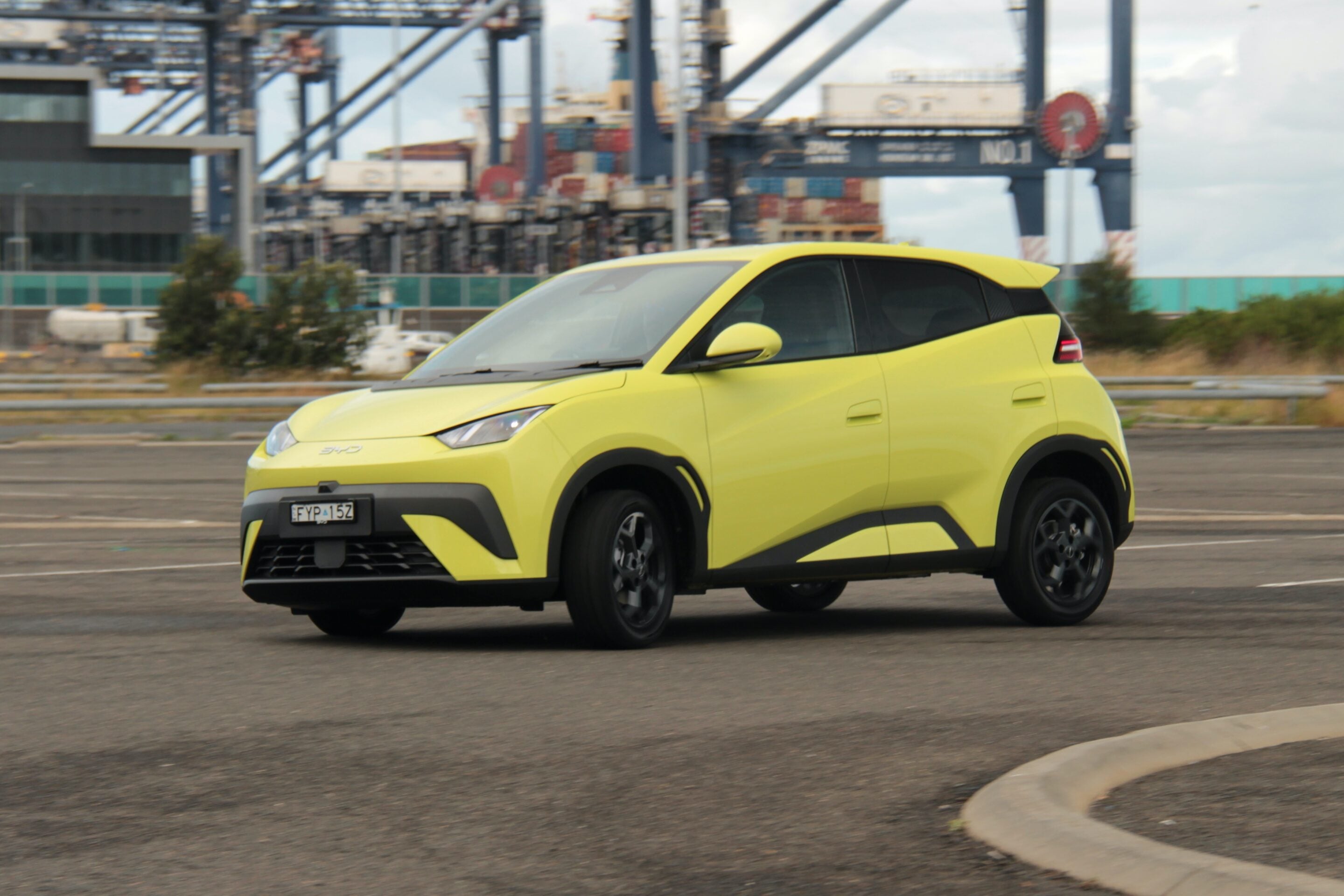
Australia’s cheapest new electric vehicle – the BYD Atto 1 Essential – now starts from $19,990 driveaway, while the EVC reports that more than 500,000 electric vehicles are already on Australian roads.
The EVC says that accelerating EV adoption could deliver broader economic benefits, calling for the Federal Government to maintain the New Vehicle Efficiency Standard (NVES), retain the Fringe Benefits Tax (FBT) exemption for eligible EVs and further expanding Australia’s charging infrastructure.
“Getting more Australians into EVs faster is good economic policy,” said Delvecchio.
Follow WhichCar/Wheels on Google
Click the button below to make WhichCar by Wheels a preferred source for your news.

We recommend
-
 News
BYD takes the cover off 1000kW robotic EV charger: now you don’t even have to touch your car to top it up
BYD has demonstrated a robotic EV charger that automatically plugs into your car and delivers up to 1000kW of power without drivers lifting a finger.
-
 News
Aussies who want to use their Tesla to drive down their power bills get some bad news
Tesla owners are reportedly being prevented from using third-party chargers to power their homes, raising concerns over EV ownership rights.
-
 News
MG4 EV Urban gains limited-edition model with new styling and $33,990 driveaway price
Limited to just 750 examples in Australia, the MG4 EV Urban Special Edition adds new styling touches and an exclusive paint colour for a $1000 premium.
