
News

Gallery 1
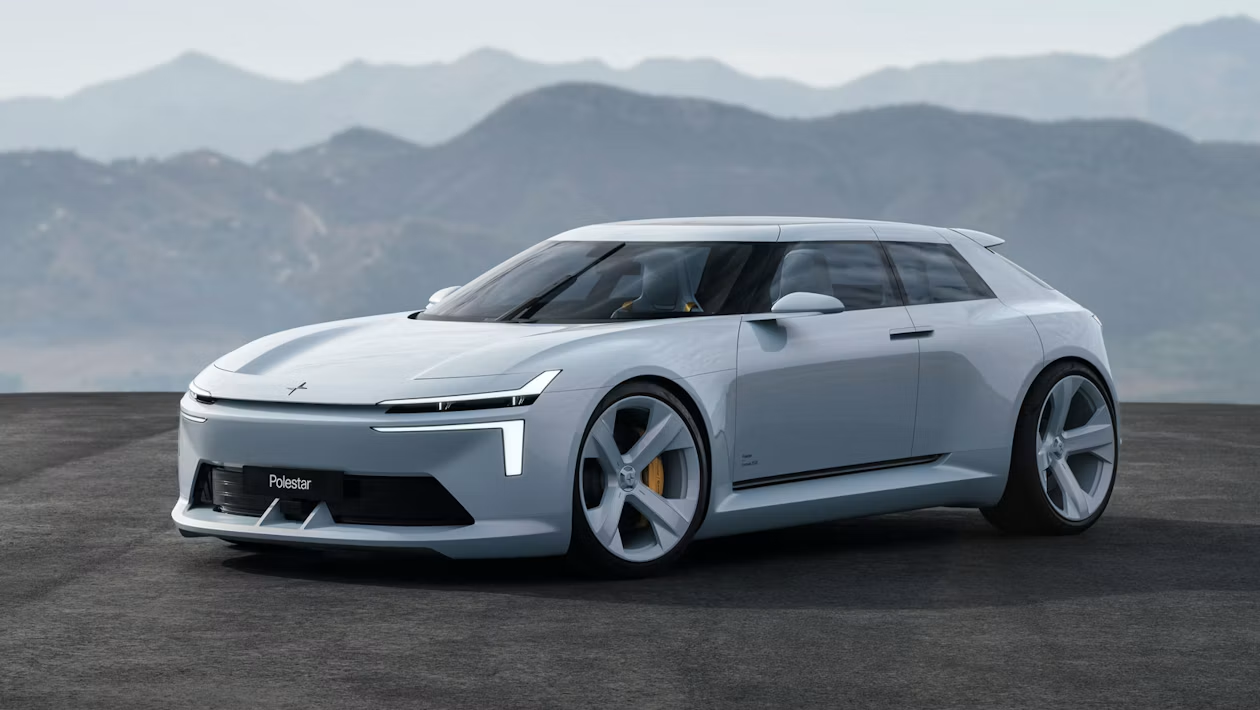
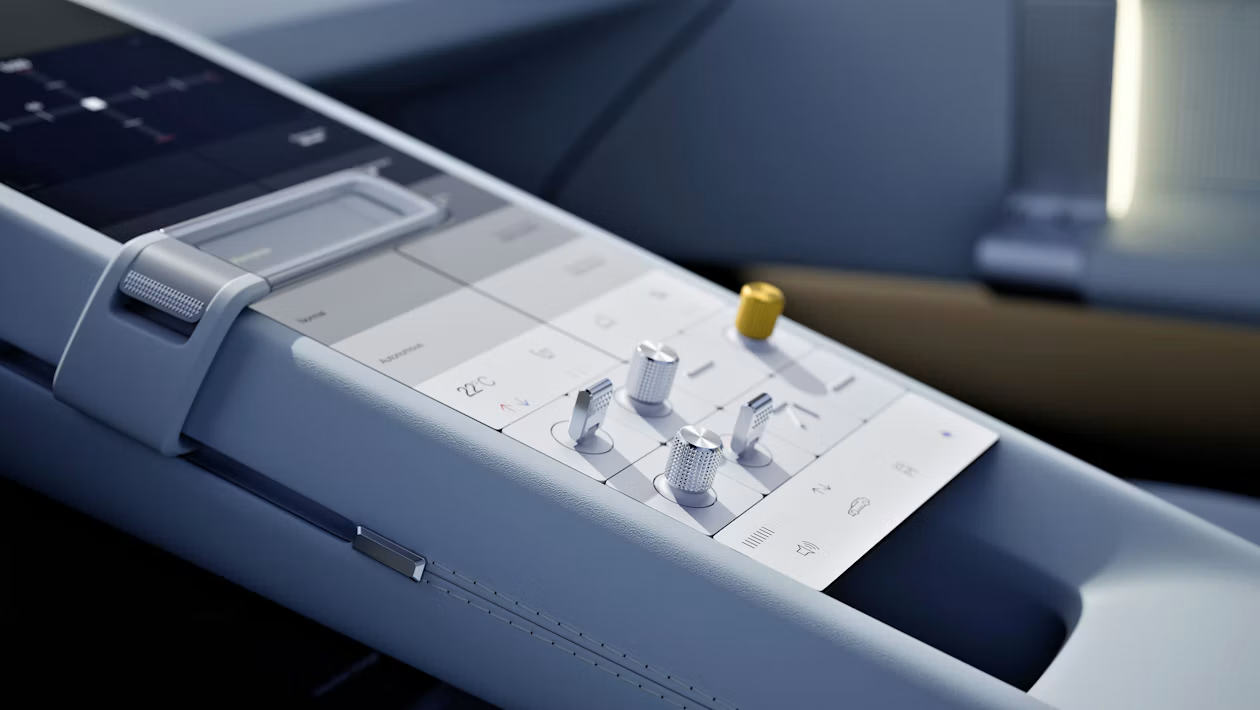
Polestar has offered a glimpse of its future with the unveiling of the Formula 2030 Concept, but the electric shooting brake’s stunning good looks might just be overshadowed by what it features on the control panel: purely physical switchgear that’s fully customisable.
The striking creation is the first complete project overseen by design boss Philipp Romers, who joined Polestar from Audi in 2025, and previews styling features destined for the brand’s upcoming production models.
7
However, despite its showroom-ready appearance, Polestar has no plans to manufacture the Formula 2030. Instead, the concept will influence future vehicles, including the next-generation Polestar 2, due in 2027, and the Polestar 7 compact SUV, scheduled for 2028.
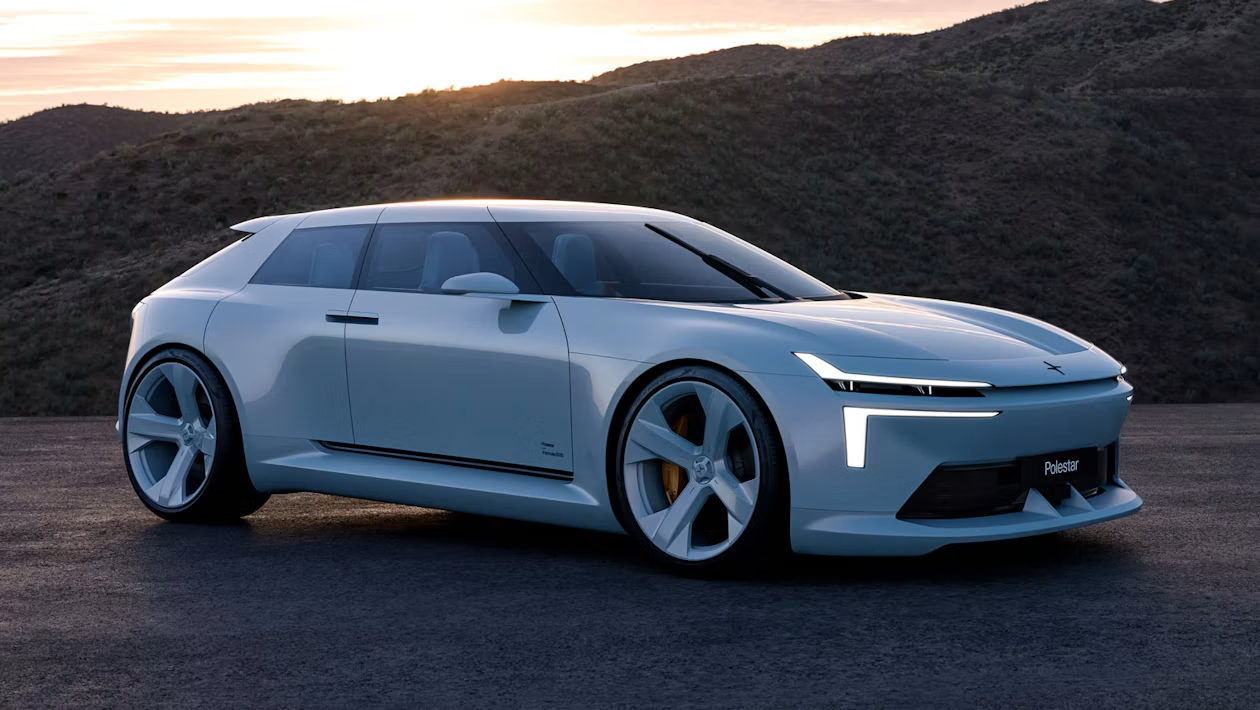
Measuring 4.6 metres long, two metres wide and just 1.35 metres tall, the Formula 2030 combines elements of a coupe, shooting brake and hatchback in what Polestar describes as a “practical, four-door sports car”.
Its low-slung body features a long bonnet, wraparound glass and enormous 22-inch four-spoke alloy wheels finished in the same ‘Nitrogen’ white paint as the bodywork. Up front, an evolution of Polestar’s distinctive ‘Dual Blade’ headlights provides a preview of the next Polestar 2’s appearance, while an aerodynamic wing incorporated into the bonnet’s leading edge is another feature expected to reach production.
At the rear, Polestar has abandoned its familiar full-width light bar in favour of two slim lighting elements, complemented by a roof spoiler and substantial diffuser. The concept also features a single vertical windscreen wiper and a retractable LiDAR sensor that emerges when its autonomous driving system is activated.
7
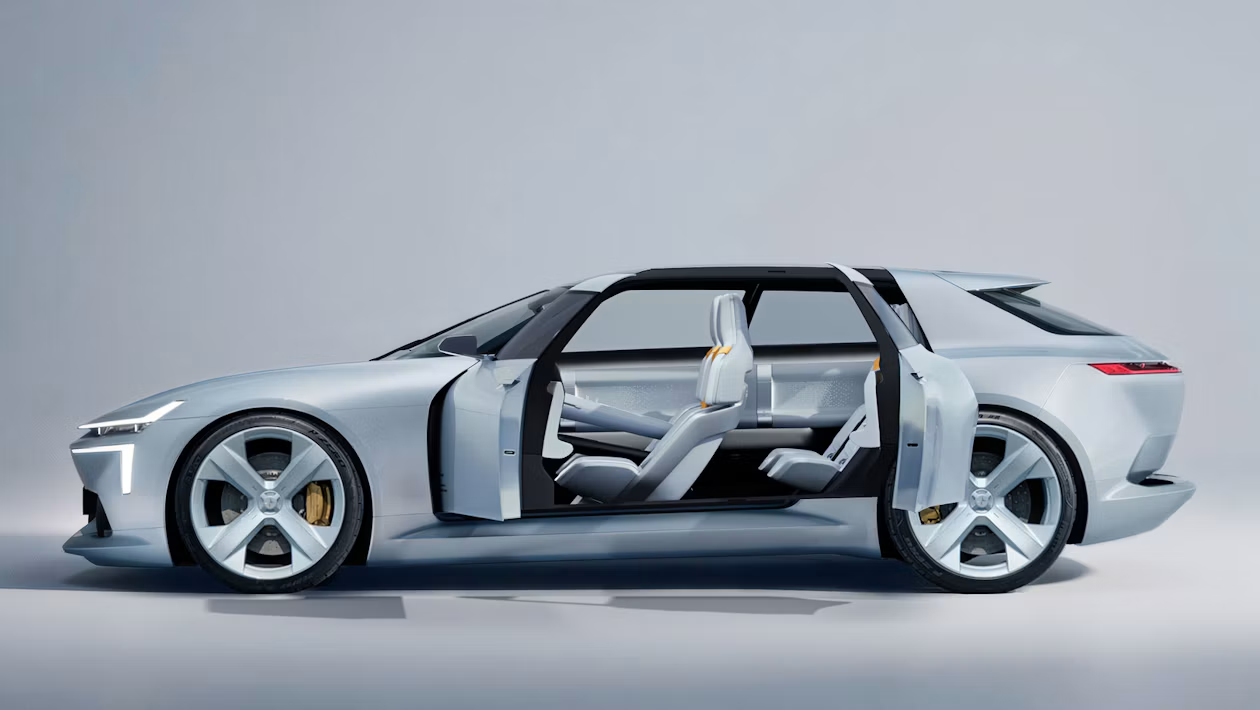
But great as the exterior is, for many car nuts, the real highlight could well be found in the interior. The Formula 2030 features pillarless doors, with rear-hinged back doors providing access to a minimalist cabin that blends digital technology with (gasp!) physical controls.
A curved instrument display sits behind the steering wheel, while a 12.2-inch central touchscreen can move between upright and horizontal positions. Below the screen is a sliding drive-mode selector and a panel containing eight interchangeable physical controls, allowing drivers to customise the arrangement of switches and rotary dials.
It’s the sort of thing WhichCar by Wheels – and plenty of petrolheads – have been clamouring for as physical switches and buttons keep going the way of the dodo thanks to the overuse of screens in new models.
6
Swedish Gold accents appear throughout the Polestar, including on the seatbelts, Brembo brake calipers and adjustable Öhlins suspension components. Sustainability also plays a prominent role, with low-emission steel and bio-based seatback materials incorporating European-grown flax.
Polestar hasn’t revealed the concept’s electric motors, power output or battery specifications, although engineers say its wheelbase could accommodate the 100kWh battery used in the Polestar 4. For comparison, the production SUV offers a maximum claimed driving range of approximately 629km, suggesting the more aerodynamic Formula 2030 could potentially travel further on a charge.
While the concept won’t reach showrooms, its influence should become apparent when Polestar begins introducing its next generation of electric vehicles. And with the brand planning to expand its model range significantly before 2030, the Formula 2030 offers what’s hopefully a pretty accurate preview of how its future cars could look and feel.
Follow WhichCar/Wheels on Google
Click the button below to make WhichCar by Wheels a preferred source for your news.


We recommend
-
 Reviews
2021 Volvo XC40 Recharge Pure Electric review
Volvo’s striking and award-winning XC40 now has a fully electric version. It may not be cheap but it’s fast and it delivers what the punters want – a compact SUV
-
 News
Polestar banned from US market due to Chinese ownership
US regulators have pushed Polestar out of the market, as the brand doubles down on its European focus.
