News
Gallery 1
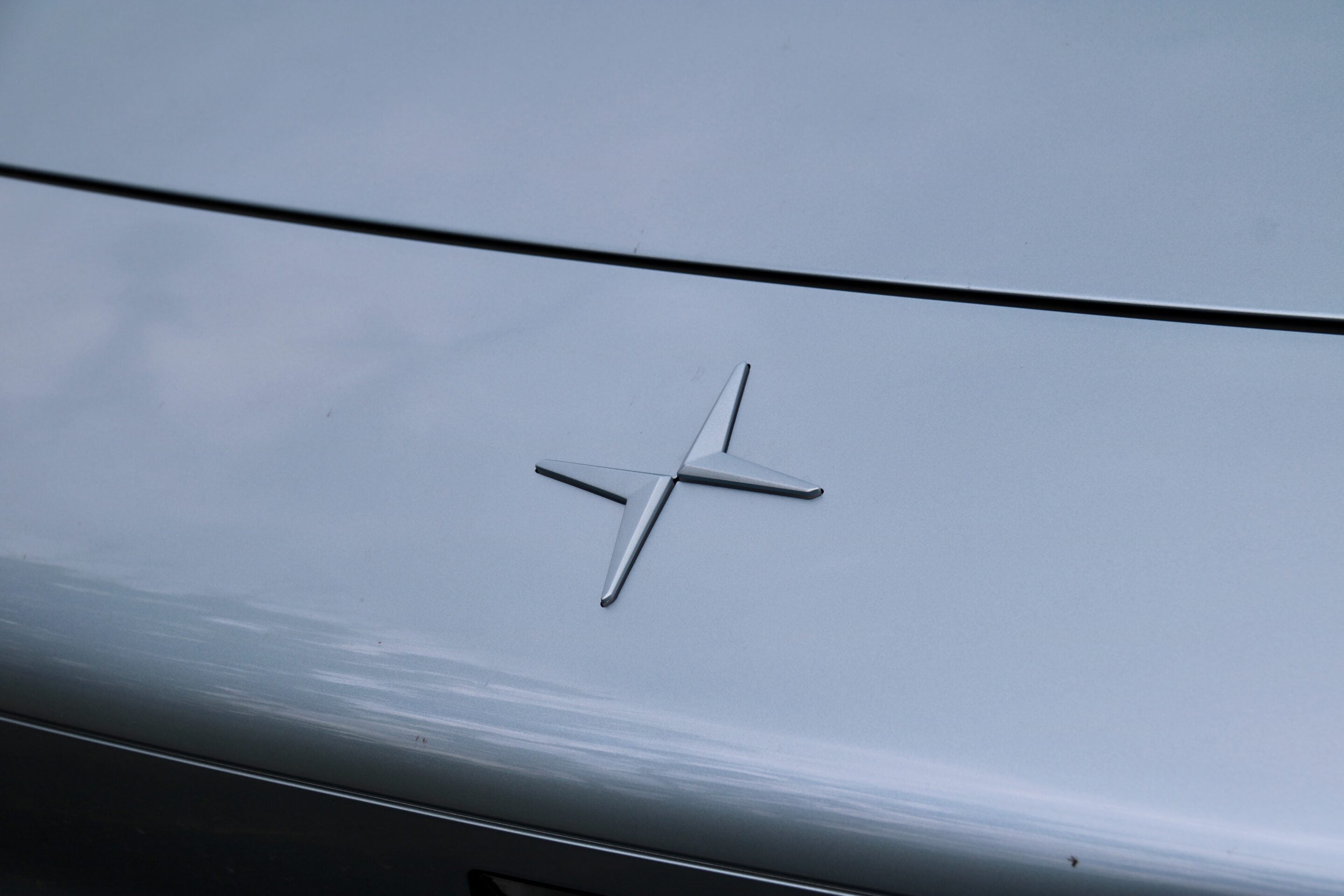
Polestar has officially announced that it will withdraw from the US market and shift its focus to Europe going forward.
The exit comes as a result of the US Connected Vehicle Rule, a security mandate from the US government’s Department of Commerce’s Bureau of Industry and Security, which bans the import and sale of connected vehicle hardware or software from Chinese or Russian sources.
In an official statement, Polestar disclosed that 80 per cent of its sales volume came from European sales, and that only around 6 per cent of its volumes were from retail sales in the USA.
1
The company committed to continuing and expanding its European presence.
A statement released by the brand said the move to exit the US market “follows a decision from the U.S. Department of Commerce’s Bureau of Industry and Security to not grant Polestar an authorization under the current Connected Vehicle Rule to sell vehicles in the U.S. from model year 2027 onwards.”
Polestar is majority-owned by Chinese automaker Geely, which also operates other non-Chinese brands, including Volvo, Lotus, Proton, and Smart – the latter in a 50:50 venture with Mercedes-Benz.
In May this year, Volvo announced that it had been granted approval by the US government to continue selling vehicles in the United States. Under current distribution, Volvo imports its US-market vehicles from Europe or assembles them in the US, with plans to expand American production.
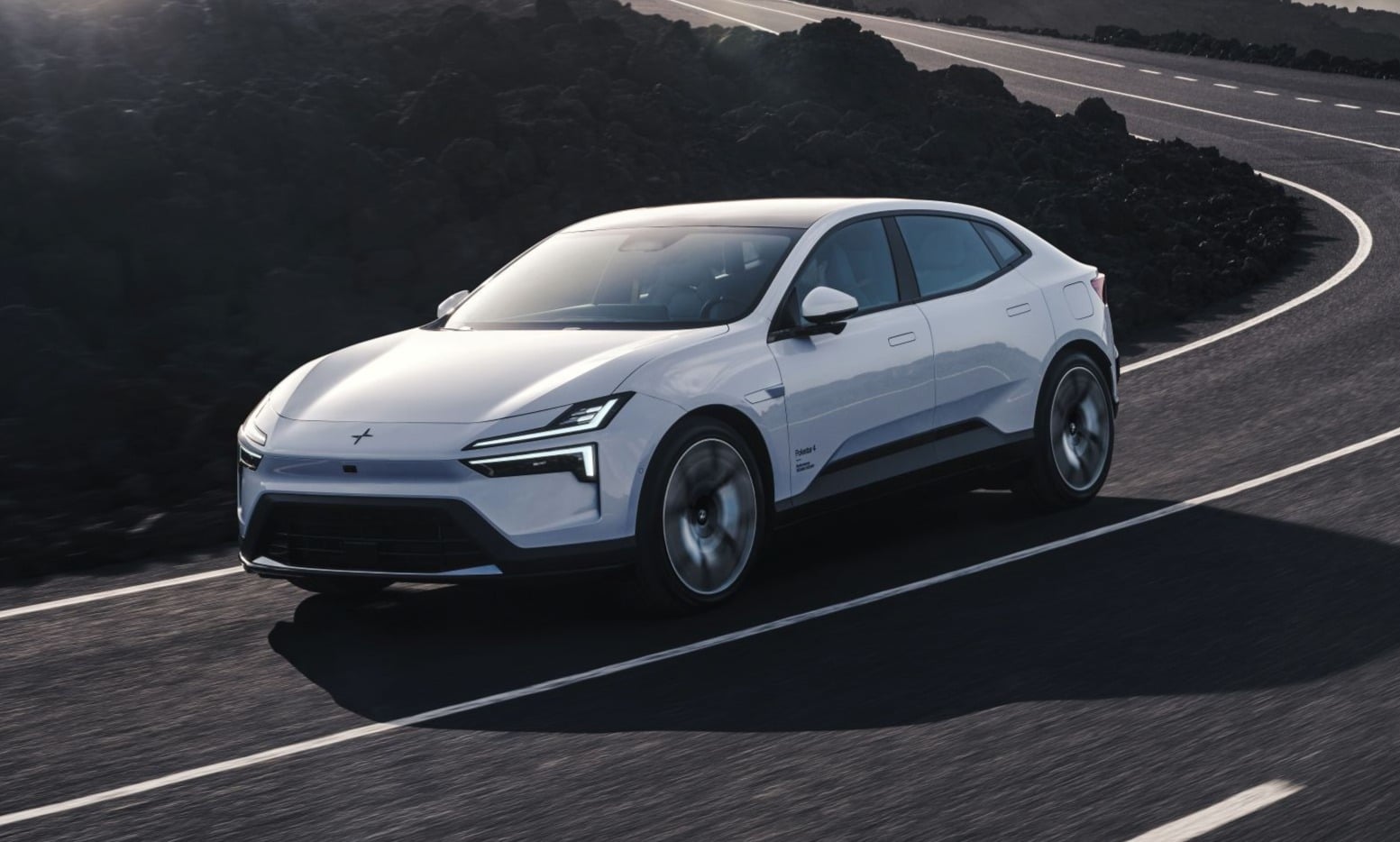
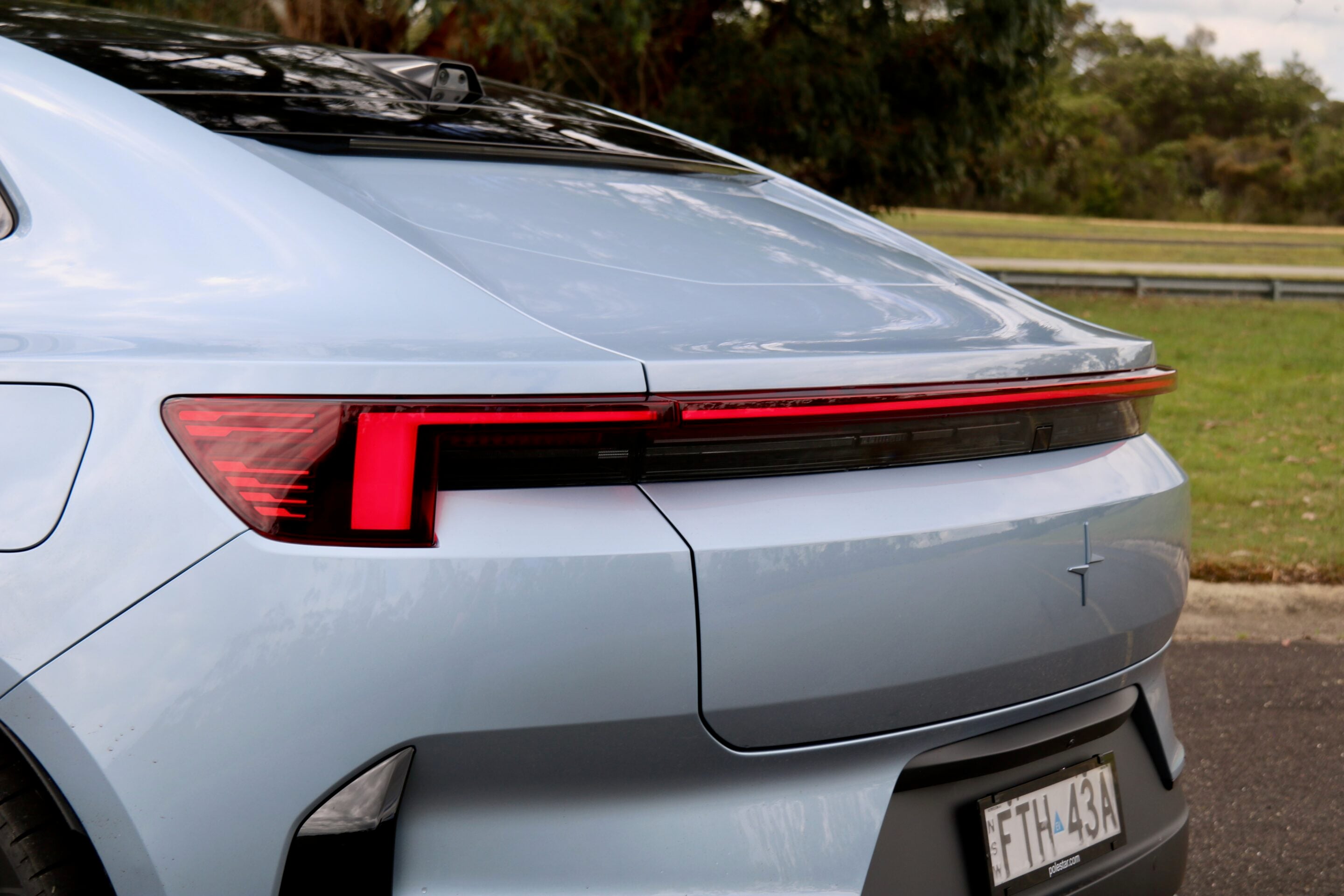
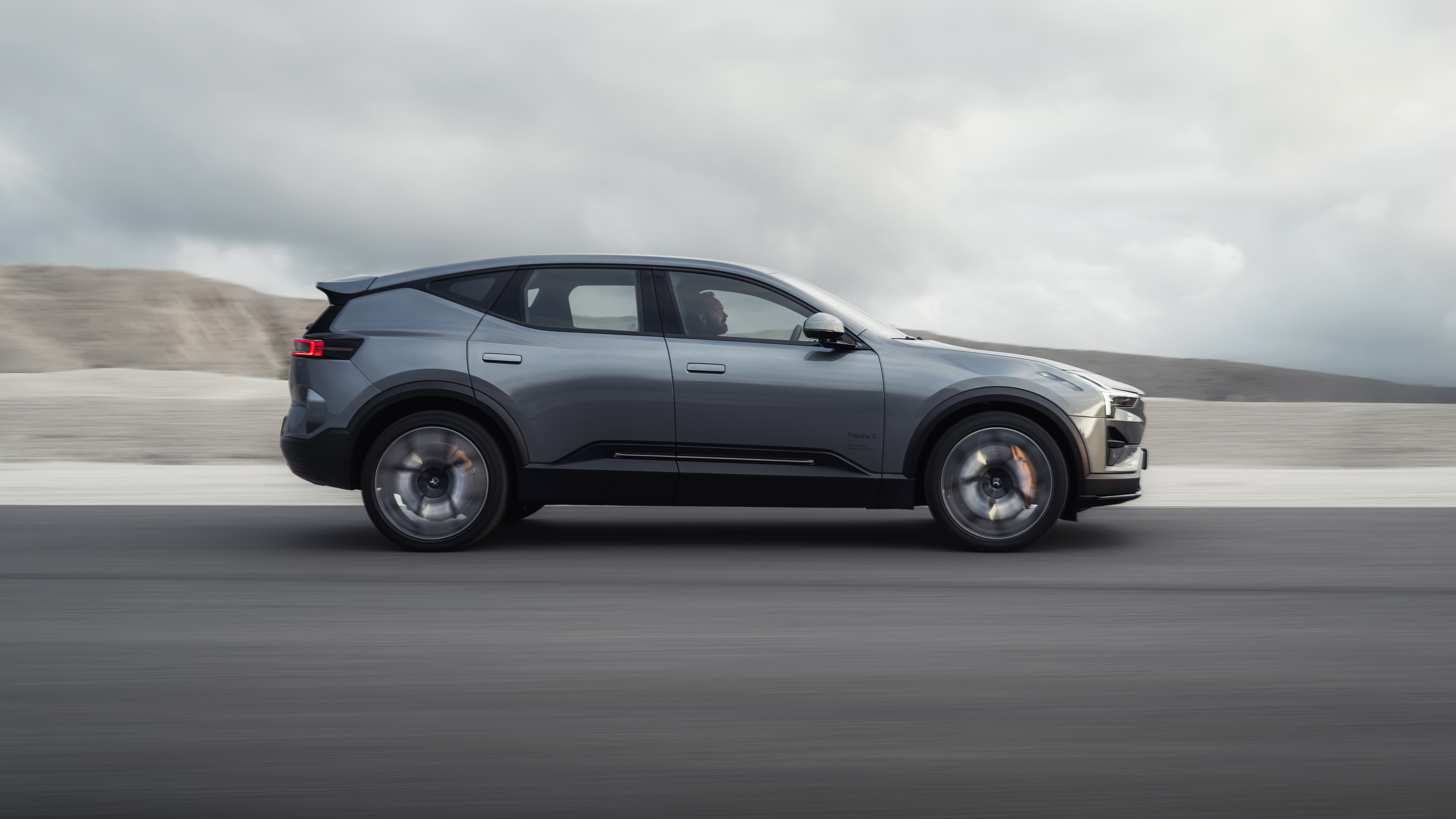
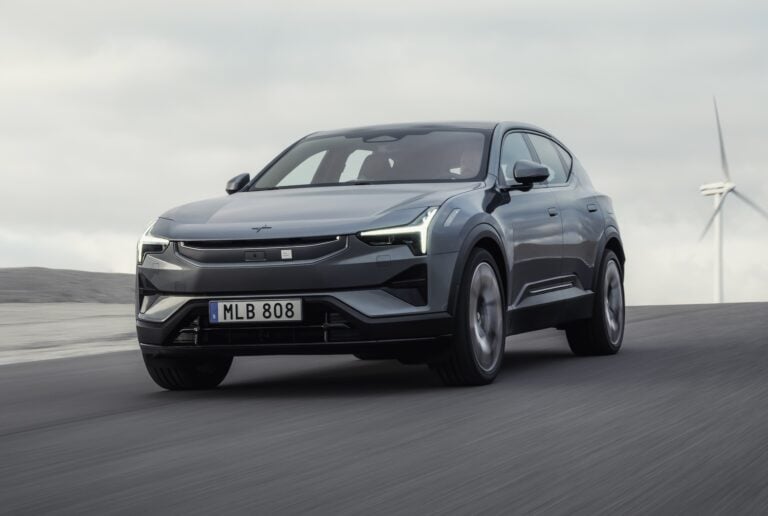
Polestar currently assembles the Polestar 3 SUV in the US, and imports the Polestar 4 from South Korea.
Polestar’s withdrawal comes just months after the company announced a brand revival in February that would have included as many as five new-generation or all-new models for the US over the next four to five years.
Unlike the Australian market, Chinese automakers have been largely held back from entering the US via tariffs and regulatory frameworks. This declaration that a brand has been forced to exit the market comes as the first of its kind and reinforces the US government’s efforts to keep Chinese automakers at bay.
In May this year, suggestions circulated that Mercedes-Benz could be impacted in the US by a different US Bill, the Motor Vehicle Modernization Act of 2026, which seeks to prevent ownership by ‘foreign adversaries’. Both the state-owned BAIC Group, and Geely founder Li Shufu own stakes in the German automaker of almost 10 per cent.
1
That bill has yet to be passed, and the outcome of it for brands is yet to be determined.
Polestar’s remaining stock of Polestar 3 and Polestar 4 models in the US will remain on sale in the US until exhausted.
Locally, Polesatr has sold 948 vehicles in Australia as of the end of May 2026, up 13.7 per cent and ahead of brands such as Deepal, Genesis, Leapmotor and Peugeot.
Polestar has officially announced that it will withdraw from the US market and shift its focus to Europe going forward.
The exit comes as a result of the US Connected Vehicle Rule, a security mandate from the US government’s Department of Commerce’s Bureau of Industry and Security, which bans the import and sale of connected vehicle hardware or software from Chinese or Russian sources.
In an official statement, Polestar disclosed that 80 per cent of its sales volume came from European sales, and that only around 6 per cent of its volumes were from retail sales in the USA.
The company committed to continuing and expanding its European presence.
A statement released by the brand said the move to exit the US market “follows a decision from the U.S. Department of Commerce’s Bureau of Industry and Security to not grant Polestar an authorization under the current Connected Vehicle Rule to sell vehicles in the U.S. from model year 2027 onwards.”
Polestar is majority-owned by Chinese automaker Geely, which also operates other non-Chinese brands, including Volvo, Lotus, Proton, and Smart – the latter in a 50:50 venture with Mercedes-Benz.
In May this year, Volvo announced that it had been granted approval by the US government to continue selling vehicles in the United States. Under current distribution, Volvo imports its US-market vehicles from Europe or assembles them in the US, with plans to expand American production.
Polestar currently assembles the Polestar 3 SUV in the US, and imports the Polestar 4 from South Korea.
1
Polestar’s withdrawal comes just months after the company announced a brand revival in February that would have included as many as five new-generation or all-new models for the US over the next four to five years.
Unlike the Australian market, Chinese automakers have been largely held back from entering the US via tariffs and regulatory frameworks. This declaration that a brand has been forced to exit the market comes as the first of its kind and reinforces the US government’s efforts to keep Chinese automakers at bay.
In May this year, suggestions circulated that Mercedes-Benz could be impacted in the US by a different US Bill, the Motor Vehicle Modernization Act of 2026, which seeks to prevent ownership by ‘foreign adversaries’. Both the state-owned BAIC Group, and Geely founder Li Shufu own stakes in the German automaker of almost 10 per cent.
That bill has yet to be passed, and the outcome of it for brands is yet to be determined.
Polestar’s remaining stock of Polestar 3 and Polestar 4 models in the US will remain on sale in the US until exhausted.
Following the US announcement, Scott Maynard, the managing director of Polestar Australia released a statement saying, “Polestar Australia will continue to operate as normal; the overnight decision to cease sales of MY27 vehicles in the US will have no impact on the local market here. With 94% of Polestar’s global sales originating outside of the US, this decision affirms Polestar’s commitments to those other key markets, such as Australia.
“Over the next 18–24 months, we’ll introduce a dynamic range of new models to the Australian market, and we’re excited to deliver these eagerly awaited vehicles to drivers across the country.”
Locally, Polestar has sold 948 vehicles in Australia as of the end of May 2026, up 13.7 per cent and ahead of brands such as Deepal, Genesis, Leapmotor and Peugeot.
Follow WhichCar/Wheels on Google
Click the button below to make WhichCar by Wheels a preferred source for your news.

We recommend
-
 News
NewsEV sales double in April 2026 with Tesla Model Y leading the way
Strong growth from Tesla and Polestar signals rising demand, with insurance data also pointing to a surge in EV interest.
-
 News
NewsPolestar 3: Updated model with new 800V platform priced for Australia
An upgraded 800V platform, new computer processor and more standard equipment are features of the updated Polestar 3 due to arrive mid-year.
-
 Reviews
Polestar 4 review: Mid-sized electric SUV boasts handsome Swedish design and one big surprise
The Polestar 4 blends SUV practicality, a limo-like rear seat, sedan-like dynamics and a luxurious cabin. Oh, and no rear window...