News

Gallery 1
EV owners in Queensland are being prevented from using their cars to reduce household electricity bills because of a little-known restriction governing how much inverter capacity can be connected to the electricity network.
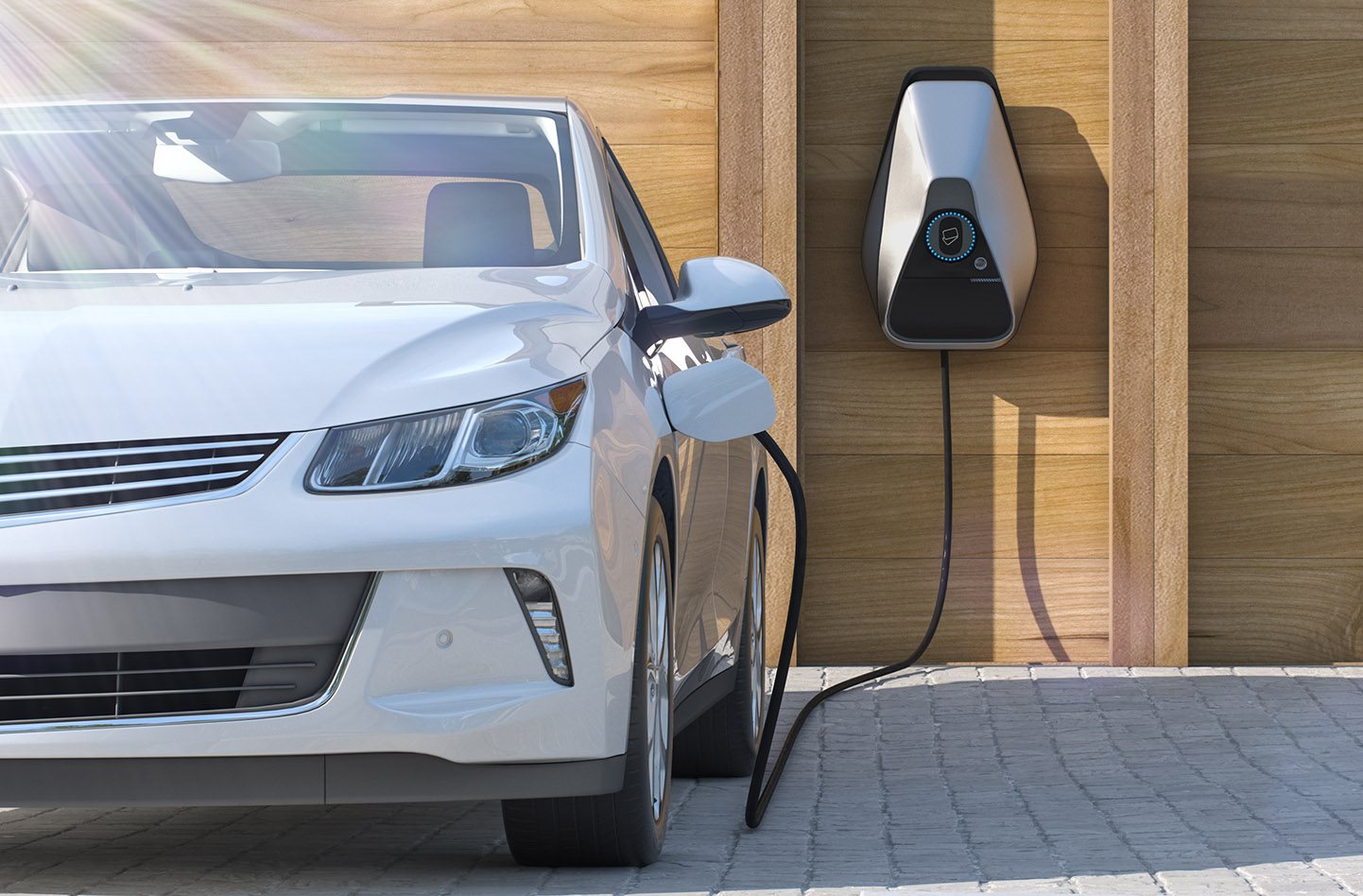
The issue centres on vehicle-to-grid (V2G) technology, which allows compatible electric cars to send electricity stored in their batteries back into the electricity grid. It means owners could charge their vehicles using cheaper off-peak electricity or rooftop solar during the day, before using that stored energy to power their homes during more expensive peak periods, saving them money.
However, Queensland’s electricity network connection rules are making that difficult for some households. Under current requirements, homes with a single-phase electricity connection are limited to 10 kilovolt-amperes (kVA) of inverter capacity.
3
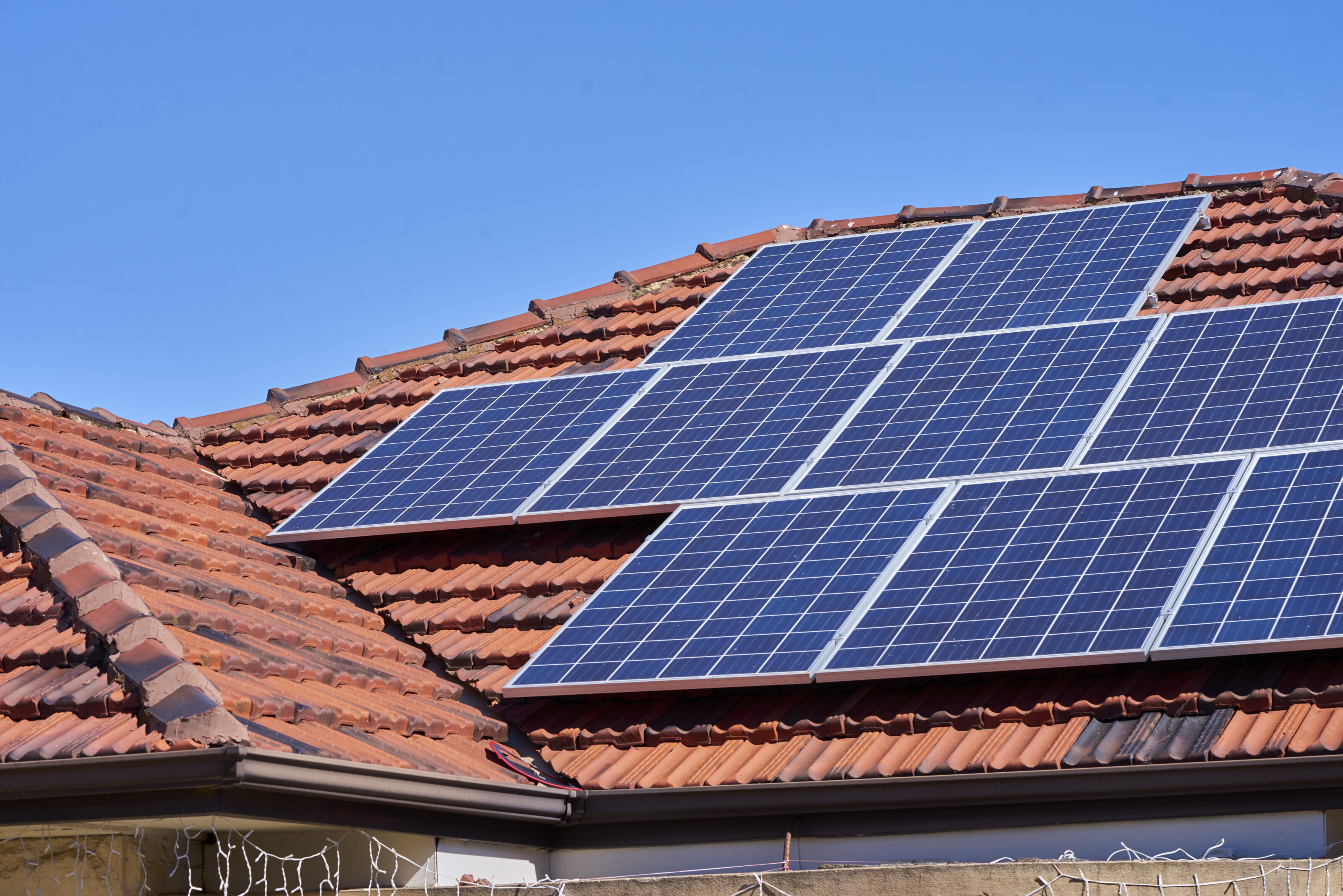
This creates a problem for households that already have a 10kVA hybrid inverter connected to their rooftop solar panels and home battery because a bidirectional EV charger also incorporates an inverter and adding one can increase the property’s total installed inverter capacity.
The restriction doesn’t prevent owners from charging their electric vehicles using rooftop solar, rather, it can stop them from installing the additional equipment needed to send electricity from their vehicles back into their homes or the grid.
The Australian Electric Vehicle Association (AEVA) has raised concerns about Queensland’s approach, suggesting that existing export limits and dynamic connection technology could manage the amount of electricity flowing into the network without preventing households from installing V2G equipment.
V2G technology has begun gaining momentum in Australia, thanks to initiatives including a $16.8 million Australian Renewable Energy Agency-backed trial involving up to 1000 bidirectional chargers. For now, Queensland EV owners considering V2G technology will need to check their existing inverter capacity and obtain network approval before installing a compatible charger.
Follow WhichCar/Wheels on Google
Click the button below to make WhichCar by Wheels a preferred source for your news.