
News

Gallery 1
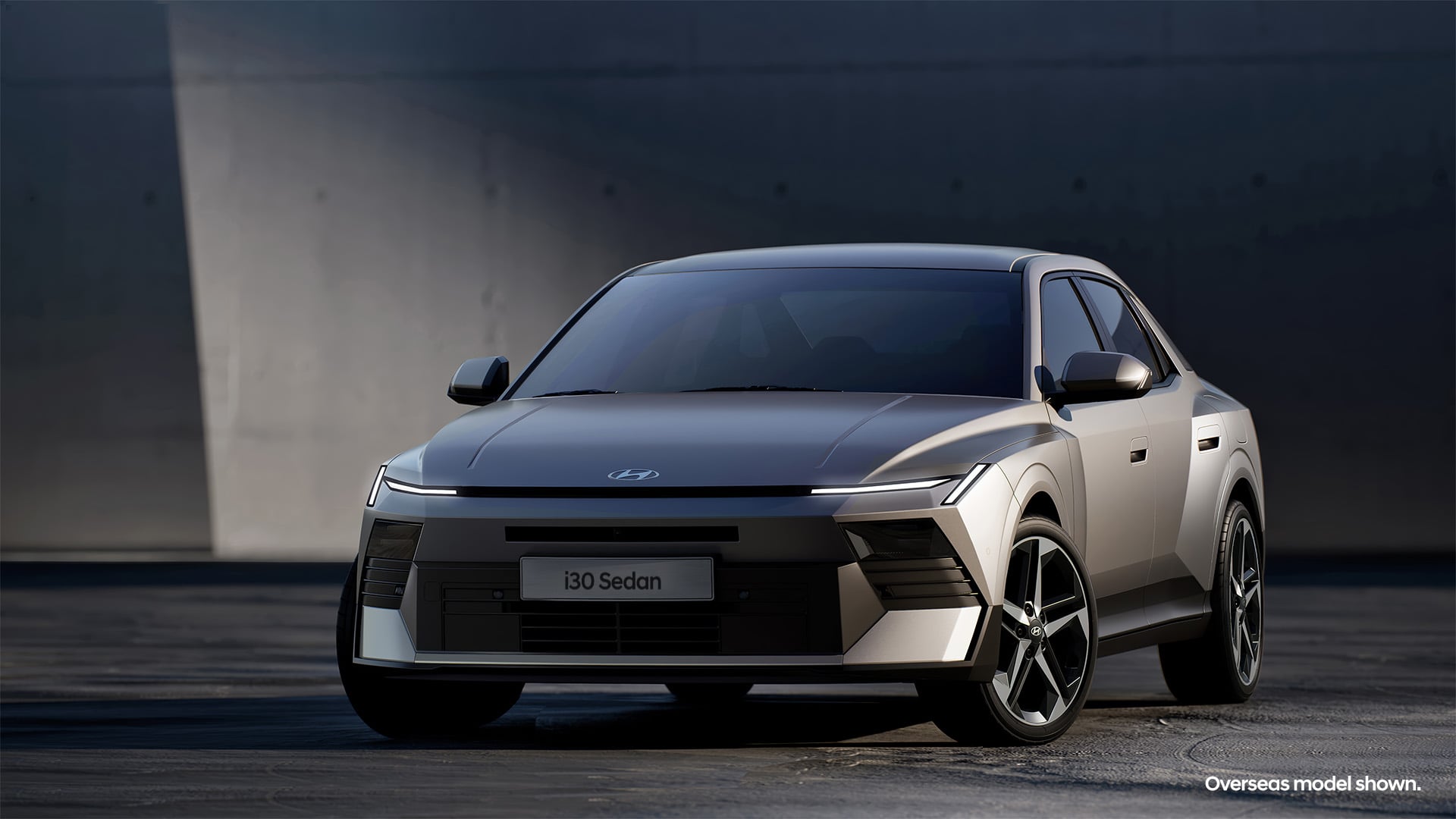
The covers have come off the eighth-generation Hyundai i30 at the Los Angeles Auto Show, but unlike other markets, Australia won’t get petrol-only versions of the brand-spanking sedan, which features the brand’s striking ‘Art of Steel’ design, a jump up in size and physical buttons.
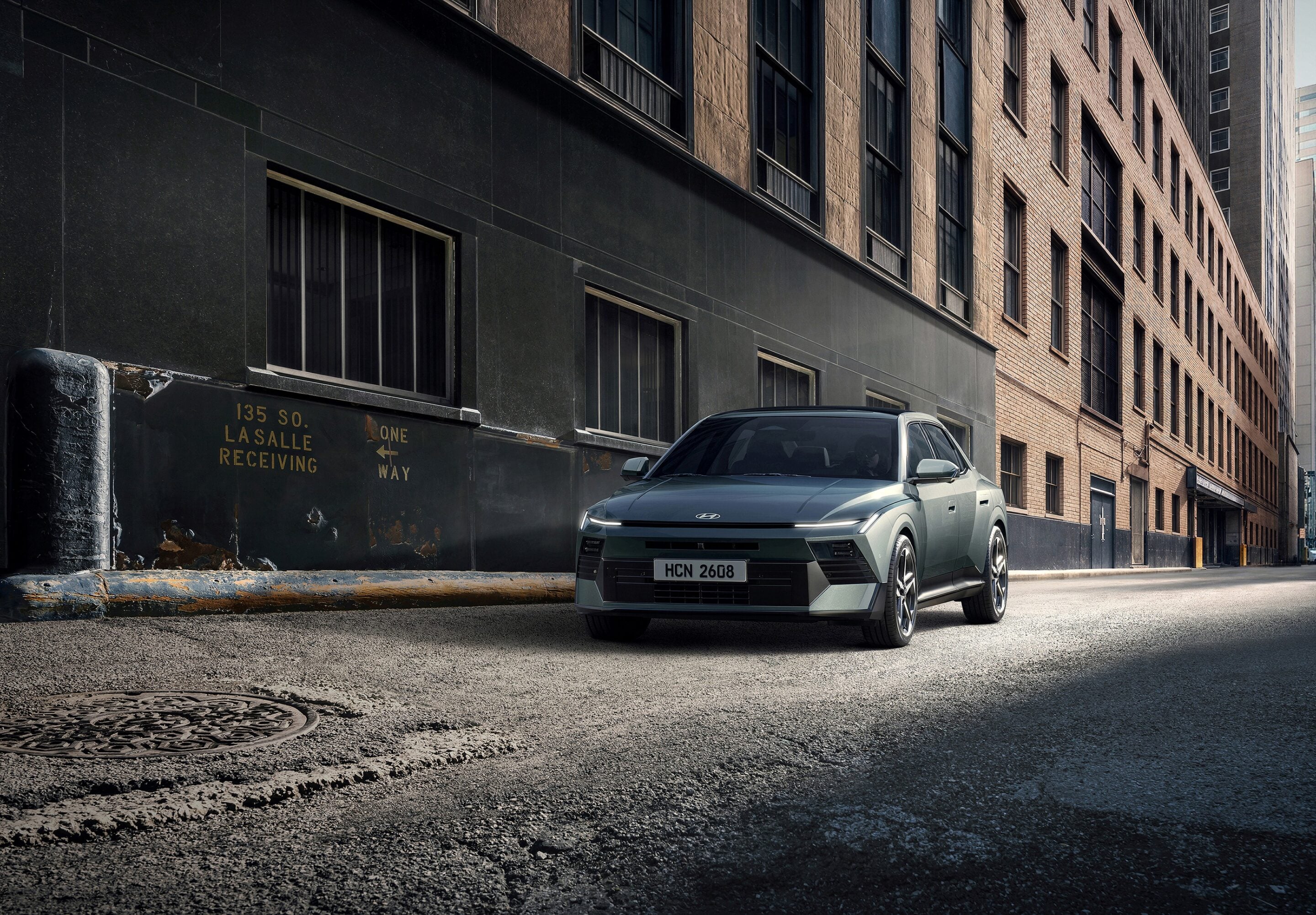
Due in local showrooms in the middle of next year, the latest model has a dramatic new look that gives it a tougher stance. Hyundai’s blurb for the i30 uses the word “sport” several times and it fits, with touches like the huge flares on the wheel arches, integrated rear spoiler, wafer-thin headlights and flush door handles giving it an athletic vibe.
7
It’s a look reminiscent of the upcoming Tucson, and the i30 has also grown up: it’s 10mm taller, 30mm wider and has added 30mm to its wheelbase compared to the current model, with the new dimensions coming in at 1855mm wide, 4795mm long and 1425mm tall with a wheelbase of 2750mm.
Hyundai says that allows for 993mm of rear legroom, and 958mm of rear headroom – improvements of 29mm and 18mm respectively over today’s sedan. Boot space comes in at 467 litres, which is a little down on its predecessor.
While overseas markets will get a 2.0-litre petrol set-up, we’re locked in for a hybrid drivetrain featuring a combination of an updated version of the current 1.6-litre four-cylinder engine and e-motor. Combined, they will send 115kW to the road through a six-speed electrified dual-clutch transmission, as opposed to the continuously variable unit on the petrol-only variants.
Hyundai hasn’t released efficiency figures for the hybrid as it’s currently undergoing the certification process, but it does feature the brand’s Smart Regeneration System 3.0. Hybrids also get the Hierarchical Predictive Control System, which anticipates driving patterns and road conditions to improve the way battery charge is managed.
6
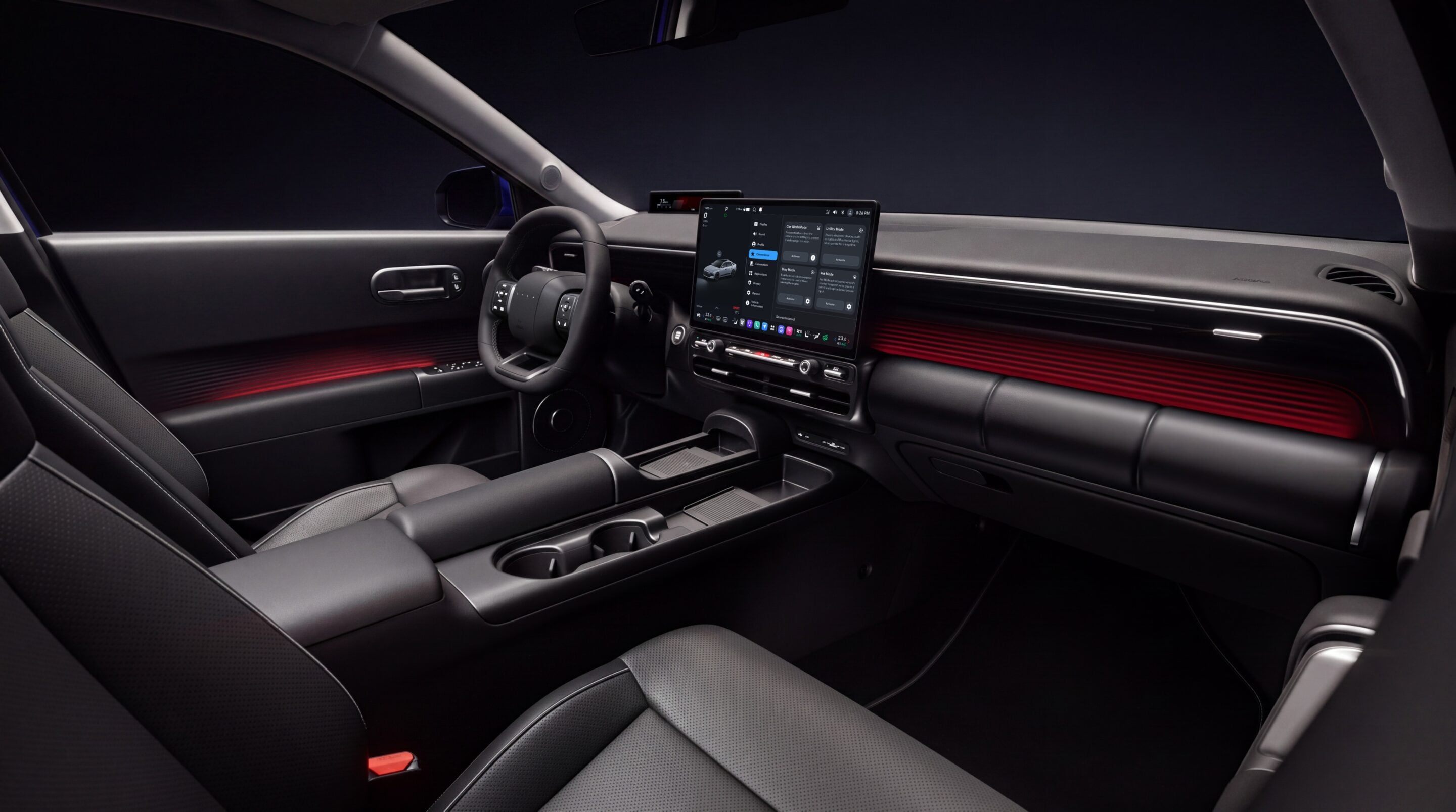
The big changes to the exterior are mirrored inside the cabin, which features a screen of either 12.9 or 14.6 inches – the latter available in select markets – but also physical buttons for essential controls, found on the wheel, below the screen and on the doors, with rotary knobs for aircon and the volume on the Bang & Olufson stereo.
Hyundai calls it a “human-centred” approach that balances “a modern digital experience with the intuitive, safe operation that drivers expect”. We call it a great decision.
Available in six colour combinations, the cabin also packs dual wireless chargers, 100W ultra-fast charging USB ports and the brand’s ‘Stay’ mode, which keeps the aircon, audio and lighting going when the i30 is parked.
The Pleos system allows for over-the-air updates, while the Gleo AI is claimed to understand “natural conversation” so drivers can use voice commands for functions instead of fiddling about with menus – a hurdle many other new cars have failed to clear.
Safety systems include the usual alphabet of driver assist functions, including safe exit warning, forward collision avoidance assist and blind spot assist. An in-cabin monitoring unit features anti-fatigue measures like steering wheel grip detection and driver state monitoring.
The North American market, where the i30 is sold as the Elantra, will be able to snap up the new sedan from early next year. Aussies will have to wait a little longer, and Hyundai will release more details closer to its local launch.
Follow WhichCar/Wheels on Google
Click the button below to make WhichCar by Wheels a preferred source for your news.

We recommend
-
 News
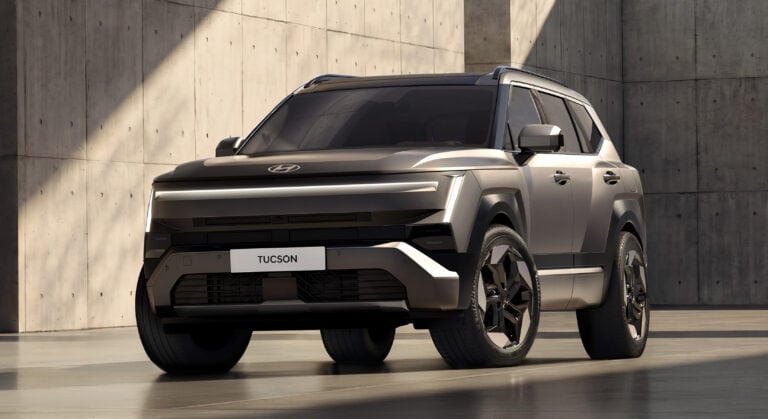
Hyundai unveils specs and local timing for the next-gen Tucson SUV – but Aussies will miss out on the most rugged off-road variant and plenty more
The all-new Tucson SUV is coming down under in hybrid form only.
-
 News
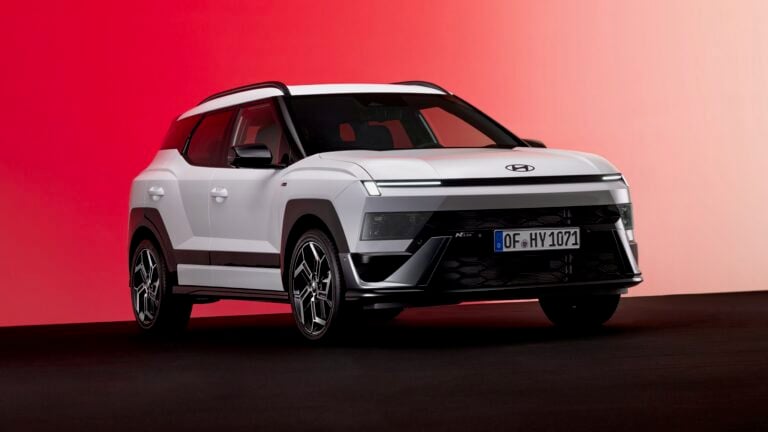
New Hyundai Bayon small SUV is revealed with hybrid power and complete design overhaul
Hyundai's smallest European SUV has received a dramatic makeover, more technology and a new hybrid drivetrain to rival the Toyota Yaris Cross.
