
News

Gallery 1
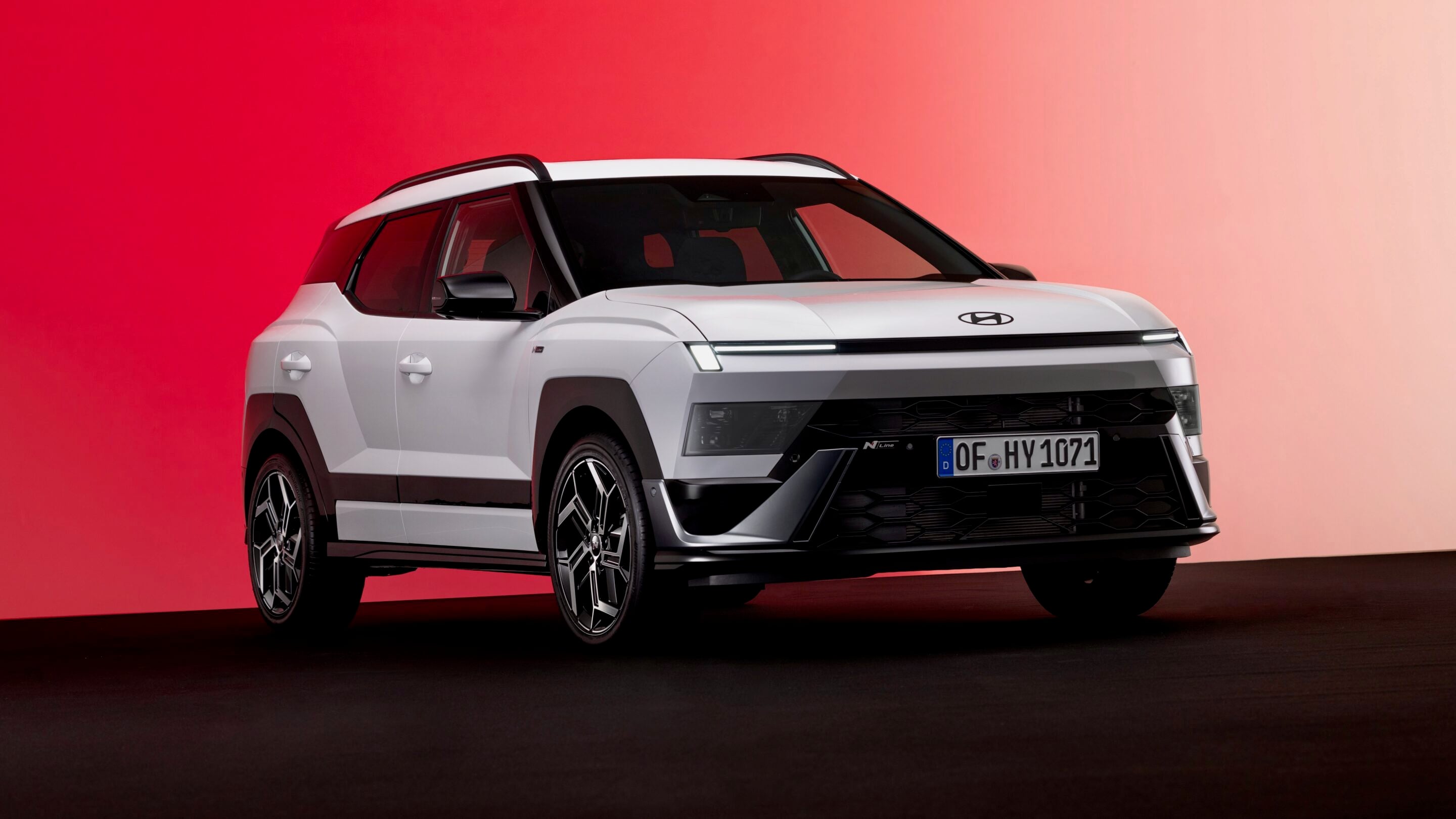
Hyundai has unveiled the second-generation Bayon small SUV at the 2026 Paris Motor Show with a completely new design, upgraded technology and a hybrid drivetrain for the first time. It all looks impressive, but unfortunately, Australia is likely to miss out on the model… again.
Originally launched in Europe in 2021, the Bayon sits below the Kona in Hyundai’s SUV lineup and shares its underpinnings with the i20 hatchback, which also recently received a new generation. While the original model was never offered in Australia, the new generation promises to be a much more competitive offering against rivals such as the Toyota Yaris Cross.
7
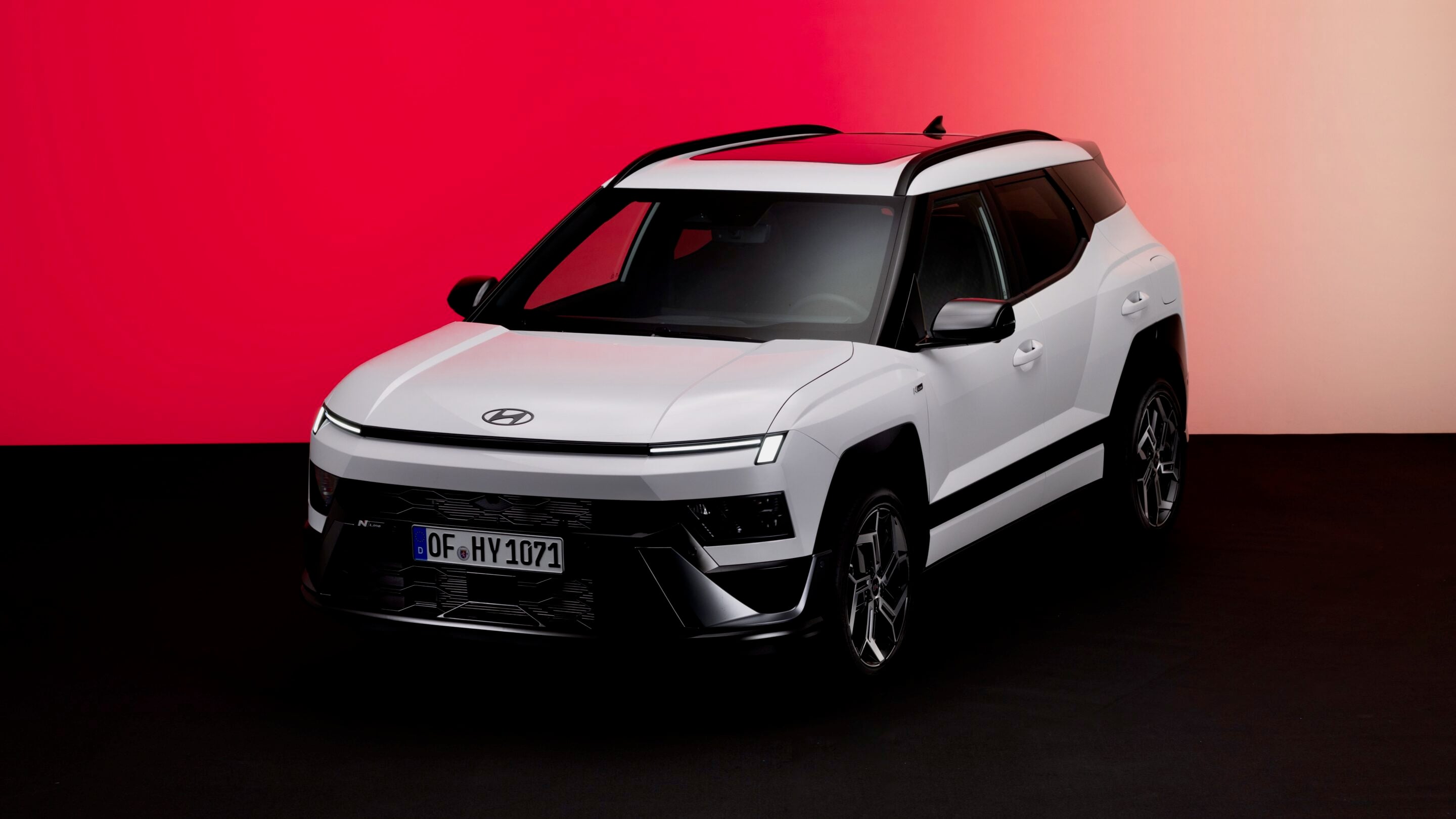
The biggest change is its styling, with the previous Bayon’s somewhat rounded appearance replaced by a boxier, more upright design inspired by Hyundai’s latest Tucson medium SUV. There are sharper body lines, pronounced wheel arches, black exterior cladding and sharp LED lighting at both ends. A sportier N Line – the model photographed here – will also be available, adding unique bumpers, 18-inch alloy wheels, a black roof and twin exhaust outlets.
Under the bonnet, the Bayon will initially be offered with a choice of 1.0-litre turbocharged three-cylinder petrol engines producing 66kW or 85kW, paired with either a six-speed manual or seven-speed dual-clutch automatic transmission. However, the biggest mechanical addition will arrive in 2027, when Hyundai introduces a new 1.6-litre petrol-electric hybrid producing a combined 101kW of power.
Paired with a six-speed dual-clutch automatic transmission, the hybrid will also feature adjustable regenerative braking controlled through steering wheel-mounted paddle shifters. Hyundai is targeting CO2 emissions as low as 102g/km, though final fuel consumption figures are yet to be confirmed.
The new Bayon has also grown in size, measuring 4245mm long, 1810mm wide and up to 1570mm tall, with a 2600mm wheelbase, making it 140mm shorter in overall length than the Kona, though 205mm longer than the Venue that’s sold instead of the Bayon in markets like South Korea, Australia and North America.
5
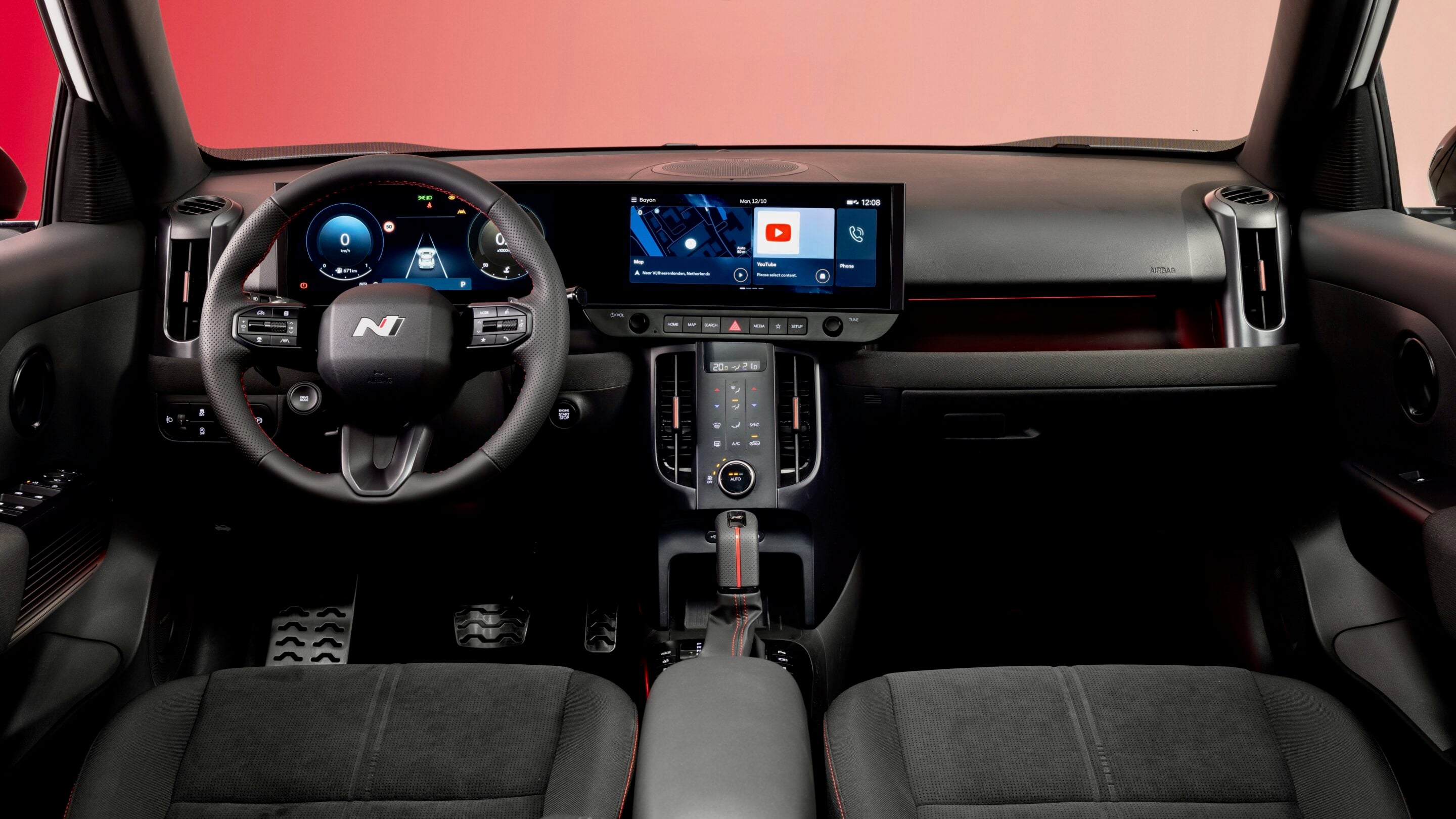
Inside, the cabin receives a substantial technology upgrade compared with the old-generation Bayon, with dual 12.3-inch displays, wireless Apple CarPlay and Android Auto, a Bose sound system and Hyundai’s Digital Key 2 functionality. Higher-specification models also offer heated and ventilated front seats, heated rear seats, a panoramic sunroof and reclining rear seats.
Production will take place at Hyundai’s factory in Turkey, with the new Bayon expected to reach European dealerships in 2027. The Turkish production means an Australian launch appears unlikely for the Bayon as it would likely end up costing more than the South Korean-built Venue and larger Kona. Still, it could at least provide a look into how future Venue and Kona models could evolve.
Follow WhichCar/Wheels on Google
Click the button below to make WhichCar by Wheels a preferred source for your news.

We recommend
-
 News
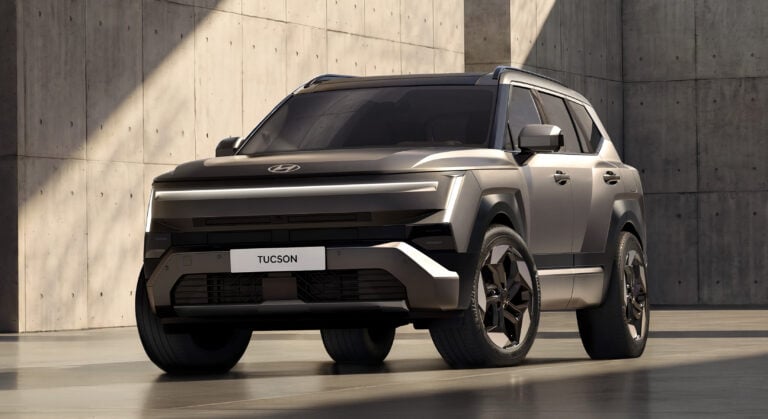
NewsHyundai unveils specs and local timing for the next-gen Tucson SUV – but Aussies will miss out on the most rugged off-road variant and plenty more
The all-new Tucson SUV is coming down under in hybrid form only.
-
 News
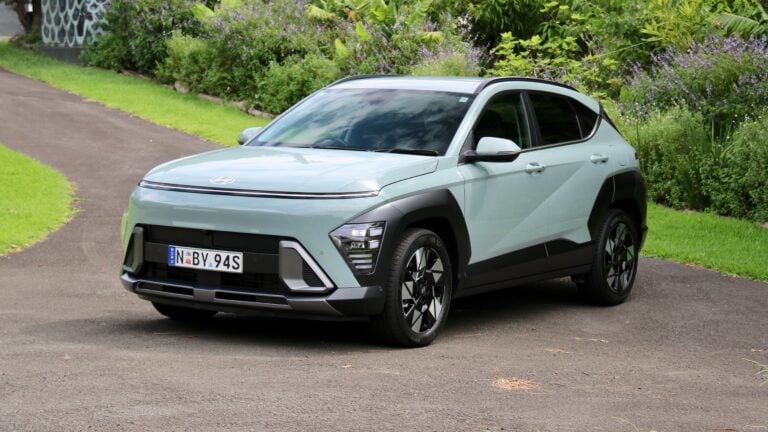
NewsHyundai recalls more than 14,000 of its Kona SUVs and warns owners not to use the centre seat
Examples made from 2025-2026 have been swept up in the Kona recall.
-
 News
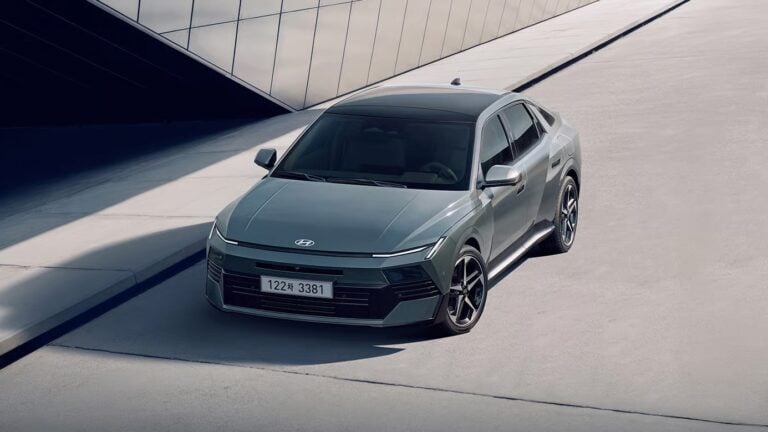
NewsHyundai confirms arrival of new i30 Sedan in 2027
The next-generation Hyundai i30 sedan has been locked in for Australia, with sales due to commence in the first half of 2027.
