
News

Gallery 1
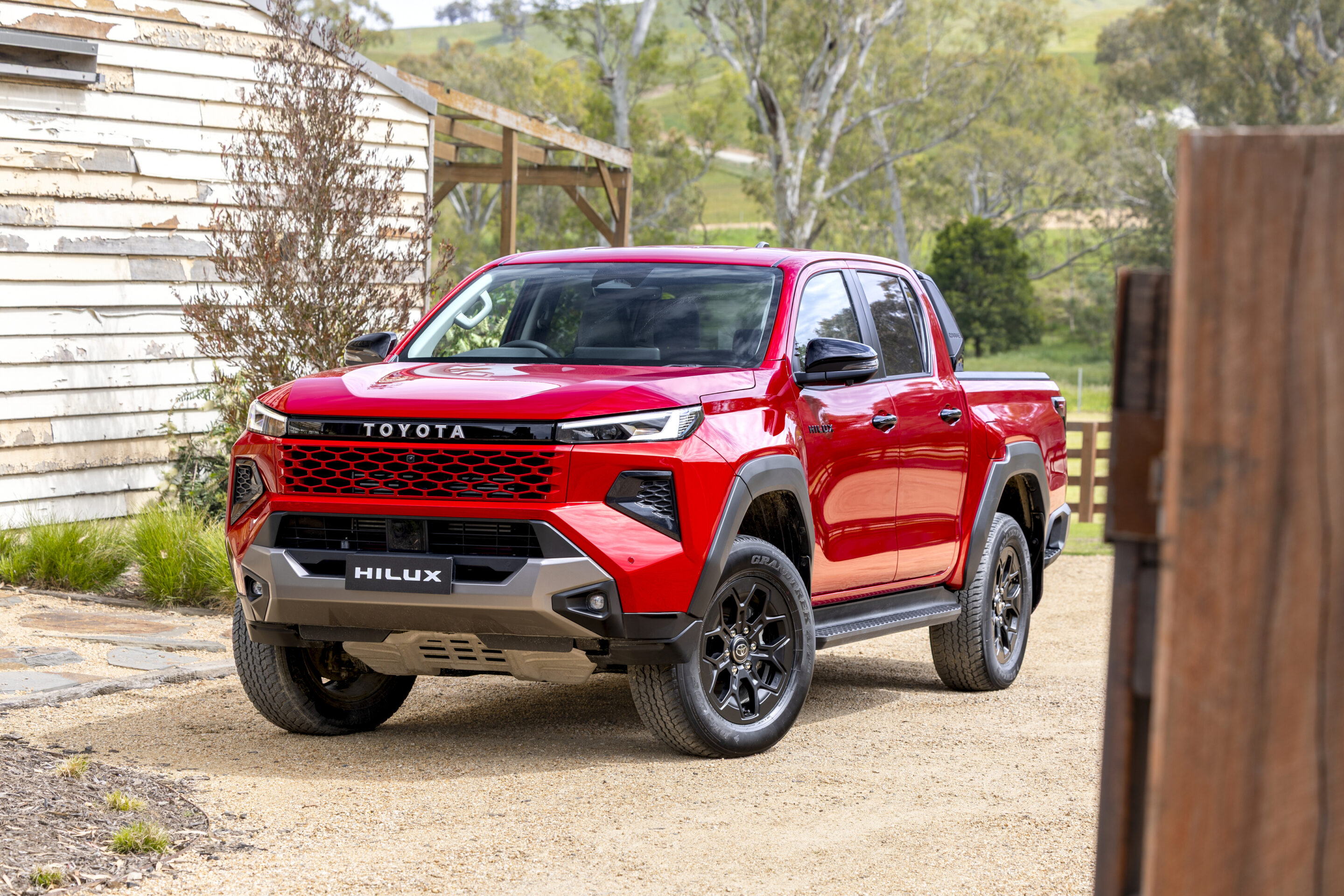
The three biggest carmakers in Japan are launching a standardisation drive to lower costs and the measures will begin with criteria for steel, plastics, resins and wiring harnesses, according to a new report.
Toyota vice chairman and head of the Japan Automobile Manufacturers Association (JAMA), Koji Sato, revealed the plan at a news conference in Tokyo last week, according to Automotive News.
7
First cabs off the rank for Toyota, Honda and Nissan are unifying their quality-control criteria for steel, developing consistent protocols for plastics and resins, and adopting a universal colour-coding scheme for wiring harnesses. The collaborations are due to begin next year.
Those measures were chosen because buyers are usually oblivious to the parts concerned, so they shouldn’t rob any of the brands of their individual identity. There are also large savings to be had as those facets of carmaking make up a significant amount of production costs.
In future, JAMA wants to extend the standardisation drive to more components right across the brands’ vehicles as the nation’s carmakers struggle in the face of stiff, low-priced competition from a raft of new brands, most of them Chinese.
4
“We all share this strong sense of crisis, creating a momentum for change. Based upon our sense of crisis, we have decided to choose these three areas,” Sato said.
Sato and Nissan CEO Ivan Espinosa were advocating for standardisation measures in July this year, with the former saying, “Now is exactly the time to further develop and evolve with the challenges and reform initiatives that the auto industry as a whole must face.”
At the time, the Toyota executive said standardisation of parts would allow Japanese brands to direct more of their research and development resources to emerging car tech such as advanced driver assistance, software interfaces and, increasingly importantly, reducing charging times for EVs.
4
“We are really talking about what we can do together, because we do see that other industries in other countries or other parts of the world are better organised than us. We will see a lot more collaboration among Japanese OEMs,” Espinosa said.
Follow WhichCar/Wheels on Google
Click the button below to make WhichCar by Wheels a preferred source for your news.

We recommend
-
 News
Former Toyota CEO urges Japanese rivals to team up to combat Chinese brands
The previous CEO of the world’s largest automaker want more behind-the-scenes collaborations to help the Japanese industry stay afloat.
-
 News
Mazda: ’Chinese built cars as good as Japanese’
The Japanese's brand's general manager in China said Mazdas built in China are as good as those manufactured in Japan.
