
News
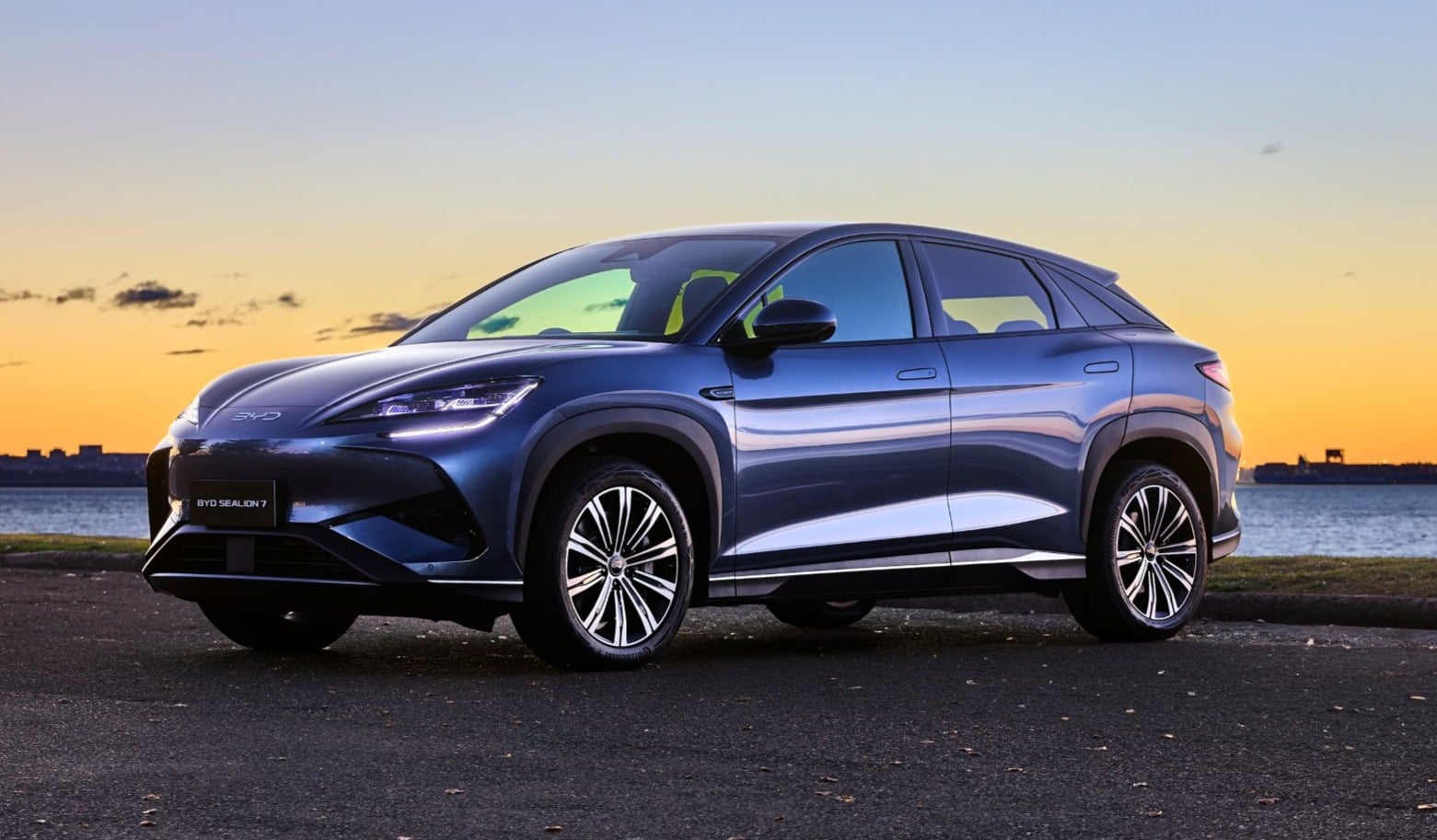
Gallery 1
Chinese car manufacturers have achieved a significant milestone in Europe, outselling their Japanese competitors across an entire quarter for the first time as their rapid international expansion continues.
According to figures from automotive market researcher Dataforce, Chinese brands accounted for 12.7 per cent of European new-car registrations during the July–September quarter of 2026, ahead of Japanese manufacturers, including Toyota, Nissan and Honda, on 11.9 per cent.
The result represents a dramatic shift in Europe’s automotive market. Just five years ago, Chinese manufacturers held approximately one per cent of sales, while Japanese brands had spent decades establishing themselves across the continent.

1
The pace of growth is accelerating. Chinese vehicle registrations approximately doubled compared with the corresponding quarter last year, with their market share reaching a record 14.5 per cent in September alone, almost three percentage points higher than in August.
Much of the increase has come from hybrid and plug-in hybrid vehicles, rather than exclusively from battery-electric models.
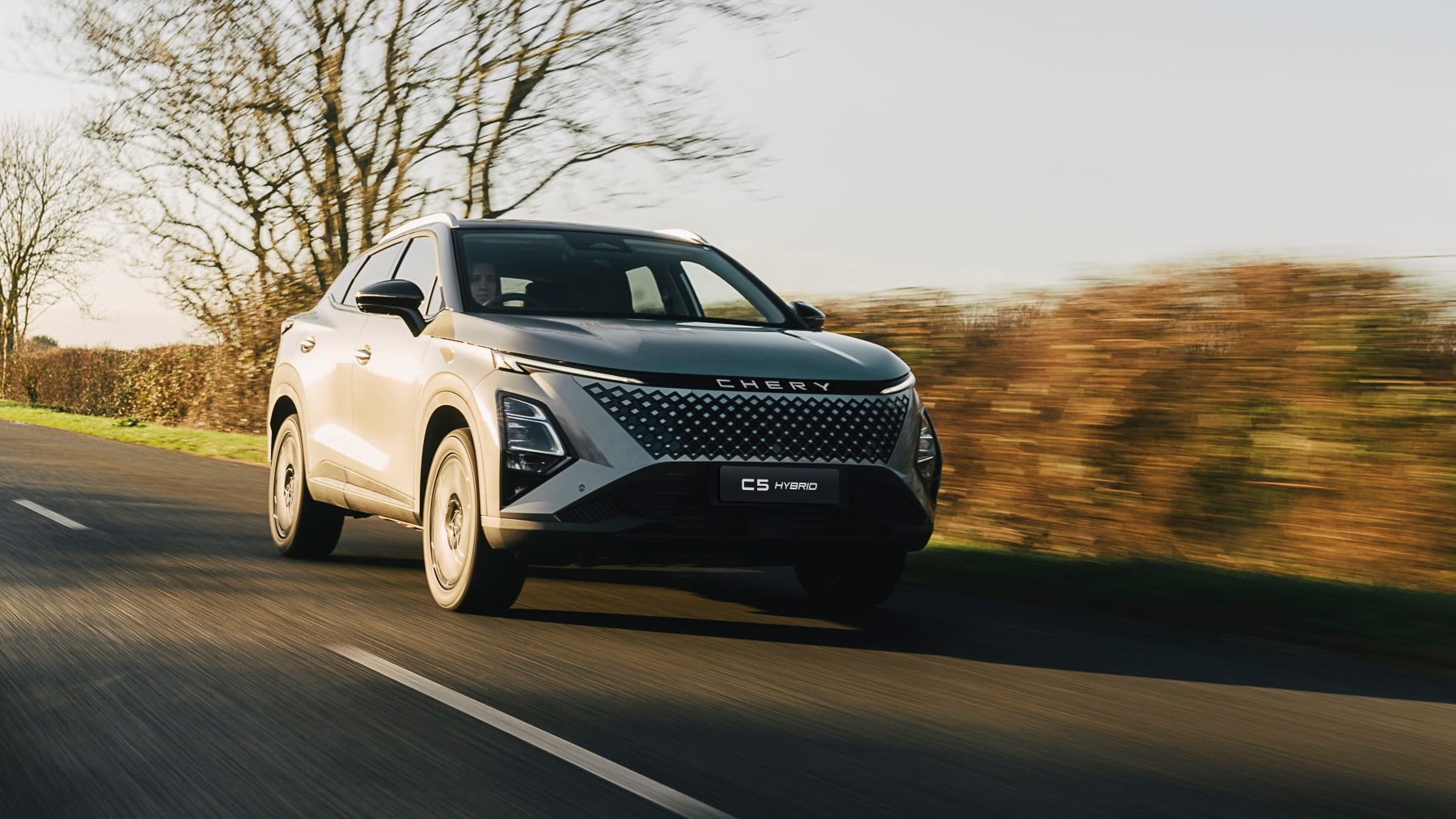
BYD and Chery have been prominent contributors, with the latter enjoying particular success in Britain. Chery’s Jaecoo 7 SUV was the UK’s best-selling individual model in both March and September this year.
The changing market reflects growing pressure on established European and Japanese manufacturers from Chinese competitors offering increasingly diverse model ranges at competitive prices.
Volkswagen, Renault and other European manufacturers continue to dominate their home markets, but Chinese brands are making substantial inroads while simultaneously challenging established Western manufacturers in China itself.
At the recent Paris Motor Show, BYD, Chery and Geely-owned Zeekr displayed new models intended to broaden their European appeal, including the BYD Dolphin G DM-i plug-in hybrid developed specifically for the region.
1
However, China’s expansion has prompted growing concern among European policymakers.
The European Union has already imposed additional tariffs on Chinese-built electric vehicles and is considering further restrictions affecting hybrid imports. Proposed regulations could also favour European-manufactured vehicles when allocating subsidies and company-car tax incentives.
Chinese manufacturers are responding by establishing production facilities within Europe.
BYD is nearing completion of a factory in Hungary, Chery is preparing manufacturing operations in Barcelona, while Leapmotor has begun producing its B10 electric SUV at a Stellantis facility in Zaragoza, Spain.
These investments could help Chinese manufacturers reduce their exposure to import restrictions while strengthening their long-term presence in Europe.
For Australian buyers, where brands including BYD, Chery, GWM and MG are also expanding rapidly, the European figures provide further evidence of a fundamental realignment in the global automotive industry.
The latest results suggest China’s emergence as a major automotive exporter is no longer simply a threat to established manufacturers, but an increasingly significant challenge to their traditional market dominance.
Follow WhichCar/Wheels on Google
Click the button below to make WhichCar by Wheels a preferred source for your news.

We recommend
-
 News
MG reveals why it isn't worried about the huge influx of new Chinese car brands in Australia: 'Let them come'
With more Chinese car brands arriving in Australia and competition intensifying, MG says its decade presence and dealer network give it an advantage.
-
 News
Chery's joins China's ultra-fast EV charging race with bold five-minute claim
Chery claims its new megawatt charging system can add 500km of driving range in five minutes, challenging BYD, Geely and Huawei.
-
 News
Ex-Kia Australia boss: Traditional brands have just 'three years' to work out survival plans in battle with Chinese upstarts
Kia Australia’s former boss Damian Meredith predicts Chinese brands will force established carmakers to consider how they survive here in as little as three years.
