
News
Gallery 1
The former CEO of Toyota wants Japan’s seven automakers to work more closely in an effort to reduce costs, streamline efficiency, and stay viable in the face of low-cost Chinese competition.
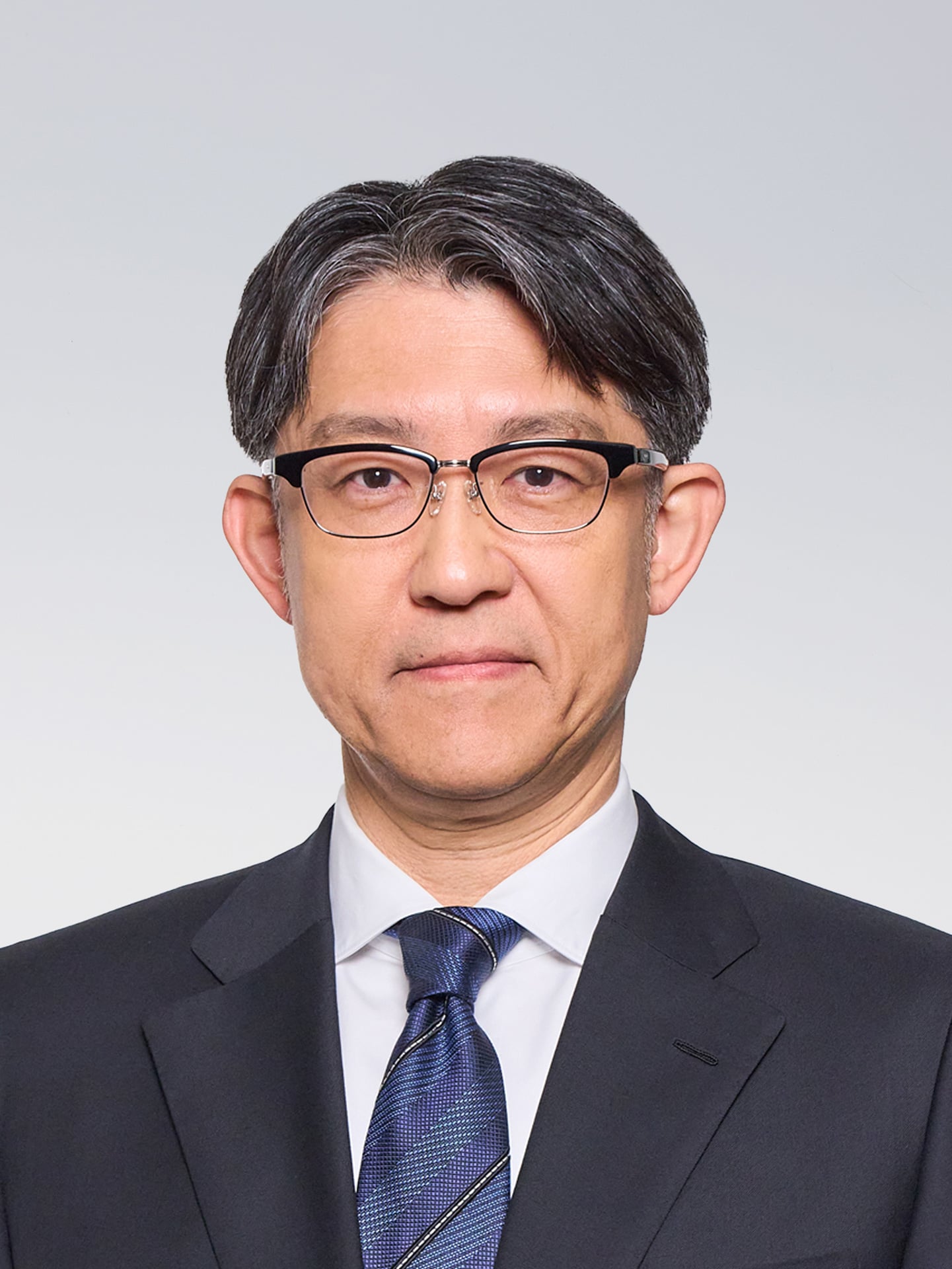
Koji Sato (bottom), who stepped down as CEO of Toyota at the end of March and is the chairman of the Japan Automobile Manufacturers Association (JAMA), has a background in development and engineering for Toyota, and understands the value of production efficiency.
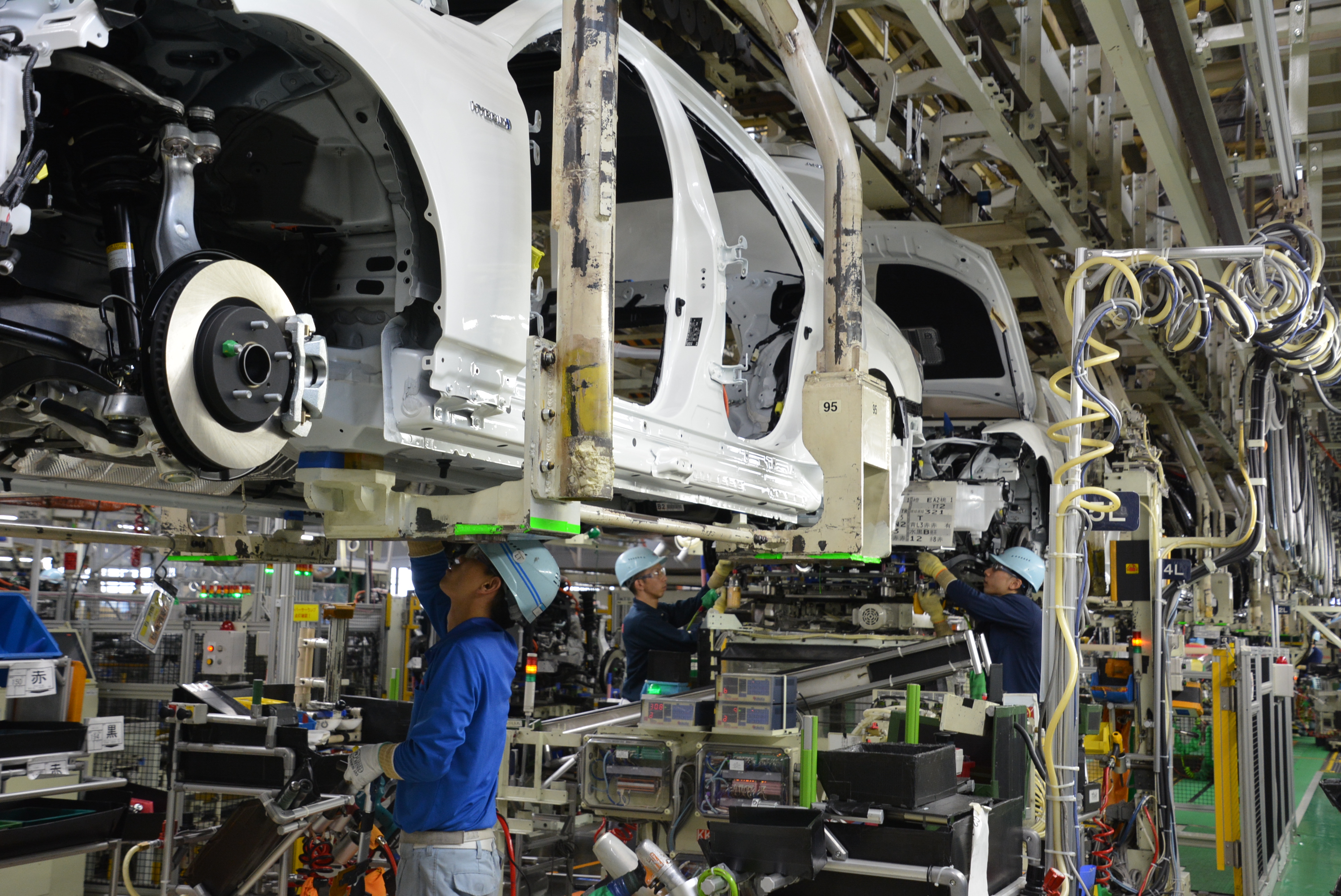
His proposal includes a list of ‘Japan standard’ parts, components that aren’t customer-facing but contribute thousands of dollars per car in design, development and production.
1
While brands would retain control over final product development and design, components like wiring harnesses, infotainment hardware, climate control systems, suspension components, battery modules, and other assemblies could be shared between Japanese brands.
“Right now, the most important theme facing the Japanese auto industry is improving ‘international competitiveness,’” Sato said in an interview with Automotive News.
“We aim to strategically create ‘areas of cooperation’ to improve efficiency, thereby accelerating coexistence in the essential ‘areas of competition.’”
Sato’s calls echo an earlier plea he made to Toyota’s supplier base to urgently improve productivity, as part of his final address as Toyota CEO at the company’s annual meeting in March this year.
Other areas the JAMA has targeted as in need of improvement include improving talent recruitment, overhauling logistics, streamlining Japan’s complex automobile taxes, addressing infrastructure for autonomous driving, improving access to raw materials, and commercialising a circular recycling economy.
1
The intense competition from Chinese brands has proved disruptive around the world. Europe’s industry is reeling from China’s ability to produce competitive, low-priced cars, despite tariff protections. Other markets globally have witnessed established automakers lose market share as Chinese brands adapt products to suit their target markets.
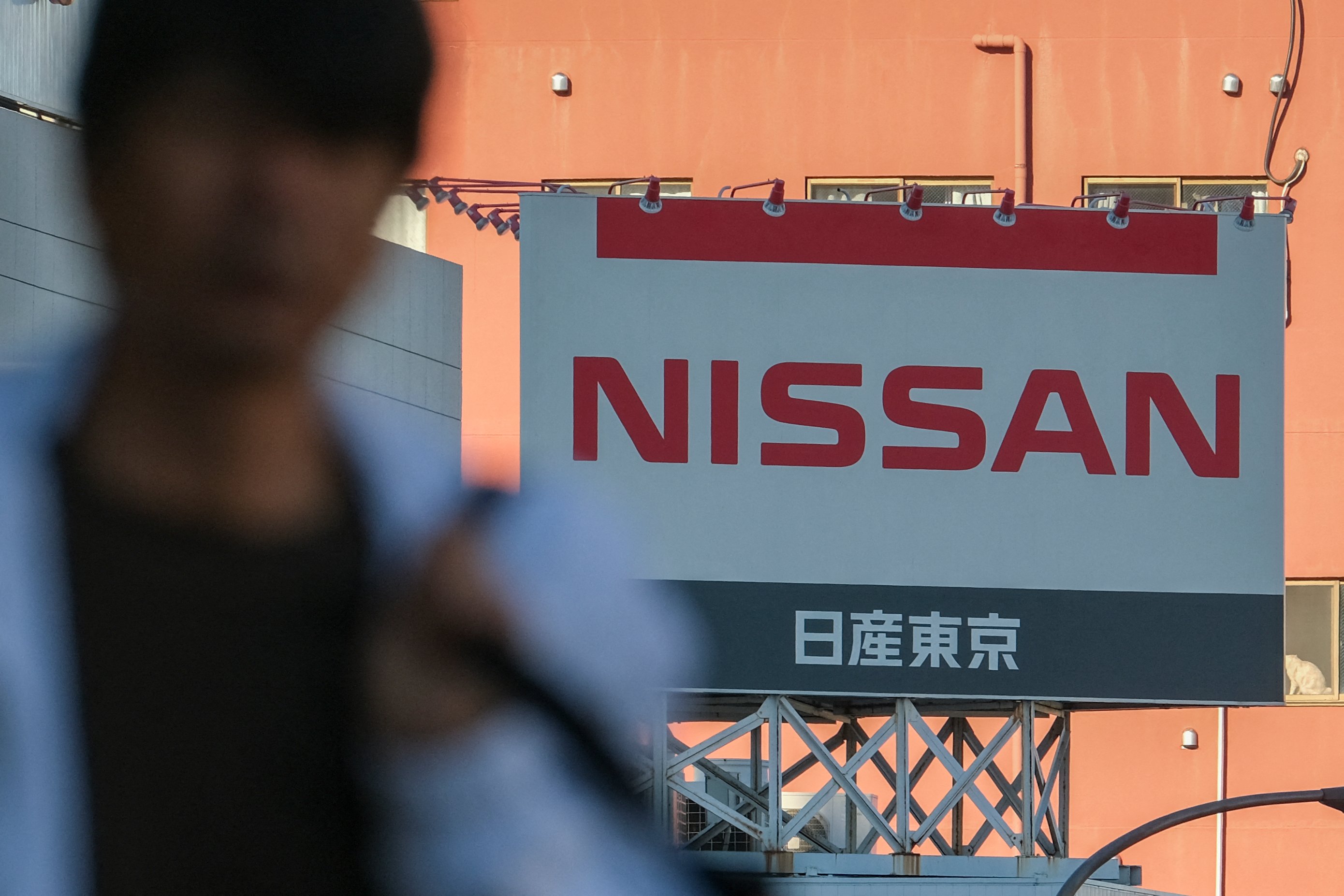
Any collaboration would need cooperation from Japan’s seven major brands: Honda, Mazda, Mitsubishi, Nissan, Subaru, Suzuki, and Toyota, but with all seven experiencing setbacks in profitability, Sato’s proposed solution appears to have found a willing audience.
JAMA has not announced any formal deadlines, but says the first batch of materials or components born from the standardisation project is due within the next year or two.
1
The move differs from the Chinese industry example, which relied heavily on vertical integration and internally developed systems that can be quickly deployed throughout an automaker’s line-up. JAMA’s proposed solution could be slowed by getting all automakers to agree on standards, or in situations where a brand’s product cycle may not align with the adoption of new systems or materials.
Industry analysts suggest that Toyota’s might compared to its rivals could see it hold the balance of power, with Toyota’s standards forming the basis of JAMA’s eventual standardised parts.
Follow WhichCar/Wheels on Google
Click the button below to make WhichCar by Wheels a preferred source for your news.

We recommend
-
 News
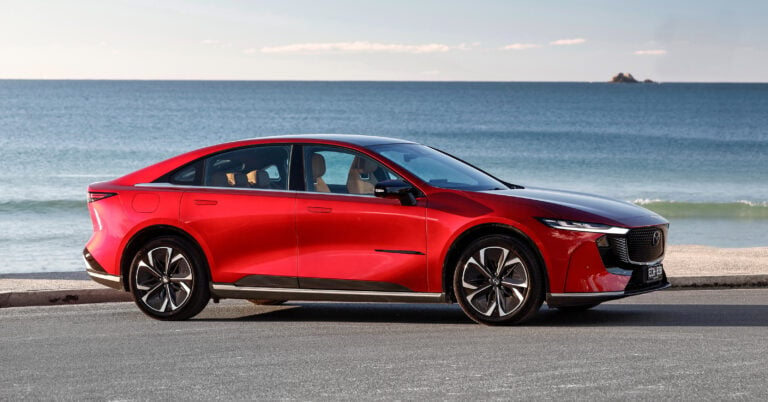
NewsMazda: ’Chinese built cars as good as Japanese’
The Japanese's brand's general manager in China said Mazdas built in China are as good as those manufactured in Japan.
-
 News
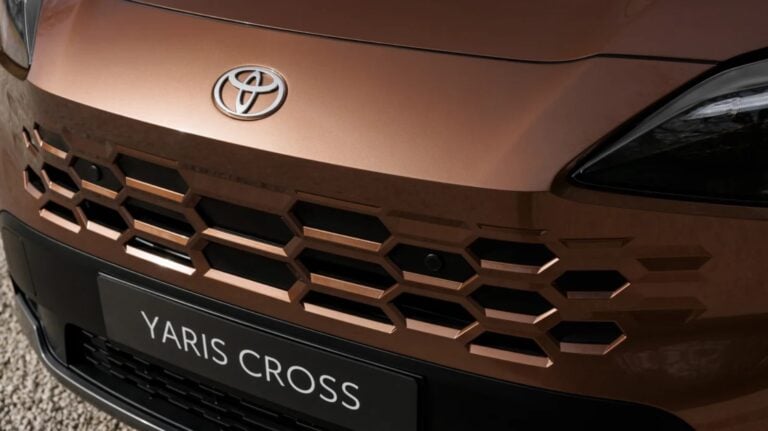
NewsToyota leads global sales race as BYD cracks top five in 2025
Japanese giant stays well ahead globally, but surging Chinese brands and shifting demand signal a changing automotive landscape.
-
 News
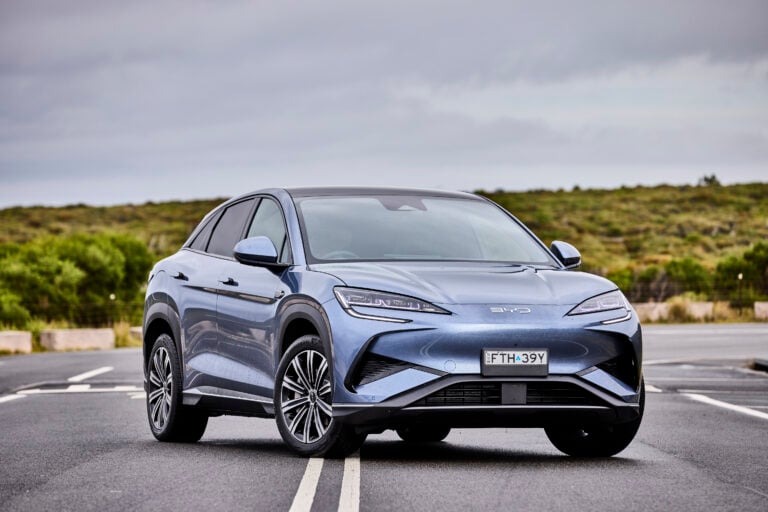
NewsVFACTS June 2026: New records set as Toyota outsells BYD by just 243 units
According to VFACTS numbers, new records were set with Australia's new vehicle sales in June 2026, including the total number of vehicles sold.
