
News

Gallery 1
The latest new car sales data from the Federal Chamber of Automotive Industries (FCAI) highlights a worrying trend for some of Japan’s most popular car brands in Australia.
The FCAI’s February data shows that all but two Japanese brands have posted double-digit percentage losses over the first two months of 2026 when compared with the same period last year, including some of Japan’s heavyweight automakers.
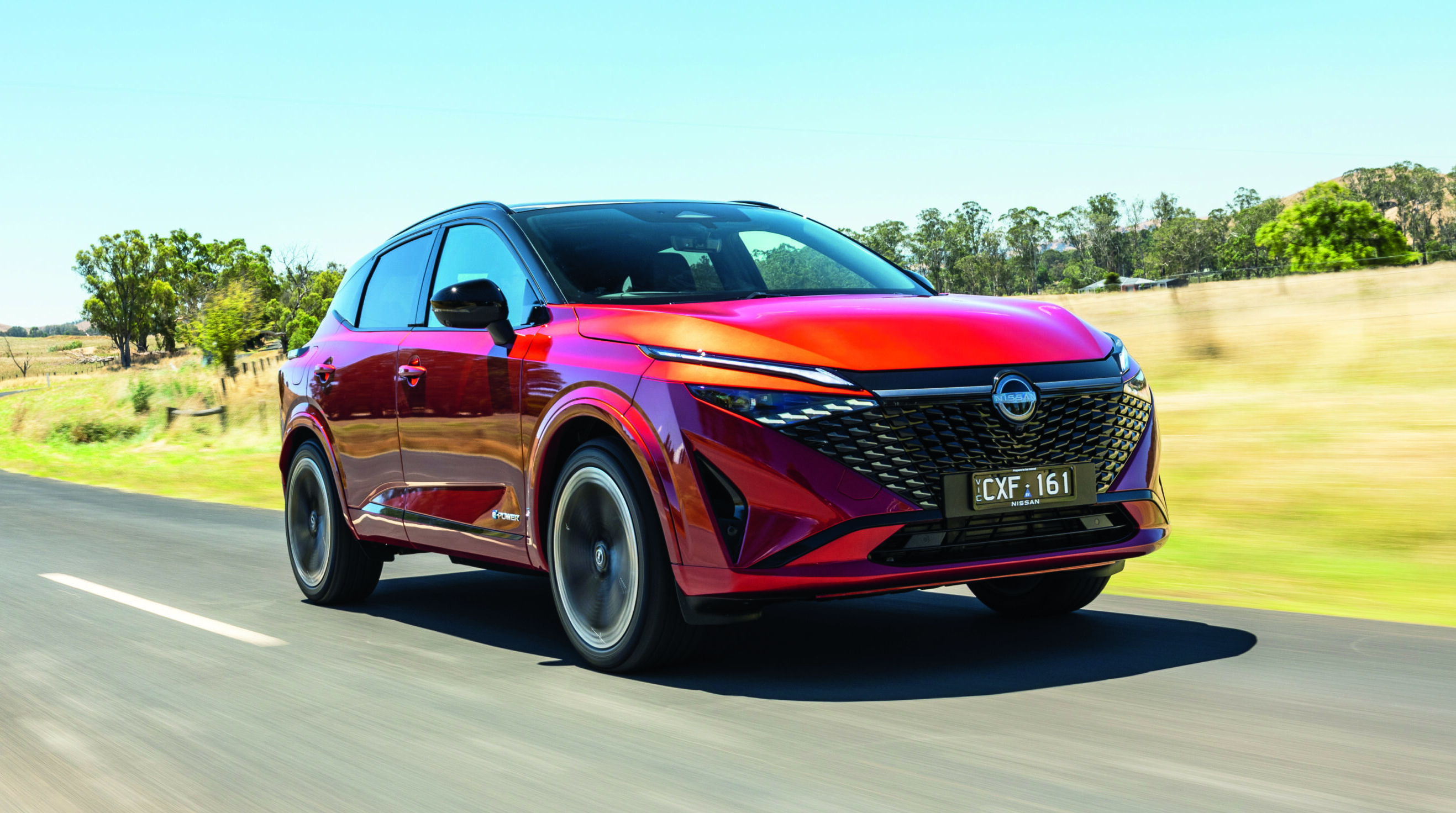
Nissan has recorded the biggest drop of the Japanese brands so far in 2026, down 44.7 per cent compared with the same time last year. Nissan Australia has sold 3464 vehicles in the first two months of 2026. This time last year, it had sold 6594 new vehicles.
1
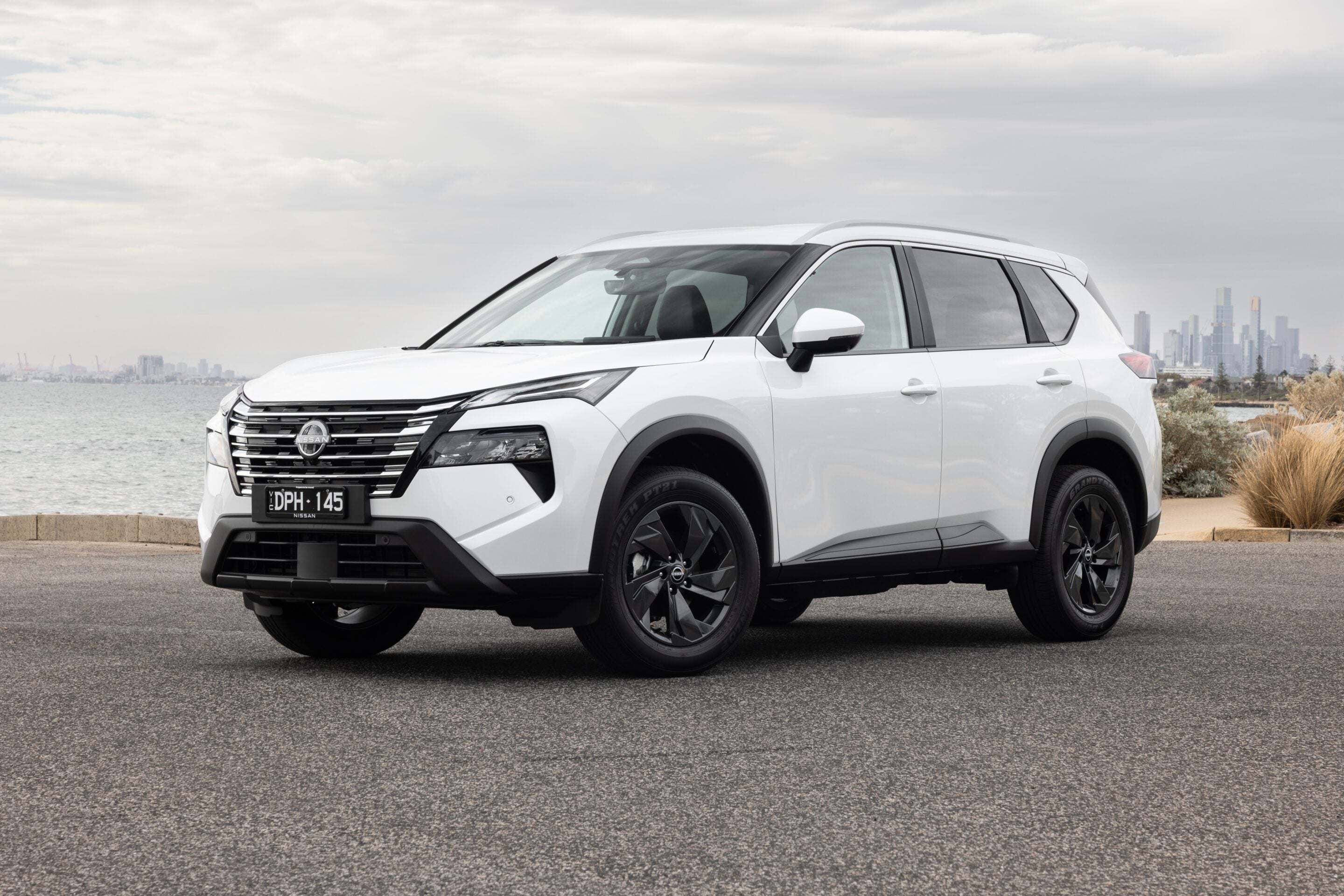
Nissan’s poor result came on the back of market share losses for its three biggest sellers – its Qashqai small SUV (down 78 per cent), X-Trail medium SUV (down 49.4 per cent), and Navara dual-cab ute (down 35 per cent). There is some light on the horizon, however, with the imminent arrival of all-new Navara and Qashqai in local showrooms that should see a sales boost for the struggling brand.
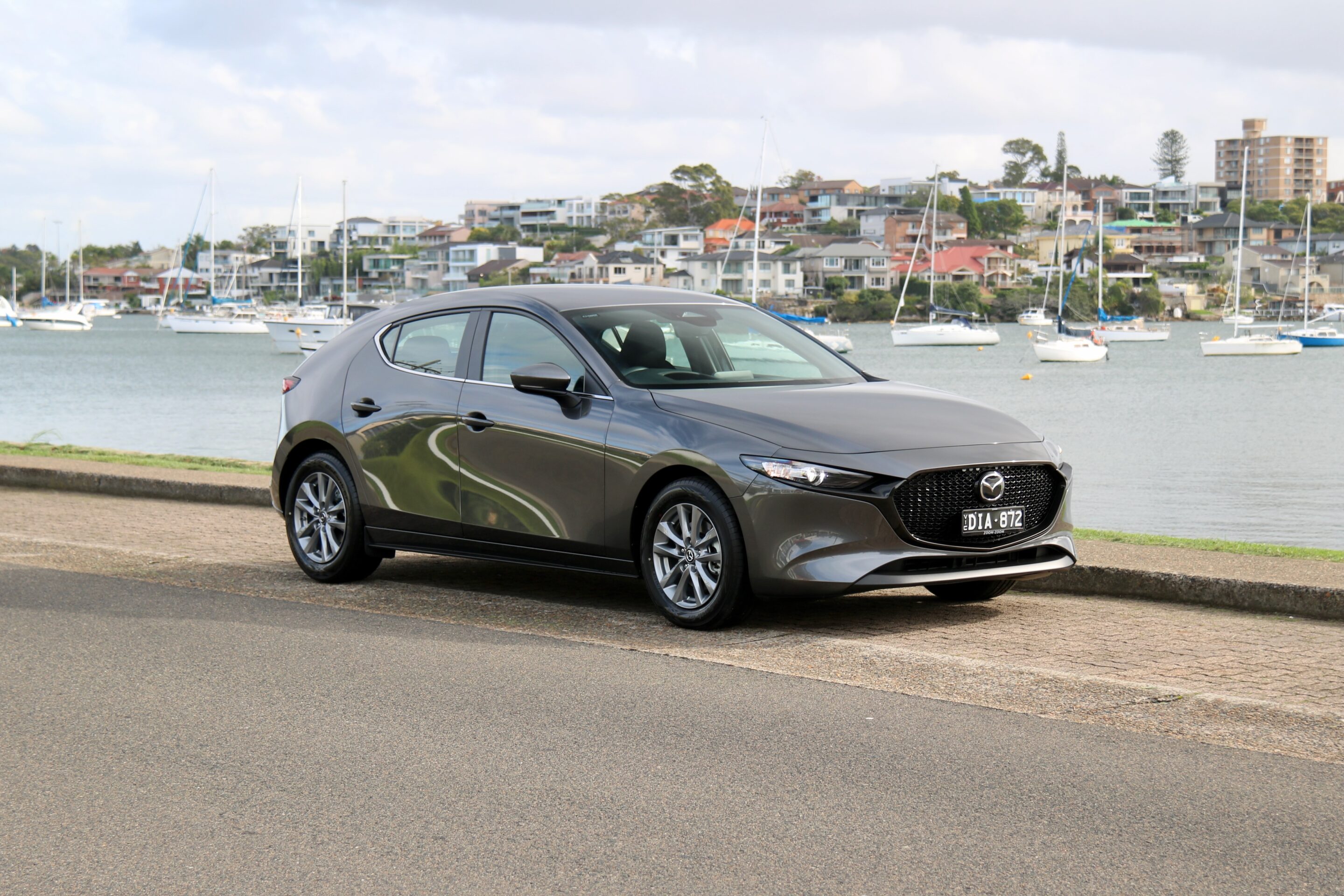
Mazda, another powerhouse brand, has reported sales of 14,734 vehicles to start the year, a 13.9 per cent drop compared against last year when it reported 17,119 new car sales. The Mazda3 has taken a big hit in the first two months of 2026, down 34.7 per cent while sales of its popular city-sized crossover SUV, the CX-3, are down 25.3 per cent in the face of stiff competition from a host of challenger brands, mainly from China.
In good news for Mazda, its best-selling CX-5 medium SUV posted strong gains – up 15.4 per cent – despite the expected arrival of an all-new third-generation in July this year which should see a further boost.
1
Toyota hasn’t been immune from the sales slump either, the Japanese juggernaut down 25.1 per cent year-on-year. But that slide is set to be reversed with the imminent arrival of an all-new Toyota RAV4 into dealerships in the first quarter of 2026. RAV4 was the world’s best-selling car in 2025, with sales of over one million and it’s conceivable the launch of the new model could see it rocket to the top of the Australian new car sales charts.
The downward trend has affected just about every Japanese brand in Australia: Lexus is down 15.6 per cent, Mitsubishi down 22.9 per cent, Subaru down 22.4 per cent and Suzuki down 32.5 per cent.
Only Honda (up 7.6 per cent) and Isuzu (up 12.6 per cent) recorded growth year-on-year. Surprisingly, Isuzu’s positive result comes off the back of a 61.6 per cent increase in sales of its MU-X SUV, one of just two models the brand offers in Australia. Sales of its D-Max dual-cab ute are down 3.1 per cent.
1
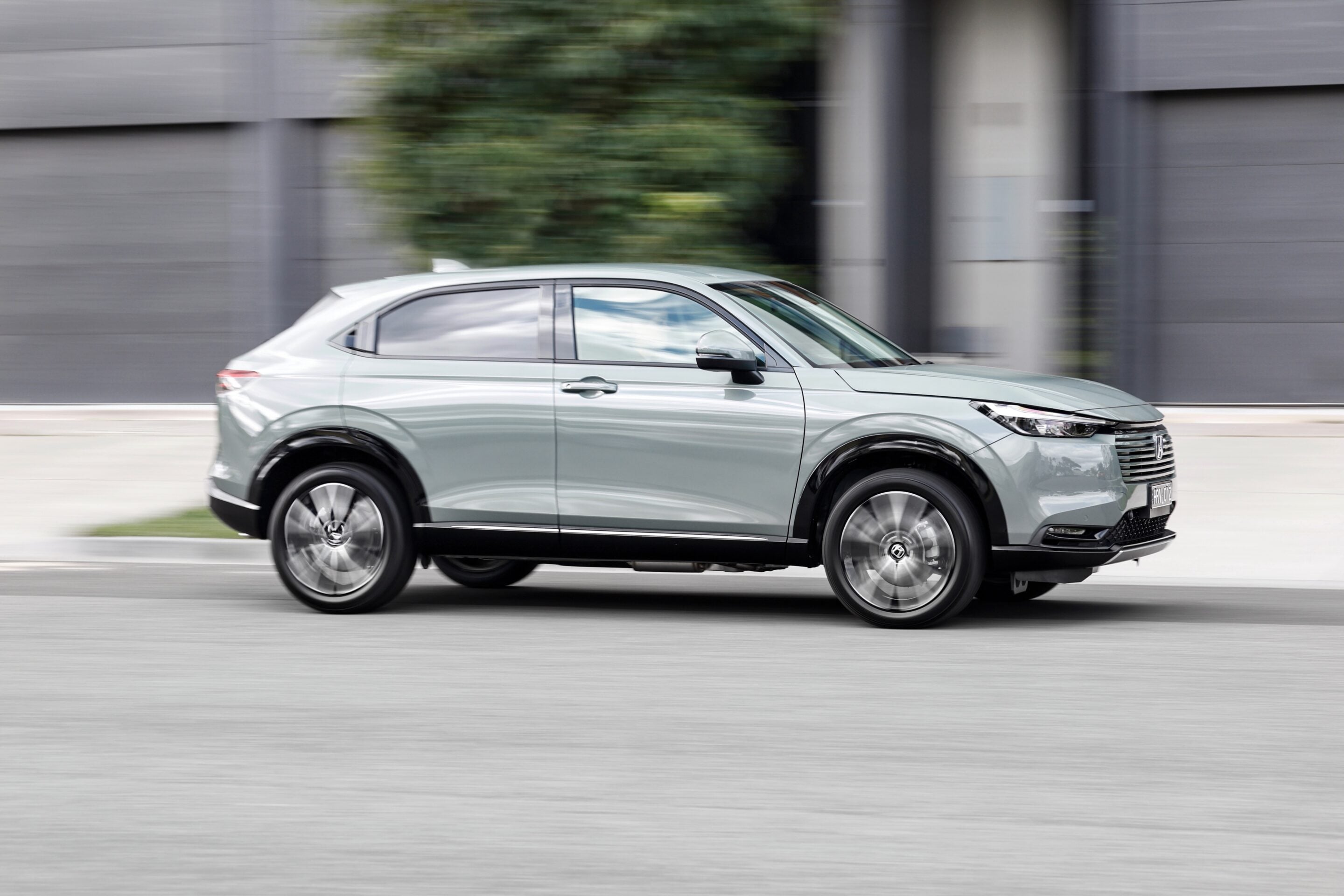
Honda’s trio of SUVs – CR-V, HR-V and ZR-V – led the brand’s positive result over the first two months of 2026, sales up 14.7, 11.1 and 6.8 per cent respectively. Only its two ‘traditional’ passenger cars remained in the red, the Civic hatchback down 31.8 per cent, and Accord medium sedan down 57.1 per cent.
So why are Japanese car brands haemorrhaging sales? The single biggest factor remains the influx of new challenger brands from China, which continue to offer a broad portfolio of vehicles across multiple segments that offer previously unaffordable levels of standard equipment at prices that are significantly under-cutting rivals.
A matter of timing is also a factor, with at least three models – RAV4, CX-5 and Navara – that have traditionally been top-10 sellers in Australia all currently in run-out as dealerships await deliveries of all-new generations over the coming weeks and months. Toyota and Mazda certainly, are well-placed to reverse their respective downward trends while Nissan’s Navara shoulders a heavy 44.7 per cent burden as the brand looks to claw back ground from its rivals.
| Brand | 2026 sales | 2025 sales | Difference % |
|---|---|---|---|
| Isuzu Ute | 6313 | 5607 | +12.6% |
| Honda | 2667 | 2478 | +7.6% |
| Mazda | 14,734 | 17,119 | -13.9% |
| Lexus | 1708 | 2023 | -15.6% |
| Subaru | 4992 | 6435 | -22.4% |
| Mitsubishi | 9102 | 11,800 | -22.9% |
| Toyota | 27,916 | 37,256 | -25.1% |
| Suzuki | 1862 | 2759 | -32.5% |
| Nissan | 3646 | 6594 | -44.7% |
Follow WhichCar/Wheels on Google
Click the button below to make WhichCar by Wheels a preferred source for your news.

We recommend
-
 News
NewsVFACTS January 2026: Electrified vehicles continue to surge as petrol, diesel sales decline
Sales of petrol- and diesel-powered vehicles continue their sales decline as more and more Australians embrace electrified options.
-
 News
NewsVFACTS December 2025: Australian new-car sales hold firm over the year, as hybrids grow and SUVs dominate
Total vehicle sales topped 1.2 million last year, with plug-in hybrids posting record growth and China strengthening its role in the local market.
