News
Gallery 1
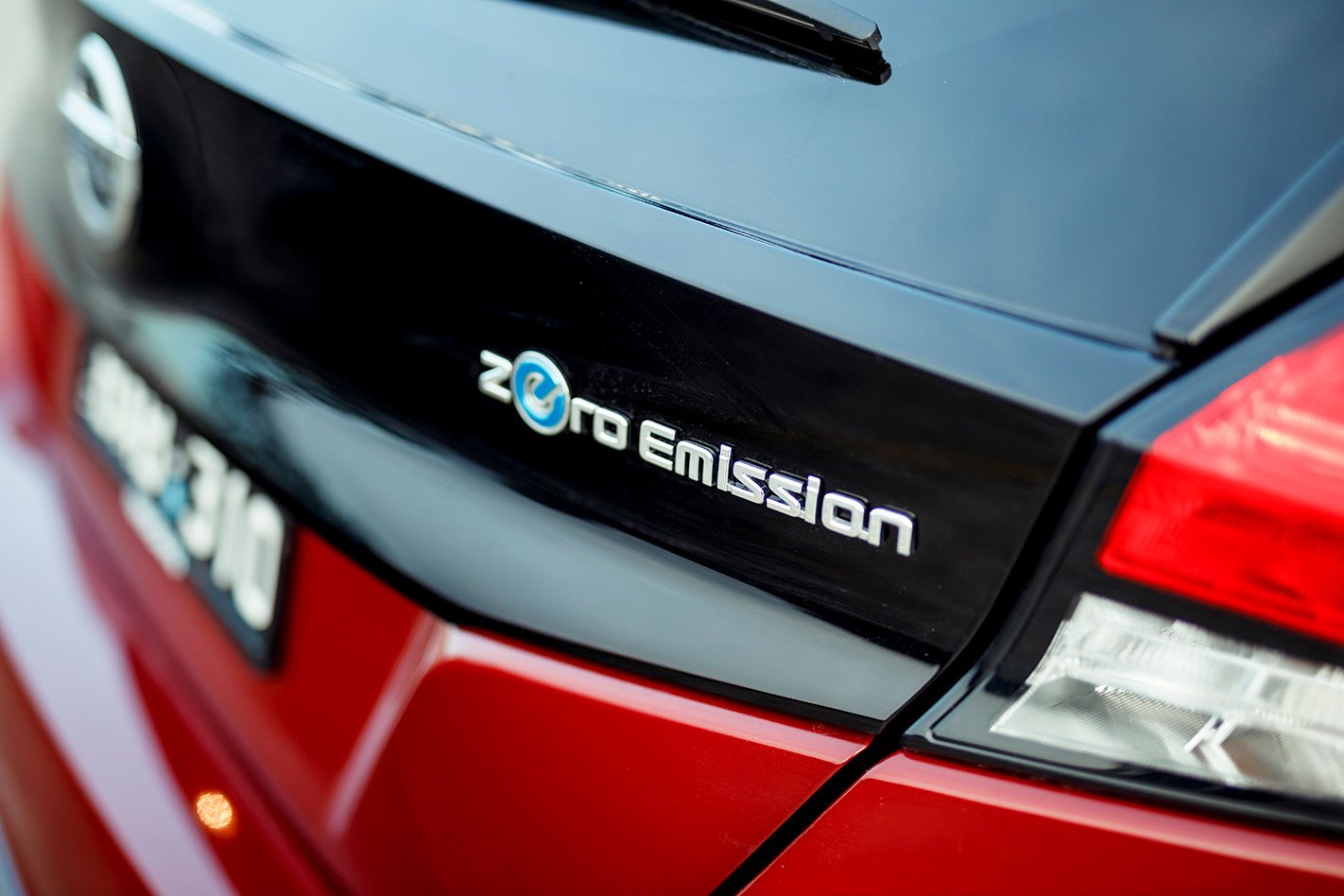
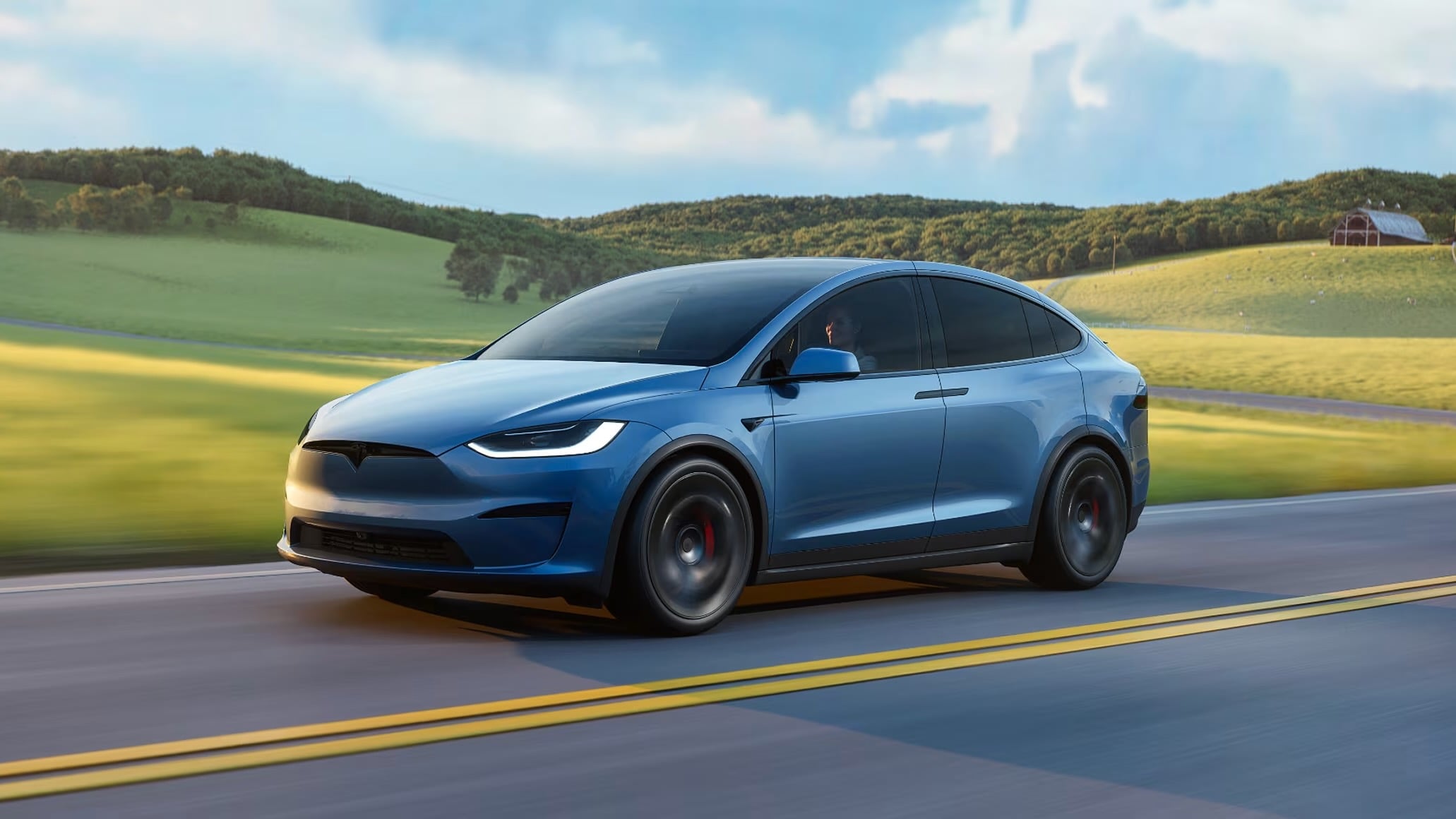
The federal government is considering changes to tax incentives for electric vehicles as it looks for savings ahead of the May federal budget, with proposals that could scale back benefits for higher-priced EVs.
According to reporting by the Sydney Morning Herald, ministers and Treasury officials are examining options to either reduce, phase out or restrict the existing fringe benefits tax (FBT) exemption for electric vehicles purchased through novated leases. One option under discussion would limit the concession to lower-priced models rather than high-end electric cars.
The move comes as the cost of the policy has expanded far beyond initial estimates, driven by strong uptake among higher-income earners using salary packaging to lower their tax bills. The exemption, introduced in 2022 to accelerate electric-vehicle adoption, currently applies to EVs priced below $91,387.

1
When the policy was first announced, it was expected to cost the federal budget around $1.9 billion between the 2022-23 and 2026-27 financial years. Updated estimates suggest the total cost will instead reach about $5.1 billion over the same period.
Demand for EVs through novated leases has significantly exceeded early projections, contributing to the blowout in the program’s cost. The scheme is also expected to remain expensive in coming years, with Treasury forecasts indicating the incentive could cost around $2.8 billion in the 2028-29 financial year alone.
While no final decision has been made, the government is also reviewing the current zero tariff applied to imported electric vehicles as part of a broader assessment of EV policy settings.
1
The discussions come as Treasurer Jim Chalmers prepares the May 12 budget, which is expected to include spending reductions and policy adjustments aimed at improving productivity and addressing long-term fiscal pressures.
The FBT exemption was originally introduced as a key mechanism to encourage Australians to adopt electric vehicles. At the time, EVs accounted for less than four per cent of new-car sales nationally. Since then, the share of electric vehicles in the Australian market has risen sharply to around 13 per cent.
A Treasury review of the EV tax concessions was launched late last year, with submissions closing in early February. Its findings are expected to help inform any changes announced in the upcoming federal budget.
Follow WhichCar/Wheels on Google
Click the button below to make WhichCar by Wheels a preferred source for your news.


We recommend
-
 News
NewsEV owners face looming road user charge as governments target fuel excise shortfall
Federal and state leaders are advancing plans for a national EV road levy to replace dwindling fuel excise revenue, aiming to ensure all motorists contribute to infrastructure costs.
-
 News
NewsFirst NVES results show mixed compliance as emissions fall
Two-thirds of brands beat targets, but nearly 20 miss CO₂ limits in opening year of new standard.
-
 News
NewsFederal Government partners with Hyundai and Kia to offer discounted loans on electric vehicles
The federal government's Clean Energy Finance Corporation is committing up to $60 million to help reduce the cost of Hyundai and Kia EVs.