
Features

Gallery 1
“Step right up to this absolutely unbelievable, blazin’ bronze, tinted-window, ultra-powered, sybaritic sex symbol called the BMW coupe.”
Jerry Sloniger’s words, published in our May 1977 issue, was one helluva way to open our first road test of BMW’s new 6 Series grand tourer. It was also wildly apt.
From the moment it first appeared in March 1976 at the Geneva motor show as a replacement for the gorgeous but aging E9 Coupe, the BMW 6 Series (internal model code E24) set pulses fluttering.
The E9 had reached its pinnacle in 1971 with the 3.0 CSL and by the mid-70s was reaching the end of its useful life. Something new was needed, something that carried on the philosophy of its predecessor while shaping the entire identity of the Bavarian brand into the 1980s and beyond.
1
The man tasked with this reshaping was Frenchman Paul Bracq, who had joined BMW in 1970, replacing the influential Wilhelm Hofmeister as the German brand’s design director.
Bracq already had runs on the board when he joined BMW, his previous decade at arch-rival Mercedes-Benz giving the world the W113 Mercedes-Benz SL, better known as the ‘Pagoda’, the W100 600 ‘Grosser’ limousine and the W108/109 flagship sedan, the forefather of today’s S-Class. Legends, one and all.
The Frenchman didn’t take long to make his mark on BMW either, his design for the first-ever 5 Series, 1972’s E12, previewing the brand’s new signature ‘sharknose’ front end.
The ‘sharknose’ would go on to define BMW, shaping the front of every model – 3 Series, 5 Series, 6 Series and 7 Series – for the next decade-and-a-half. It remains Bracq’s signature flourish even if he wasn’t its originator. But what Bracq did with Giovanni Michelotti’s original ‘sharknose’ design, first seen on the Italian’s 1961’s BMW 1500 Neue Klasse, was to make it his own by adding more angle, more aggression and more nose. More shark. And the ‘sharkiest’ of them all was the E24 6 Series.
And yet, the E24 as we know it, almost didn’t happen. BMW management’s initial idea for a replacement for the much-loved E9 coupe was to take a conservative approach, evolution rather than revolution.
The legendary Bob Lutz, BMW’s recently-appointed executive vice-president of sales (who would go on to senior leadership roles at Chrysler, Ford and General Motors), had other ideas.
3
As he later recalled in his seminal book on the automotive industry, Guts: The 7 Laws of Business That Made Chrysler the World’s Hottest Car Company: “I arrived in Munich just as the company was preparing the replacement of the beautiful 3.0CS coupe.
“One of the problems that the company hoped to rectify in the new car was the relative difficulty of getting in and out of it … The company’s answer was a taller, rather stodgy design, ordered up at an outside styling consultant. I rebelled, and sketched out another, lower design … which eventually became the 6-series coupe, considered the worthy successor of the classic 3.0CS.”
Bracq was charged with turning Lutz’s vision into reality and the result was nothing short of spectacular, a handsome and elegant grand tourer with just the right amount of menace.
It would have been silly for Bracq to ignore the timeless elegance of the E9 when drawing inspiration for its successor. After all, the E9’s long bonnet, short rear deck and generous glasshouse brought an elegant and purposeful harmony to the coupe’s profile. It looked fast standing still.
The overall proportions carried over to the E24 too, but with elements borrowed from the E12 5 Series and E21 Series (both also penned by Bracq) to arrive at a grand tourer for the late 1970s and beyond.
The E24 borrowed more than just a design language from the E12. Everything from the floorpan and chassis, suspension, brakes, steering and electronics were carried over into the 6 Series. And, of course, BMW’s legendary M30 inline-six engine family.
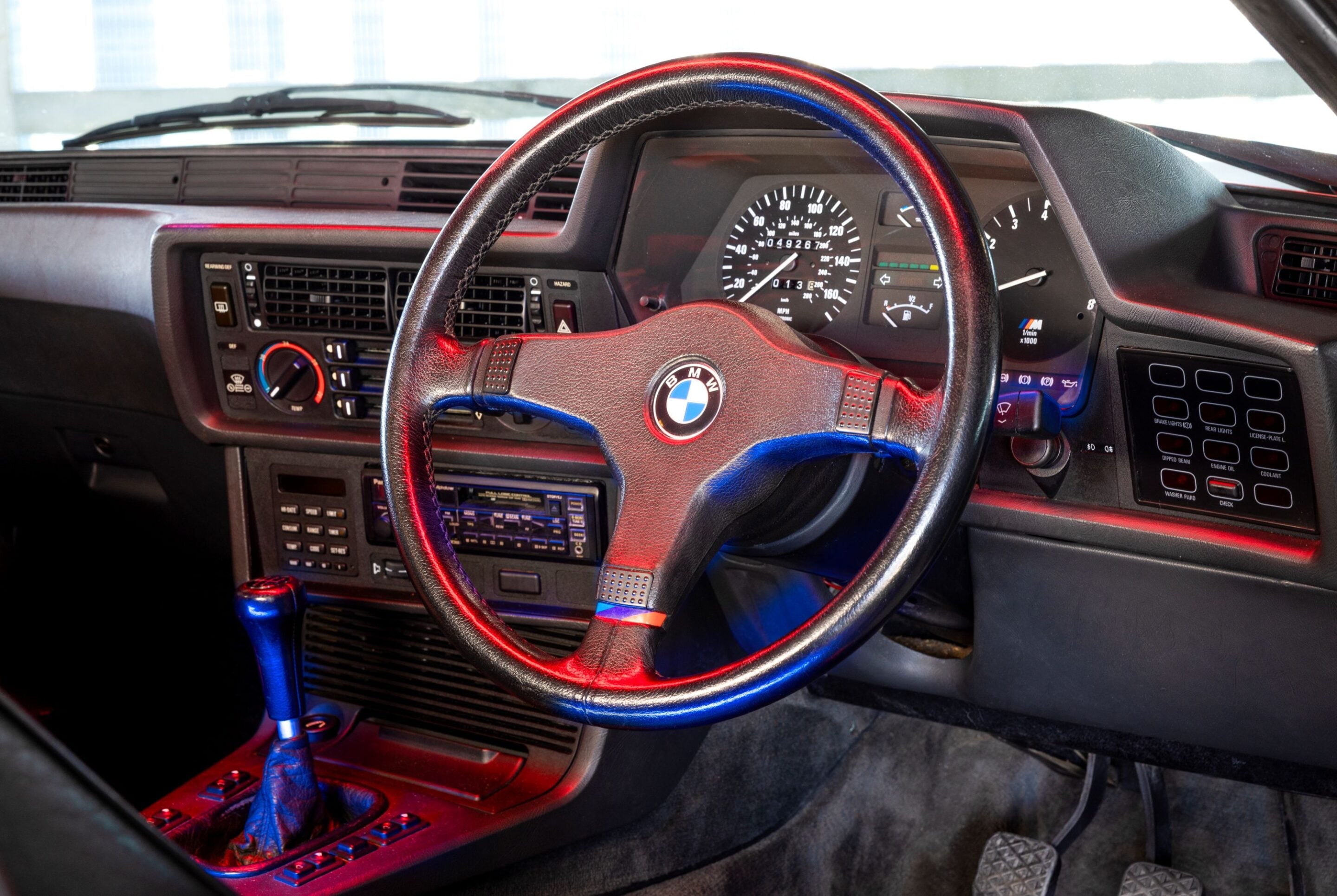
Inside, the 6 Series was strictly a four-seater, with a wraparound driver-centric cockpit, analogue dials and gauges and a classic BMW three-spoke steering wheel. Seats were trimmed in cloth or a more ritzy velour while genuine leather upholstery was available as an option. The E24’s generous glasshouse combined with thin A-pillars to afford excellent all-round visibility while filling the cabin with a sense of light and space.
BMW’s new flagship coupe was ready for launch in 1976. Two variants were offered initially, an entry-level 630CS and the brawnier 633CSi. Both were powered by BMW’s heroic M30 inline-six, a carburetted 136kW/255Nm 3.0-litre in the 630CS and a more powerful and larger displacement (147kW and 285Nm) fuel-injected 3.2-litre in the 633CSi. Both variants were available with either a four-speed manual Getrag gearbox or ZF-sourced three-speed automatic.
5
Wheels first drove both the 630CS and 633CSi in early ’76 and came away immediately smitten, praising the E24’s generational step-change over its E9 predecessor.
“BMW fans, eat your hearts out. Anything those wonderful 3.0 Coupes could do before is ancient history now as Munich releases the 630CS and 633CSi on a luxury market,” we wrote in our May, 1976 issue.
“Oh, the new 2 plus 2 machines are based on their previous coupes and closely related to the 3 and 5-series sedans but they are also so thoroughly revamped and improved that you get more comfort, greater safety, lower exhaust emissions – and still have machines which in handling run rings around the old 3.0 CS.”
By 1978, the 630CS had been dropped from the line-up, replaced by the 628CSi powered by a Bosch fuel-injected 2.8-litre version of the M30 straight-six good for 135kW and 240Nm.
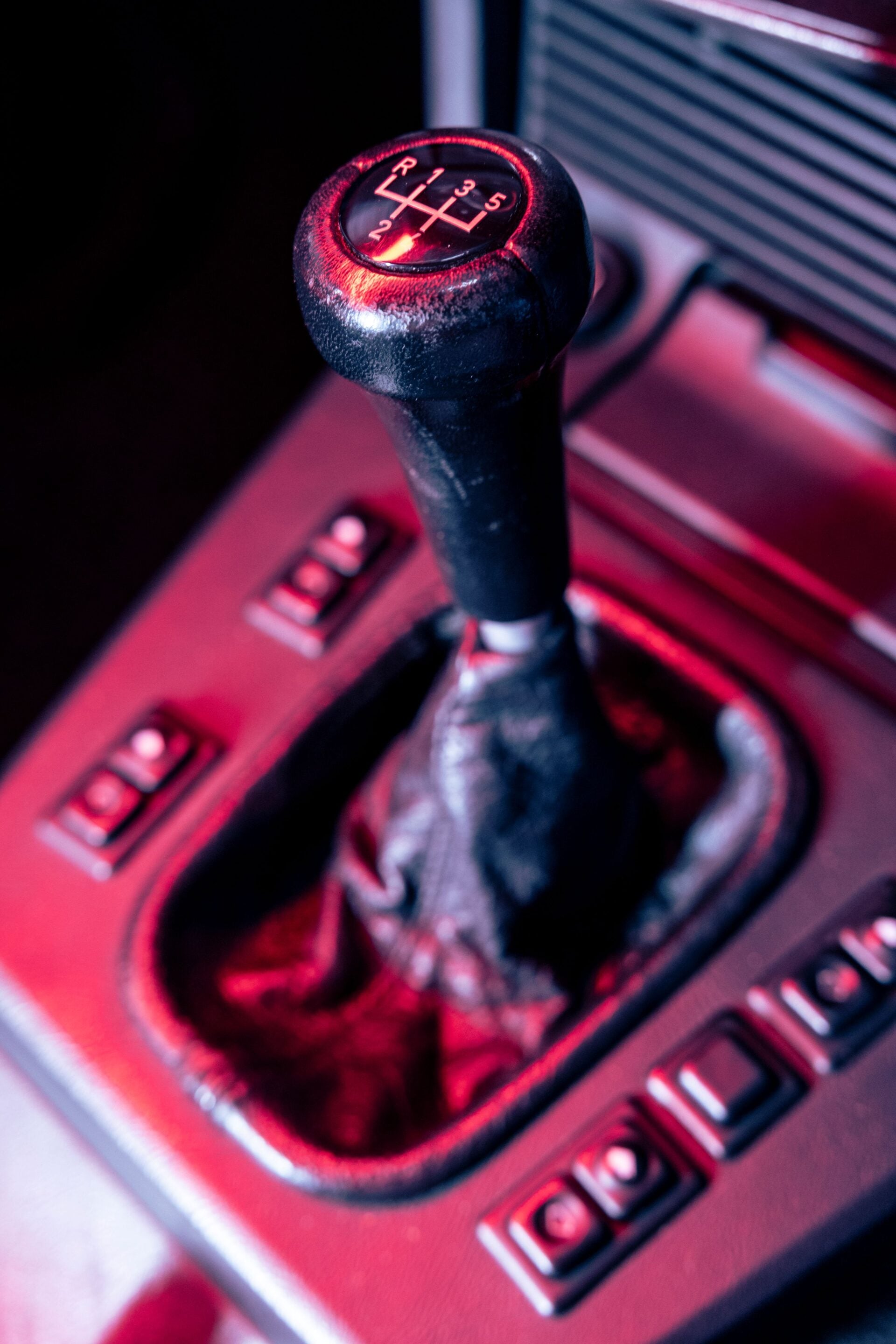
Better yet, a new 635CSi made its first appearance in July 1978 and it was the model that would go on to define the 6 Series. Power came from a 3.5-litre inline-six (the M90 single-overhead cam) pilfered from the BMW 735CSi that had launched the year prior. A new close-ratio five-speed Getrag manual gearbox sent 160kW and 304Nm to the rear wheels. A new deep front air dam and a discreet rear spoiler enhanced the 6 Series’ aggressive stance.
1
The introduction of the 635CSi also gave BMW the weaponry to go racing so go racing it did, the BMW 635CSi collecting Group A touring car trophies with alarming regularity including in Australia in 1985.
BMW gave the 6 Series a thorough overhaul in 1982, swapping out its E12 5 Series underpinnings for the running gear of BMW’s new E28 5 Series.
Externally, the visual changes were relatively minor but underneath it was all change with new brakes, suspension and electronics while under the bonnet, a new 160kW/310Nm 3.5-litre straight-six provided the grunt. It was an immediate hit, lauded for its silky smooth power delivery and balanced handling that was at its best on smooth flowing roads, a cross-continent tourer par excellence.
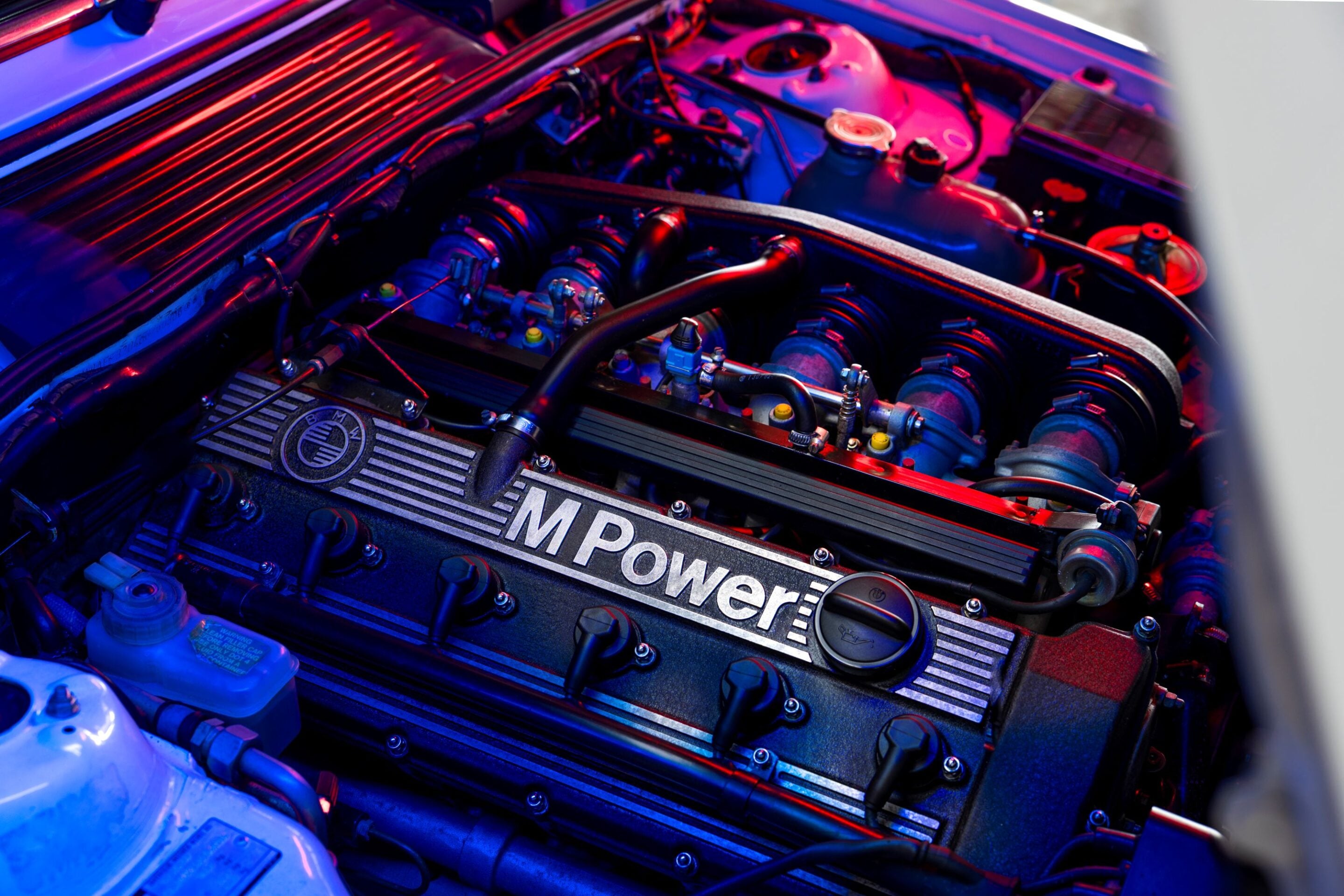
But the best was yet to come. BMW, never a company to rest on its laurels, dusted off its famed 24-valve, double-overhead-cam M88 3.5-litre inline-six from the M1 supercar and crammed it under the 6 Series’ long and imposing bonnet. It was good for 210kW and 340Nm and a blistering-for-the-time 6.4-second sprint to triple digits.
To cope with the extra power and torque, a heavy-duty Getrag five-speed ’box was drafted into service along with a 25 per cent locking rear differential. BMW also beefed up the suspension with stiffer Bilstein springs and thicker anti-roll bars while bigger front brake rotors and four-piston calipers brought extra stopping power.
1
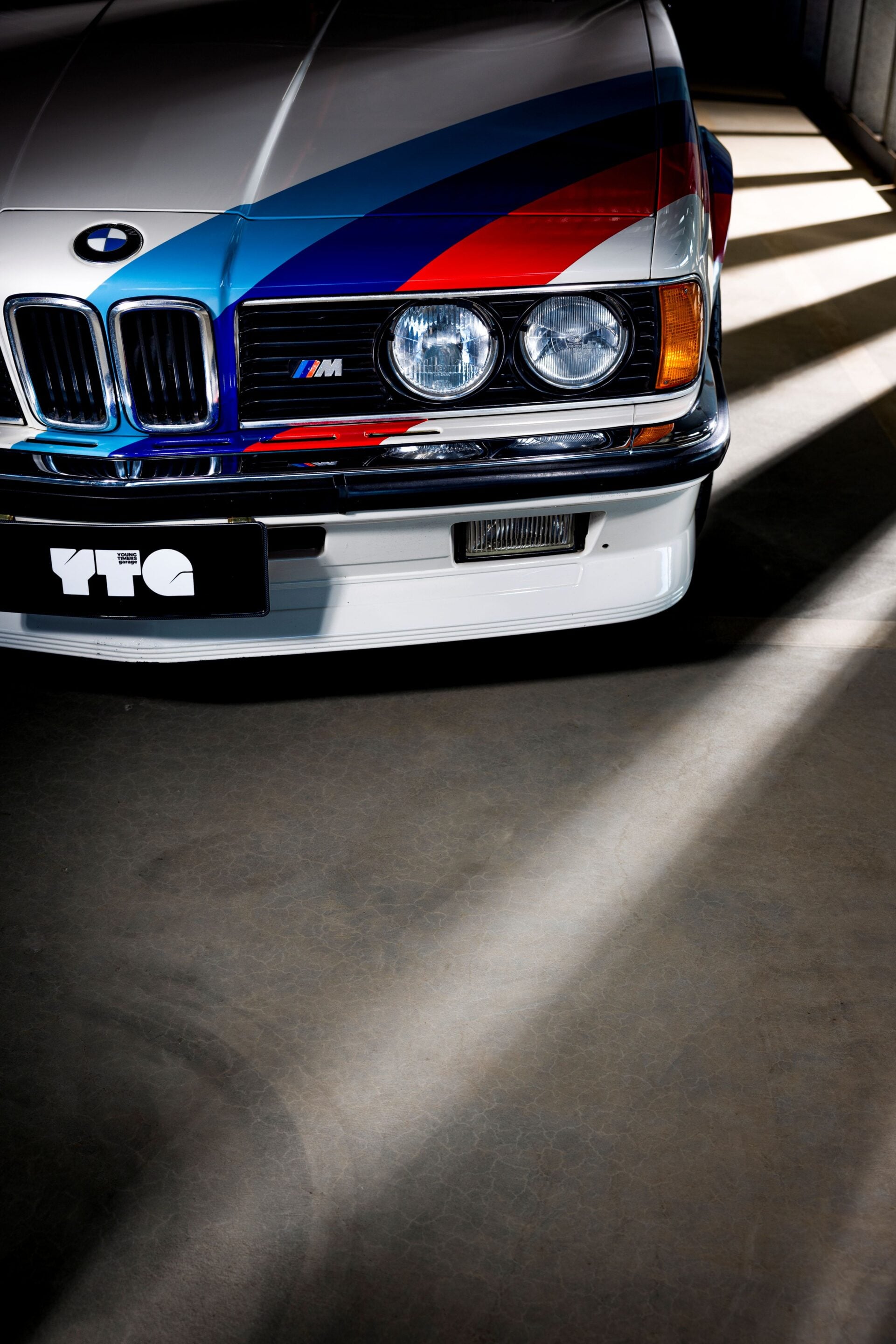
Visually, a deeper and more pronounced front splitter and subtle wheel arch extensions (to house wider BBS alloys) distinguished the new 635CSi from its predecessor while inside, new heavily-bolstered bucket seats and a new three-spoke steering wheel brought a sportier vibe.
BMW’s final act was to slap M badges on the bootlid and front grille. And with that, the brand’s second-ever M car (behind the M1) was born.
The BMW M635CSi (or M6 as it became known in the US) used its ‘shark’ profile to good effect, the Apex predator of the 6 Series that was docile and ferocious in equal measure. The M88 straight-six could scream to 7000rpm in its hunt for prey but equally, was just as happy tickling over at 1000rpm in fifth for more sedate driving activities.
As Car and Driver noted, “the twin-cam six purrs as contentedly at idle as a happy kitten, but the whirring becomes wonderfully urgent as soon as the revs pass 2500 rpm. The higher you send the tach needle, the more hoarse the sound – until, at the 6900-rpm redline, you’re sure someone accidentally stuffed an F1 engine into the hold and it’s about to go to full boost.”
The birth of the BMW M3 in September 1985 gave the world a new performance hero, its instant success immediately casting shade over the M635CSi which has today become a criminally overlooked M car.
In the broader context, the original 6 Series’ timeless elegance shows no signs of fading. Now 50 years old, the E24 looks today as fresh and contemporary as it did back in 1976, a testament to Paul Bracq’s flawless design.
Its lasting legacy extends well beyond its 1976-89 production run (incidentally, the longest run of any single production BMW model in history). BMW had built a luxury coupe that was a driver’s car first, comfortable grand tourer second. The Ultimate Driving Machine? For a time in the 1980s, almost certainly.
2
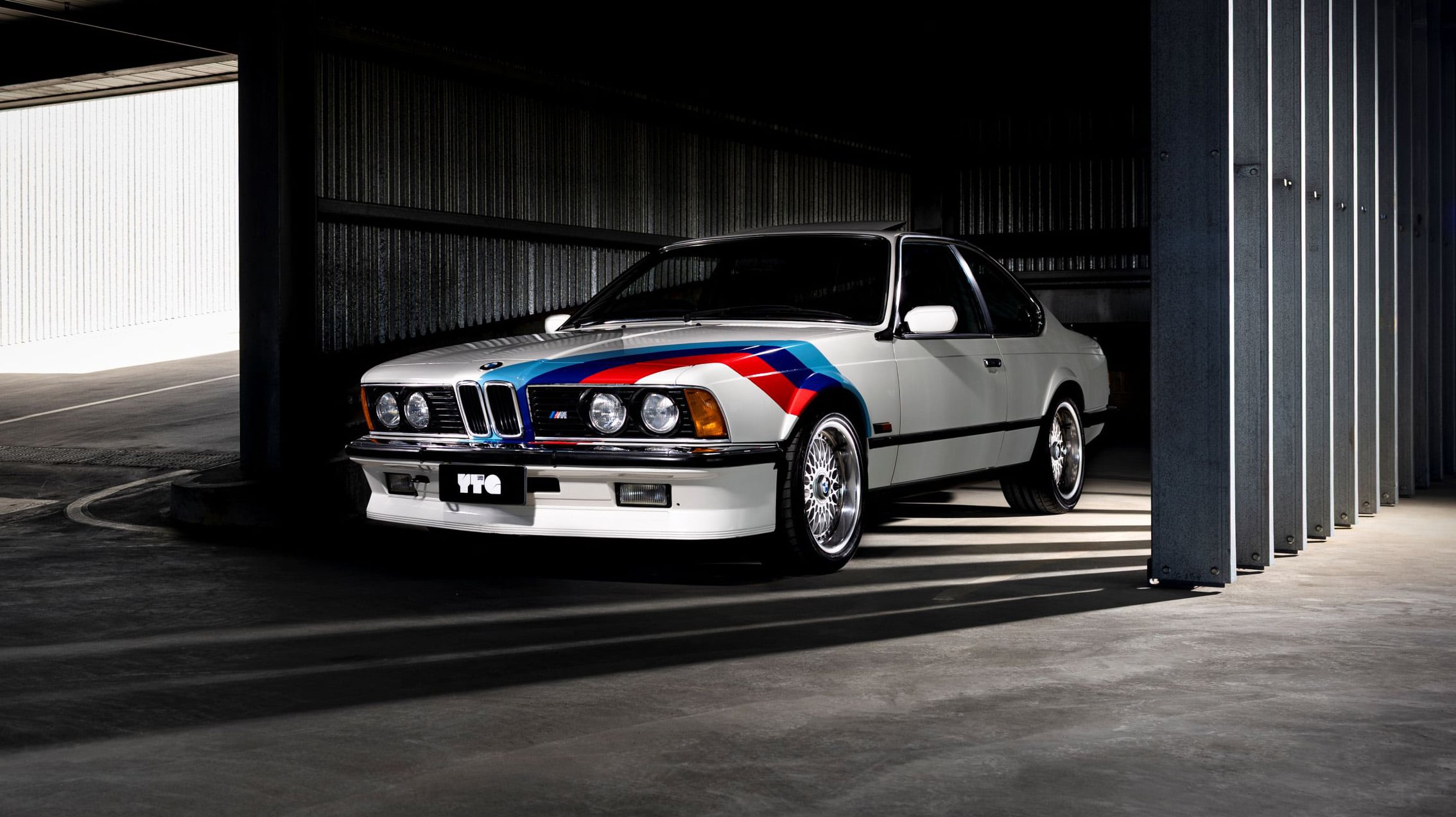
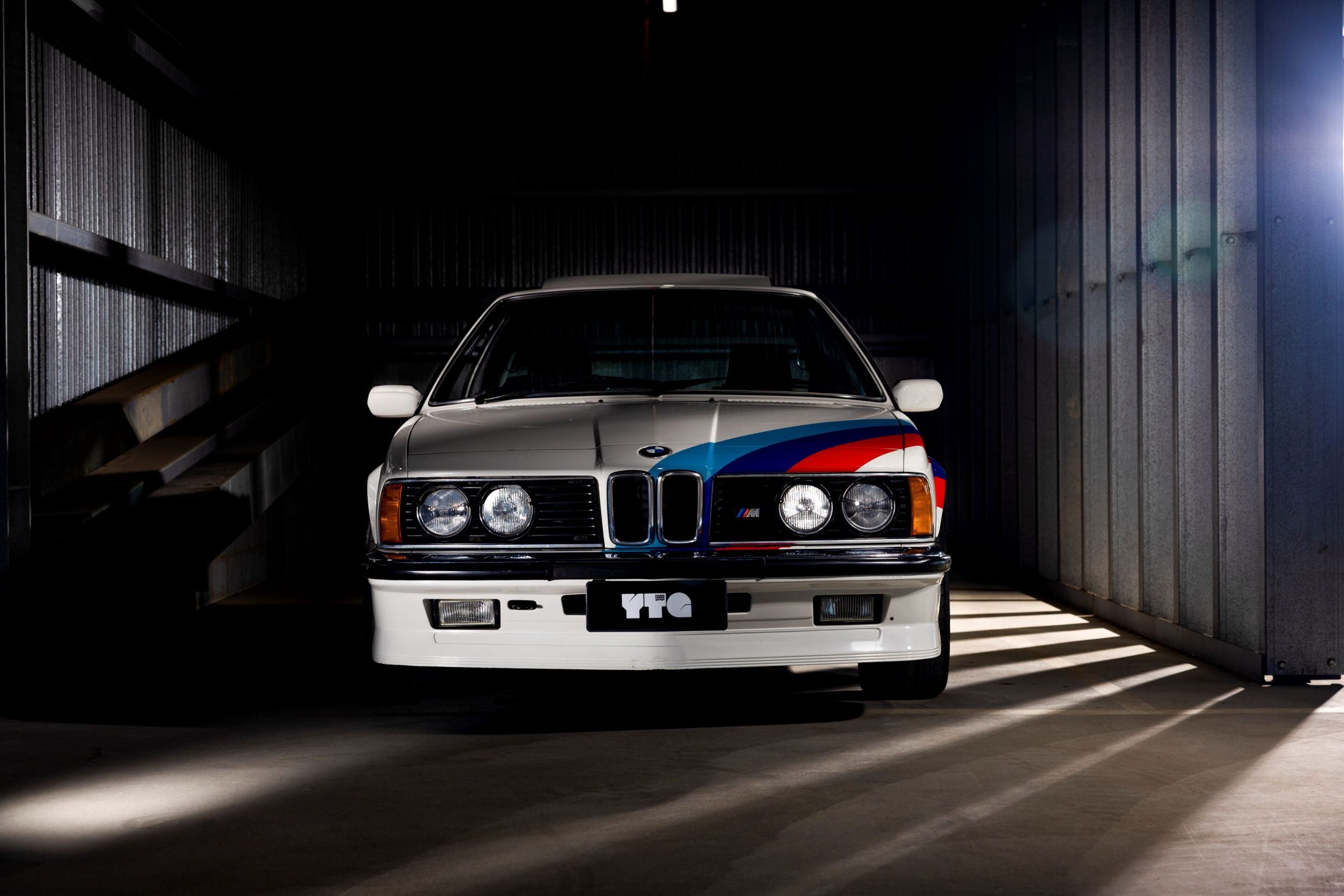
Our M635CSi
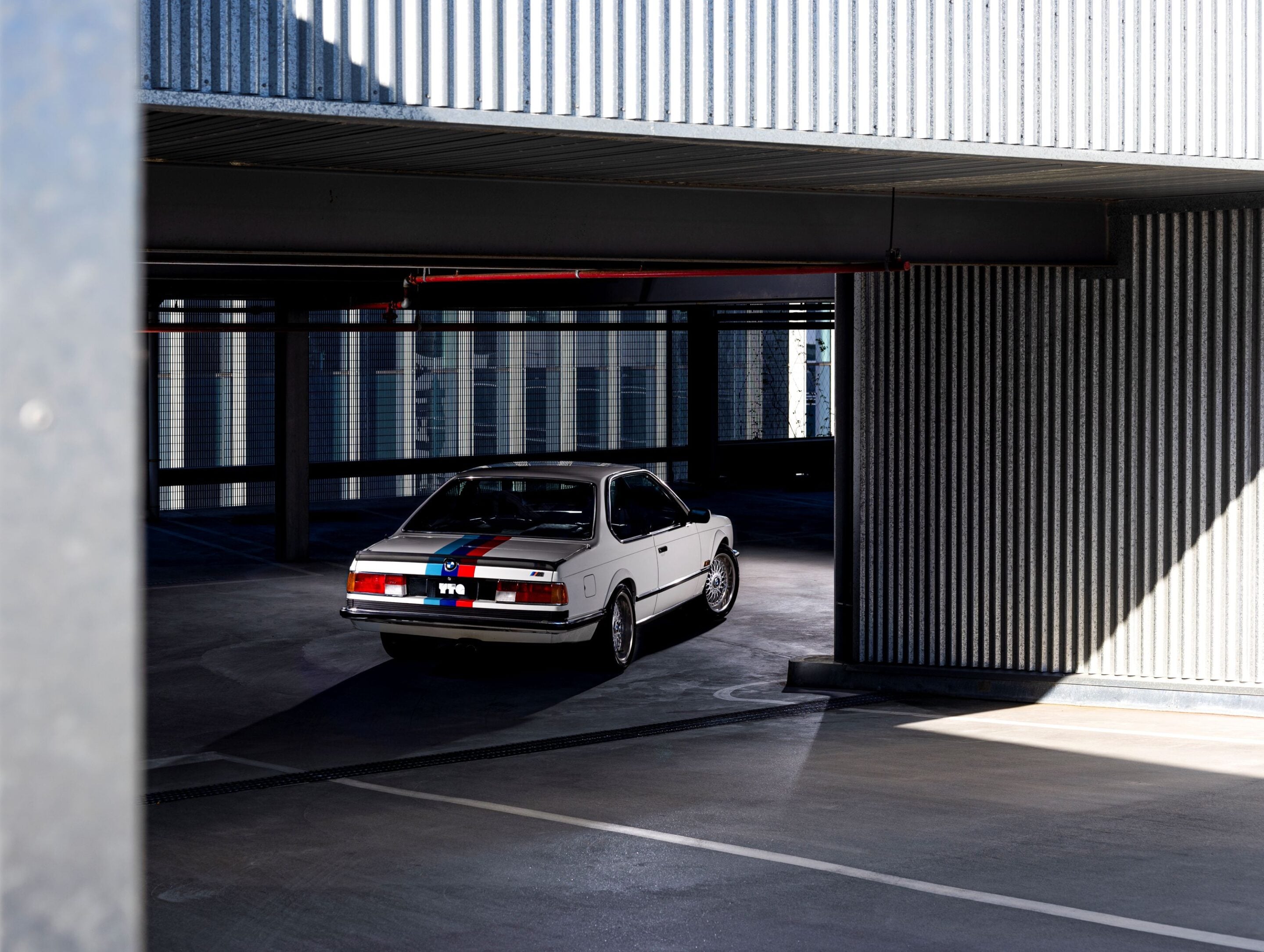
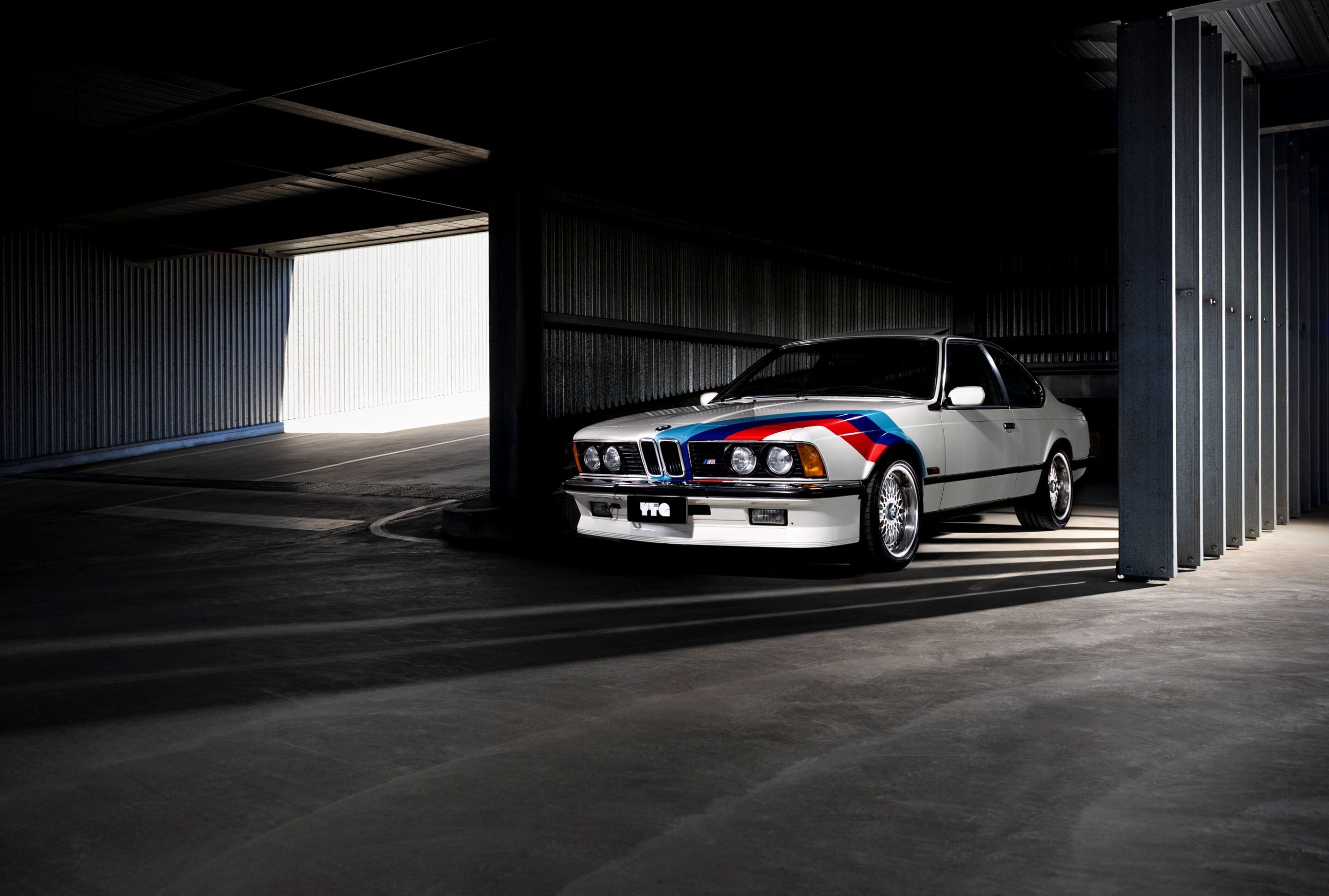
The stunning car on these pages is a 1986 UK-delivered model imported into Australia in 2019.’
Finished in classic Alpine White over black Buffalo leather interior, this original, matching numbers car has a mere 49,200 miles (79,179km) showing on the odometer.
Completely original in every respect (other than its iconic tri-colour BMW Motorsport livery), this M635CSi features its original factory sound system, 17-inch BBS alloy wheels, factory air-con, electric aerial, powered sunroof and even the original toolkit in the boot.
A rare car in Australia (it was never officially sold here by BMW), this M635CSi was provided courtesy of Melbourne’s Young Timer Garage.
1
Specs
| Model | BMW 1986 BMW M635CSi |
|---|---|
| Engine | 3453cc DOHC inline-six cylinder |
| Power | 210kW @ 6500rpm |
| Torque | 340Nm @ 4500rpm |
| Transmission | 5-speed close-ratio Getrag manual, rear-wheel drive |
| 0-100km/h | 6.4 seconds |
| Top speed | 255km/h |
| Wheels | 17-inch BBS RS 007 alloys |
| Tyres | Michelin TRX |
| Dimensions (l/w/h/wb) | 4755/1725/1355/2624mm |
| Kerb weight | 1500kg |
| Suspension | MacPherson strut (front) / independent semi-trailing arm (rear) |
| Brakes | 300mm four-piston (front) / 284mm (rear) |
| Price when new | £40,950 (UK) (A$78,191) |
| Price today | $100,000-$170,000 (est. based on condition and mileage) |
This story first appeared in the December 2026 issue of Wheels magazine, now on sale. Subscribe here and gain access to 12 issues for $109 plus online access to every Wheels issue since 1953.
Follow WhichCar/Wheels on Google
Click the button below to make WhichCar by Wheels a preferred source for your news.

We recommend
-
 Reviews
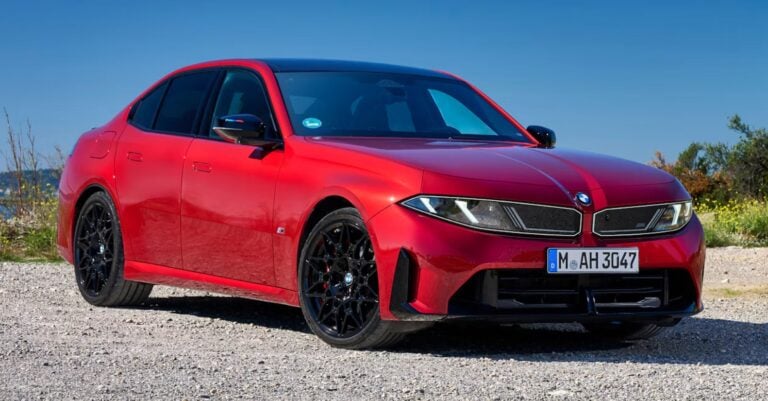
2026 BMW 3 Series international first drive: The sports sedan benchmark gets even better
Our colleagues at AutoExpress found BMW's new-generation 3 Series combines sharper handling, six-cylinder performance and a futuristic cabin to challenge its German rivals.
-
 Reviews
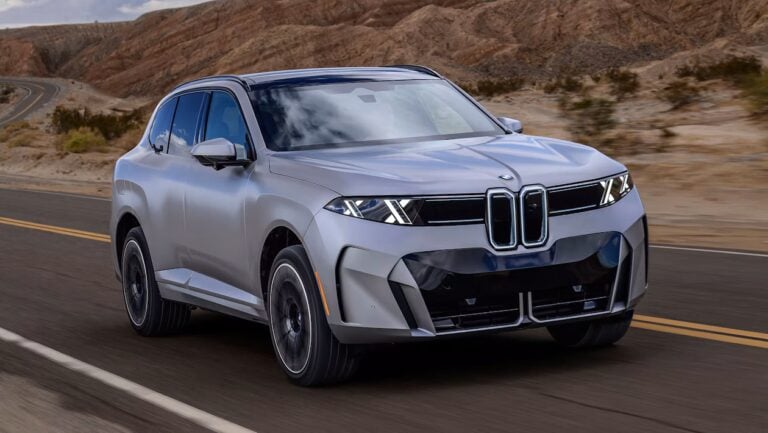
BMW iX5 review: Huge battery, huge on-road ability and great driver tech elevate all-electric SUV
Our mates at AutoExpress were mightily impressed with the BMW iX5, which packs all the space of a big SUV with the road manners of a car far smaller.
-
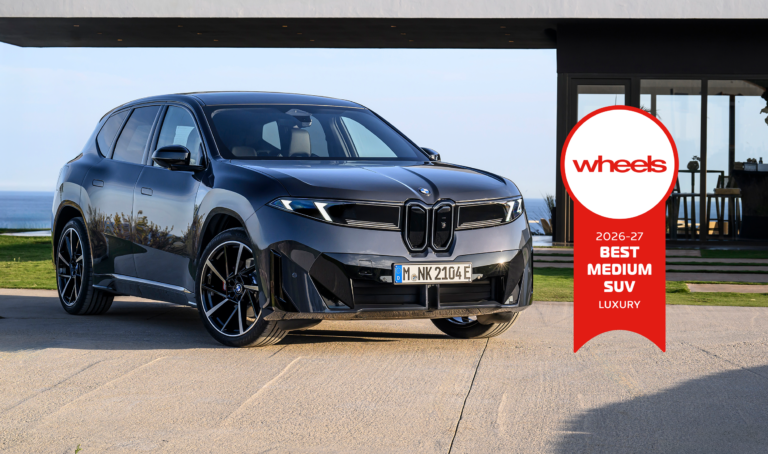 Best Medium SUVs
 2026: Luxury
Our contenders in the Luxury segment range from European benchmarks to ambitious newcomers, but all bring an enticing blend of premium comfort, performance and advanced technology.
