Best Medium SUVs

Gallery 1
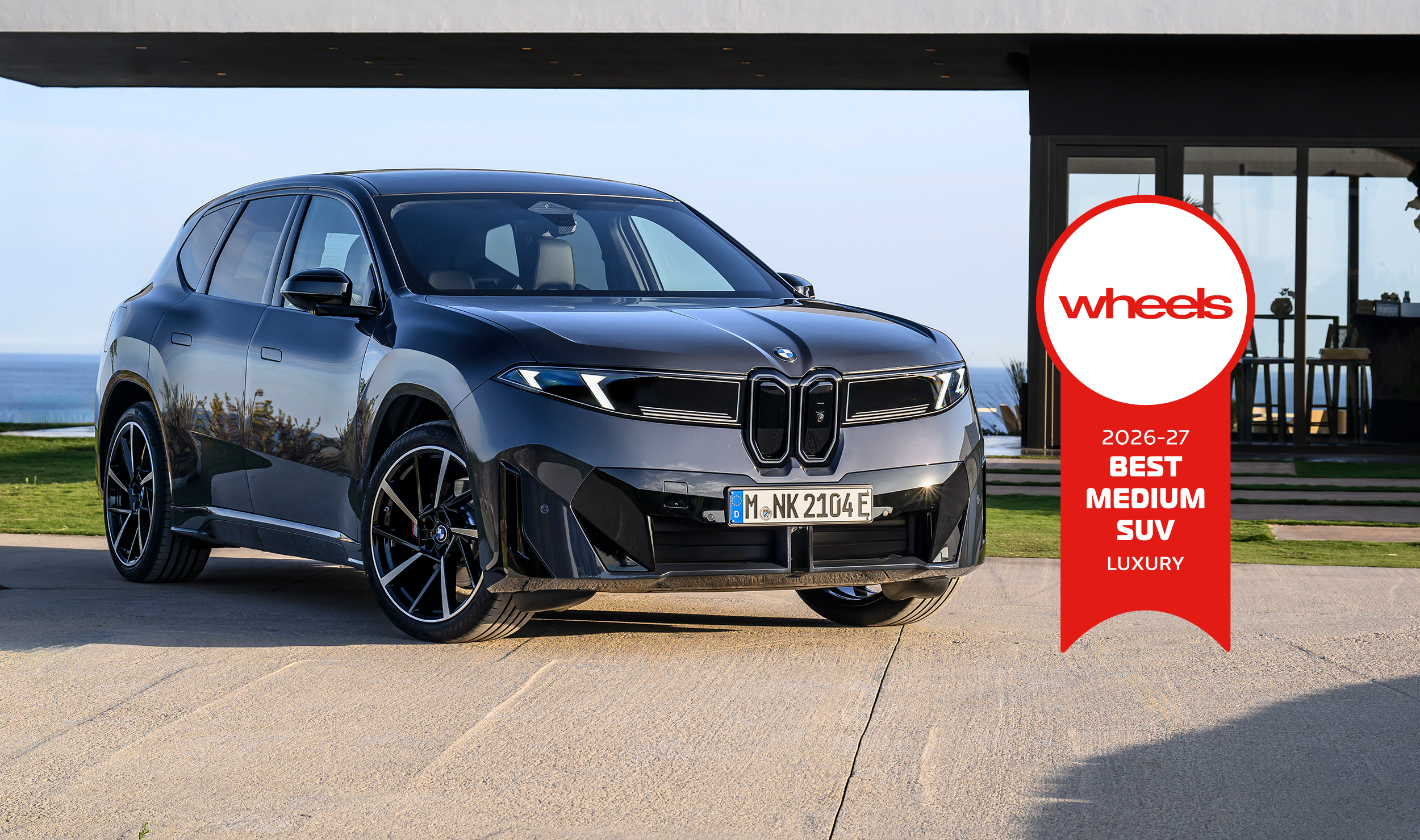
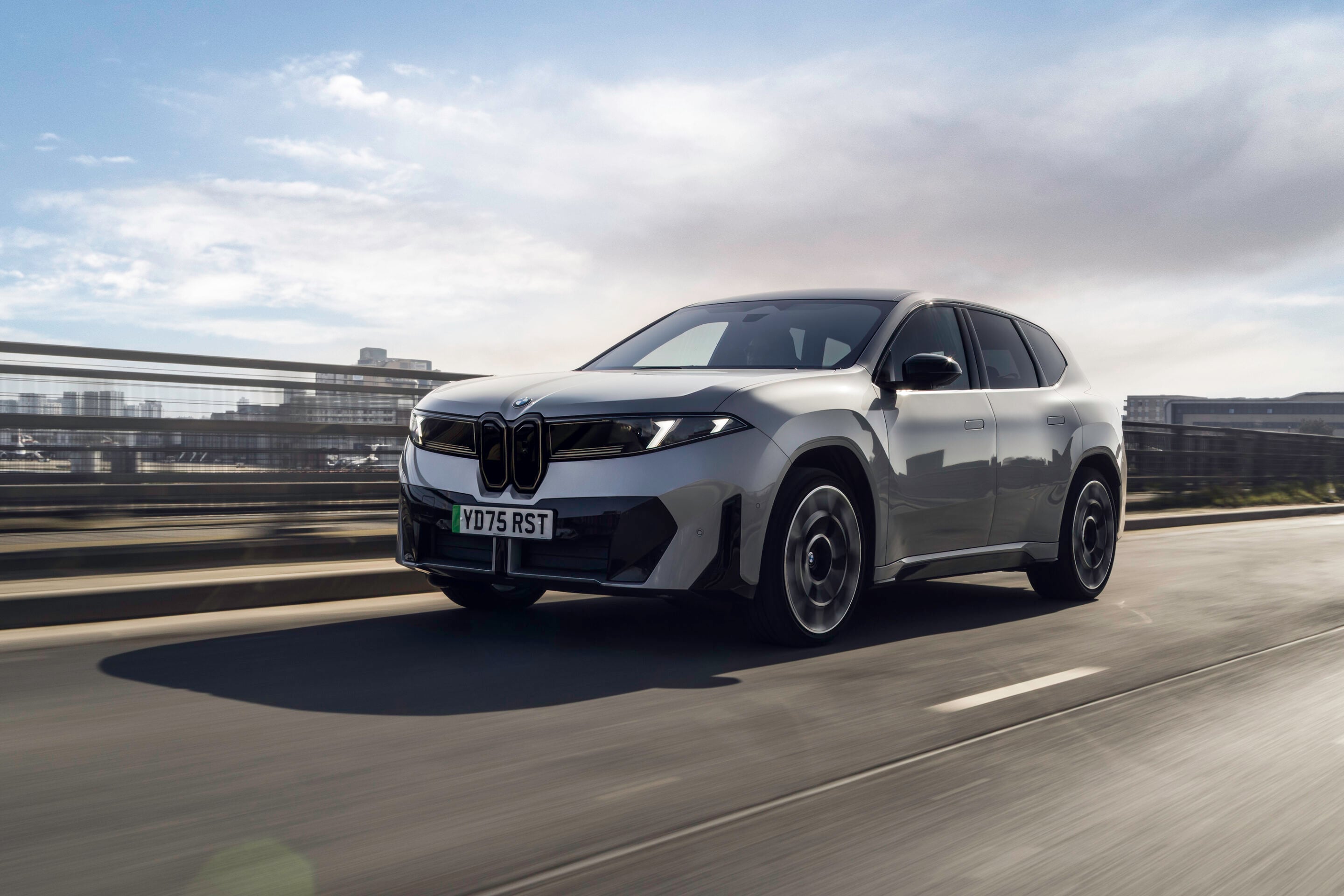
Winner: BMW X3 / iX3
4
Price: X3 from $86,100 plus on-road costs; iX3 from $89,900 plus on-road costs
Drivetrains: X3 – petrol mild-hybrid, diesel mild-hybrid or plug-in hybrid, eight-speed automatic, AWD; iX3 – single-motor RWD or dual-motor AWD electric
Outputs: X3 20 xDrive 140kW/310Nm; X3 30e 220kW/450Nm; X3 40d 223kW/670Nm; X3 M50 293kW/580Nm; iX3 40 235kW/500Nm; iX3 50 xDrive 345kW/645Nm
Claimed combined fuel consumption: From 1.6L/100km (X3 30e)
EV range (claimed): X3 30e up to 91km; iX3 up to 805km WLTP
Warranty: 5-year/unlimited km
Service cost: iX3 $1614 for four years / $2420 for six years
| Driving | |
| Interior | |
| Practicality | |
| Overall value | |
Strengths
- Excellent dynamics across both X3 and iX3 ranges
- iX3 combines exceptional range with ultra-fast charging
- High-quality, spacious and technologically advanced cabin
Weaknesses
- Ride can become brittle on optional 22-inch wheels
- Heavy reliance on touchscreen controls
- Premium pricing rises quickly higher up the range
BMW’s X3 has long been one of the benchmarks among luxury medium SUVs, but the arrival of the new-generation iX3 gives buyers two quite different interpretations of the same basic brief. The combustion-powered X3 offers petrol, diesel and plug-in hybrid choices, while the Neue Klasse-based iX3 represents BMW’s next generation of electric technology.
The conventional X3 range starts with the 140kW X3 20 xDrive at $86,100 before on-road costs. The 30e plug-in hybrid costs $104,100 and combines a 2.0-litre petrol engine with an electric motor for 220kW and 450Nm, while offering up to 91km of electric driving. A muscular six-cylinder 40d diesel and performance-focused M50 sit above it.
The X3 remains a polished all-rounder. Its 4755mm body provides generous passenger room, while the regular 20 xDrive offers 570 litres of luggage capacity. The PHEV sacrifices some underfloor space, reducing that figure to 460 litres, but retains the comfortable second row and practical proportions expected from a family SUV.
It is the new iX3, however, that moves the game forward. We have earlier described it as a new benchmark, praising its performance, dynamics and next-generation EV technology. The rear-drive iX3 40 starts at $89,900, pairing an 82.6kWh battery with a 235kW/500Nm motor and a claimed 635km WLTP range.
The $109,900 iX3 50 xDrive uses a larger 108.7kWh battery and dual motors producing 345kW and 645Nm. BMW claims an exceptional 805km WLTP range, while its 800-volt electrical architecture allows DC charging at up to 400kW. A 10-80 per cent recharge can take as little as 21 minutes on a sufficiently powerful charger.
Despite weighing 2285kg in 50 xDrive form, the iX3 retains genuine BMW character. Accurate steering, predictable brake feel and balanced chassis, combined with its rear-biased AWD system, give it a more engaging personality than many electric SUVs. The main dynamic criticism concerns its firm ride on optional 22-inch wheels; the standard 20s noticeably improve comfort.
Inside, the iX3 introduces BMW’s Panoramic Vision display across the base of the windscreen, complemented by a large 17.8-inch central touchscreen. There is plenty of rear-seat space, while the boot holds 520 litres or 1750 litres with the rear seats folded. The interface takes time to learn and physical controls are scarce, but presentation and technology are among the class leaders.
Whether buyers prefer the flexibility of petrol, diesel and plug-in hybrid power or the extraordinary range and rapid charging of the new iX3, the X3 family remains one of the most complete propositions in the luxury medium SUV class.
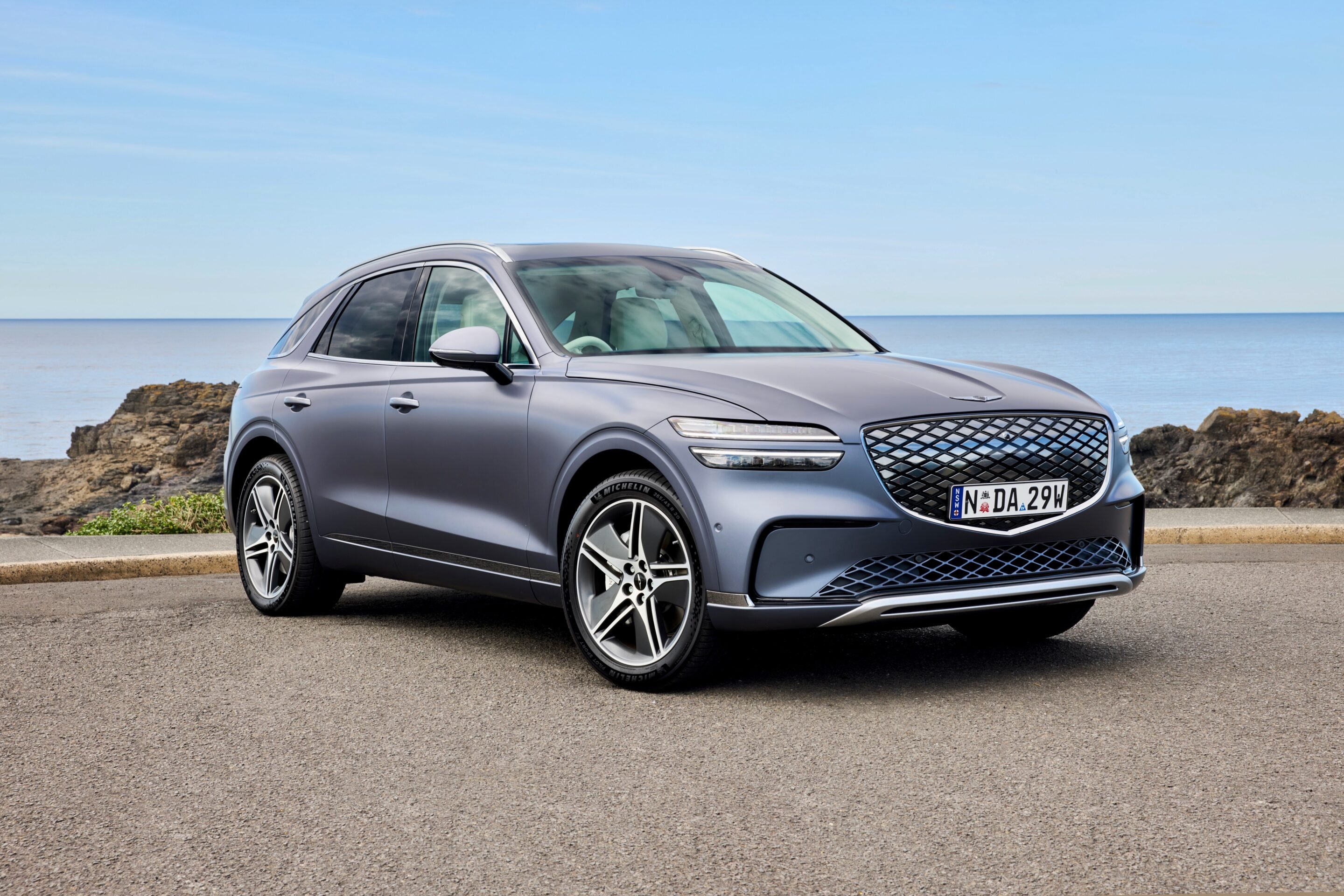
Genesis GV70
8
Price: From $79,300 plus on-road costs (2.5T Advanced) to $100,800 (3.5T Signature Sport)
Drivetrain: 2.5-litre turbocharged four-cylinder or 3.5-litre twin-turbo V6 petrol, eight-speed automatic, all-wheel drive
Outputs: 224kW/422Nm (2.5T), 279kW/530Nm (3.5T)
Fuel economy: 10.3L/100km (2.5T), 11.3L/100km (3.5T)
Warranty: Five-year/unlimited kilometres
Five-year service cost: $0 (complimentary scheduled servicing for five years/75,000km)
| Driving | |
| Interior | |
| Practicality | |
| Overall value | |
Strengths
- Beautifully finished interior
- Generous standard equipment
- Strong performance and refinement
Weaknesses
- No hybrid option
- Intrusive driver assistance warnings
- Thirsty petrol engines
The Genesis GV70 continues to make a compelling case against established European luxury SUVs, combining distinctive styling, an exceptionally well-appointed interior and impressive value for money.
A substantial facelift in 2025 brought sharper exterior detailing, upgraded technology and improved cabin presentation. Changes for 2026 are relatively minor, including a new digital key system and additional exterior colour, but the GV70 remains one of the segment’s most appealing alternatives to the usual German contenders.
Pricing starts at $79,300 before on-road costs for the 2.5T Advanced, with Signature and Signature Sport grades adding further luxury equipment. The 3.5-litre twin-turbo V6 is reserved for the two upper specifications.
The 2.5T produces a healthy 224kW and 422Nm, while the V6 increases outputs to 279kW and 530Nm. Both deliver effortless performance through an eight-speed automatic transmission and all-wheel drive, although fuel consumption is disappointing compared with increasingly electrified rivals.
Inside, the Genesis is a standout. A sweeping 27-inch OLED display combines instrumentation and infotainment, while the beautifully finished dashboard, supportive seating and extensive use of premium materials create a genuinely luxurious atmosphere. Standard equipment includes heated and ventilated front seats, leather upholstery, a panoramic sunroof and comprehensive safety technology.
Practicality is competitive, with a 542-litre boot expanding to 1678 litres, although rear accommodation isn’t quite as generous as some rivals.
On the road, the GV70 combines confident handling with excellent refinement and a generally comfortable ride. The V6 adds considerable punch, but the lighter, less expensive four-cylinder is arguably the better all-round choice.
Five years of complimentary servicing further strengthens the ownership proposition.
Despite its thirsty engines and occasionally overzealous safety alerts, the GV70 delivers a compelling combination of luxury, performance and value that makes it a serious contender in this category.
Mercedes-Benz GLC
6
Price: From $89,000 plus on-road costs (GLC 200), $99,900 (GLC 350e PHEV), $110,000 (GLC 400 electric Limited Edition)
Drivetrain: 2.0-litre turbocharged four-cylinder mild-hybrid or plug-in hybrid, nine-speed automatic, all-wheel drive; dual-motor electric AWD
Outputs: 150kW/320Nm (GLC 200), 190kW/400Nm (GLC 300), 230kW/550Nm (GLC 350e), 360kW/700Nm (GLC 400 electric)
Fuel economy: 7.5–7.7L/100km (petrol), 1.2L/100km (PHEV);
EV range: Up to 107km WLTP electric range (PHEV)
Warranty: Five-year/unlimited kilometres
Five-year service cost: $7350 (petrol/PHEV prepaid plan)
| Driving | |
| Interior | |
| Practicality | |
| Overall value | |
Strengths
- Excellent refinement and ride comfort
- High-quality interior
- Impressive plug-in hybrid electric range; spacious and practical cabin
Weaknesses
- Expensive servicing
- Touchscreen-heavy controls
- Costly options
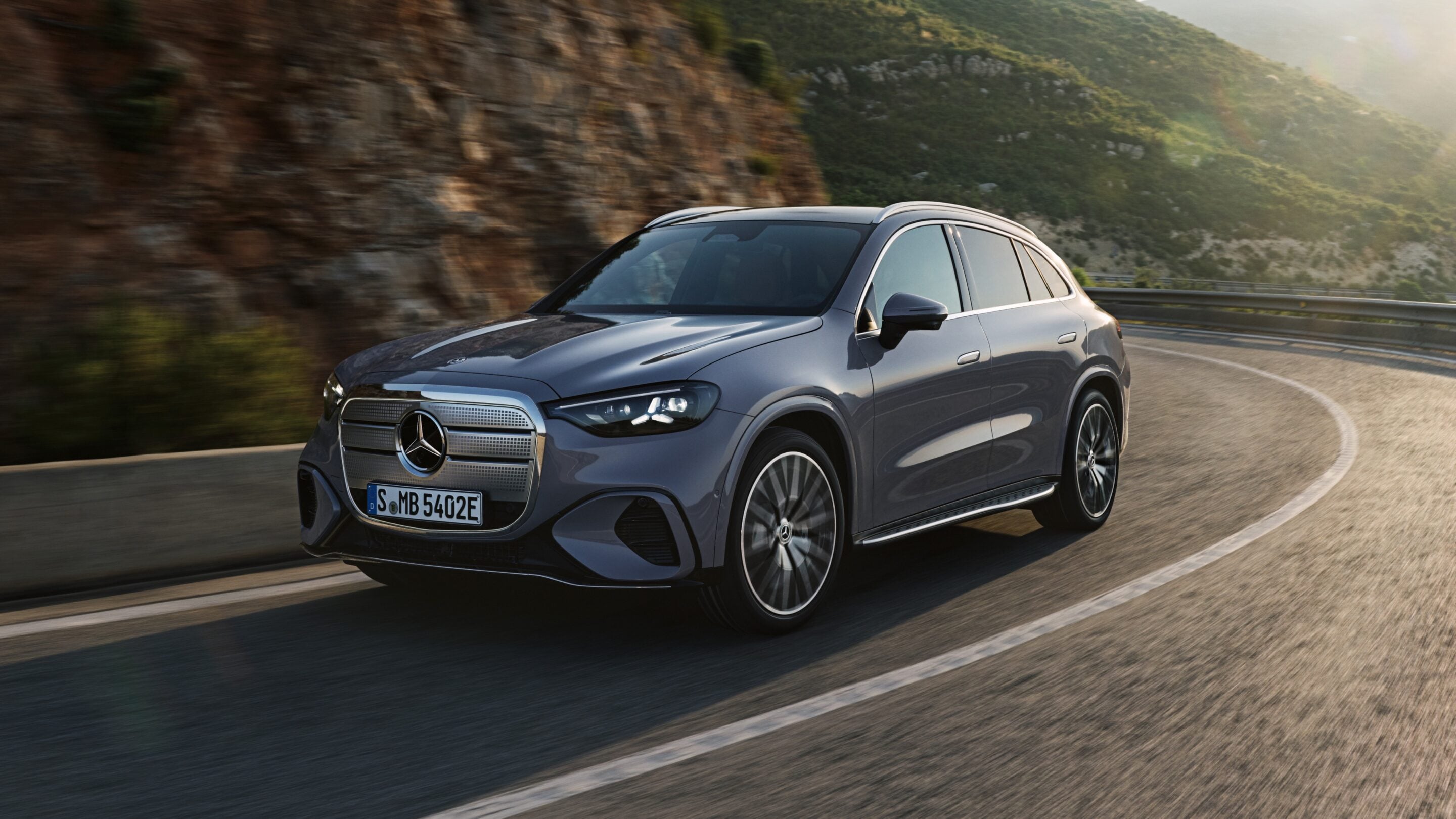
The Mercedes-Benz GLC has become one of the German brand’s most important models, and its combination of luxury, refinement and everyday practicality keeps it firmly in contention among the best premium medium SUVs.
The range is extensive, beginning with the GLC 200 at $89,000 before on-road costs. Its 2.0-litre turbocharged petrol engine produces 150kW and 320Nm, while the GLC 300 increases outputs to 190kW and 400Nm. Both feature 48-volt mild-hybrid assistance.
Arguably the sweet spot is the GLC 350e plug-in hybrid, which combines 230kW and 550Nm with a useful 107km WLTP electric driving range. That makes it particularly appealing for buyers wanting electric commuting without sacrificing long-distance flexibility.
There’s also a new all-electric GLC 400 4MATIC, priced from $110,000, although it rides on an entirely different platform. Its 360kW dual-motor drivetrain, 630km WLTP range and rapid 330kW DC charging add another dimension to the GLC family.
Inside, the GLC delivers the expected Mercedes-Benz luxury experience, with excellent materials, supportive seating and an impressive digital presentation. The large central touchscreen dominates the dashboard, although the shortage of conventional controls can make everyday functions unnecessarily fiddly.
Practicality is not forgotten. Petrol models offer up to 620 litres of luggage capacity, while rear-seat accommodation is generous enough for family duties.
On the road, the GLC favours comfort and refinement over sporting pretensions. Steering is accurate, performance is effortless in the more powerful variants, and the suspension generally delivers a composed ride.
The biggest drawback is ownership expense, particularly servicing, while some desirable equipment remains optional.
Nevertheless, the GLC’s blend of comfort, technology, practicality and increasingly diverse electrified powertrains makes it one of the segment’s most accomplished all-rounders.
MG IM6
1
Price: From $60,990 plus on-road costs (Premium), $67,990 (Platinum), $77,990 (Performance) Drivetrain: Single-motor rear-wheel drive or dual-motor all-wheel drive, single-speed transmission, 75kWh or 100kWh battery
Outputs: 217kW (Premium), 300kW (Platinum), 572kW/802Nm (Performance)
Driving range (WLTP): 450km (Premium), 555km (Platinum), 505km (Performance)
Warranty: Seven-year/unlimited-kilometre vehicle warranty; 10-year/250,000km battery warranty
Five-year service cost: TBC
| Driving | |
| Interior | |
| Practicality | |
| Overall value | |
Strengths
- Outstanding acceleration
- Spacious, luxurious cabin
- Clever rear-wheel steering
Weaknesses
- Inconsistent ride quality
- Frustrating touchscreen controls
- Poor rear visibility
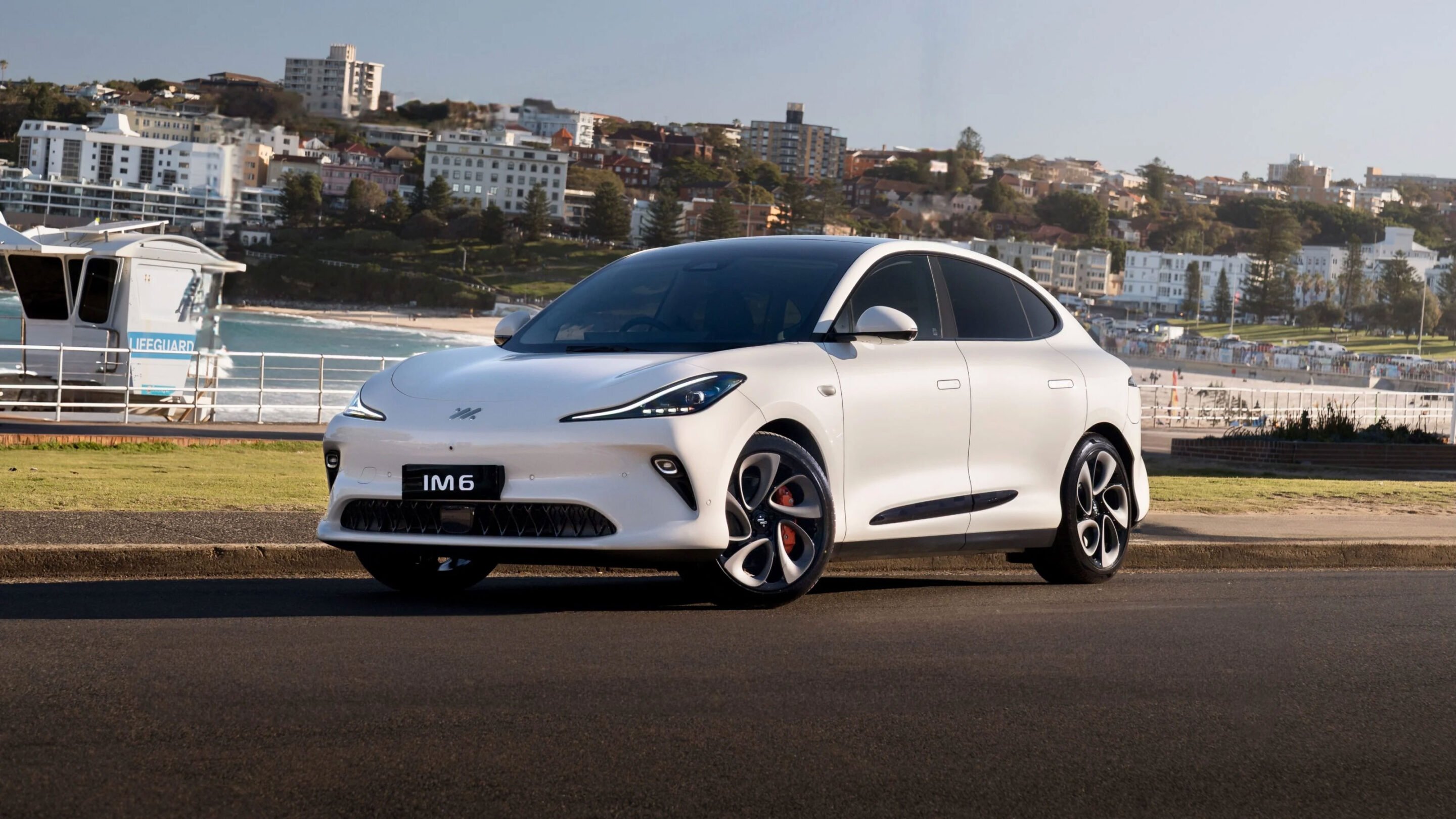
The MG IM6 represents a bold move into premium territory for the Chinese manufacturer, combining impressive technology, substantial performance and a luxurious cabin at prices well below many established European rivals.
Developed by SAIC’s IM Motors luxury division, the IM6 is a large, coupe-styled electric SUV positioned against the Tesla Model Y, BYD Sealion 7 and other premium electric contenders.
Three variants are available, beginning with the rear-wheel-drive Premium at $60,990 before on-road costs. The Platinum increases battery capacity to 100kWh and offers the longest range at 555km WLTP, while the flagship Performance adds a second motor for all-wheel drive.
With a massive 572kW and 802Nm, the Performance can reach 100km/h in just 3.4 seconds. Its sophisticated 800-volt architecture also supports DC charging at up to 396kW, making it one of the fastest-charging electric SUVs available.
Inside, the IM6 delivers a convincing luxury experience, with comfortable seating, generous rear legroom and an enormous 26.3-inch panoramic display complemented by a separate 10.5-inch touchscreen. A 646-litre boot in the Performance adds considerable practicality.
Standard rear-wheel steering provides exceptional manoeuvrability for such a large vehicle, while the Performance also features adaptive air suspension.
However, the driving experience doesn’t quite match the impressive specifications. Although acceleration is extraordinary and cabin refinement excellent, the suspension can struggle with broken surfaces and body control is less convincing through corners.
Overly intrusive driver assistance systems, limited rearward visibility and an excessive reliance on touchscreen controls also detract from the experience.
Ultimately, the IM6 offers remarkable performance, technology and interior space for the money, although the more affordable Platinum arguably makes greater sense than the flagship Performance. It’s an impressive luxury newcomer, but not yet a class leader for driving enjoyment.
Porsche Macan
7
Price: From $128,400 plus on-road costs (Macan Electric), $149,300 (4S), $184,400 (Turbo), based on published Australian launch pricing
Drivetrain: Single-motor rear-wheel drive or dual-motor all-wheel drive, single-speed transmission, 100kWh battery (95kWh usable)
Outputs: 265kW/563Nm (RWD), 300kW/650Nm (4), 380kW/820Nm (4S), 470kW/1130Nm (Turbo)
Driving range: Up to 654km WLTP (RWD), based on launch specifications
Warranty: Three-year/unlimited kilometres; eight-year/160,000km battery warranty
Five-year service cost: $2995 (prepaid service plan, published pricing)
| Driving | |
| Interior | |
| Practicality | |
| Overall value | |
Strengths
- Outstanding handling and steering
- Excellent ride comfort
- Powerful drivetrains
Weaknesses
- Expensive purchase price and options
- Modest rear-seat space
- Considerable weight
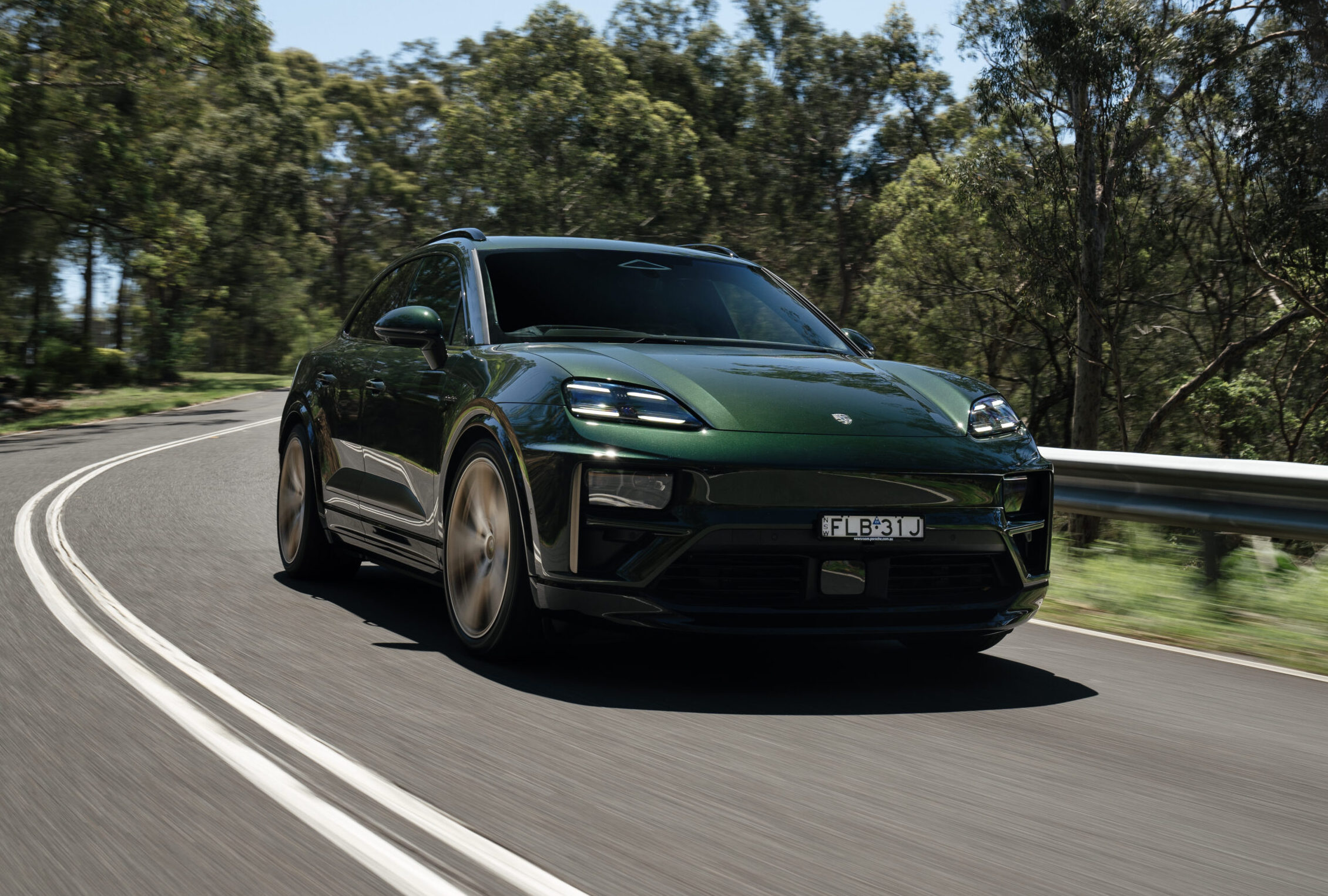
The Porsche Macan has long been regarded as one of the best-driving luxury medium SUVs, and its transformation into an exclusively electric model has done little to diminish that reputation.
The second-generation Macan sits on a dedicated 800-volt EV platform, with a 100kWh battery and a choice of rear- or all-wheel drive. Pricing starts at $129,800 before on-road costs, while the Macan 4 and 4S cost $137,600 and $149,300 respectively. The performance-focused GTS and Turbo complete the five-model range.
Even the entry-level rear-driver produces up to 265kW, while the flagship Turbo delivers a staggering 470kW and 1130Nm, reaching 100km/h in just 3.3 seconds. Maximum DC charging capacity is 270kW, allowing a 10-80 per cent recharge in approximately 21 minutes.
Inside, the Macan combines Porsche’s traditional driver-focused layout with contemporary digital technology. A curved 12.6-inch instrument display and 10.9-inch central touchscreen are complemented by excellent materials, supportive seating and welcome physical climate controls.
Practicality is reasonable rather than outstanding, with up to 540 litres of rear luggage space, plus additional storage beneath the bonnet.
But it’s on the road where the Macan truly distinguishes itself. Steering precision, body control and cornering balance are exceptional for a heavy electric SUV, while the suspension delivers an impressive compromise between comfort and sporting ability.
The Macan 4S arguably strikes the best balance between performance, price and everyday usability, with the GTS adding further dynamic polish.
Its substantial purchase price, expensive options and disappointing three-year warranty count against it, while some traditional Porsche character has inevitably disappeared with the petrol engine.
Nevertheless, few electric SUVs combine luxury, refinement and genuine driver engagement as convincingly as the Macan.
Range Rover Velar
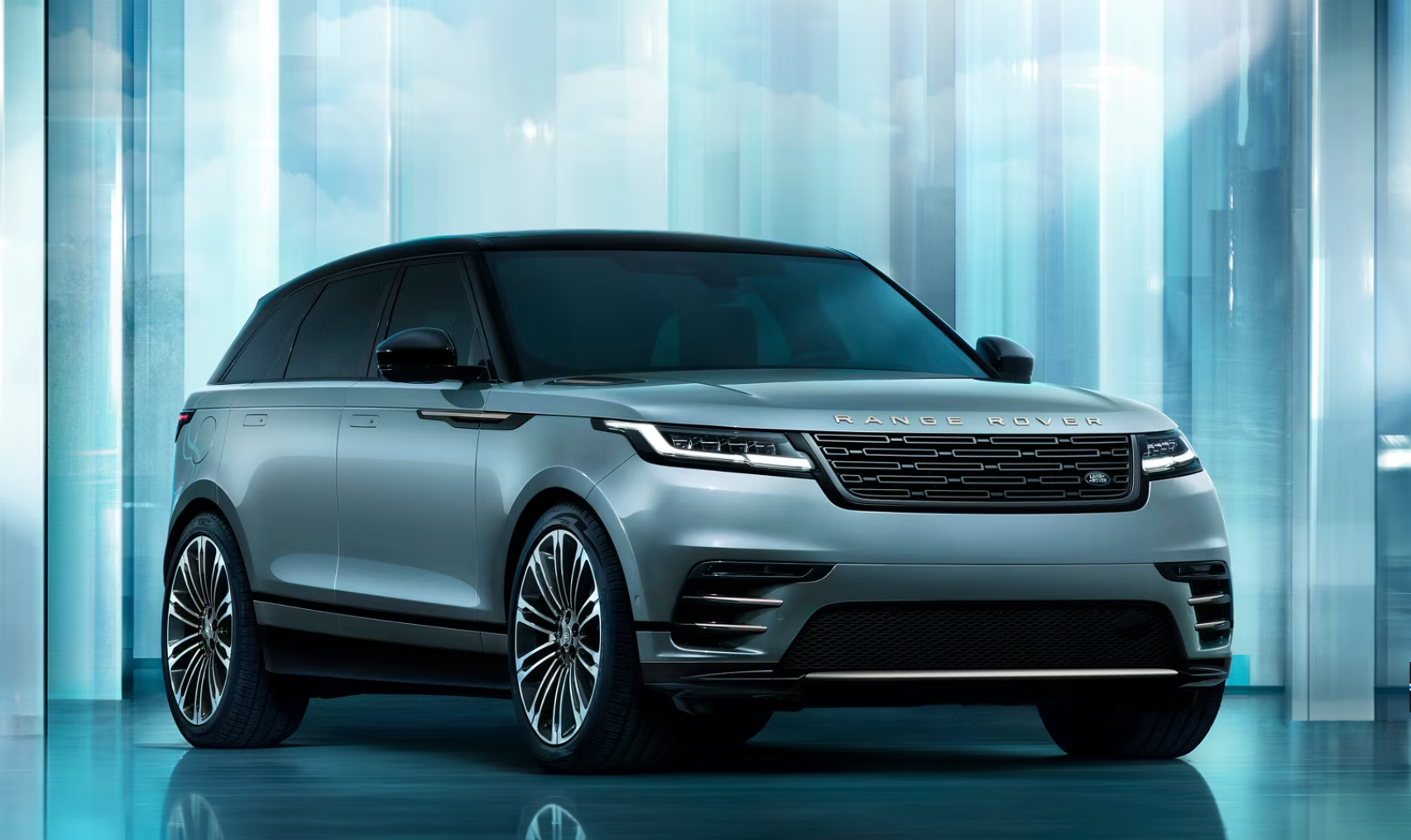
4
Price: From approximately $106,000 plus on-road costs (P250); $138,961 (Autobiography P400e) Drivetrain: 2.0-litre turbocharged four-cylinder petrol, 3.0-litre turbocharged six-cylinder mild-hybrid or 2.0-litre plug-in hybrid; eight-speed automatic, all-wheel drive
Outputs: 184kW/365Nm (P250), 294kW/550Nm (P400), 297kW/640Nm (P400e)
Fuel economy: 9.1L/100km (P400), 2.2L/100km (P400e); PHEV electric range up to 69km (NEDC) Warranty: Five-year/unlimited kilometres
Five-year service cost: $2500 (P250/P400e), $2900 (P400), prepaid plans covering up to 102,000km
| Driving | |
| Interior | |
| Practicality | |
| Overall value | |
Strengths
- Elegant design
- Plush ride and excellent refinement
- Beautifully appointed interior
Weaknesses
- Expensive against rivals
- Ageing safety technology
- Modest PHEV electric range
The Range Rover Velar remains one of the most stylish luxury SUVs on sale, its elegant proportions and minimalist detailing helping disguise the fact that the current generation dates back to 2017.
Positioned between the Evoque and Range Rover Sport, the Velar combines the brand’s traditional emphasis on comfort and refinement with a sleeker, more contemporary appearance. Recent updates have introduced revised lighting, additional exterior colours and improvements to its infotainment system.
The Australian range offers three powertrain choices. The entry-level P250 uses a 184kW turbocharged four-cylinder petrol engine, while the P400 combines a 3.0-litre turbocharged six-cylinder with mild-hybrid assistance, producing 294kW and 550Nm.
The P400e plug-in hybrid delivers even stronger outputs of 297kW and 640Nm, although its claimed 69km electric range is less impressive than newer PHEV rivals. Real-world electric driving distances can also fall considerably short of that figure.
Inside, the Velar continues to impress with its beautifully restrained design, high-quality materials and comfortable seating. The curved 11.4-inch Pivi Pro touchscreen provides a modern centrepiece, although integrating most climate functions into the display sacrifices some convenience.
Passenger accommodation is generous, and the substantial luggage compartment makes the Velar a practical family proposition.
On the road, refinement is a particular strength. The available air suspension delivers a supple ride, while accurate steering and reassuring handling make the Velar enjoyable despite its considerable size and weight.
However, the underlying platform is showing its age. Some advanced safety features offered by newer competitors are missing, and the Velar’s previous five-star ANCAP rating expired in 2023.
Its premium pricing and lengthy options list further weaken the value proposition.
Nevertheless, the Velar’s combination of distinctive styling, luxurious accommodation and relaxed driving manners ensures it remains an appealing alternative to more conventional German rivals.
Volvo XC60
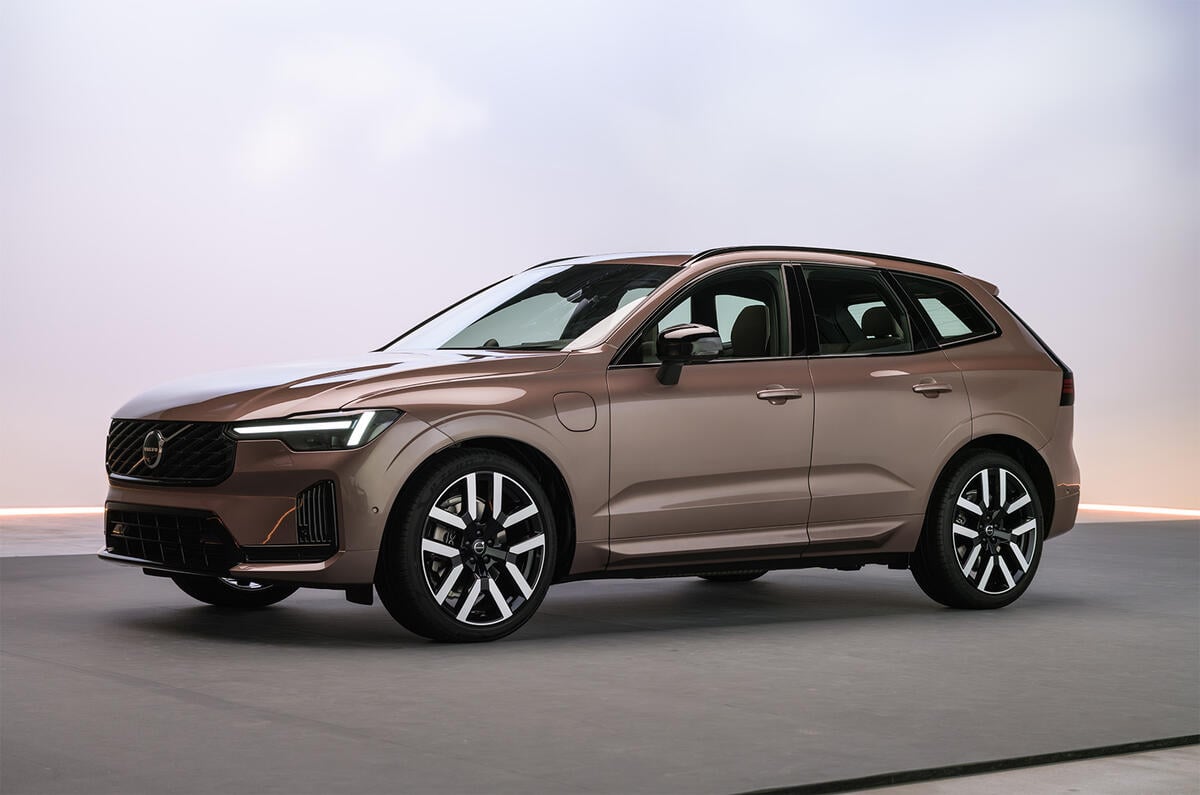
5
Price: From $74,990 plus on-road costs (B5), $92,990 plus on-road costs (T8 PHEV)
Drivetrain: 2.0-litre turbocharged four-cylinder mild-hybrid or plug-in hybrid, eight-speed automatic, all-wheel drive
Outputs: 183kW/350Nm (B5), 340kW/709Nm (T8)
Fuel economy: 7.6L/100km (B5), 1.6L/100km (T8);
EV range: 89km WLTP electric range (T8)
Warranty: Five-year/unlimited kilometres
Five-year service cost: $3870
| Driving | |
| Interior | |
| Practicality | |
| Overall value | |
Strengths
- Excellent comfort and refinement
- Beautifully finished cabin
- Strong hybrid powertrains
Weaknesses
- Ageing platform
- Expensive servicing
- Some awkward touchscreen controls
Now approaching a decade in its current generation, the Volvo XC60 remains a convincing luxury medium SUV thanks to its emphasis on comfort, understated design and quality rather than outright sportiness.
A recent facelift introduced a revised grille, fresh wheel designs and updated lighting, while the cabin gained a larger 11.2-inch infotainment touchscreen with Google built-in. The changes help maintain its appeal, although newer rivals offer more contemporary technology and packaging.
Australian buyers can choose between two powertrains. The B5 combines a 2.0-litre turbocharged petrol engine with 48-volt mild-hybrid assistance, producing 183kW and 350Nm. The more expensive T8 plug-in hybrid lifts combined outputs to a substantial 340kW and 709Nm, with up to 89km of electric-only driving on the WLTP cycle.
Both use an eight-speed automatic transmission and all-wheel drive.
Inside, the XC60 continues to impress with its supportive seating, high-quality materials and restrained Scandinavian presentation. Passenger accommodation is generous, while the practical luggage compartment and thoughtful storage solutions suit family duties.
On the road, the Volvo prioritises refinement over enthusiastic cornering. Steering is light and accurate, body control is reassuring and the suspension generally absorbs poor surfaces with composure. The B5 offers sufficient performance for everyday driving, although its fuel consumption is less impressive than some hybrid competitors.
Importantly, a further update is on the way, bringing substantially greater plug-in hybrid electric range. Overseas specifications indicate up to 189km WLTP for the revised T8, while a T6 version offers up to 200km. Australian timing and final specifications remain unconfirmed.
The XC60 might lack the technological sophistication of newer competitors, but its comfortable ride, luxurious cabin and relaxed driving character ensure it remains a strong contender.
Follow WhichCar/Wheels on Google
Click the button below to make WhichCar by Wheels a preferred source for your news.