Best Medium SUVs

Gallery 1
Contenders
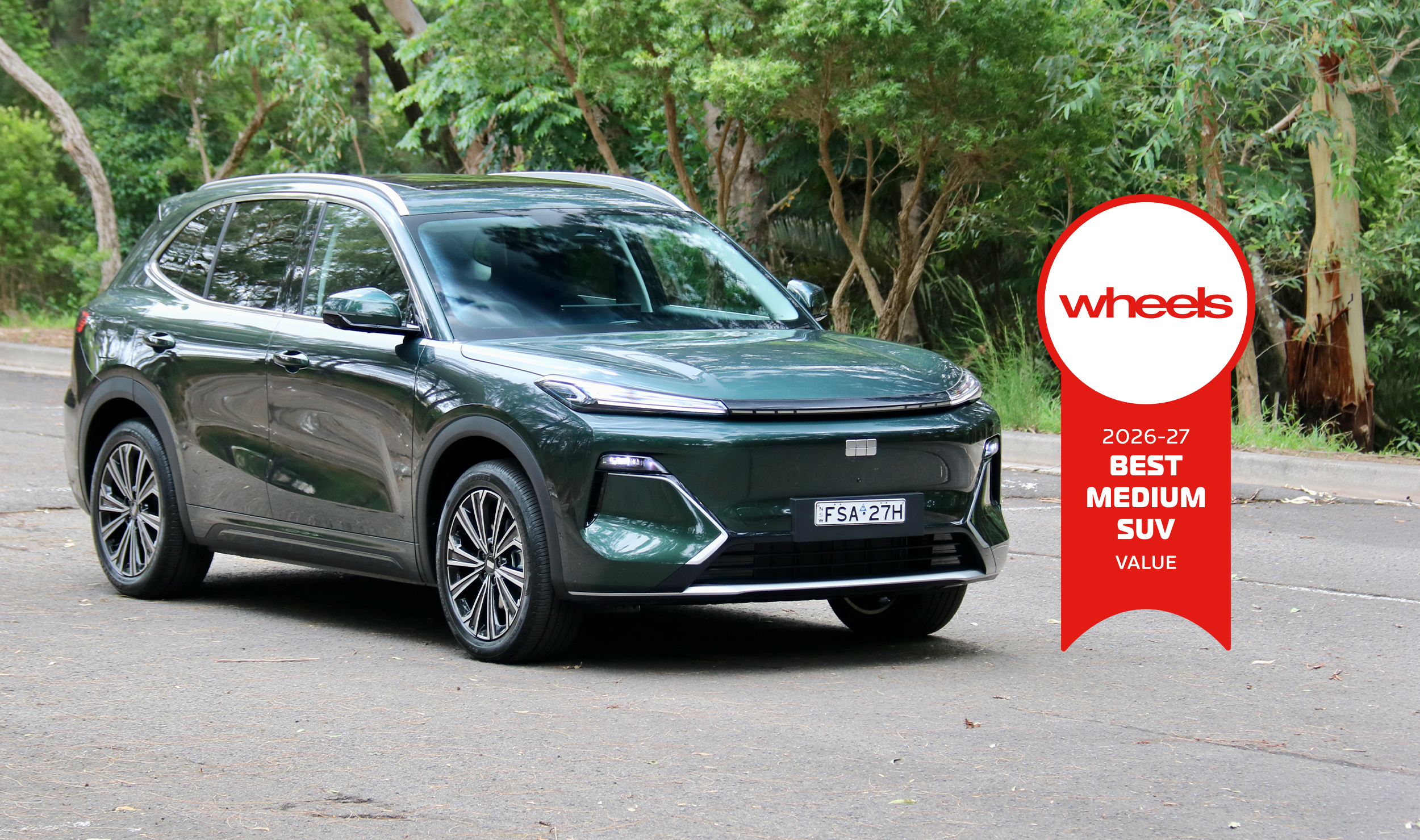
Winner: Geely Starray EM-i
10
Price: From $37,490 plus on-road costs
Drivetrains: 1.5-litre four-cylinder plug-in hybrid + 18.4kWh or 29.8kWh battery, single-speed hybrid
transmission, front- or all-wheel drive
Outputs: 193kW (Complete and Inspire), 220kW (Inspire AWD)
Claimed combined fuel consumption: 1.4L/100km (Inspire), 1.7L/100km (Inspire AWD),
2.4L/100km (Complete)
EV range (claimed, WLTP): Up to 136km (Inspire Extended Range)
Warranty: 7-year/unlimited km (car), 8-year/unlimited km (EV battery)
Five-year service cost: $1932
| Driving | |
| Interior | |
| Practicality | |
| Overall value | |
Strengths
- Classy and good quality cabin
- Great value for money
- Wide range of drivetrains, including new AWD model
Weaknesses
- Boot space isn’t massive without accessing the under-floor storage
- Almost every feature is controlled by the touchscreen
- Soft body control could be improved
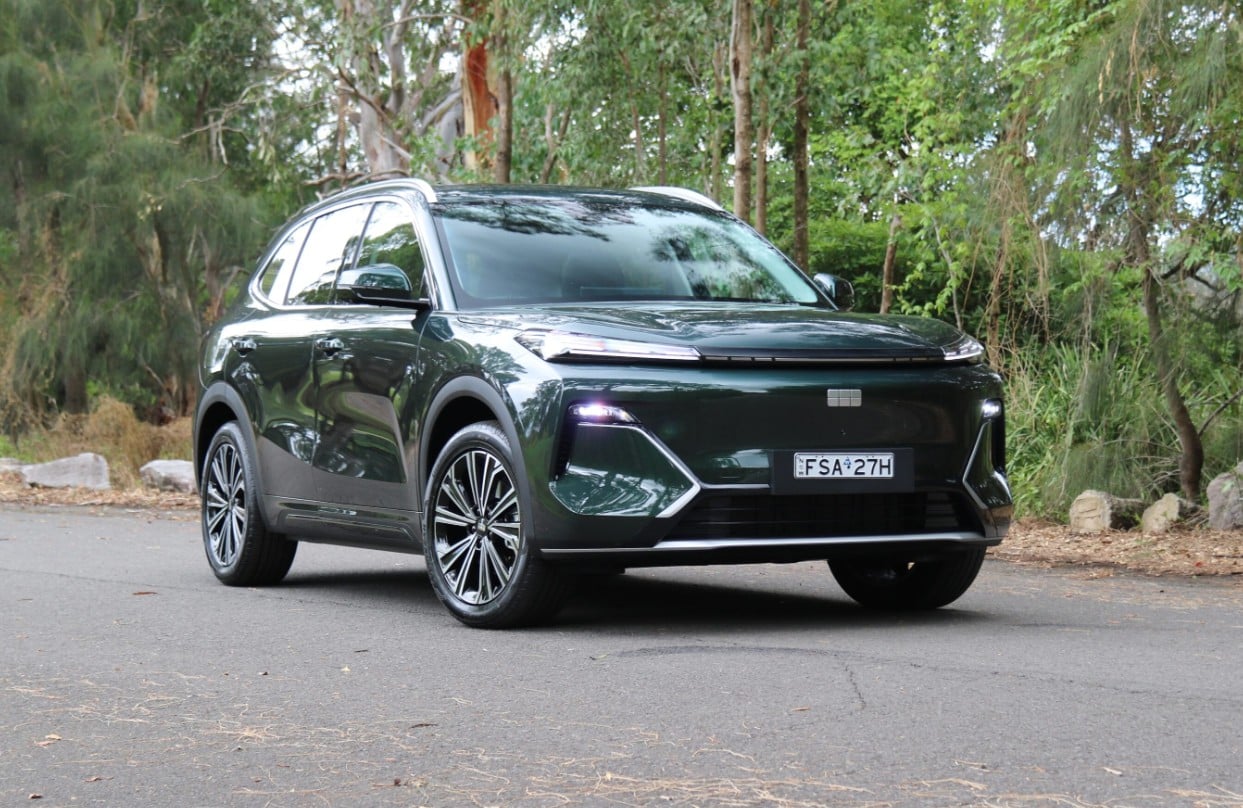
Geely may still be a relatively unfamiliar name to Australian buyers, but the Starray EM-i makes a compelling case on value. This spacious, generously equipped plug-in hybrid medium SUV offers up to 136km of electric driving range on the WLTP cycle, yet pricing starts comfortably below $40,000 before on-road costs.
The entry-level Complete opens the range at $37,490, while the better-equipped Inspire costs $41,490. An Extended Range variant adds a larger battery to deliver the maximum electric range, while the new Inspire AWD tops the line-up at $44,990. The latter also marks the arrival of Geely’s first all-wheel-drive model in Australia.
Equipment levels are impressive for the money. A large 15.4-inch infotainment touchscreen dominates the dashboard, complemented by a 10.2-inch digital instrument cluster. Depending on specification, features include wireless smartphone mirroring, powered and heated front seats, a panoramic sunroof, head-up display, powered tailgate and 16-speaker audio system. A comprehensive suite of active safety technology is also included.
Under the bonnet, a 1.5-litre petrol engine works alongside the plug-in hybrid system. Front-wheel-drive variants offer a choice of 18.4kWh or 29.8kWh batteries, with the larger unit providing up to 136km of WLTP electric range. The AWD also uses the 29.8kWh battery but adds an 80kW/150Nm rear electric motor, increasing combined outputs to 220kW and 412Nm. Its claimed electric range drops slightly to 130km.
DC charging capacity peaks at 30kW with the smaller battery and 60kW with the larger unit. Geely claims the 29.8kWh battery can be replenished from 30-80 per cent in just 16 minutes under suitable conditions.
Practicality is another strength. Measuring 4740mm long and 1905mm wide, the Starray sits towards the larger end of the medium SUV segment, translating into generous passenger accommodation, particularly in the second row. Cabin materials and overall presentation exceed expectations at this price, while the crisp, high-resolution displays reinforce its upmarket feel.
Boot capacity is less impressive at 428 litres with the rear seats upright, although folding them expands the available luggage space to a substantial 2065 litres.
Ownership credentials are equally reassuring. Geely provides a seven-year/unlimited-kilometre vehicle warranty and eight years of unlimited-kilometre battery coverage. Servicing is required every 12 months or 15,000km, with the first five capped-price services totalling $1932, or approximately $386 annually.
With its extensive equipment, spacious cabin, useful electric range and competitive ownership costs, the Starray EM-i delivers an impressive amount of plug-in hybrid SUV for the money. At a starting price of just $37,490, it’s one of the strongest value propositions in the segment.
Chery Tiggo 7
9
Price: From $29,990 driveaway (petrol), $34,990 driveaway (Super Hybrid)
Drivetrains: 1.5-litre four-cylinder turbo-petrol with six-speed DCT or 1.5-litre four-cylinder turbo
plug-in hybrid with a one-speed hybrid transmission and 18.4kWh battery (Super Hybrid), front-
wheel drive
Outputs: 108kW/210Nm (petrol), 150kW/320Nm (Super Hybrid)
Claimed combined fuel consumption: 6.9L/100km (petrol), 1.4L/100km (Super Hybrid)
Warranty: 7-year/unlimited km (car), 8-year/
Five-year service cost: $1445 (petrol) – $1595 (Super Hybrid)
| Driving | |
| Interior | |
| Practicality | |
| Overall value | |
Strengths
- Bargain pricing, but also well equipped
- Excellent drivetrain
- Solid electric driving range
Weaknesses
- Not a dynamic superstar
- Not many physical controls inside
- Overactive safety features
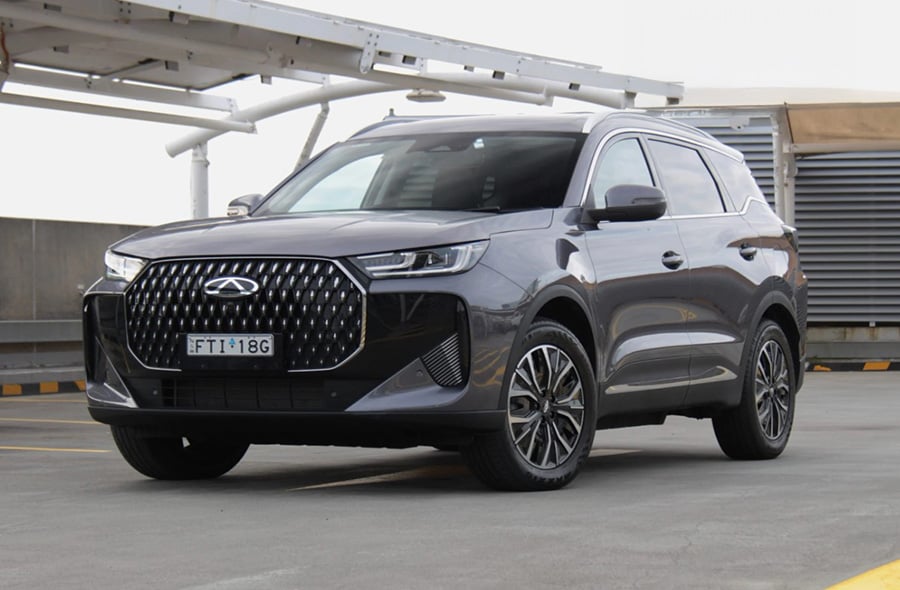
Value has always been central to Chery’s appeal in Australia, and the Tiggo 7 is one of the brand’s strongest examples. This practical medium SUV comes with a price tag more commonly associated with smaller vehicles, offering buyers a choice of conventional turbo-petrol power or a plug-in hybrid drivetrain without stretching the budget.
The petrol range starts at just $29,990 drive-away for the Urban, while the better-equipped Ultimate costs $33,990. Even the entry-level model includes 18-inch alloy wheels, dual 12.3-inch displays, wireless Apple CarPlay and Android Auto, dual-zone climate control and a comprehensive suite of active safety technology.
Spending another $4000 on the Ultimate brings heated and ventilated front seats, a panoramic sunroof, wireless phone charging, a 360-degree camera and a powered tailgate, making it a particularly well-equipped proposition for the money.
There’s also the Tiggo 7 Super Hybrid, currently Australia’s cheapest plug-in hybrid when on-road costs are included. Priced from $34,990 drive-away for the Urban, it’s just $5000 more than its petrol equivalent, making the technology considerably more accessible while retaining the regular model’s practicality and ease of use.
The Super Hybrid combines a 1.5-litre turbocharged petrol engine with a 150kW/310Nm electric motor and an 18.4kWh battery. Chery claims up to 93km of electric driving range on the NEDC cycle, while DC fast charging can replenish the battery from 30-80 per cent in approximately 20 minutes. On the road, the Tiggo 7 is pleasant and undemanding to drive, although neither ride comfort nor handling finesse is a particular standout.
Regardless of drivetrain, the Tiggo 7 offers a spacious, family-friendly cabin with good accommodation in both rows. Boot capacity is a useful 470 litres, expanding to 1305 litres with the rear seats folded.
Interior presentation also exceeds expectations at this price, with attractive materials and a reassuring sense of quality. The Ultimate feels particularly upmarket thanks to its additional equipment, although greater use of physical controls would make everyday functions easier to operate.
Ownership costs are another attraction. Chery provides a seven-year/unlimited-kilometre vehicle warranty, while the Super Hybrid’s high-voltage battery is covered for eight years with unlimited kilometres. The first five years of servicing cost a total of $1595, averaging an affordable $319 annually.
Plenty of medium SUVs promise value, but few make a budget stretch quite as far as the Tiggo 7. The petrol version is exceptionally affordable, while the Super Hybrid brings genuine plug-in capability within reach for relatively little extra outlay. For buyers prioritising equipment, interior space and low purchase and running costs, it’s a difficult package to overlook.
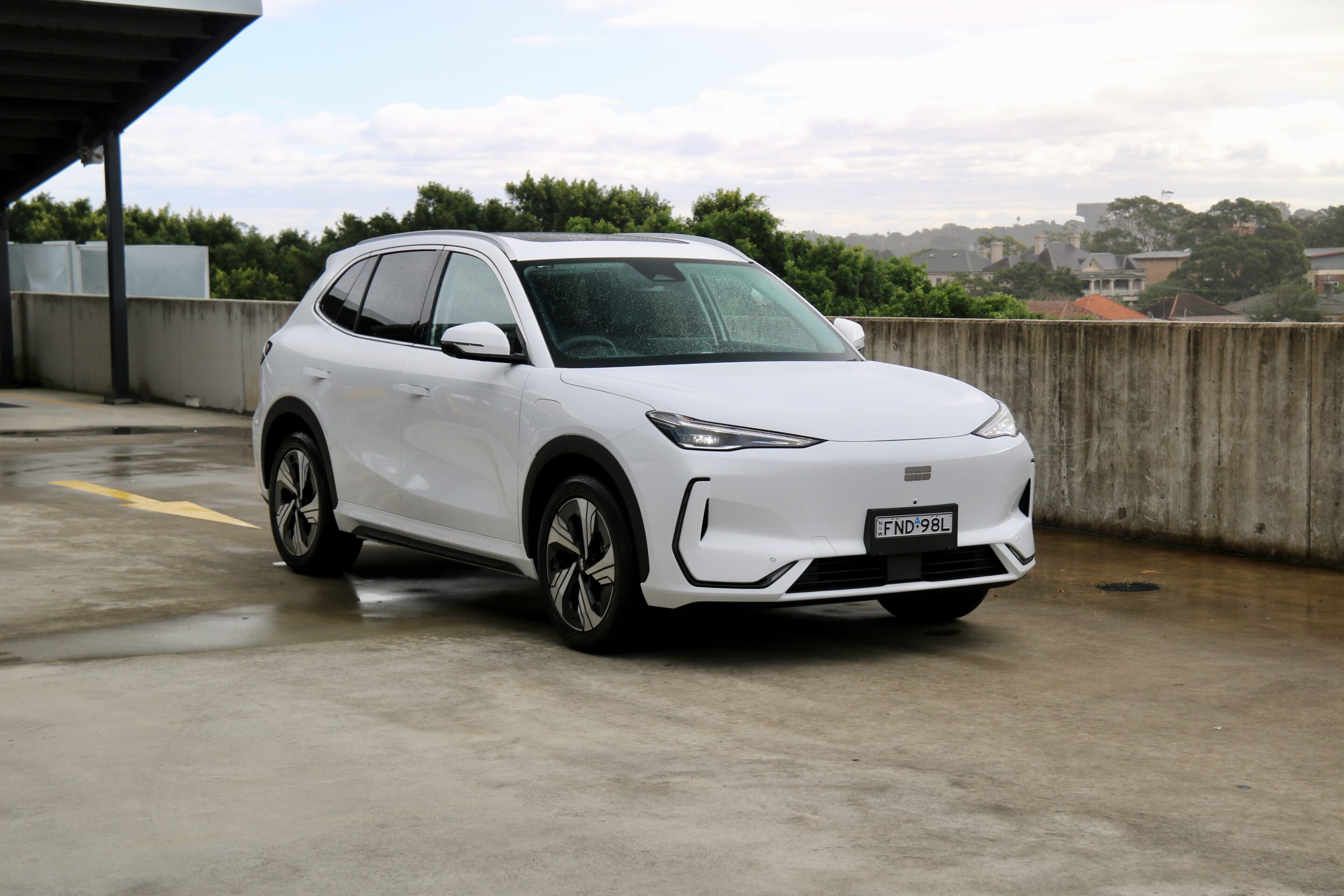
Geely EX5
8
Price: From $41,990 plus on-road costs
Drivetrains: Single-motor electric with a 68.4kWh battery, single-speed transmission
Outputs: 160kW/320Nm
Claimed WLTP range: 475km
Warranty: 7-year/unlimited km (car), 8-year/unlimited km (EV battery)
Five-year service cost: $1487
| Driving | |
| Interior | |
| Practicality | |
| Overall value | |
Strengths
- Well priced but loaded with kit
- Refined and quiet to drive
- Good quality and modern interior
Weaknesses
- Too soft to drive
- Almost everything controlled through the touchscreen
- Annoying active safety features
Electric SUVs have become considerably more affordable in recent years, and the Geely EX5 is a prime example. It demonstrates that choosing an electric medium SUV needn’t mean compromising on space, equipment or driving range. Updated for 2026 with a larger battery, the EX5 builds on an already convincing value proposition.
The range starts at $41,990 plus on-road costs for the Complete, while the better-equipped Inspire costs $45,990. Both are just $1000 more expensive than before, despite gaining a substantial increase in battery capacity and driving range.
A new 68.39kWh lithium iron phosphate (LFP) battery replaces the previous 60.22kWh unit, extending WLTP range by 45km to 475km in the Complete. The Inspire gains another 40km, taking its claimed range to 450km. For a relatively modest price increase, that additional flexibility makes the EX5 an even more attractive proposition.
Both variants use a front-mounted electric motor producing 160kW and 320Nm. DC fast charging peaks at a relatively modest 100kW, although 11kW AC charging is standard. There’s also 3.3kW vehicle-to-load capability, allowing owners to power external appliances directly from the battery.
Standard equipment is another highlight, particularly in the entry-level Complete. Despite its affordable price, it includes a large 15.4-inch infotainment touchscreen, digital instrument display, powered front seats and a comprehensive suite of active safety technology. The Inspire adds further comfort and convenience features while remaining comfortably below $50,000 before on-road costs.
Practicality is equally impressive. Measuring 4615mm long and 1901mm wide, the EX5 makes excellent use of its footprint, offering generous passenger accommodation in both rows. Rear legroom is particularly good, helped by the flat floor of its dedicated EV platform, while thoughtful storage solutions, including a deep centre console, enhance its family-friendly credentials.
Ownership costs are also competitive. Geely provides a seven-year/unlimited-kilometre vehicle warranty, with servicing required every 12 months or 20,000km. The first five scheduled services cost a combined $1487, averaging less than $300 annually.
Although cheaper electric SUVs are available, few offer such a well-rounded package for the money. At $41,990 before on-road costs, the EX5 Complete combines 475km of WLTP range with a spacious, well-equipped cabin, reassuring warranty coverage and affordable servicing. Its improved range makes it a genuinely versatile family SUV, while pricing that overlaps with conventional petrol and hybrid models, as well as some smaller SUVs, only strengthens its appeal.
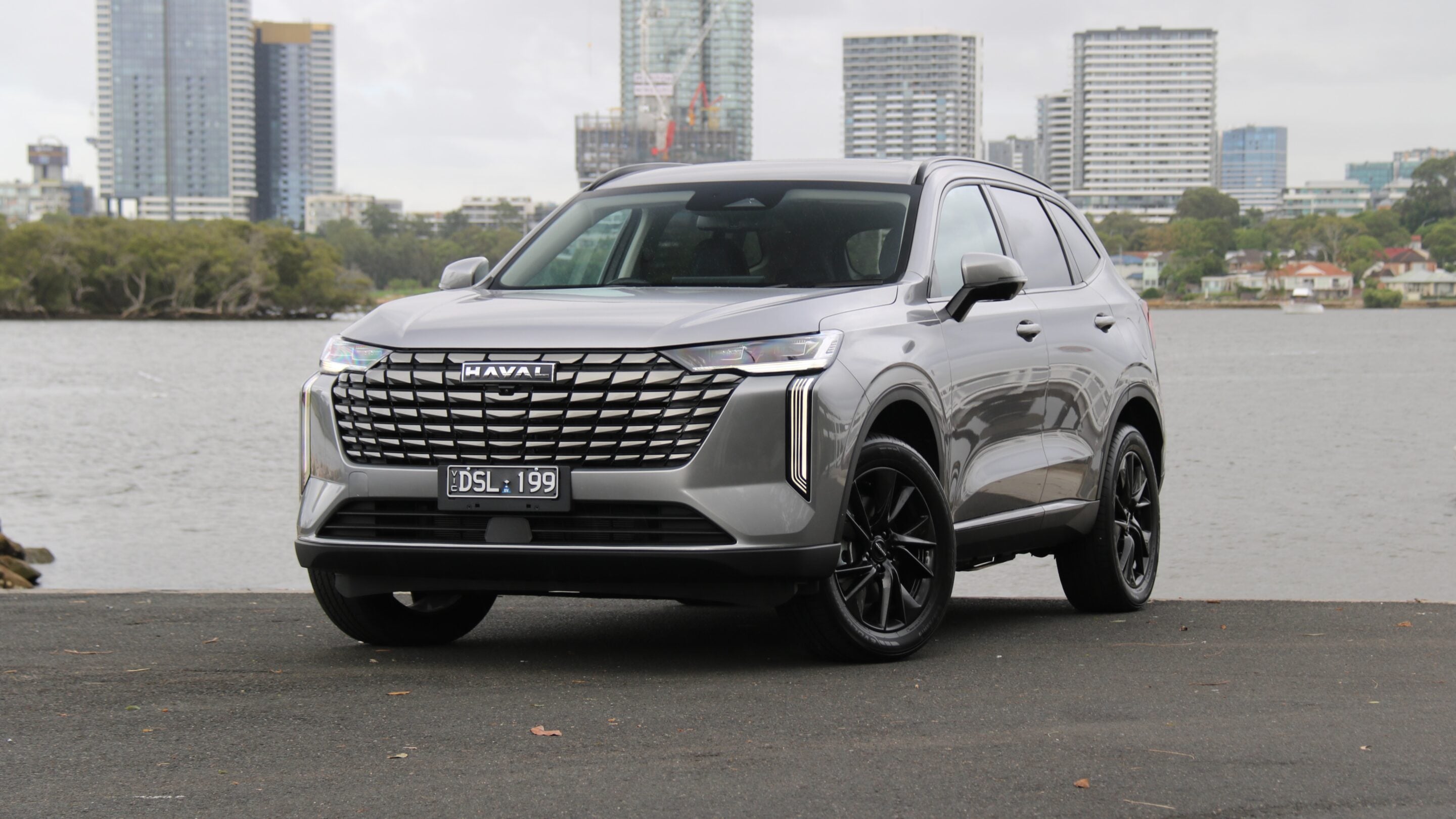
GWM Haval H6
12
Price: From $35,990 driveaway
Drivetrains: 2.0-litre four-cylinder turbo-petrol, 1.5-litre four-cylinder turbo-hybrid or 1.5-litre turbo
plug-in hybrid + 19.1kWh battery, nine-speed dual-clutch (petrol), one-speed hybrid transmission
(hybrid and PHEV)
Outputs: 170kW/380Nm (petrol), 179kW/530Nm (hybrid), 240-268kW/540Nm-760Nm (PHEV)
EV driving range (PHEV): Up to 106km
Claimed combined fuel consumption: 1.0-1.1L/100km (PHEV), 5.2L/100km (hybrid), 7.4L/100km
(petrol)
Warranty: 7-year/unlimited km (car)
Five-year service cost: $2110 (2.0T), $2145 (hybrid), $2220 (PHEV)
| Driving | |
| Interior | |
| Practicality | |
| Overall value | |
Strengths
- Big mid-life facelift in 2025 made it a lot better
- Punchy drivetrains
- Strong value for money
Weaknesses
- PHEV gets more features than other drivetrains
- Improved ride and handling thanks to Aussie tune, but still work to be done
- Almost everything inside is controlled via the touchscreen
If choice is a measure of value, the latest GWM Haval H6 has a considerable advantage over many of its rivals. With petrol, conventional hybrid and plug-in hybrid powertrains, plus front- and all-wheel-drive options across the electrified range, it offers buyers plenty of flexibility at highly competitive prices.
The petrol H6 provides the most affordable entry point at $35,990 drive-away, but current offers make the electrified versions particularly appealing. The Lux Hybrid starts at $37,990, while the Ultra HEV costs $40,990. Plug-in hybrid pricing is similarly attractive, with the Lux PHEV at $40,990 and Ultra PHEV at $43,990, all drive-away.
That means upgrading from petrol to a conventional hybrid requires surprisingly little additional outlay, while plug-in capability is available for only a few thousand dollars more.
As we’ve come to expect from GWM, equipment levels are generous throughout the range. Even the Lux includes a large 14.6-inch infotainment touchscreen, dual-zone climate control, synthetic leather upholstery and a comprehensive suite of active safety technology. Higher grades add features such as 19-inch alloy wheels, a panoramic sunroof, electrically adjustable seats and a powered tailgate.
The choice of powertrains further broadens the H6’s appeal. Buyers seeking the lowest purchase price can opt for the lively 2.0-litre turbo-petrol engine, producing 170kW and 380Nm. The HEV combines a 1.5-litre turbocharged engine with electric assistance to deliver 179kW and 530Nm, while reducing fuel consumption to a claimed 5.2L/100km without the need for external charging.
For our money, however, the PHEV presents the most compelling proposition. It offers up to 106km of electric driving range, more than 1000km of combined petrol-electric range and 3.3kW vehicle-to-load capability. DC fast charging is supported at up to 34kW, with GWM claiming a 30-80 per cent recharge takes approximately 28 minutes.
All that technology comes wrapped in a spacious, family-friendly SUV body. There’s generous accommodation in both rows, while the practical 560-litre boot expands to 1485 litres with the rear seats folded. A cabin update in 2025 also improved interior presentation and material quality, creating a more welcoming environment with plenty of soft-touch surfaces and useful storage.
Ownership credentials are reassuring, too. GWM backs the H6 with a seven-year/unlimited-kilometre warranty and capped-price servicing. The first five scheduled services cost $2110 for the petrol, $2145 for the hybrid and $2220 for the PHEV.
Whether the priority is a low purchase price, hybrid efficiency without plugging in or enough electric range to significantly reduce petrol consumption on everyday journeys, there’s a Haval H6 to suit. With generous equipment, competitive running costs and comprehensive warranty coverage, every version makes a strong case for buyers seeking maximum value from a medium SUV.
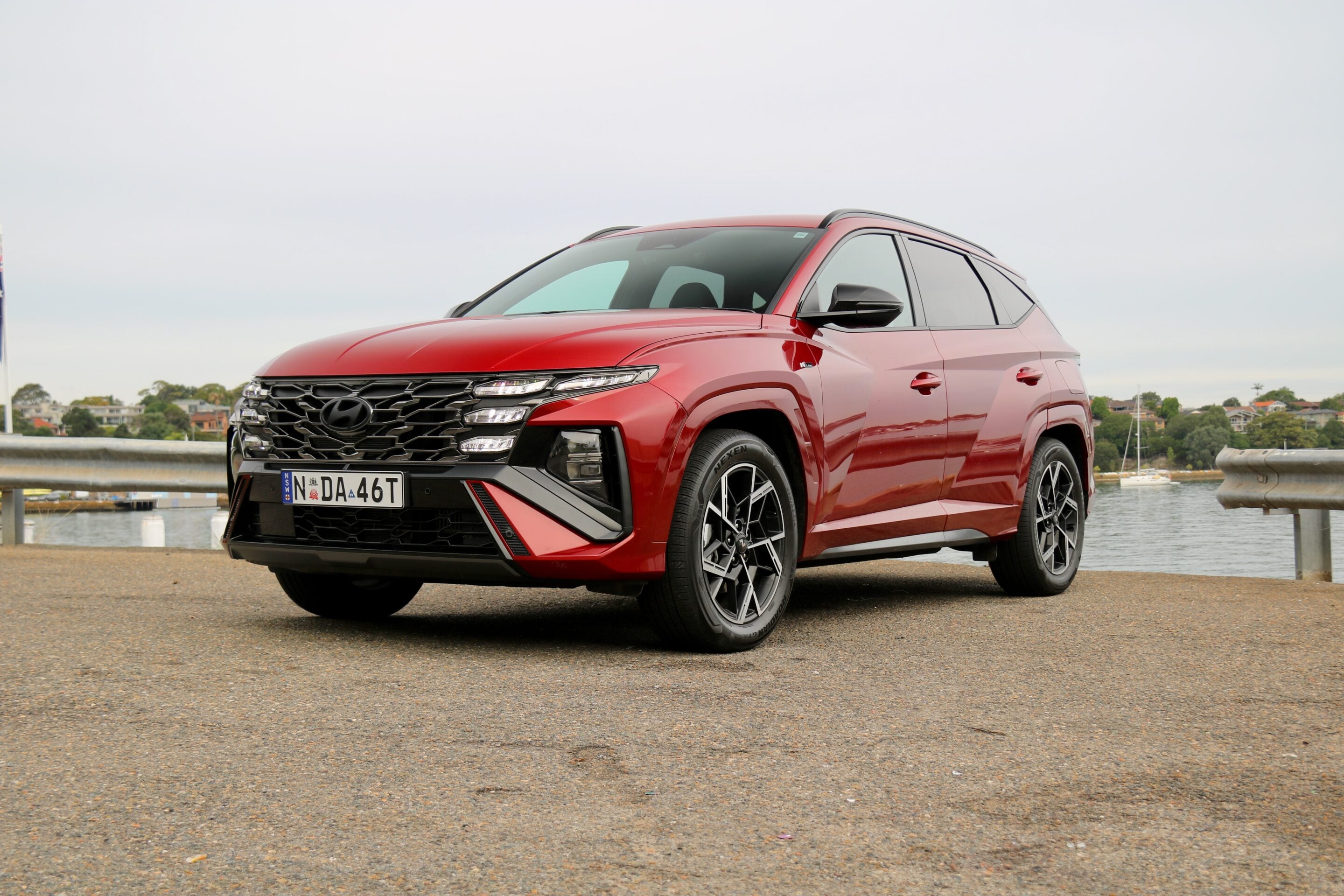
Hyundai Tucson
11
Price: From $39,350 plus on-road costs (hybrid is $42,850 +ORC)
Drivetrains: 2.0-litre naturally aspirated four-cylinder or 1.6-litre four-cylinder turbo hybrid, six-
speed automatic transmission, 2WD or AWD
Outputs: 115kW/192Nm (2.0L), 172kW/367Nm (1.6T hybrid)
Claimed combined fuel consumption: 4.9L/100km-5.3L/100km (hybrid) – 8.1L/100km (petrol)
Warranty: 5-year/unlimited km (car, extendable to seven years with dealer servicing), 8-
year/160,000km (EV battery)
Five-year service cost: $2128 (petrol) – $2290 (hybrid)
| Driving | |
| Interior | |
| Practicality | |
| Overall value | |
Strengths
- Excellent all-rounder
- Practical and high quality cabin
- Gutsy hybrid system is also efficient
Weaknesses
- Short 10,000km service intervals for hybrid
- Speed limit buzzer annoying
- Plug-in hybrid not offered in Australia
The Hyundai Tucson faces a very different value landscape in 2026, with Chinese rivals offering increasingly generous equipment at aggressive prices. Yet Hyundai’s popular medium SUV demonstrates that getting good value isn’t simply about finding the cheapest car. Space, technology, efficiency, drivetrain choice and the ownership experience all contribute to its appeal.
Australian buyers can choose between petrol and hybrid power, although a plug-in hybrid available overseas remains off the local menu. The entry-level 2.0-litre petrol engine produces 115kW and 192Nm, with claimed fuel consumption of 8.1L/100km. It’s the more affordable option, but we’d recommend looking beyond it.
The Hybrid is where the Tucson really shines, and we reckon it’s among the best all-rounders in the medium SUV segment. Combining a 1.6-litre turbocharged petrol engine with an electric motor, it delivers a healthy 172kW and 367Nm while consuming just 4.9L/100km in front-wheel-drive form or 5.3L/100km with all-wheel drive. It’s also a pleasure to drive, offering a satisfying blend of refinement, comfort and performance.
Better still, the entry-level Tucson Hybrid is $2500 cheaper for 2026, now starting at $42,850 plus on-road costs. That narrows the premium over the equivalent petrol model to just $3750, making the more powerful and efficient drivetrain easier to justify.
Standard equipment is competitive, even if some Chinese alternatives offer more features for less money. Dual 12.3-inch displays are available across much of the range, alongside wireless Apple CarPlay and Android Auto, dual-zone climate control, Bluelink connected services and Hyundai’s comprehensive SmartSense safety suite.
Higher grades introduce leather upholstery, heated and ventilated front seats, heated rear seats and a Bose sound system, among other luxury touches. Sportier-looking N Line variants are also available.
Practicality is another major strength. The Tucson’s 2755mm wheelbase provides excellent rear-seat accommodation, while numerous storage compartments make the cabin particularly family-friendly. The Hybrid is especially impressive, offering a 582-litre boot compared with 539 litres in the petrol model. Folding the rear seats expands luggage capacity to a substantial 1903 litres, among the largest figures in the segment.
Hyundai’s ownership package has also improved. Eligible vehicles first registered from June 2025 qualify for seven-year/unlimited-kilometre warranty coverage, provided scheduled servicing requirements are met through Hyundai. Otherwise, the standard warranty remains five years with unlimited kilometres, while the hybrid battery is covered for eight years or 160,000km.
Servicing costs are reasonable, with the first five scheduled services totalling $2128 for the petrol and $2190 for the Hybrid. One consideration, however, is that the electrified model requires servicing every 10,000km, compared with 15,000km for the petrol.
The Tucson may struggle to match some Chinese competitors on purchase price alone, but that tells only part of the story. Its spacious and thoughtfully designed cabin, strong technology offering, efficient hybrid drivetrain and reassuring ownership credentials make it a compelling long-term proposition. For buyers prepared to spend a little more on a well-rounded family SUV, the Tucson Hybrid is particularly difficult to overlook.
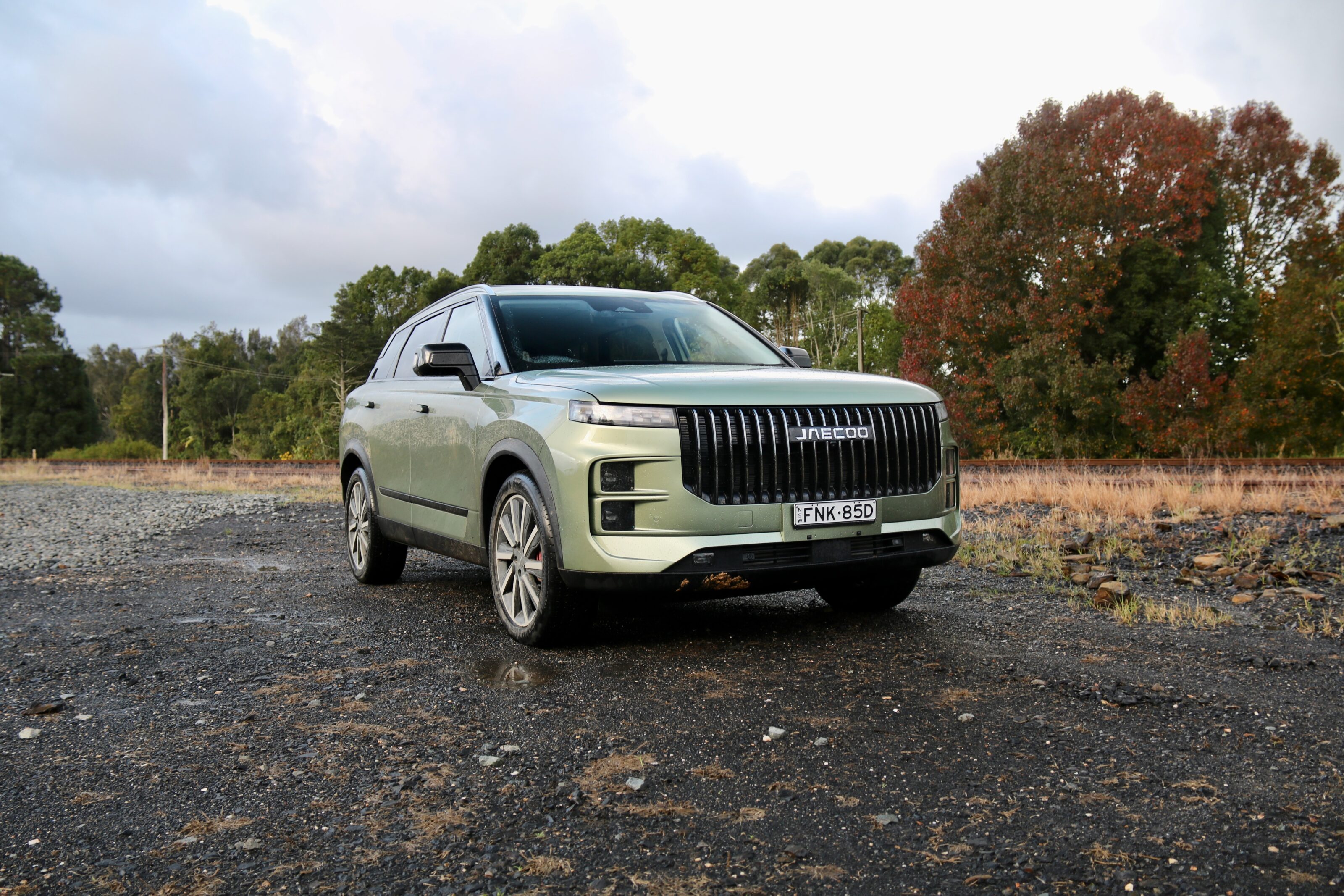
Jaecoo J7
10
Price: From $39,990 driveaway
Drivetrains: 1.5-litre turbocharged four-cylinder plug-in hybrid + 18.4kWh battery, one-speed hybrid
transmission, 2WD or AWD
Outputs: 205kW/365Nm (2WD), 260kW/490Nm (AWD)
Claimed combined fuel consumption: 1.3L/100km (2WD) – 1.9L/100km (AWD)
EV range (claimed, NEDC): 80km (AWD) – 100km (2WD)
Warranty: 8-year/unlimited km (both car and EV battery)
Five-year service cost: $2375
| Driving | |
| Interior | |
| Practicality | |
| Overall value | |
Strengths
- Bargain pricing
- Newly punchier plug-in hybrid drivetrain
- Solid electric driving capability
Weaknesses
- Needs a dynamic revision
- Almost no physical buttons inside
- Boot capacity lags behind larger rivals
A relative newcomer to Australia, the Jaecoo J7 occupies an interesting position in the medium SUV market. It aims to deliver a more premium look and feel than its closely related Chery Tiggo 7, while maintaining competitive pricing. Recent changes to the range have strengthened its appeal further, particularly by making plug-in hybrid technology more accessible.
For MY27, the petrol line-up has been reduced to a single Ridge AWD variant, priced from $39,990 drive-away. It combines a 137kW/275Nm 1.6-litre turbocharged engine with a seven-speed dual-clutch transmission and all-wheel drive, alongside an extensive list of standard equipment.
That includes 19-inch alloy wheels, a large 14.8-inch infotainment touchscreen, 10.25-inch digital instrument display, head-up display and electrically adjustable, heated and ventilated front seats. A 360-degree camera and comprehensive suite of active safety technology are also included.
Arguably the stronger value proposition, however, is the updated SHS-P plug-in hybrid range. The entry-level Track 2WD starts at the same $39,990 drive-away price as the petrol Ridge, giving buyers access to electrified motoring without any additional initial outlay. The better-equipped Summit 2WD costs $44,990, while the new Summit AWD flagship tops the range at $47,990.
Front-wheel-drive SHS-P variants combine a 1.5-litre turbocharged petrol engine with electric assistance to produce 205kW and 365Nm. The all-wheel-drive version increases those figures to a substantial 260kW and 490Nm, making it one of the more powerful offerings in this segment.
An 18.4kWh battery provides up to 100km of claimed electric driving range on the NEDC cycle, potentially allowing many owners to complete their daily journeys without using petrol.
The J7 also impresses inside, with a contemporary cabin that feels more expensive than its price suggests. Soft-touch materials, attractive presentation and an extensive technology offering contribute to the upmarket ambience. Passenger accommodation is generous in both rows, while the plug-in hybrid’s 500-litre boot provides useful luggage space for family duties.
Ownership coverage is another attraction. Jaecoo provides an eight-year/unlimited-kilometre warranty, eight years of capped-price servicing and up to eight years of roadside assistance. The first five scheduled services cost $2375, which is more than for the related Chery Tiggo 7, although the J7 counters with longer warranty coverage and a more extensive roadside assistance program.
Ultimately, the Jaecoo J7’s appeal extends beyond its affordable price. It combines generous equipment, a well-presented cabin, strong performance and reassuring ownership credentials in a package that feels more expensive than it is. With the SHS-P now starting at just $39,990 drive-away and offering enough electric range to cover many everyday journeys, its value proposition is increasingly difficult to ignore.
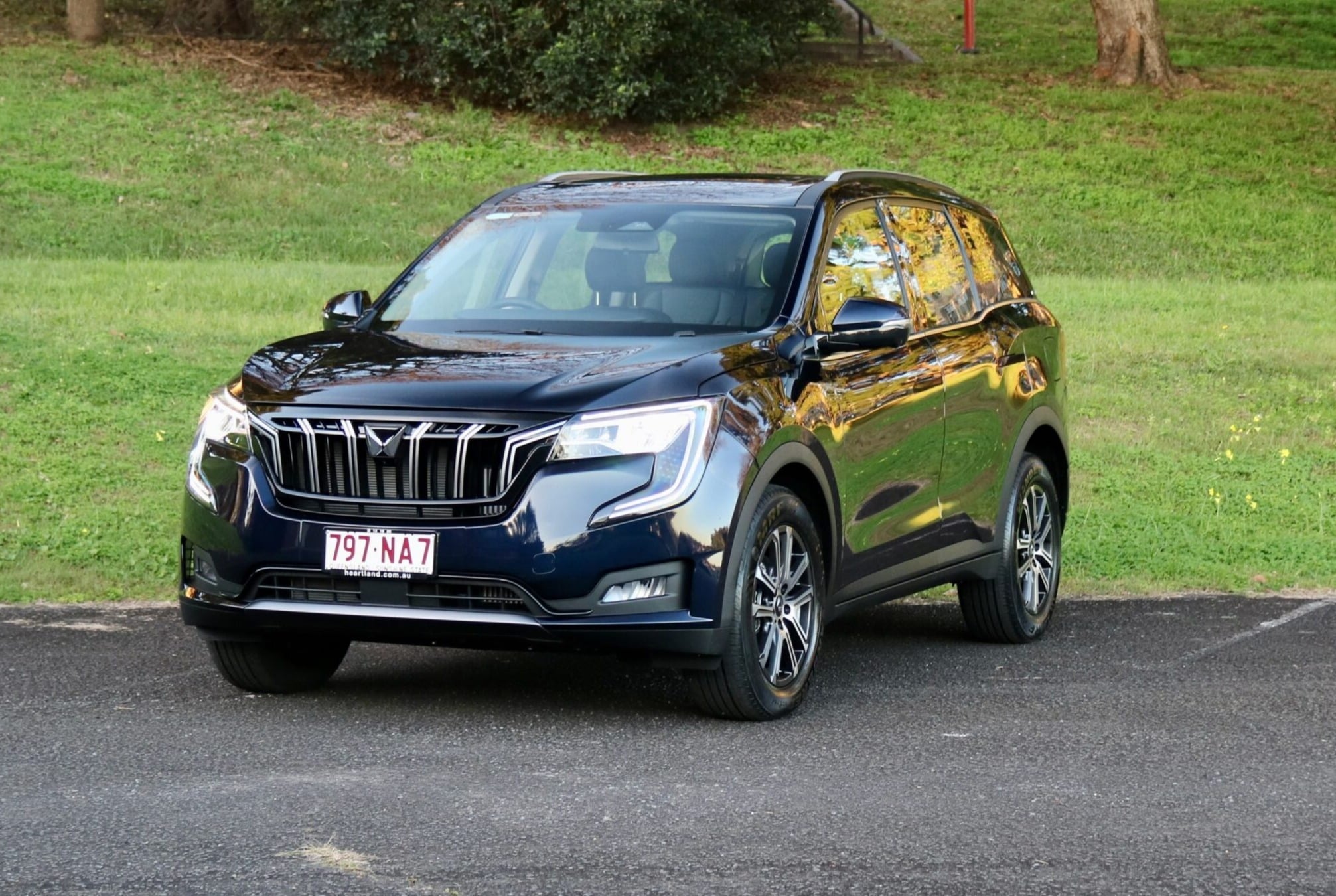
Mahindra XUV700
9
Price: From $29,990 driveaway (special deal, normally $39,990 driveaway)
Drivetrains: 2.0-litre four-cylinder turbo-petrol, six-speed auto, 2WD
Outputs: 149kW/380Nm
Claimed combined fuel consumption: 8.3L/100km
Warranty: 5-year/150,000km
Four-year service cost: $1781
| Driving | |
| Interior | |
| Practicality | |
| Overall value | |
Strengths
- Bargain pricing, especially with current deal
- Punchy 2.0L turbo-petrol engine
- Excellent ride quality, surprisingly nimble
Weaknesses
- Odd service intervals
- Missing some features
- Only one drivetrain choice for Australia
If value is measured by how much car you get for your money, the Mahindra XUV700 makes a compelling case. With seven seats, a powerful 2.0-litre turbocharged engine and generous standard equipment, it already offers plenty for the price. However, substantial factory discounts have made this family SUV an even more attractive proposition.
The XUV700 AX7 is currently available from just $29,990 drive-away following a $10,000 discount, while the flagship AX7L costs $33,990 drive-away, a saving of $9000. That effectively puts a well-equipped seven-seat medium SUV within reach of buyers shopping for an entry-level small SUV.
Importantly, Mahindra hasn’t sacrificed equipment to achieve those prices. The AX7 comes standard with 18-inch alloy wheels, a panoramic sunroof, dual 10.25-inch displays, wireless Apple CarPlay and Android Auto, dual-zone climate control and an electrically adjustable driver’s seat with memory. There’s also a comprehensive suite of active safety technology, including adaptive cruise control and lane-keeping assistance.
The AX7L adds further conveniences, including a 12-speaker Sony sound system, 360-degree camera, blind-view monitor and wireless phone charging. However, blind-spot monitoring and rear cross-traffic alert remain notable omissions.
Both Australian variants use a 2.0-litre turbocharged four-cylinder petrol engine producing a healthy 149kW and 380Nm, paired with a six-speed automatic transmission driving the front wheels. There’s no hybrid assistance, so fuel consumption can’t match electrified rivals, although the substantial purchase-price advantage could cover plenty of petrol.
On the road, the XUV700 prioritises comfort over sporting ability. Its compliant suspension handles Australia’s often patchy road surfaces with ease, making it a relaxed and comfortable family vehicle.
Unlike many medium SUVs, seven seats are standard. There’s generous accommodation in the first two rows, while the tighter third row provides occasional seating when required and folds away when not in use. The XUV700’s tall body also delivers excellent headroom, contributing to a cabin that feels particularly spacious compared with many competitors.
Ownership coverage is reassuring, with a seven-year/150,000km warranty complemented by seven years of roadside assistance. Servicing intervals are somewhat unusual, but the first four years of scheduled maintenance cost $1781, averaging approximately $445 annually.
There are more sophisticated medium SUVs available, and plenty are more fuel-efficient, but few can match the XUV700’s sheer metal-for-the-money appeal. Even at its regular $39,990 drive-away starting price, it represents solid value. At the current $29,990 promotional price, however, the combination of seven seats, strong performance, a panoramic sunroof and extensive equipment makes it an exceptionally affordable family SUV.
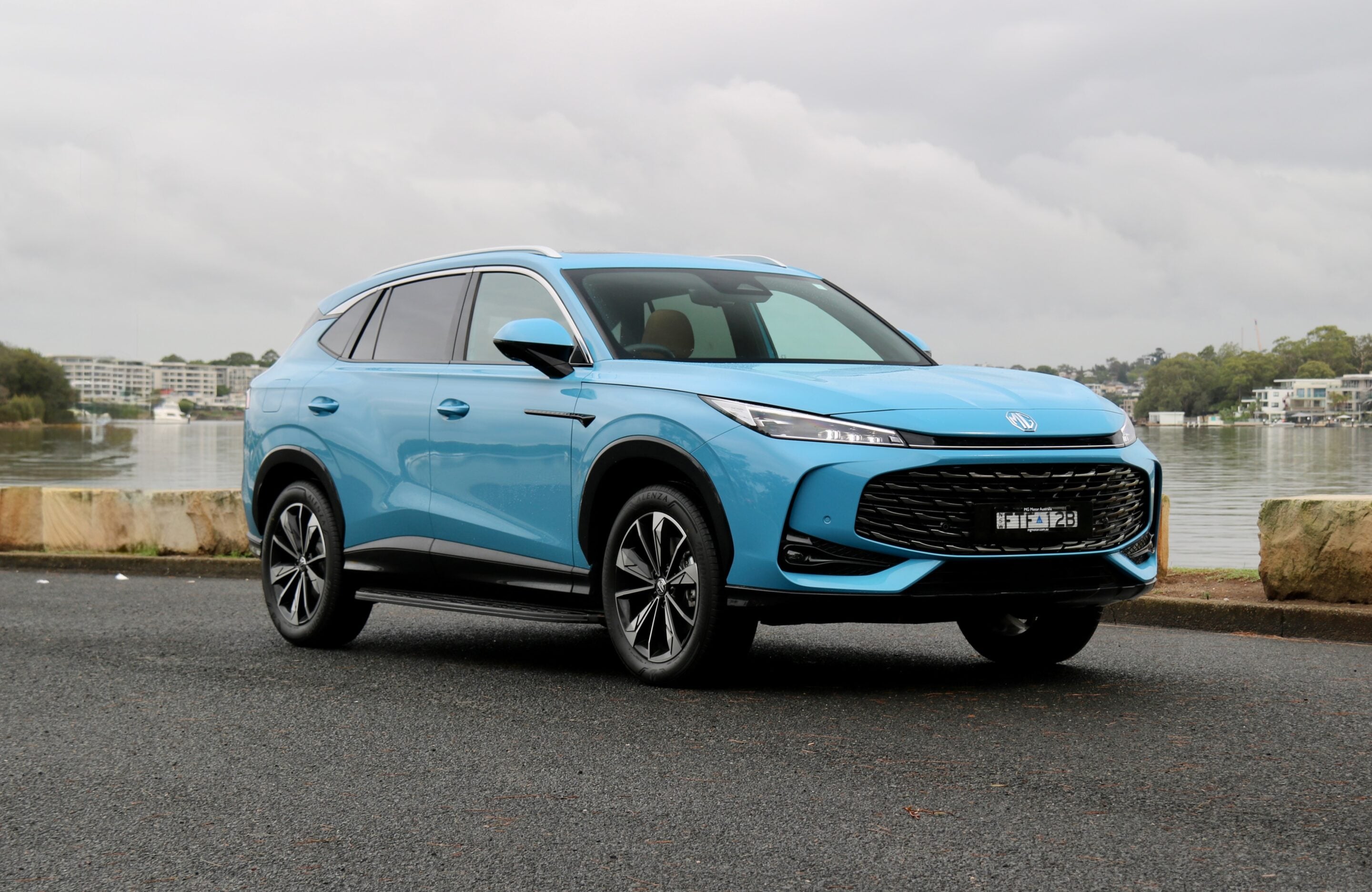
MG HS
8
Price: From $32,990 driveaway (Excite petrol, until end of Oct 2026 at time of publishing)
Drivetrains: 1.5-litre turbocharged four-cylinder petrol, hybrid or plug-in hybrid + 24.7kWh battery,
seven-speed dual-clutch (petrol) or three-speed hybrid transmission (hybrid and PHEV), front-
wheel drive
Outputs: 165kW/340Nm
Claimed combined fuel consumption: 0.7L/100km (PHEV), 5.2L/100km (hybrid), 6.9L/100km
(petrol)
EV range (PHEV, claimed WLTP): 120km
Warranty: 7-year/unlimited km (extendable to 10 years/250,000km with dealer servicing)
Five-year service cost: $2166-$2354
| Driving | |
| Interior | |
| Practicality | |
| Overall value | |
Strengths
- Great value for money
- Attractive, well made cabin
- Punchy but efficient hybrid systems
Weaknesses
- Back seat and boot not massive
- No all-wheel drive availability
- Slow charging capability for the PHEV
Few medium SUVs offer as much powertrain choice as the MG HS. With petrol, Hybrid+ and plug-in Super Hybrid variants all available in the same spacious, family-friendly package, buyers can choose a model to suit their budget, driving habits and fuel-efficiency priorities.
The petrol range starts at $34,990 drive-away for the entry-level Vibe, followed by the Excite at $35,990 and flagship Essence at $38,990. The Hybrid+ Excite costs $39,990, while the better-equipped Essence is $44,990. Plug-in Super Hybrid pricing begins at $48,990 for the Excite and rises to $52,990 for the Essence, with all prices including on-road costs.
All three powertrains use a turbocharged 1.5-litre petrol engine, although their levels of electrification differ considerably. The Hybrid+ adds an electric motor and small battery, producing combined outputs of 165kW and 340Nm. It requires no external charging and reduces claimed fuel consumption to just 5.2L/100km on the combined cycle, making it an appealing alternative to the conventional petrol model.
For buyers with access to home charging, the Super Hybrid takes efficiency a step further. Its larger 24.7kWh battery provides up to 135km of claimed electric driving range on the NEDC cycle, while the petrol engine and electric motor deliver a combined 220kW. That gives the HS the ability to complete many everyday journeys on electricity alone, while retaining the flexibility of petrol power for longer trips.
Crucially, MG hasn’t sacrificed practicality to accommodate the additional hybrid hardware. Measuring 4670mm long and 1890mm wide, the HS offers generous passenger accommodation, particularly in the second row. Boot capacity is a useful 507 litres, expanding to 1484 litres with the rear seats folded, making it well suited to family duties.
Ownership coverage is another attraction. MG provides a standard seven-year/unlimited-kilometre warranty, which can be extended to 10 years or 250,000km for eligible vehicles serviced through the authorised MG dealer network.
Servicing costs over the first five years range from $2166 to $2354, depending on the variant. While those figures aren’t the lowest in the segment, they’re reasonably competitive given the HS’s pricing and equipment levels.
Ultimately, the MG HS’s greatest strength is its versatility. The affordable petrol versions provide a straightforward entry into medium SUV ownership, while the Hybrid+ offers improved efficiency without the need to plug in. For those wanting to make greater use of electric power, the Super Hybrid delivers substantial EV range for less than $50,000 in Excite form.
With competitive pricing, generous interior space and three distinct drivetrain options, the HS makes a convincing case for buyers seeking a well-equipped family SUV without stretching their budget.
Follow WhichCar/Wheels on Google
Click the button below to make WhichCar by Wheels a preferred source for your news.