
Features

Gallery 1
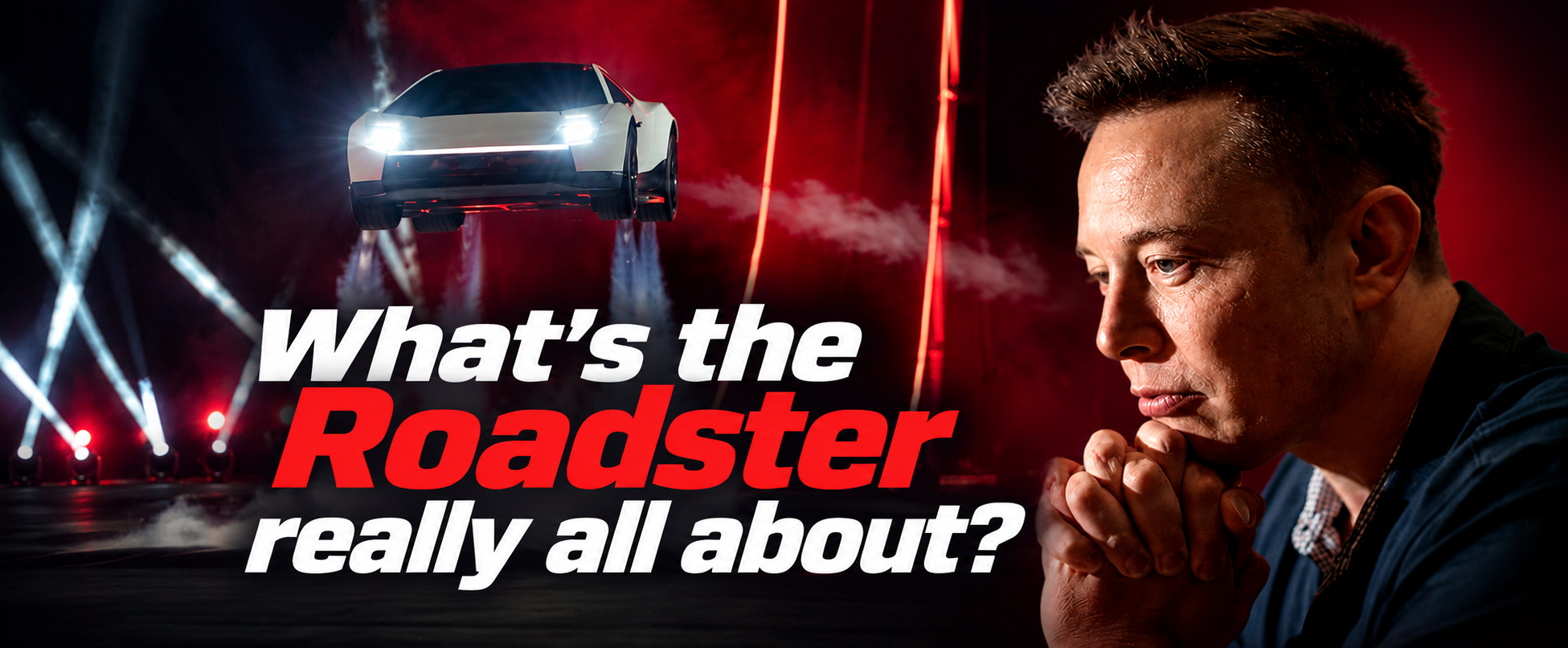
It didn’t take long before the incredible buzz around the launch of the Tesla Roadster was punctured by some uncomfortable questions. Not just about how achievable the tech behind the ‘flying’ car is, but whether the headline-grabbing reveal was actually part of a wider plan – and showed that Tesla isn’t really a car company.
When Elon Musk first floated the idea of the Roadster being capable of brief flight thanks to an optional ‘SpaceX package’ using gas thrusters, doubts ran high. The world’s richest man had previously made outlandish promises that couldn’t be kept, like telling the world the Cybertruck’s windows were bulletproof, only for that to be spectacularly disproven during a demo at the vehicle’s debut in 2019.
3
Then heads were scratched when the Roadster launch – which was just a little late, considering the second generation of the model was first unveiled in 2017 – was delayed due to bad weather, as if the car was made out of papier-mâché and couldn’t stand a bit of rain.
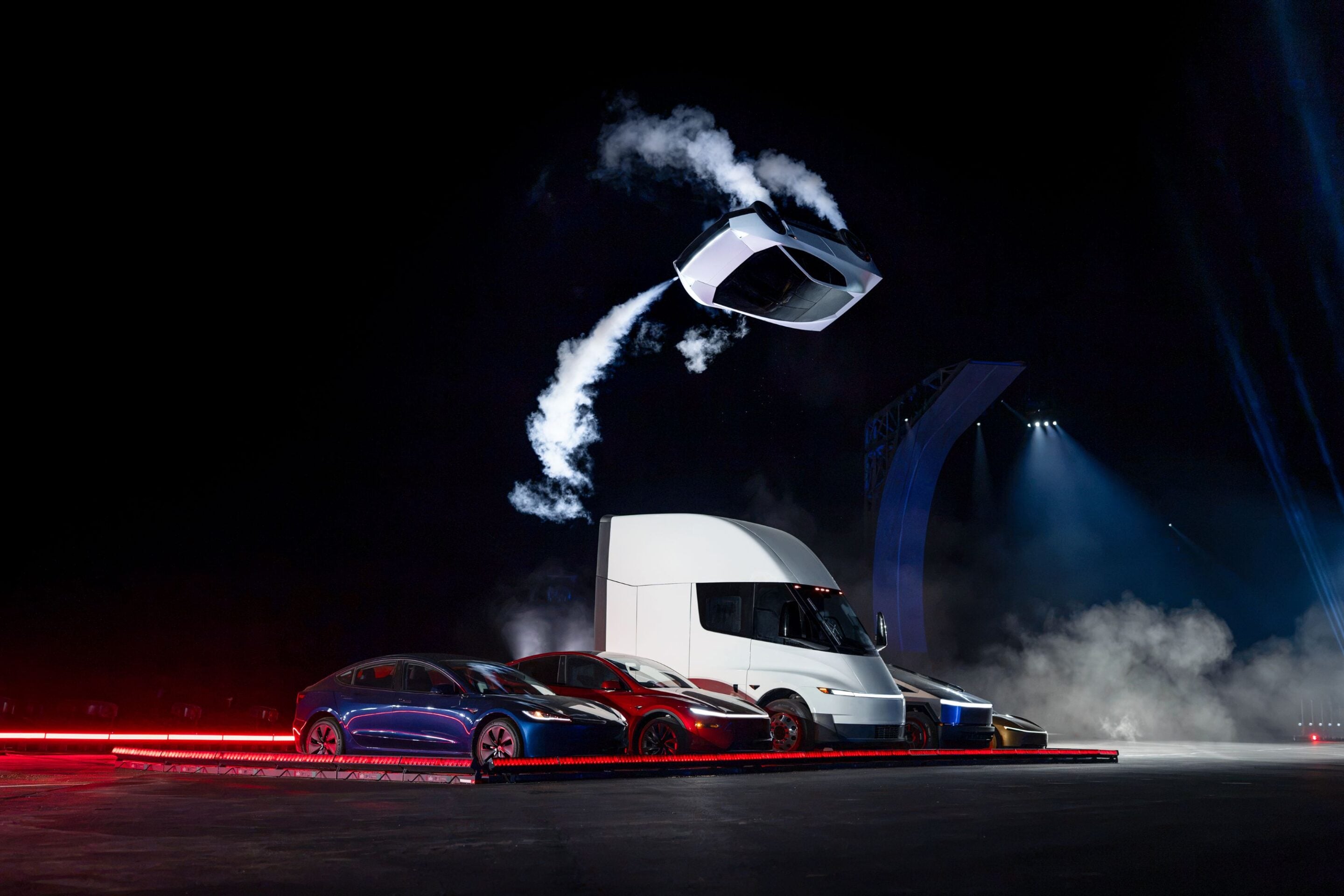
However, it all made sense on October 16, when the Roadster actually did make it into the air under its own power, jetting straight upwards at SpaceX’s Texas facility and even executing a barrel roll and shooting upside-down above other models in Tesla’s range. It will go down as possibly the most spectacular and outlandish launch in automotive history.
Then came the doubters. Motoring experts and commentators took freeze frames from the launch that showed the Roadster that ‘flew’ at the launch looked nothing like a production car underneath, with no battery visible. Dropping that heavy bit of gear from the equation is great for ‘flight’, but actual driving? Not so much.
There was a lot of skepticism around the thruster tech that made the launch such a headspin. AI scientist Yann LeCun analysed the physics and found them wanting, calling the car “a cute demo, but totally impractical” as he claimed, with some receipts, that the launch vehicle was basically an “an empty lightweight shell” that had been hollowed out to fit huge air tanks. Musk’s comeback as the pair got into it on X was anything but scientific, as he responded to LeCun with the famous Monty Python line, “I fart in your general direction.”

3
The Tesla boss repeatedly told the crowd at the launch that while the Roadster might “look like it’s breaking physics”, it “will be an actual car that’s on the roads … an actual car that someone can own”. But within 24 hours, extreme doubt was cast on that promise as it was revealed that Tesla’s reservation agreement for prospective customers explicitly states that the car is under development and delivery cannot be guaranteed. The same goes for a delivery date.
Those customers – who will need to stump up as much as $356,000 to reserve a place in the Roadster queue – are pretty much guaranteed to be denied access to the Rocket ‘flying’ version from the launch, which was revealed to be available by invitation only. And even if you’re lucky enough to get the Willy Wonka golden ticket from Tesla, it’s hard to imagine any government body giving a roadworthiness certificate to a car that can achieve lift-off.
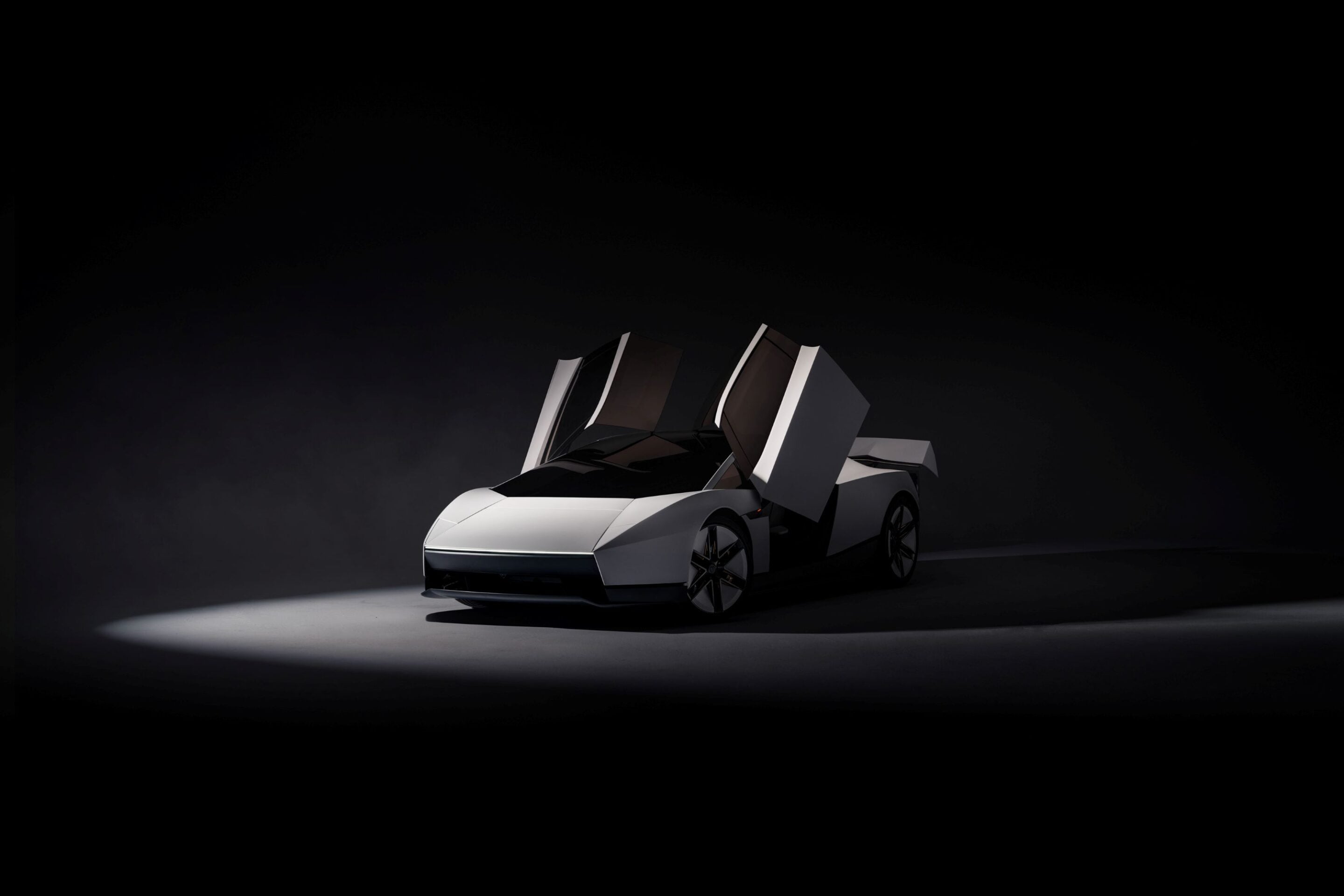
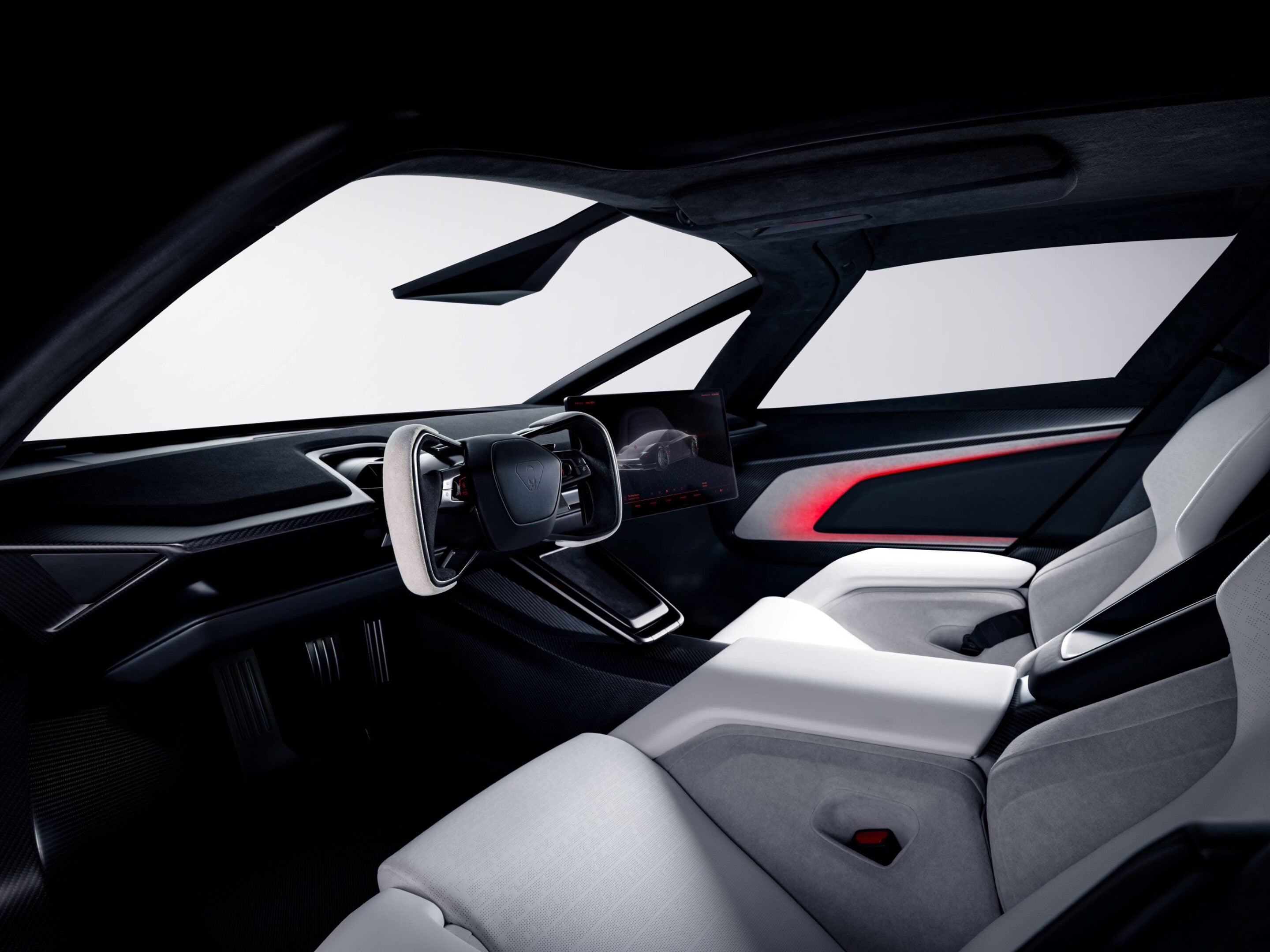
Tesla is refusing to commit to a final price for any of the three grades of the Roadster – the others being the entry-level Performance, and the Thrust with air jets that propel it forwards at a ridiculous rate, not upwards – and with production not scheduled to start until 2028, who knows what the finished product’s specs could be, especially as Tesla is guaranteeing nothing in that regard?
So if the ‘flying’ car is almost certainly not going to be seen leapfrogging traffic on the Sydney Harbour Bridge, might never get delivered to a single customer and might not even be technically feasible, what was the point?
5
According to some skeptics, it’s tied to struggles Tesla has been experiencing and Musk’s desire to merge the carmaker/tech company with SpaceX. Scott Galloway, who works as a marketing professor at New York University, described the launch as a “circus act, not a product release” and said it’s part of a strategy to connect the car business with Musk’s space business.
“Tesla is becoming a holding company for his [Musk’s] narratives, and the car business funds the story, and the story kind of funds the stock,” Galloway said on a podcast appearance with journalist Kara Swisher. “The merger is coming. He’s not building a car, he’s building a bridge to SpaceX one thruster at a time … This is him stuffing a rabbit in a hat and saying, look over here!”
Galloway also claimed the Roadster launch was timed to come just before Tesla’s third-quarter earnings results were released, branding it “nothing but a distraction from the numbers that were coming in 48 hours.” It was anticipated that it would be a depressing announcement for the company, which has suffered due to increased Chinese competition and seen its share price fall by more than 11 per cent in 2026.
However, those earnings actually beat projections after Musk prefaced the announcement by saying merging with SpaceX would be a “good idea” with “a lot of merit”, and revealed that the boards of directors for both companies have created special committees to explore the move.
Getting SpaceX to agree to a union should be easy for the 55-year-old, as he controls about 80 per cent of the votes when it comes to getting shareholder approval. Tesla, where he owns about 20 per cent of the shares, is a very different story, so he has to work hard to get his way.
All of which lends credence to the increasingly popular perception that Tesla isn’t really a car company, as most people assume, but a tech venture that happens to make cars. The vehicle-making side of the business, while still central to its prospects, is less important than it used to be, as AI, robotics and autonomous vehicles have started to encroach on centre stage.
But even in those areas, Musk has again been called out for failed promises and predictions. He has said half of America’s population will end up using the company’s Robotaxis, and that a million of its Optimus robots will be made every year. In March 2025, he wrote that the SpaceX vehicle Starship “departs for Mars at the end of next year, carrying Optimus”. The clock is ticking pretty loudly.
6
That sort of talk didn’t go down well with Paul Miller, an analyst for market research experts Forrester, who said, “Tesla’s leaders continue to make big claims about autonomous mobility and physical AI. The company has achieved remarkable things but continues to miss some of its leaders’ bolder bets.”
Alex Gibney, the director of the upcoming tell-all documentary Musk, goes several steps further. He claimed that the multi-billionaire is making spectacular but flawed moves like the Roadster launch in order to ensure he can keep attracting funding and fuel the “fantasy” that he’s an inventor.
“He is a conman in the sense that he creates bigger and bigger fictions every step along the way because he’s always got a problem at his companies, which is how to raise more money,” Gibney told The Moynihan Report.
“When you run out of debt, and the VCs [venture capitalists] aren’t going to give you any more money, there’s only one place to go, and that’s the stockmarket. And how do you get money out of the stockmarket? If you’re a car company, there’s a set of fairly rigid guidelines … But Musk desperately needed to say that Tesla wasn’t a car company. That’s so boring. It was a technology company.
“He had to create a fictional character for himself by pretending to be what he wasn’t, which is an inventor.”
Follow WhichCar/Wheels on Google
Click the button below to make WhichCar by Wheels a preferred source for your news.

We recommend
-
 News
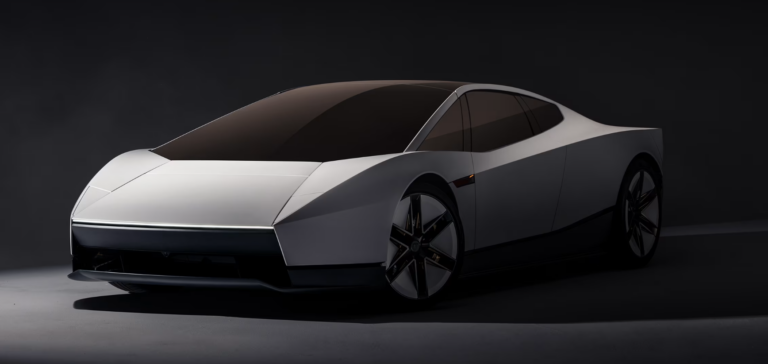
Tesla Roadster flies upside down and barrel rolls in the wildest car debut in memory
Elon Musk said it's "better than any James Bond car" and the mind-altering launch of the Tesla Roadster actually proved him right.
-
 News
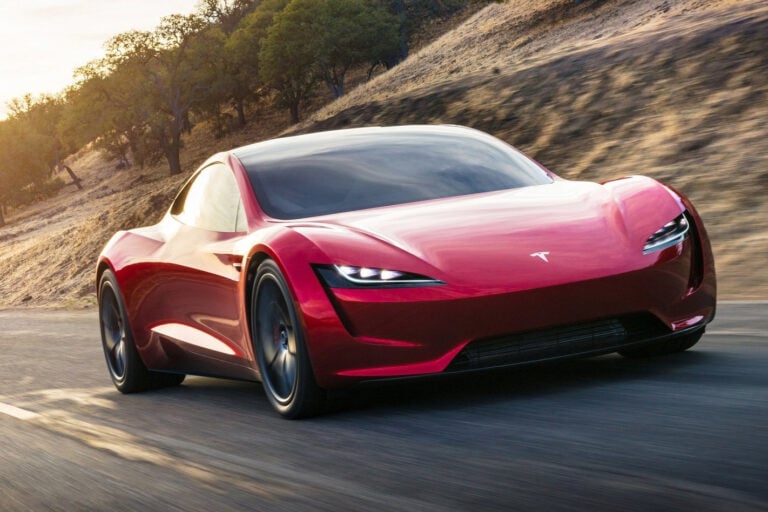
The Tesla Roadster finally gets a debut date after nine years of waiting
Tesla first showcased the second-generation Roadster in 2017 before the project was hit with a seemingly never-ending series of delays.
-
 News
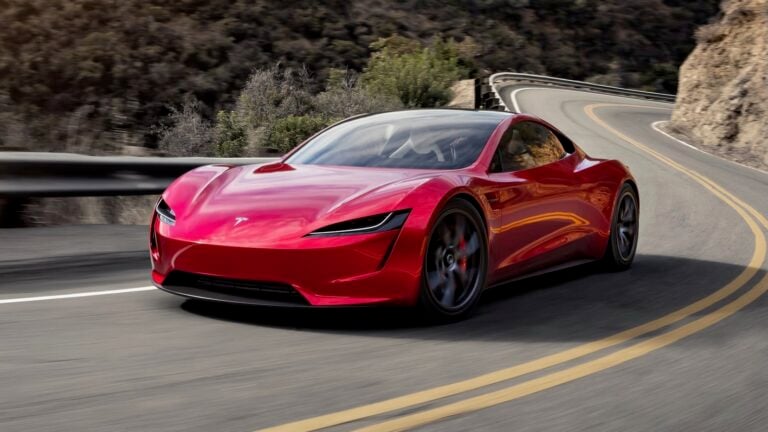
Tesla files patent for radical new tech as long-awaited Roadster launch is delayed by bad weather. Yes, you read that right
The long-awaited Tesla Roadster reveal has slipped again, just as a radical new fan-car patent hints at what the electric supercar could be capable of.
