Features

Gallery 1
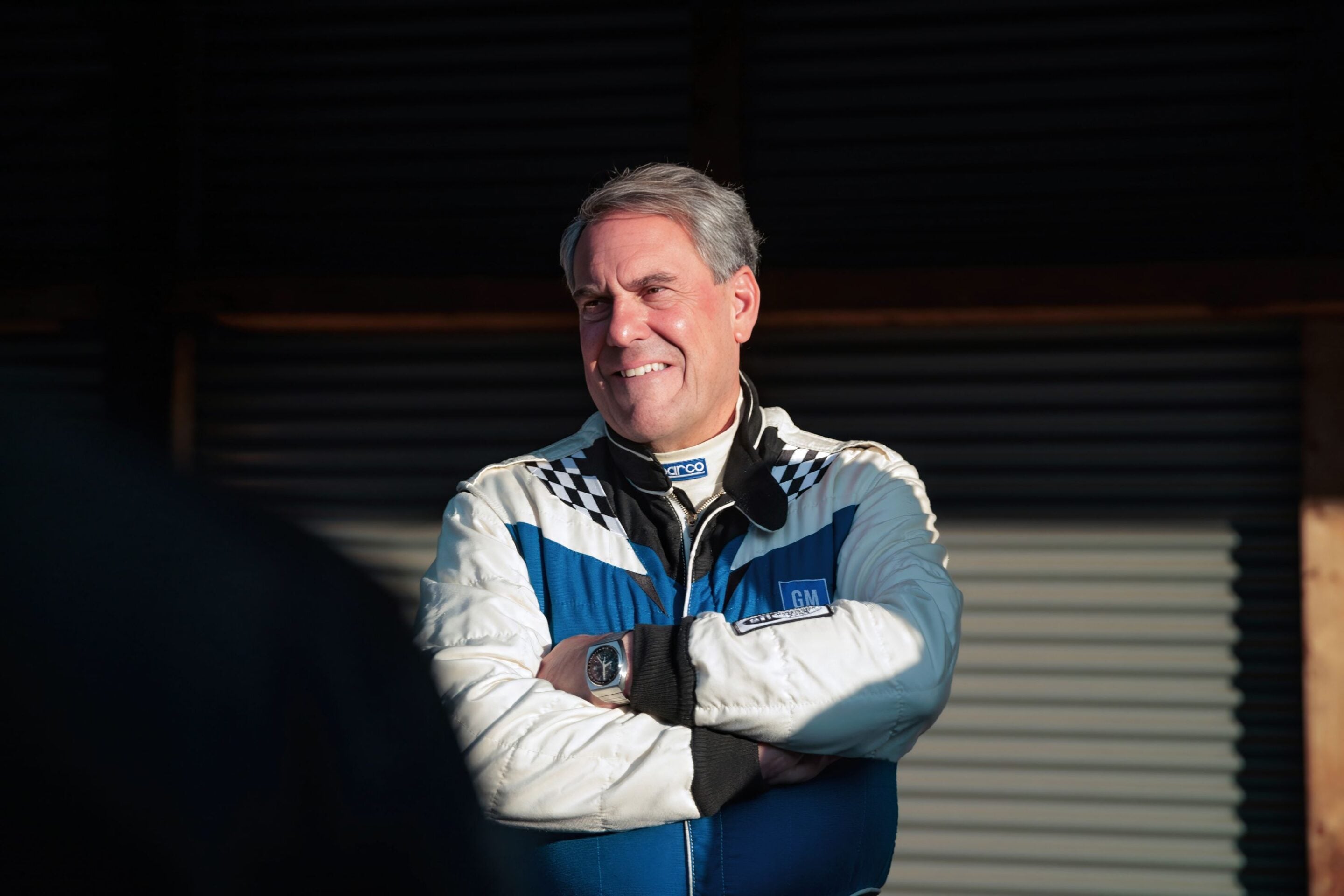
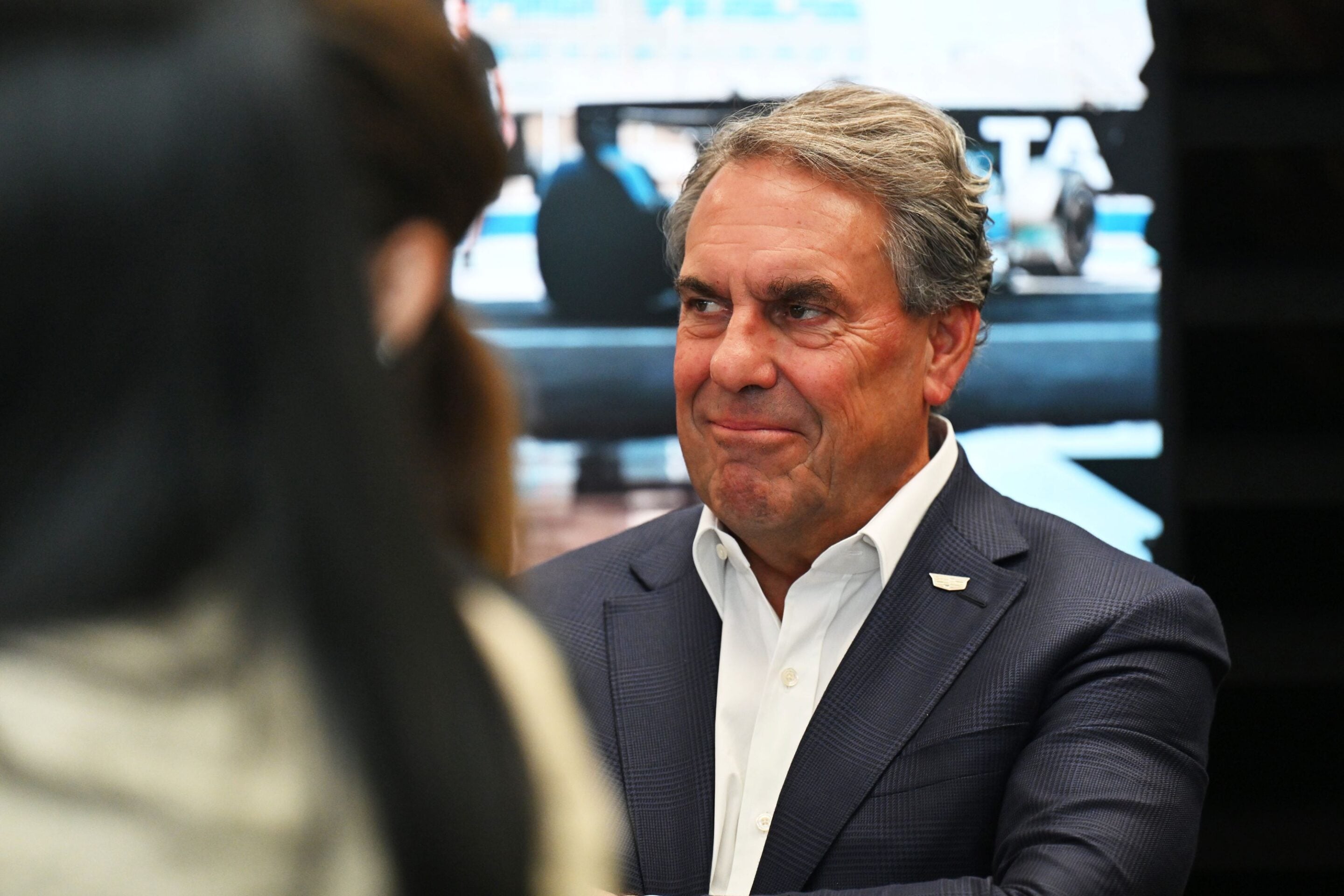
It’s been a very, very busy year for Mark Reuss.
The product boss for the world of General Motors has been active on all fronts, from green-focussed EVs to heavyweight trucks and outright speed machines. There has been design and engineering across the company’s portfolio, with top-level motorsport also swirled into the mix.
GM has even announced it is shooting for the moon – literally – as it begins development of a new lunar rover as part of the Artemis program at NASA to establish a permanent space base.
There is also the 70th anniversary of the GM Global Technical Centre, which Reuss first experienced as a boy on weekend ride-alongs with his father Lloyd.
2
“This place is still creating the future and I still find myself amazed at what goes on here on a daily basis,” says Reuss. “It’s not difficult to summon that childlike wonder I used to feel.”
That reaction is a genuine reflection of a true ‘car guy’, to use an American expression. His title might be GM President, and he might preside over a giant workforce with billion-dollar budgets, but he likes nothing more than planning the future and enjoying the present. He regularly cuts laps at the Nürburgring in Germany and pops up as the chief GM cheer leader at Indianapolis, Daytona and Le Mans.
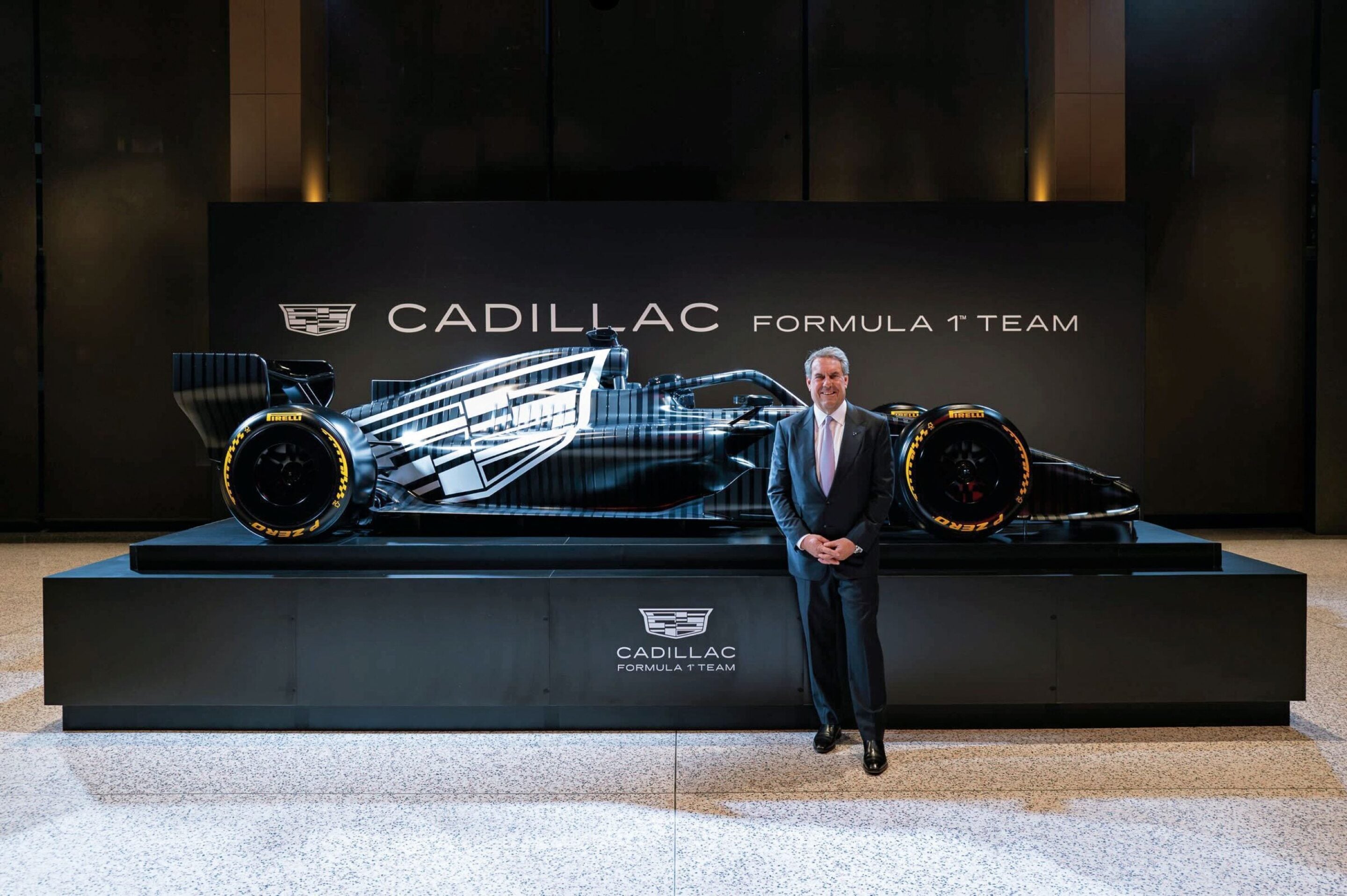
Reuss has also taken Cadillac into Formula One in 2026 and, although the American speed racer has a Ferrari heart and is struggling to get off the back of the grid, it’s more than just a marketing spin for the Drive to Survive generation.
It was Cadillac that brought Reuss back to Australia for the start of the grand prix season, where he has many Melbourne memories from his time in the driver’s seat at Holden in Fishermans Bend. He made the trip with his wife Kim, fitting in some sightseeing around his commitments at Albert Park with the F1 team.
“Boy, the memories were great,” Reuss tells Wheels. “We went to where we lived in Blackrock. We ate at Rickett’s (restaurant) on Beach Road. We took pictures of ourselves in front of the schools where all my kids went. It’s been just phenomenal. I mean, it really has and, well, it’s just, you know… I hated to leave.
“I left early because of what was going on back in the United States with the mainline company.”
There is a blanket ban on any questions about Holden during this interview, but Reuss does make a brief quip about his visit in 2018 to introduce Dave Buttner as head of GM-H in the company’s dying days, an event covered at the time by Wheels.
“I came back for a day, which was really not great,” he says.
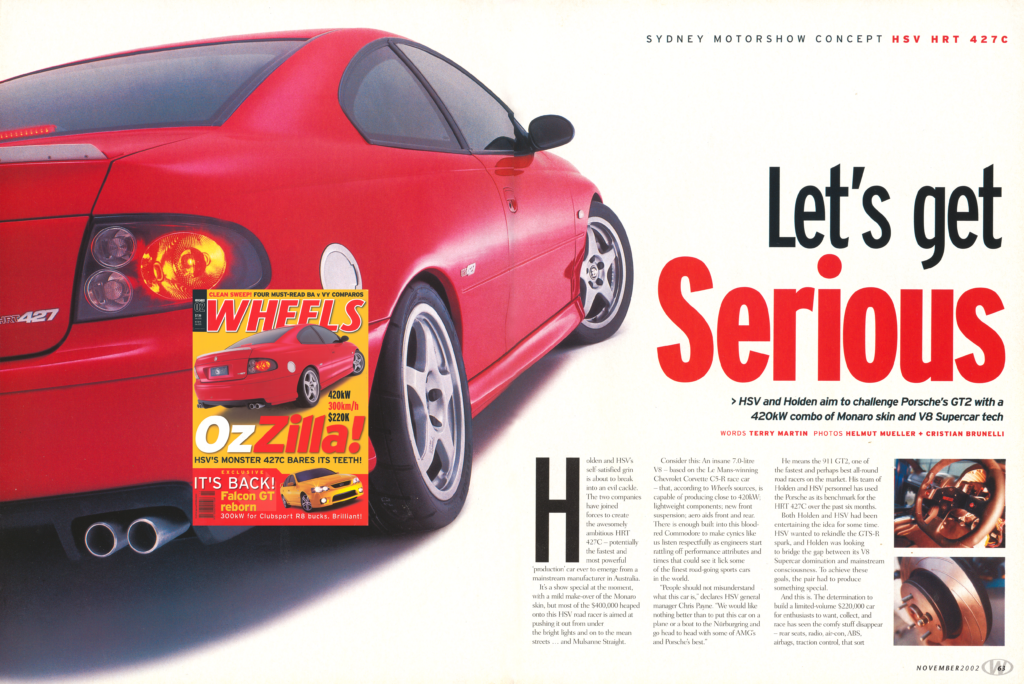
There are plenty of memories for Reuss and Wheels, tracking back to September of 2004 when he was just a foot soldier helping to wrangle a vast fleet of cars in southern France. It was a menial job for a fast-rising GM engineer, but he had slipped into his favourite Cadillac Racing jacket and got down to business.
“The only reason why I was there was because I knew how to drive the cars. Wash and make sure the cars are shiny for everybody,” Reuss recalls.
1
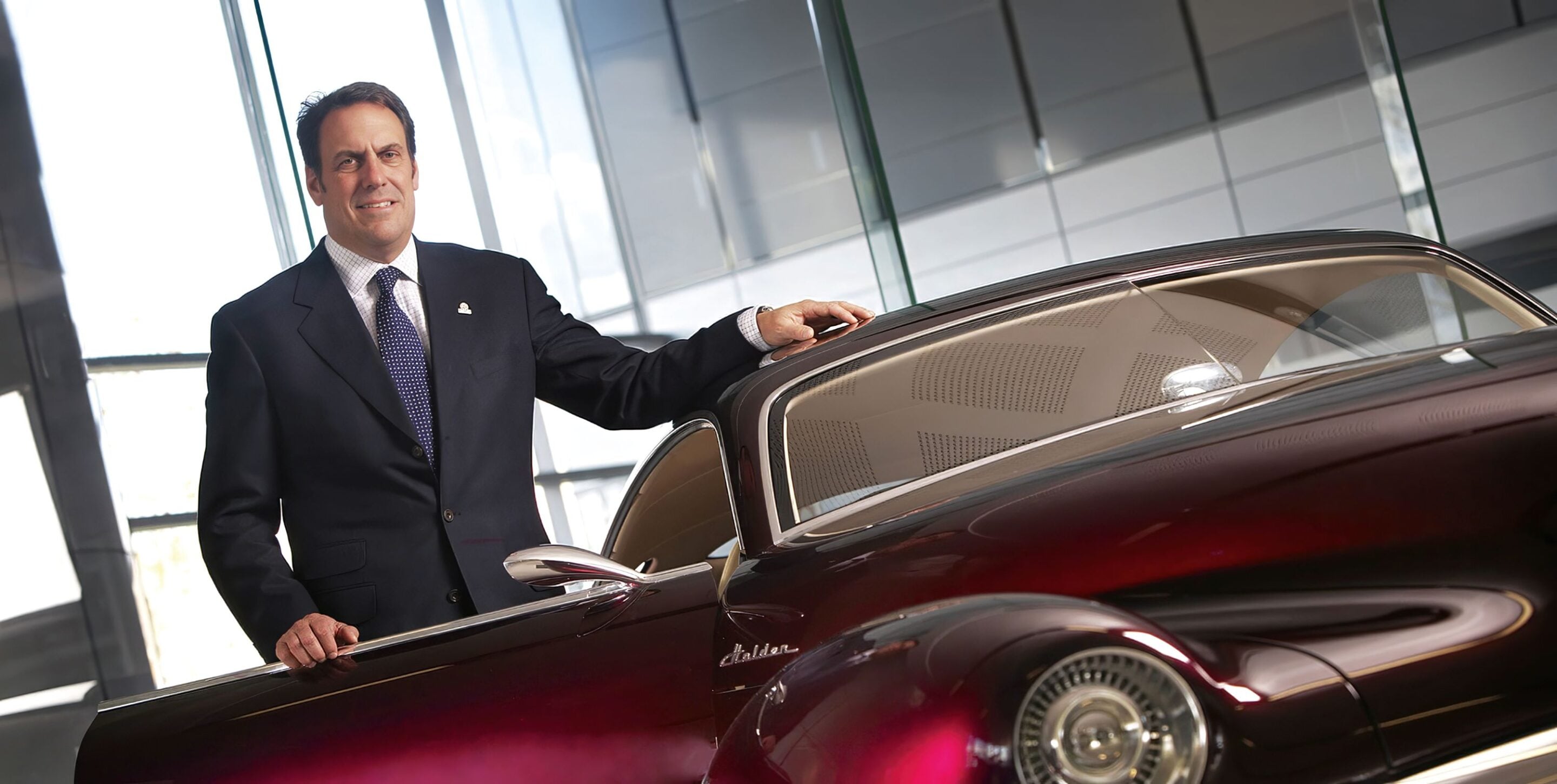
Skipping forward to January of 2008 and Reuss was standing in the spotlight at the Detroit Motor Show as the freshly-minted managing director of Holden. He arrived with his favourite Cadillac V-Series pin in his lapel but quickly replaced it with one to celebrate Holden Special Vehicles.
“The V-Series is now 20 years old. So [it was] just before I came to Australia… when that was born,” he says, recalling the start of the go-faster division.
There is a Cadillac theme running through his reminiscences, but also his plan for the future of a brand which has gone all-electric in Australia.
“You can’t just tell people about Cadillac. You have to show them,” Reuss says.
In many ways, it’s the same with Reuss.
“You need to meet this guy, he’s going places,” said Denny Mooney, the MD of Holden at the time, as he made the introduction to Wheels in France in ’04. Now he has definitely arrived, landing in Melbourne alongside Mary Barra, the Chair and CEO of GM, who handles the business and politics while he gets on with the cars.
“This is probably one of the most transformative times in the history of our industry,” says Reuss. “That’s very energising for me.
“I’ve spent most of my career in defiance. That is very powerful. The defiance piece for me [is] doing things that people say I can’t do or, yeah, shouldn’t do or won’t do. All that stuff is very powerful for me. [And] that’s still there.”
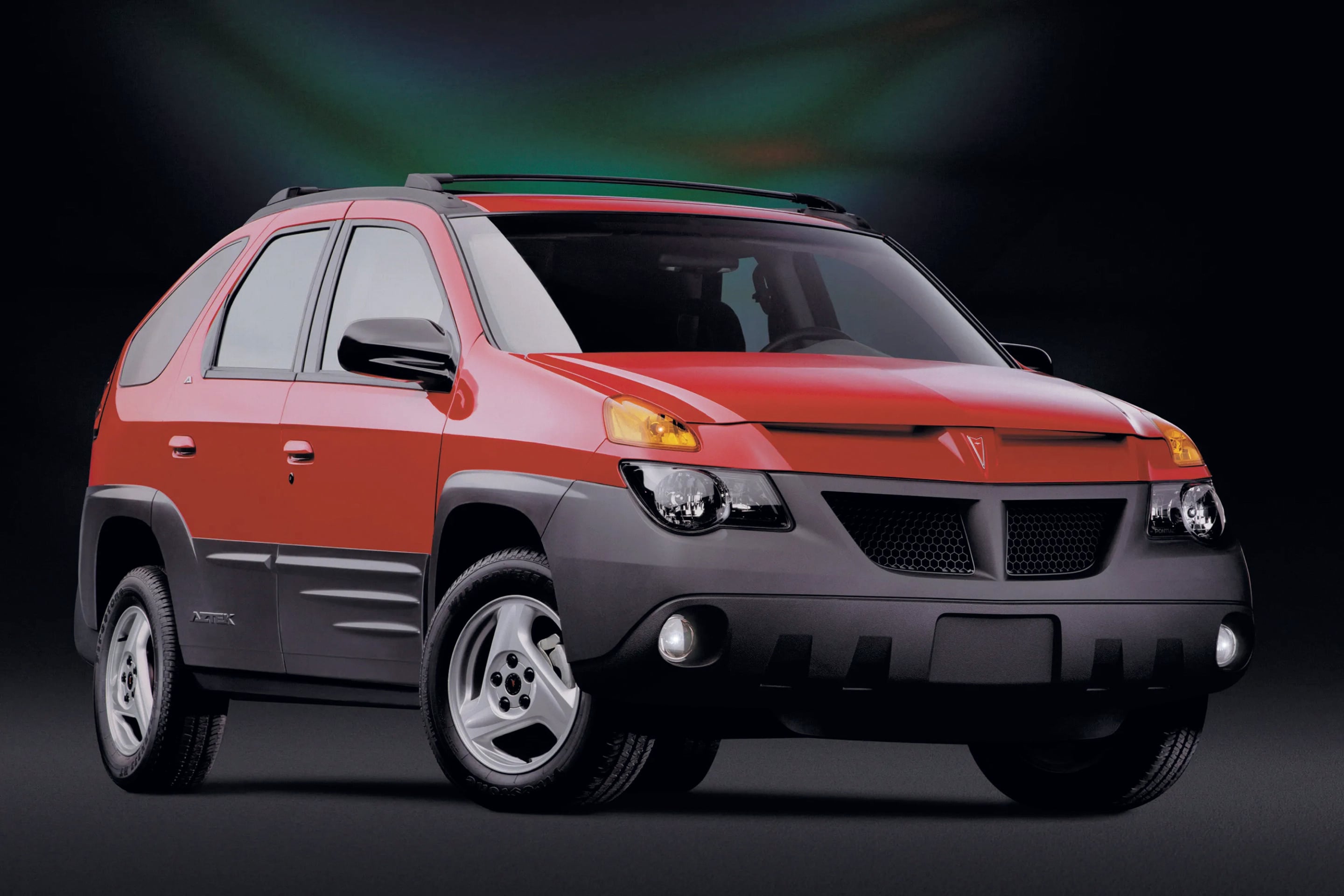
He sees himself as a disrupter and there is plenty of proof, starting with the Pontiac Aztek (below) he helped to develop back in 2001. It was a program that failed in showrooms before becoming a star car in the Breaking Bad television series. One is now displayed prominently in the Petersen Automotive Museum in Los Angeles.
1
“A lot of people don’t even think that car is real,” Reuss reveals. “If you really want to know, it was the height of dysfunction in the design department at GM. There were at least five chief designers that were re-doing the car all the time.”
Reuss has been through plenty of turbulent times at GM, back to the days when his father Lloyd was company president. Reuss Snr lost his job amid collateral damage from financial mistakes by others and the experience convinced Reuss Jnr he never wanted the top job.
“When I joined [GM], I always wanted to be a chief engineer of a car, that’s really what I wanted to do.”
He was no nepo baby and worked his way through the engineering ranks, with one big advantage. He is a true car guy who is happy to get his hands dirty and can also feel what makes a car good – or bad. In that way he is like the late Richard Parry-Jones, the Ford engineer who was responsible for a generation of ordinary European cars – think Fiesta and Focus – that were extraordinary to drive.
“To be honest with you, I spend five hours a week on Fridays driving cars like customers would,” he says. “If it’s cars that people haul kids in, then we’ll pack it full of engineers and ride it loaded. Really, really aim it at what our customers do.”
To this day, Reuss has a crash helmet and a HANS safety device in his office, and talks enthusiastically about his work at the wheel. He has regular outings in test cars at the Nürburgring and was at the wheel when the Corvette ZR1 hit 375km/h.
1
“The reason why I bring that up is that feeling, where you’ve never done something before. You know it’s going to be something worthwhile doing, yeah? “ he continues. “You know, it’s a great feeling. Like the butterflies you can feel. [It] makes you feel alive, right?”
Now he has shifted gears into Formula One and the feeling is the same.
“That’s what this feels like, going into F1. It makes me feel incredibly alive,” Reuss states. “And there’s risk in it. There is downside, there’s upside. It’s the right thing for Cadillac and the company, and it’s all of that.”
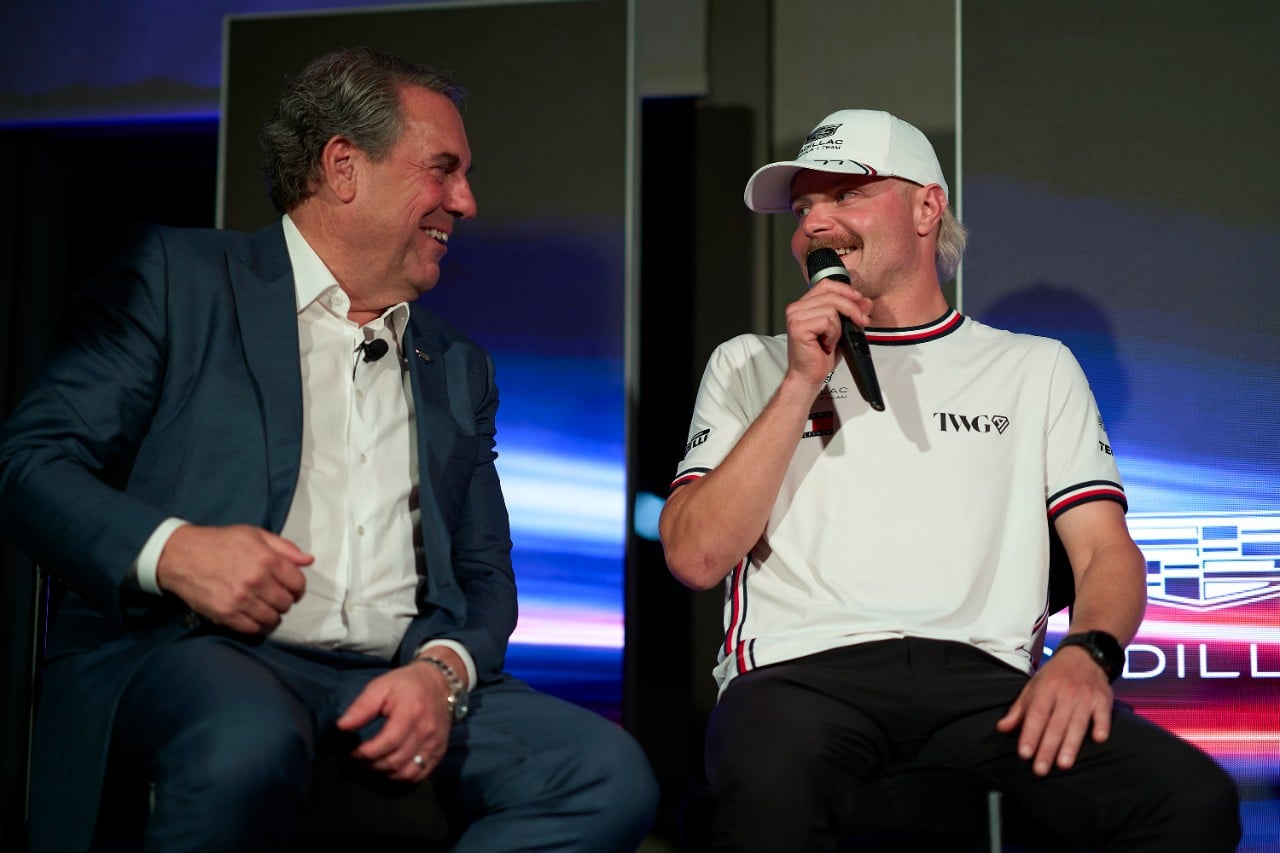
Reuss has been on the Cadillac F1 program since day one. He was one of only four people in the original meeting with champion driver Michael Andretti.
“The original business proposition was not a works team,” Reuss says. “And so we were not going to do it if we weren’t going to be a works team,”
That meant a commitment of more than $100 million, not just in set-up costs and staff and buildings and driver fees – veterans Sergio ‘Checo’ Perez and honorary Aussie Valtteri Bottas were chosen – but compensation to the other F1 teams for potential loss of earnings by expanding the grid from 10 to 11 teams.
Although the Formula One program is a very big deal, and Reuss is a very big fan, it’s barely even a blip on one of his regular working weeks. They are all about developing the cars of the future, responding to a world that is changing almost every day, and ensuring GM stays profitable for the long term.
“I’m not going to tell you my favourite car. It’s the one you haven’t seen yet. I’m proud of all of them. I’m proud of the Trax (baby SUV, below)) we’ve just introduced. They are the hard cars to do. Good ones in those price ranges are very hard.
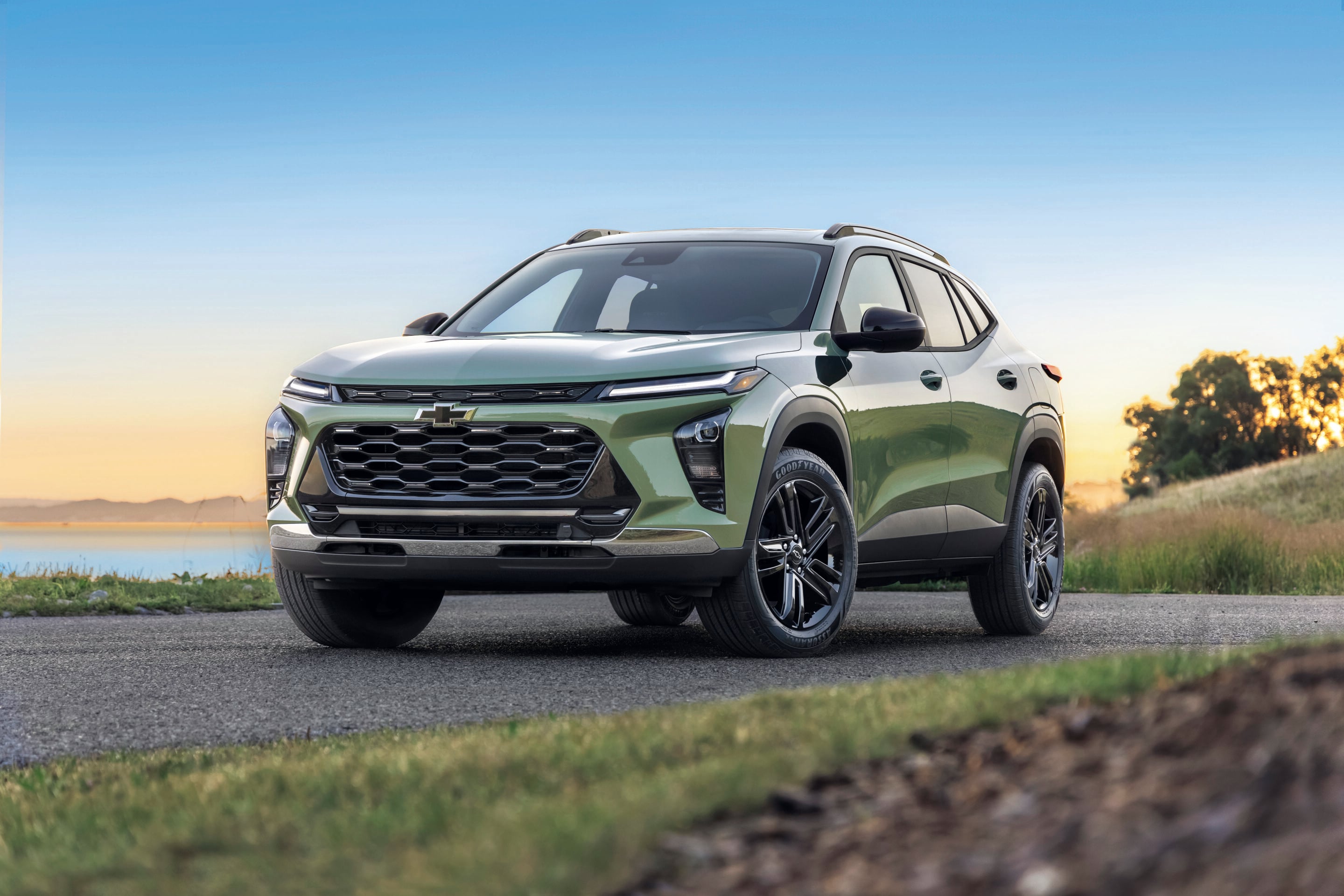
1
“And I’m very proud of our V-Series sedans that rated higher than most of the Europeans. And the C8 portfolio.
“You could also talk about all the cars (designer Mike) Simcoe and I have done over the last 10 years. I think the Cadillac design language, I’m really proud of that.
“Also very proud of the Equinox type of vehicle because I know it brings smiles to so many people’s faces. Those are really important.”
But does Reuss now see a day when the world on wheels will be totally electric?
“The markets have widely different infrastructure, widely different adoption and widely different regulatory environments,” he states. “Those are all reasons why there’ll be different paces and penetration of EVs. And, you know, I think that’s the reality of it, which is fine.
“It’s a slower pace of adoption than what we thought, for lots of different reasons. I would never say never. But I also say that we invested into dedicated platforms which a lot of other people didn’t. We invested in two dedicated platforms. So our cars are, generally speaking, over 300 miles (480km) of range.”
Reuss talks about a variety of new EV technologies and GM’s factory set-up as he looks at the rate of change in motoring.
“The infrastructure is coming. It keeps coming. And if you get the right range and the right value… obviously you can do amazing things with the (design) proportion of the vehicle, whatever vehicle it is.
“We invested in those and so all we’re doing is going to take more cost and deliver more value of those products to our customers. That’s a pretty powerful place to be.
“Look how well placed we are from a portfolio point of view in a rapidly evolving industry. At Spring Hill (Tennessee) we will have almost equal production of EVs or ICE (internal combustion). We can flip that factory – and I’m talking about where the Lyriq is built – to all EV in a week. Or all ICE in a week. And we’ve got a battery factory making batteries for it right next door.”
2
Reuss says GM is now moving to new LMR battery chemistry – lithium manganese-rich – which promises higher energy density with huge cost advantages.
“We’ll take thousands of dollars out of the car on the battery. Which is really important. I think we’re really agile. It’s really hard. It takes investment and courage and it takes commitment. If you swing your strategy really hard, you will burn capital faster than you can keep up.”
Still, he is optimistic on one EV front.
“Four out five people who drive an EV will never go back,” Reuss predicts.
So, with Cadillac going all-electric in Australia and with a growing EV emphasis, what does Reuss see as the main motivation for the expensive and expansive Formula One play?
“Becoming truly tier one luxury with no excuses. Full commitment, a lot of technology transfer,
particularly aerodynamics and the integration of the car itself.
“And the speed will be reflected in cars like what we just put into Australia, the Lyriq, the Optiq and the Vistiq. Being able to be better than anybody else is a big part of that, and I think the recognition piece, right? I mean, this reaches millions of people that we can’t.”
His final thoughts on GM run parallel with the challenge for success – and the considerable and costly risk involved – in the bold foray of Cadillac into Formula One.
“Nothing matters until you sell a car. Nothing happens. You cannot invest,” he says. “If the product is not right, and people don’t buy it, we risk everything. It’s all at risk. It’s never over. There is no finish line on that. There should never be a finish line on product.”
This story first appeared in the August 2026 issue of Wheels magazine, now on sale. Subscribe here and gain access to 12 issues for $109 plus online access to every Wheels issue since 1953.
Follow WhichCar/Wheels on Google
Click the button below to make WhichCar by Wheels a preferred source for your news.

We recommend
-
 Features
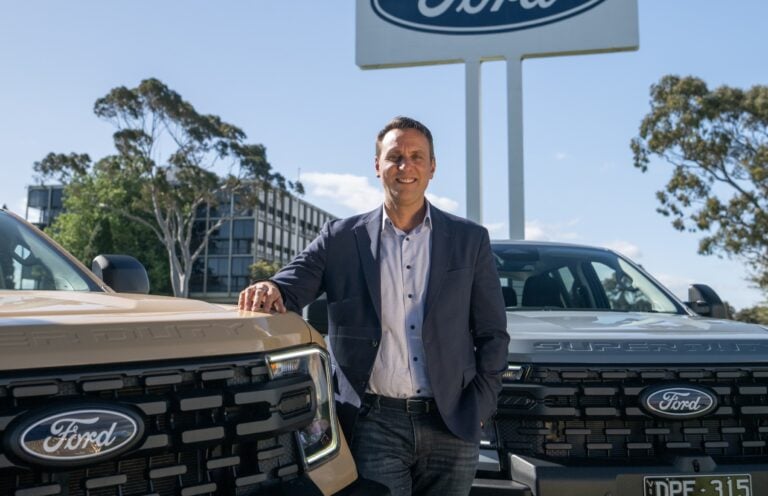
The Wheels Interview: Ford exec Jim Baumbick, the man who helped make the Ranger a roaring success
Ford exec Jim Baumbick found his feet at Victoria’s Broadmeadows HQ before his rise through the ranks, from Ranger mastermind to European boss, testament to Australia’s influence on global strategy and future Blue Oval trucks...
-
 Features
The Wheels Interview: Honda Australia boss, Jay Joseph, hits the reset button
Honda Australia CEO Jay Joseph is a company man through and through. Paul Gover sat down with the 25-year brand veteran to talk all things Honda, Formula One and how he plans on turning around the Japanese maker’s local fortunes.
-
 Features
The Wheels interview: Roland Dane, V8 Supercars pioneer with Triple Eight Racing
Roland Dane’s stellar achievement in Australian motorsport – creating Triple Eight Racing – may not even be the most interesting thing about his long and varied career, discovers Paul Gover.