
Features

Gallery 1
Broadmeadows has helped springboard a string of talented Australian executives into top jobs at the Ford Motor Company.
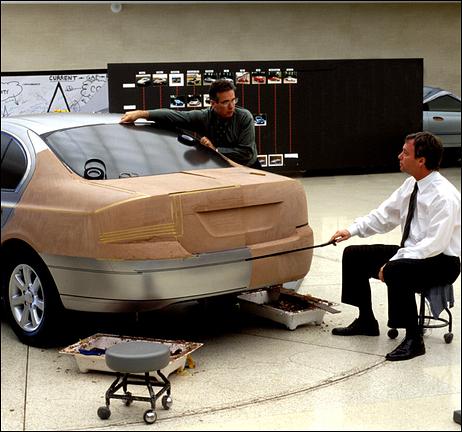
Success in suburban Melbourne lit the fire that blazed Jac Nasser all the way to the president’s desk in Detroit, the late Geoff Polites rose to head Ford of Europe and then Jaguar-Land Rover in the UK, Trevor Worthington became vice-president of Global Product Development, while Todd Willing is currently the head of Ford Design.
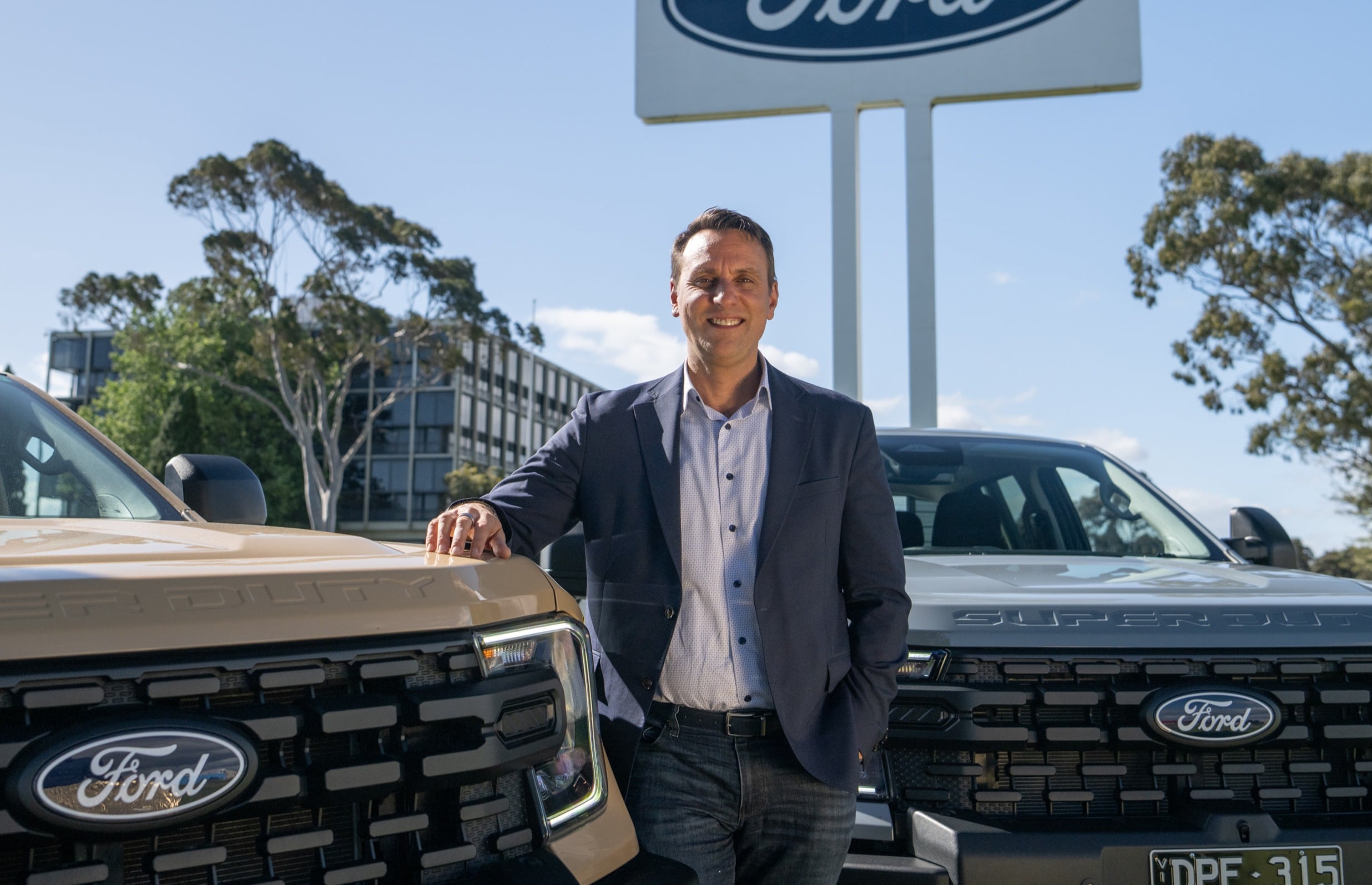
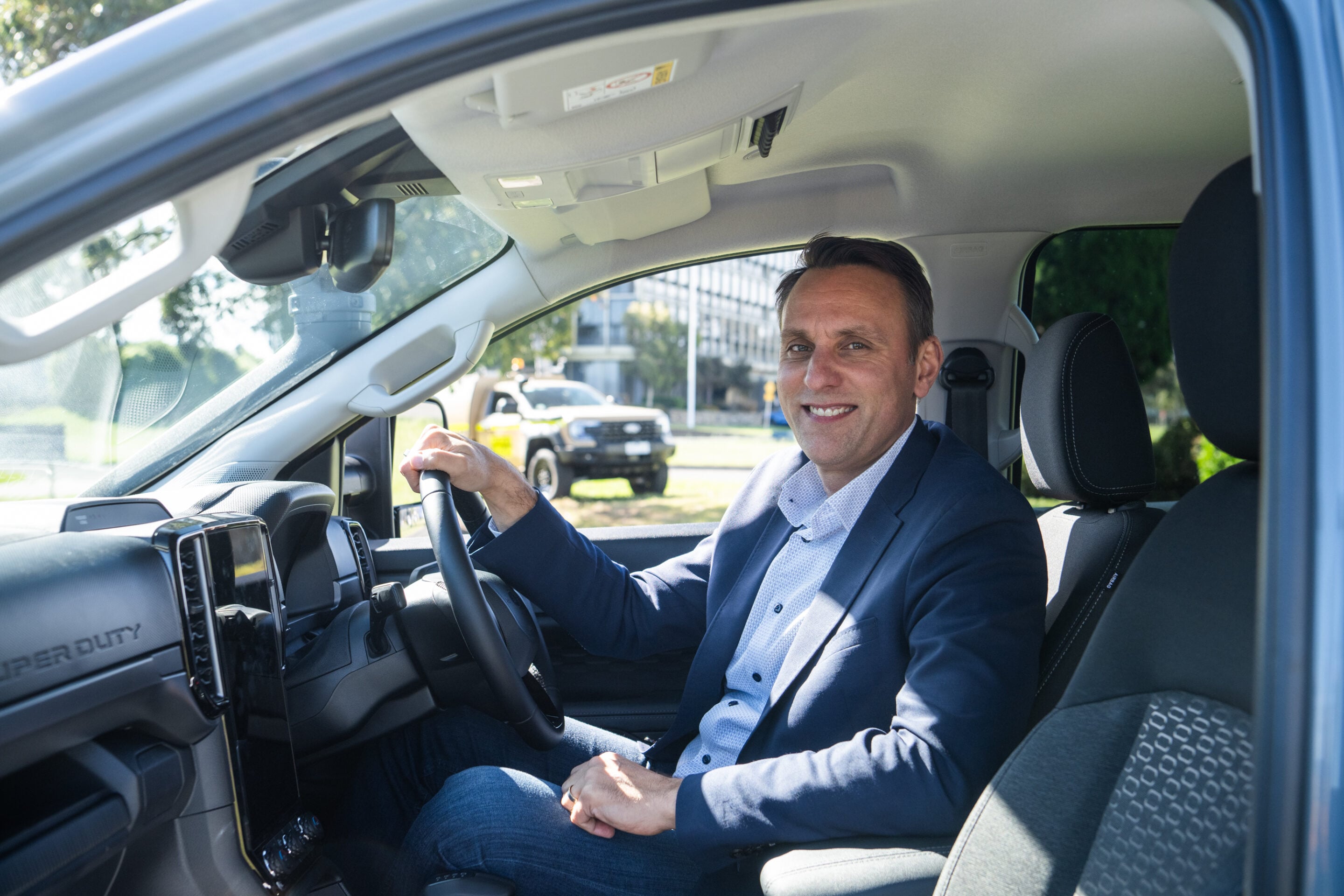
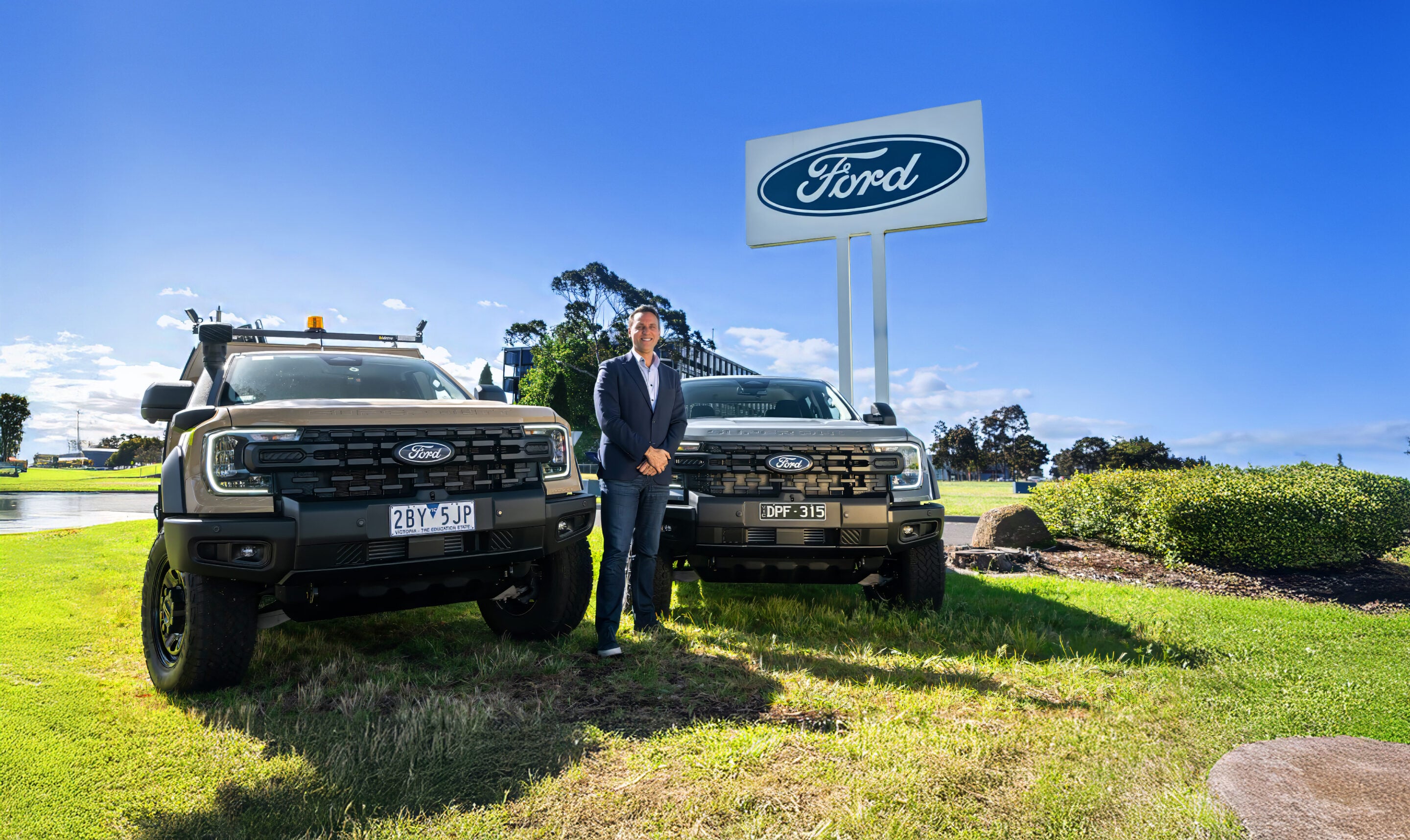
Now comes Jim Baumbick. Who? When? Why? He might appear to be a born-and-bred Detroiter, and just another ‘lifer’ working the angles at FoMoCo, but he knows plenty about Australia and has spent more than a decade in senior leadership positions covering the Asia-Pacific region. He is also a car guy who jumped across to Saudi Arabia to watch the Ford Raptor V8s in action in the Dakar Rally.
Baumbick is still remembered for his early work on the supercharged V8 engine in the FG-X Falcon. But his Aussie connection has come mostly through the Ranger program. With a down under base at the boring bland box on the Hume Highway, which has morphed from the headquarters of Ford Australia into a regional research-and-development hub, Baumbick led the talented local crew who created Australia’s top seller for the past three years.
1
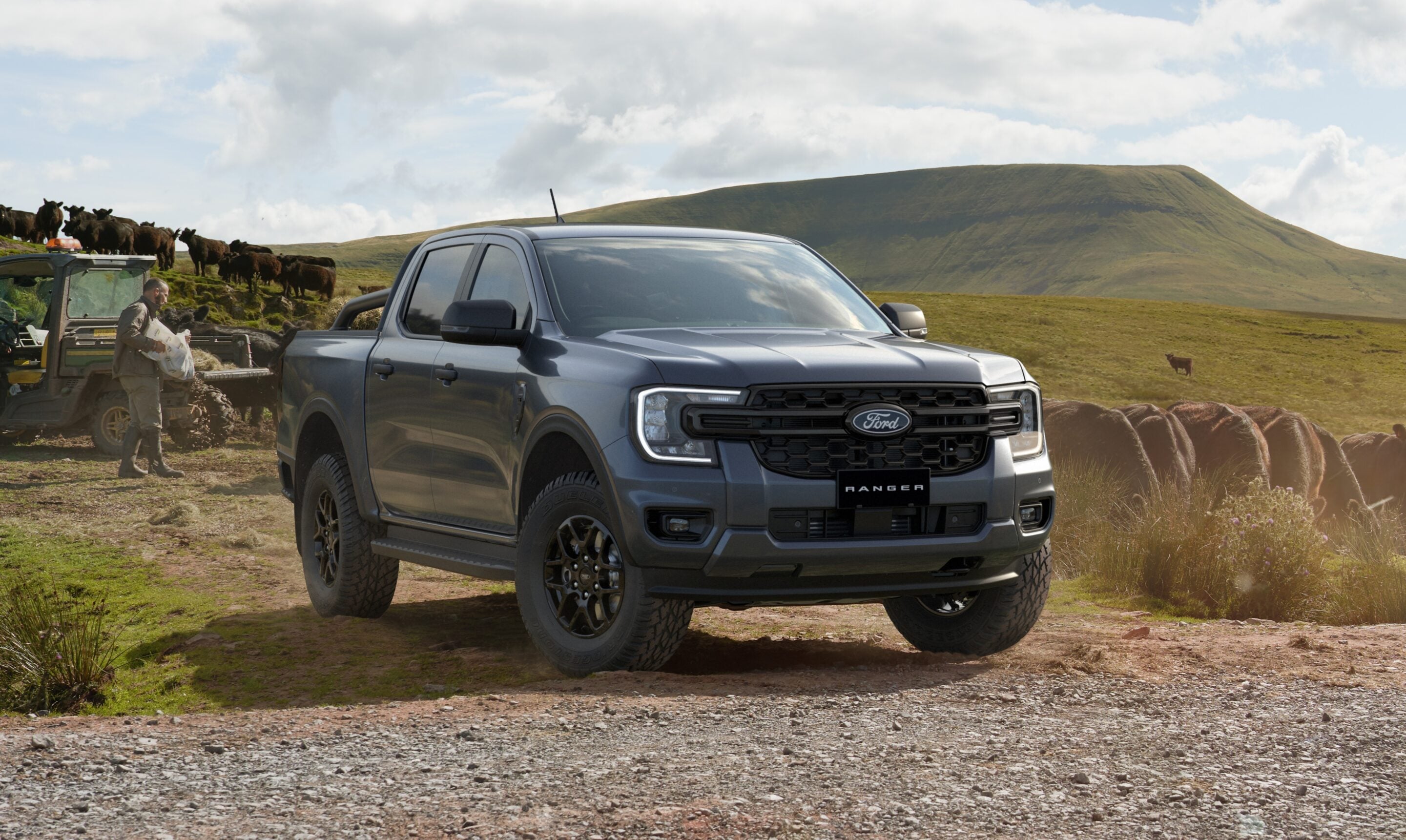
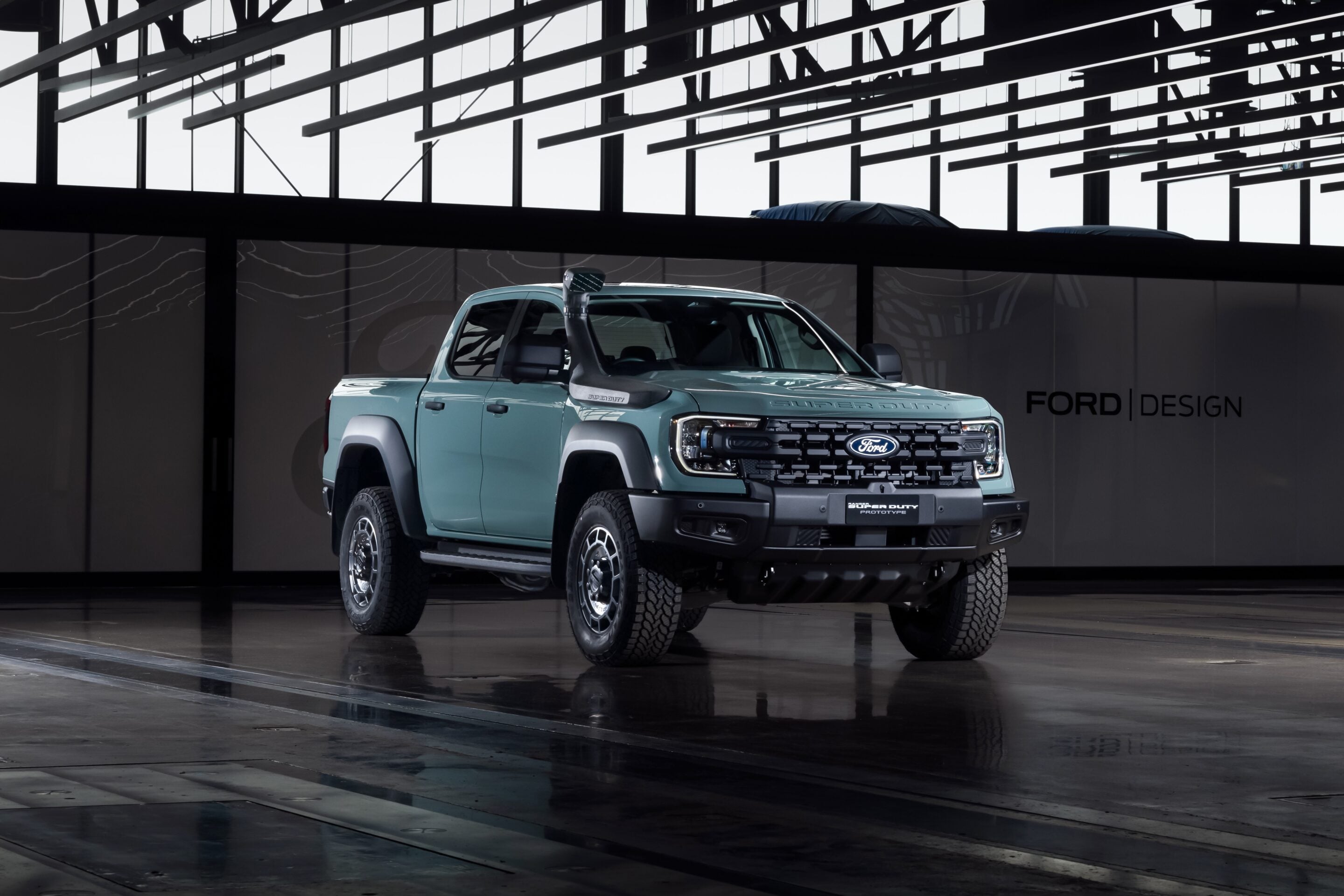
Then followed the Everest spin-off from the pick-up platform and, most recently, the Super Duty version of the Ranger that upscaled it into a heavyweight workhorse.
The way he is going, Baumbick could easily become Jim Farley’s successor as the CEO of Ford. He has already ticked the boxes on the engineering side of the business – with job titles including Executive
Director of Global Product Planning and Strategy – and, just days after sitting down for an exclusive interview with Wheels, he jetted to Germany to take over as head honcho at Ford of Europe to learn all about the work of the sales and marketing divisions.
His final visit to Broadmeadows and the You Yangs proving ground was a sign-off to the 1500-strong workforce – at least for now – but also a chance to share insights on everything from the Mustang to electric cars and the successor to the current Ranger. He knows the granular detail because he’s been at the cutting edge of the latest development programs.
Although he might look like another well-polished ‘corporate suit’, once he starts talking it’s clear
he is plugged-in at the very highest levels of future development work. And he has the seniority to lift the screen from a bunch of the stuff which is normally on the top-secret list.
“My whole history is developing product,” begins Baumbick. “That’s the thing I have the most
passion about.” “We have an incredible team here. We’re a product and service and experience-led company.”
1
We start with the electrification of motoring, focussed on Ford’s massive losses – it admitted to $5 billion in 2024 before a $19.5 billion write-down at the end of last year – to the decision to bin the F-150 Lightning pick-up truck.
“We are not giving up on EVs. They will be a critical part of our portfolio of offerings. It was never going to be a light switch – on or off,” he begins, before confirming Ford is now driving a multi-pathway program similar to the one which is working for Toyota.
“You are going to see a much broader application of multiple paths. There will be extended-range
EVs. You can think of PHEVs (plug-in hybrids) on a spectrum, where even the size of the combustion
engine varies.”
But he admits there had been a pivot from the original push with the Mustang and F-150 EVs.
“We didn’t bet 100 per cent on EV,” he says, pointing to 20 per cent of F-150 sales now being claimed by hybrids.
“I feel like we’re operating from a position of strength. Where and when we choose to compete, we have to win it. We set forth to put all our product lines on the podium.
1
“But can you rest on that? No. We’re leaning in. We don’t make enough hybrids.”
He talks about work on the Maverick, including a hybrid package that includes plug-in appliance sockets similar to the ones already fitted to the latest Ranger.
“Most customers are going to learn a hybrid in a truck is a new superpower for a truck. You can even have access to (plug-in) mobile power. Customers haven’t been exposed enough to see how incredible this is.”
What then, is the future of the Mustang? And a Mustang with a combustion engine?
“I can’t imagine a Ford Motor Company without a Mustang,” he says. “We’re going to keep the pedal down on Mustang. We think there is a lot of opportunity.”
Baumbick talks broadly about work on the Mustang cycle plan since 2016, where the focus has been on creating a car which provides a halo for the whole product range.
“We are using our race-to-road strategy,” he says.
In Australia, the Mustang commitment is obvious through Supercars racing but Ford is also pushing the car into Le Mans-style sports car racing. It has developed a GT3 racer for competition around the world and the car will race in Australia for the first time at this year’s Bathurst 12-Hour at Mount Panorama.
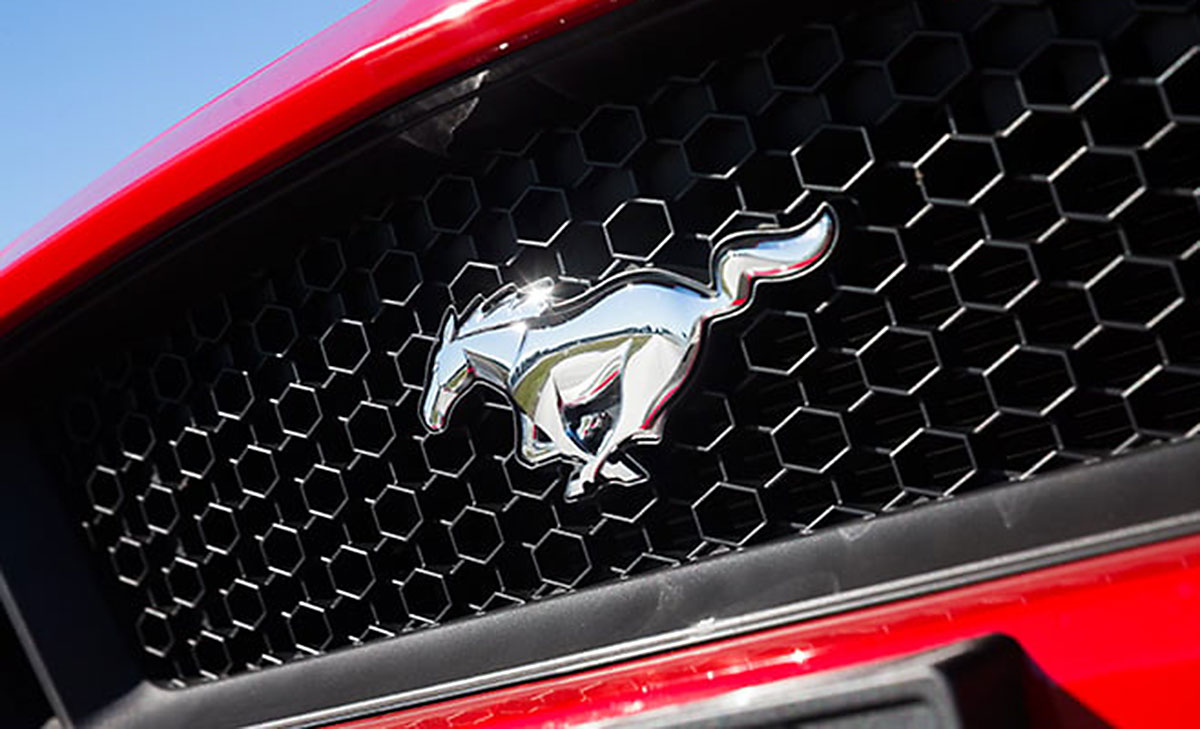
Mustang work is still focussed on making the car faster and more extreme. The latest example is the GTD, a track-focussed customer car with a 600kW engine, a rear-mounted transaxle gearbox and active aerodynamics. Officially, the car was only available in the USA with a price tag close to $500,000, and it was a near-instant sell-out. But at least one is coming to Australia, after a super-keen buyer found a ‘work-around’ on the paperwork for the official delivery location.
3
“We wanted to unleash our engineers without constraints. The GTD is an incredible apex predator,” says Baumbick.
He is just as positive when talking about the Australian operation. What’s called the ‘Product Development Campus’ was the result of a major update when Ford Australia downsized to offices in Richmond in Melbourne, and the R&D work also includes workshops in Geelong and the proving ground at You Yangs.
According to Baumbick, it’s the whole package which makes the Ranger program work so well.
“We have an incredible asset, called our team, here in Ford Australia. They have built the business from here. You don’t take that knowledge and not put a huge value on it,” he states.
The bottom line is simple.
“The truck was born and bred here in Australia. The mission was to build a vehicle that was the F-150 for the rest of the world. The F-150 is not the ideal tool for many countries. It was our original mission.”
Although he is less open when talking other programs, Broadmeadows has also been instrumental in development of other vehicles around the Asian region. One of those was the baby Figo for India.
Officially, the R&D centre is responsible for ‘international markets’, although he is not giving away any secrets.
“There is work through the region. China and India. I would struggle to give you a percentage.
“It’s a broader population in the region. But the primary focus is Ranger. Ranger is competing in over 190 markets,” he says. “It’s a perfect location to develop the truck. A perfect representation. The team here think of a very harsh environment. And how utes are used.
“If you’re off-roading and in rugged environments, you need a truck. And that’s what a Ranger does.
That kind of knowledge doesn’t happen overnight.”
1
Winding back, Baumbick recalls a series of Ranger milestones and breakthroughs.
“The Gen1 Ranger was the first five-star (safety) pick-up. Even then, we started with developing a ’roo bar that retained the safety systems.
“People were buying a Ranger and then spending $3000 to make it ideal for the job. We almost invited ourselves to create this amazing apex truck.
“It was always surprising that the primary competitor, the Toyota LC70, was a very old platform. It was staring us in the face.”
So, too, was the Super Duty version of the Ranger.
“I’ve thought about that product since Gen1. We’ve finished the job I always wanted to do. The
inspiration was the modifications people were doing to their Rangers. I like to think of it as the apex of Ranger. Super Duty in the USA is the truck used for the toughest jobs. It’s the truck that is capable of a lot more. Super Duty is the apex of the F-Series trucks. I love the mining application (for Ranger Super Duty) because it is such a harsh environment.”
He can also see more opportunity for Ranger, and Super Duty especially, as he gets to work in Europe.
“A lot of markets haven’t seen anything like this truck. With a high payload and high towing. There is really only one answer. The market I’m heading to, in Europe, I think it will be very unique.”
4
Baumbick might be moving on from Ranger work, but he knows the targets and commitment to the
program. He says the next objective for Ford is the biggest of all, taking class leadership – globally – from the Toyota HiLux.
“We’re now global number two. They (Ford) have to stick with it. Defend it and grow it. The goal is to be number one.
“This is the team. The goal. I want them waking up every day and worrying about Ranger and Everest.”
Further into the future, he confirms that development of the Ranger will continue at Broadmeadows and You Yangs. That’s great news for the Ford workforce in Australia and also the buyers of the next-generation Ranger. Baumbick would not give any specific details, but revealed just enough to show clearly that early work has already begun on the successor.
“We’re doing program reviews. And getting the replacement up to speed. Every day, every engineer, every manager, wakes up and thinks about Ranger.”
And the bottom line is the best news since Ford ended production of the Falcon, as Baumbick
confirmed there is no plan to shift the Ranger program out of Australia.
“For T6, the Ranger vehicle line, this is the home base. The knowledge base around Ranger starts and finishes here,” he says.
This article first appeared in the February 2026 issue of Wheels. Subscribe here and gain access to 12 issues for $109 plus online access to every Wheels issue since 1953.
Follow WhichCar/Wheels on Google
Click the button below to make WhichCar by Wheels a preferred source for your news.

We recommend
-
 Features
The Wheels Interview: Mick Doohan, on life after MotoGP glory
Paul Gover catches up with Mick Doohan who at 60, brings the same single-minded determination to his business interests as he did claiming five MotoGP world titles.
-
 Features
The Wheels Interview: How Bernie Quinn's Premcar solves problems for some of Australia's most popular makes
Bernie Quinn was an underperforming, self-confessed ‘battler’ before he found his feet as an engineer at Ford. These days he’s the CEO of Premcar, a company he has built up with a former colleague to create uniquely Australian answers to a variety of automotive questions.
-
 Features
The Wheels interview: Roland Dane, V8 Supercars pioneer with Triple Eight Racing
Roland Dane’s stellar achievement in Australian motorsport – creating Triple Eight Racing – may not even be the most interesting thing about his long and varied career, discovers Paul Gover.
