Features

Gallery 1
In the days when Holden was making great cars, the key engineering team included a relative
youngster called Rob Trubiani.
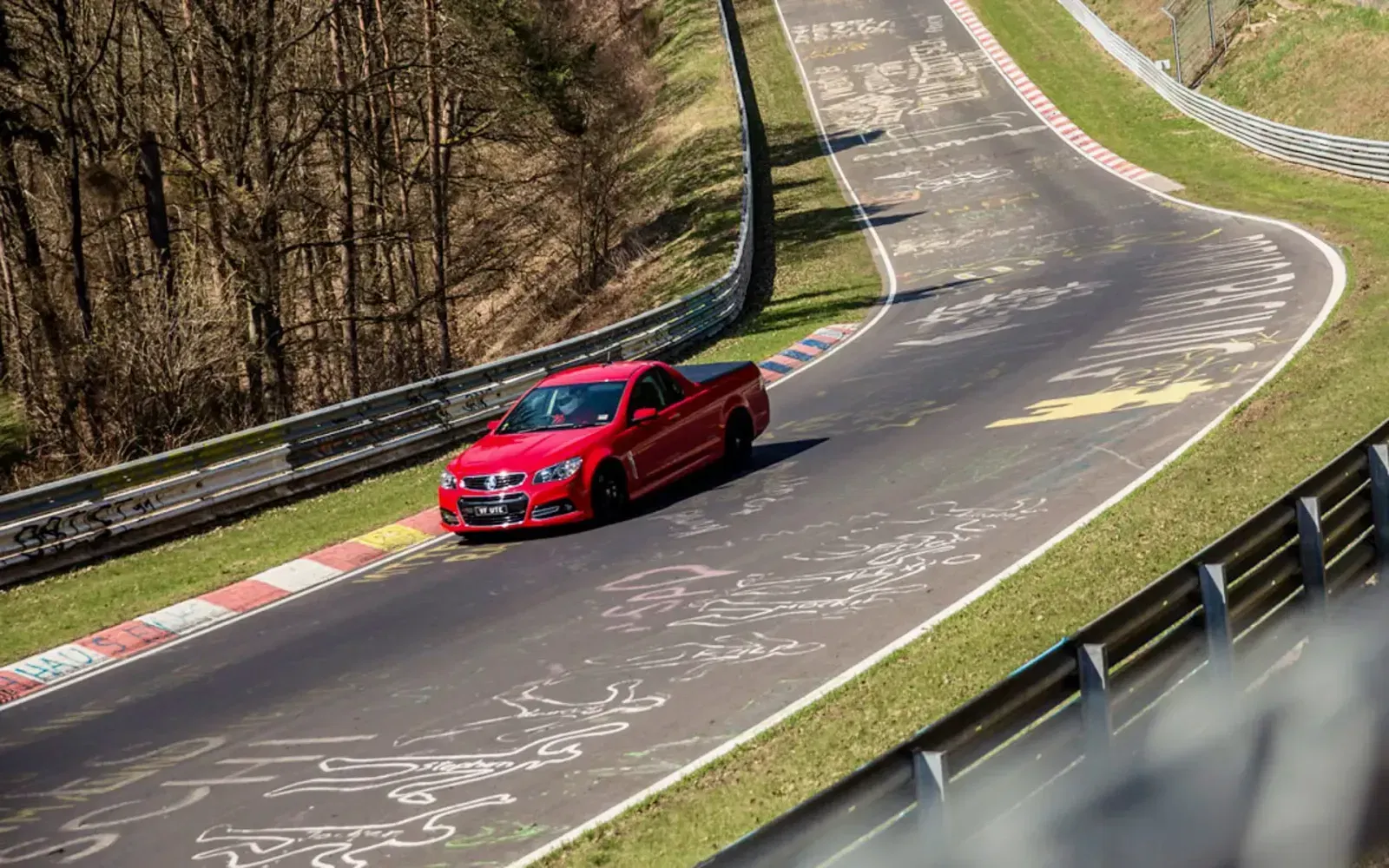
He lived and a worked through some excellent times and landmark cars under the red lion brand, and even set a lap record at the Nürburgring in a Commodore SS ute.
Now he has a new challenge. So, before you ask – because we did – he doesn’t see himself as a turncoat for abandoning Holden and everything that made it Australia’s heartland brand.
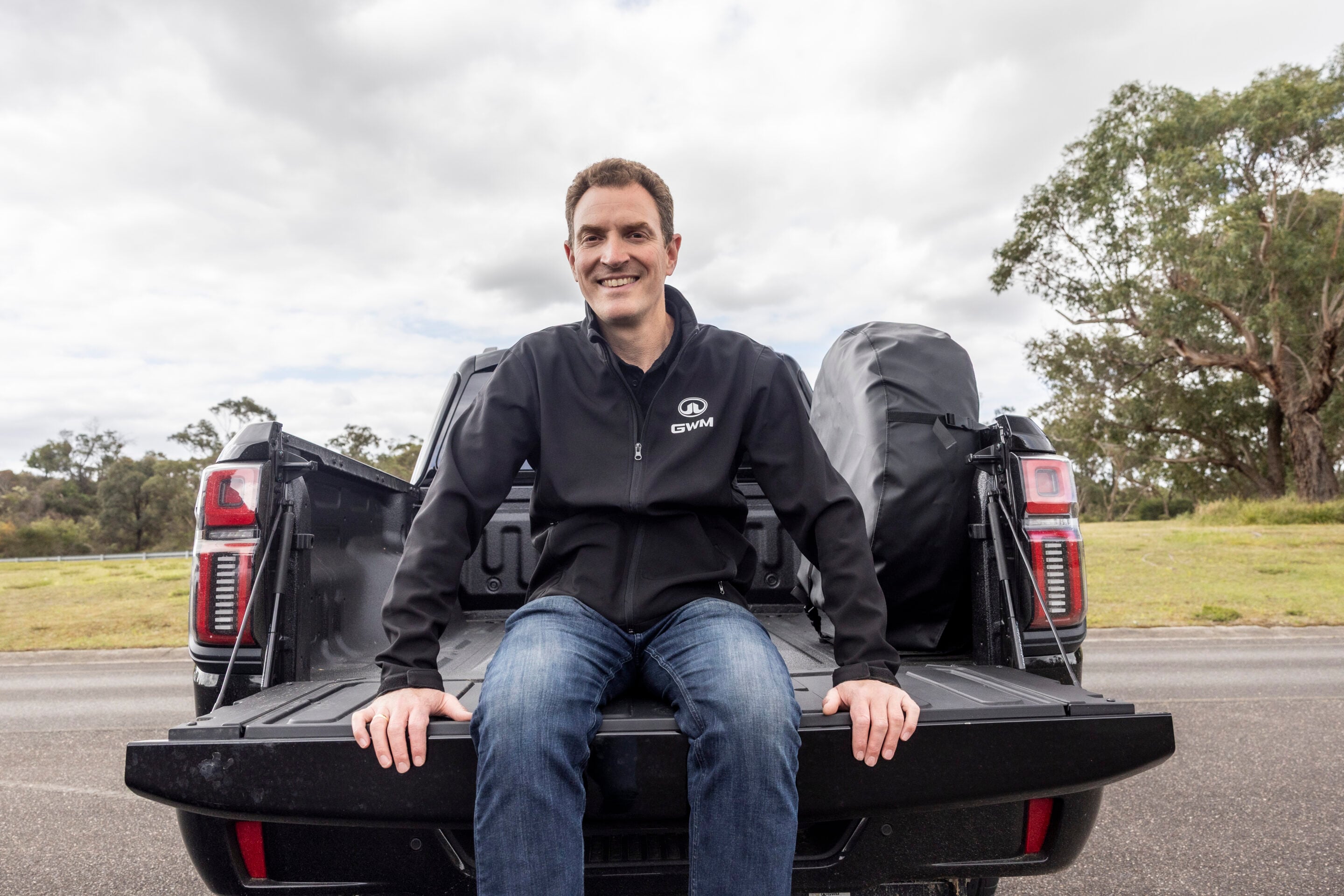
Trubiani reckons he’s now doing an even-more-important job for Aussie motorists by helping to create a new generation of worthy Chinese challengers. He has joined GWM as it embarks on an ambitious mission to become a top-five brand inside the next few years, burying its local roots as Great Wall Motors under a stream of new badges and models for Australia.
1
“Of course I’m not a turncoat. How could you say that?” Trubiani fires back indignantly when his loyalty is gently probed by Wheels. “Part of the reason why I got on board with GWM was to make our cars better. The same as I did at Holden.”
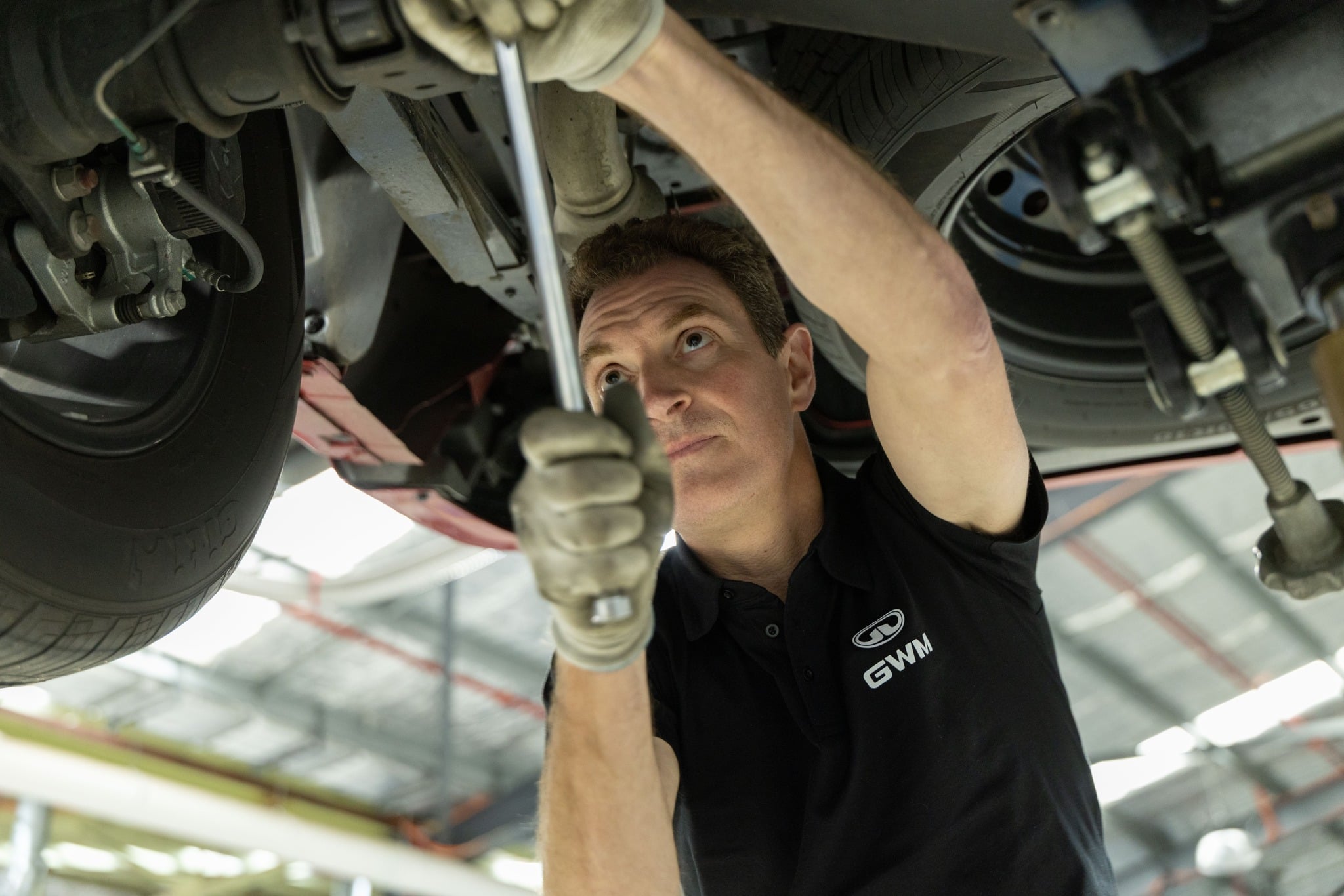
The first example of his new work is GWM’s Tank 300, a mid-sized four-wheel drive, which has just had the Trubiani treatment in what is described as the AT1 – Australian Tune #1 – suspension package. Wheels has briefly driven the updated Tank and it’s good, not just for the Tank but for the prospects at GWM in Australia.
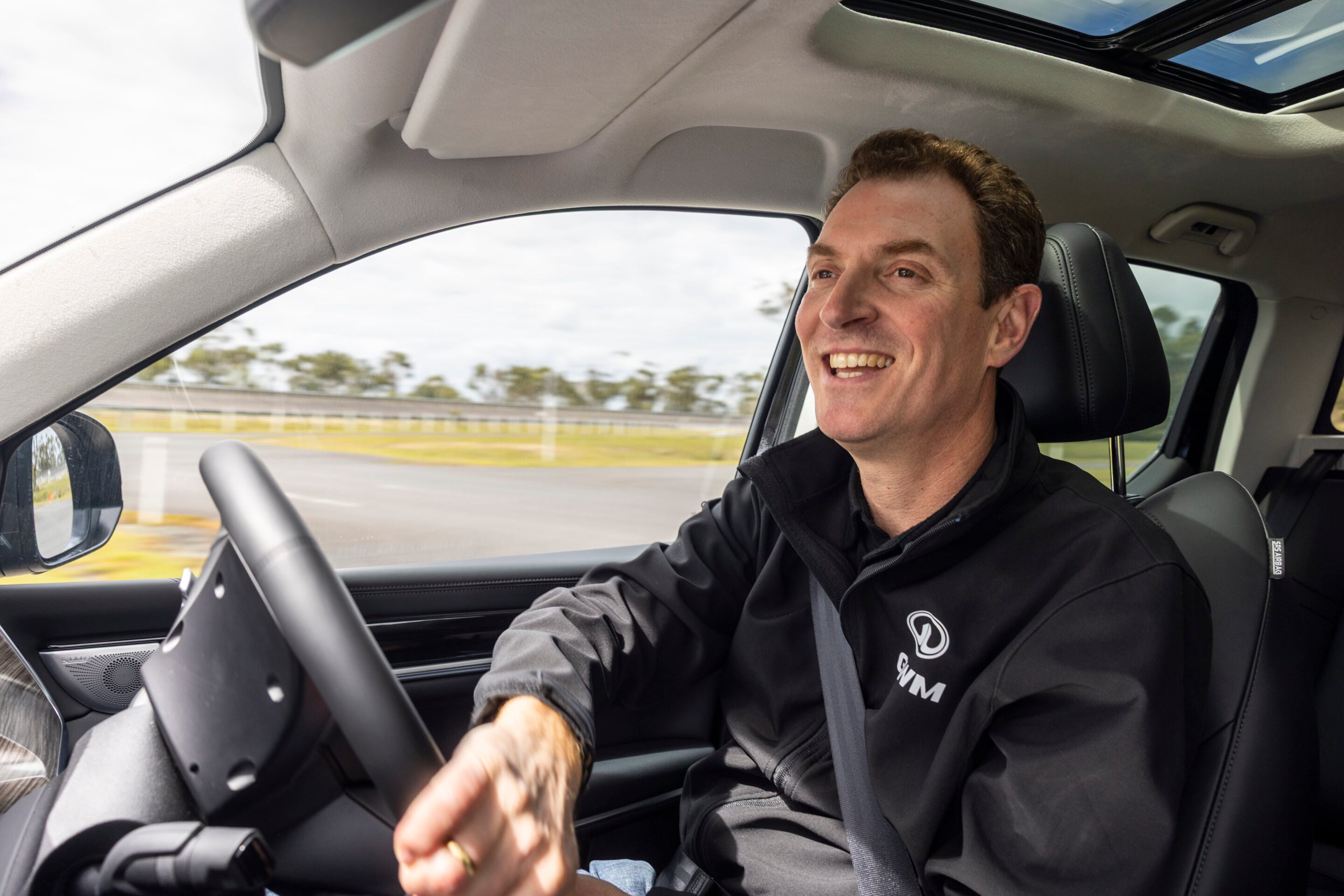
So Trubiani has changed branding and his company car, but his life still revolves around the Lang Lang proving ground that was Holden’s spiritual home and now hosts GWM.
“What I’ve been doing for 30 years is tuning cars for Australian and New Zealand customers, and I’m continuing to do that,” Trubiani says. “I’m always thinking about the person who will buy the car. It’s not just about tuning cars that I would like to drive, but having a good understanding of what’s needed for Australia. We’re taking that knowledge and continuing to put it into the ANZ market, just with a different brand.”
1
For Trubiani, a 50-year-old born-and-bred Melburnian who is married with a single son, improving
cars is a family tradition.
“My dad worked at Holden for more than 40 years,” Trubiani recalls. “He worked with the chassis team. One day he brought home a chassis development Commodore. In the car was the logbook of all the changes the engineers had been making.
“I was excited to be in the car. Then I started to read the book, cover-to-cover, and I asked my dad
‘You mean you get paid to do this?’
“I decided that’s what I wanted to do for a job. I was nine. I set my sights on doing vehicle dynamics for Holden … and that’s what steered me right through schooling. I knew the end game.”
His ambition took him through mechanical engineering studies at RMIT before a successful
application to Holden. “I worked bloody hard. Did I get super-crazy results? Probably not. But I was driven and had a passion.
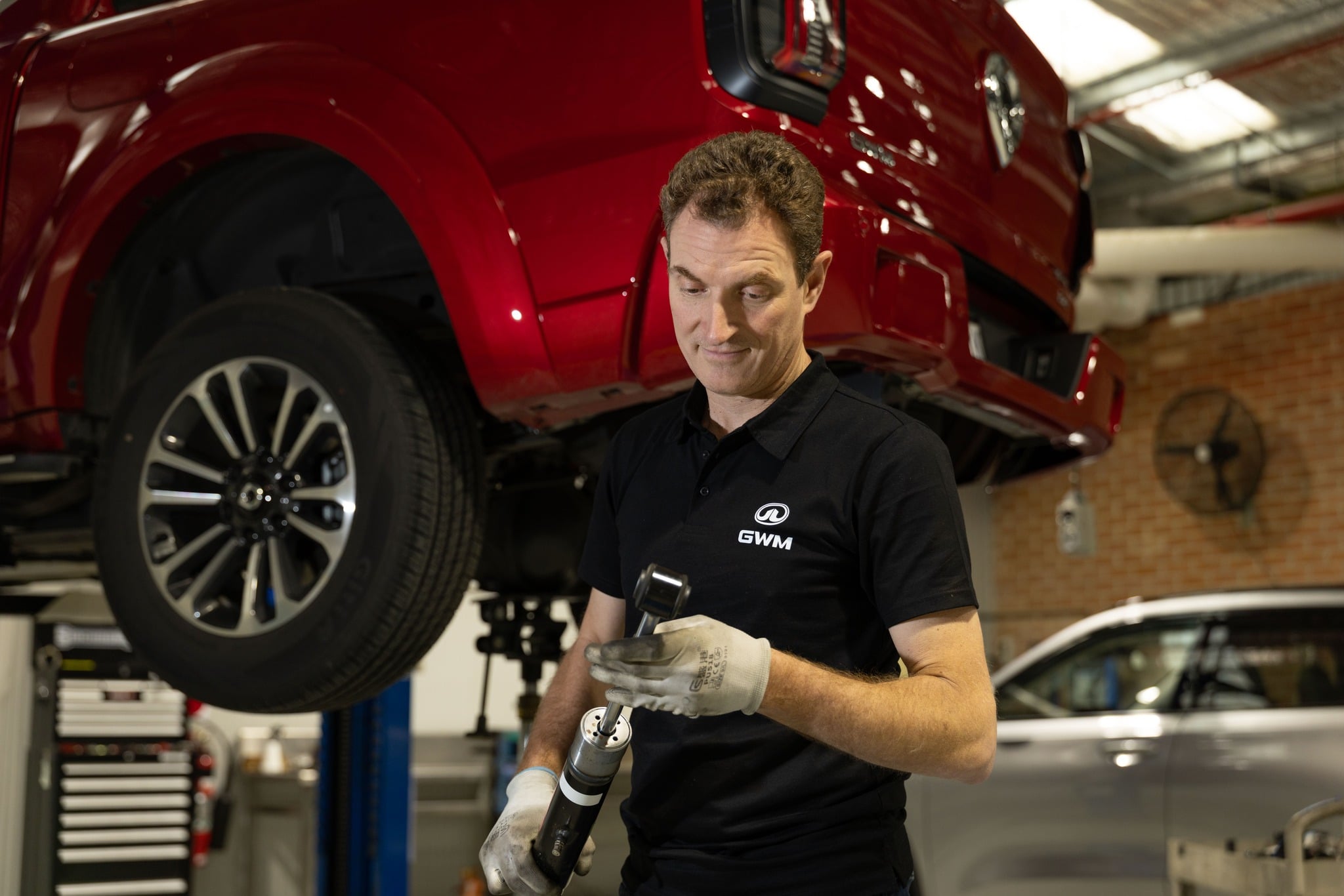
“I first came to Lang Lang when I was still at uni. At the end of second year, which was early 1990s, I did three months with Holden as a student. Then I came back at the end of third year for three months. After fourth year I started with Holden.
1
“They were guiding me. The got me involved with the testing.”
Away from classrooms and computers, Trubiani had a rare superpower that eventually turned him into a Holden hero. He had a sublime driving ability. A lot like Peter Brock. He could coax speed from a car without abusing it, allowing him to do analysis and assessment from a relaxed and objective perspective.
“There are those who are just naturally talented drivers, who you can then train in the art of vehicle dynamics,” he observes, “and then there are people who will never get it. No matter how you show them, they will never get the fundamentals. Luckily, I fall in the first group.
“I’m just fortunate that the job brings with it lots of enjoyment. Driving is my passion. While there is lots of seriousness around what we do, and a whole lot of safety around that, it’s what you love doing.”
With plenty of natural talent, was there a chance for Trubiani to go racing?
“I floated the idea when I was at uni but I never did it. I got a job straight out of uni at Holden and every day was testing cars and doing cool stuff.
“Racing is fun, but it’s only 20 minutes. Short stuff. But in development work, not only are you driving cars fast, you are also satisfying the engineer side of yourself. You want to get the best out of the car.”
1
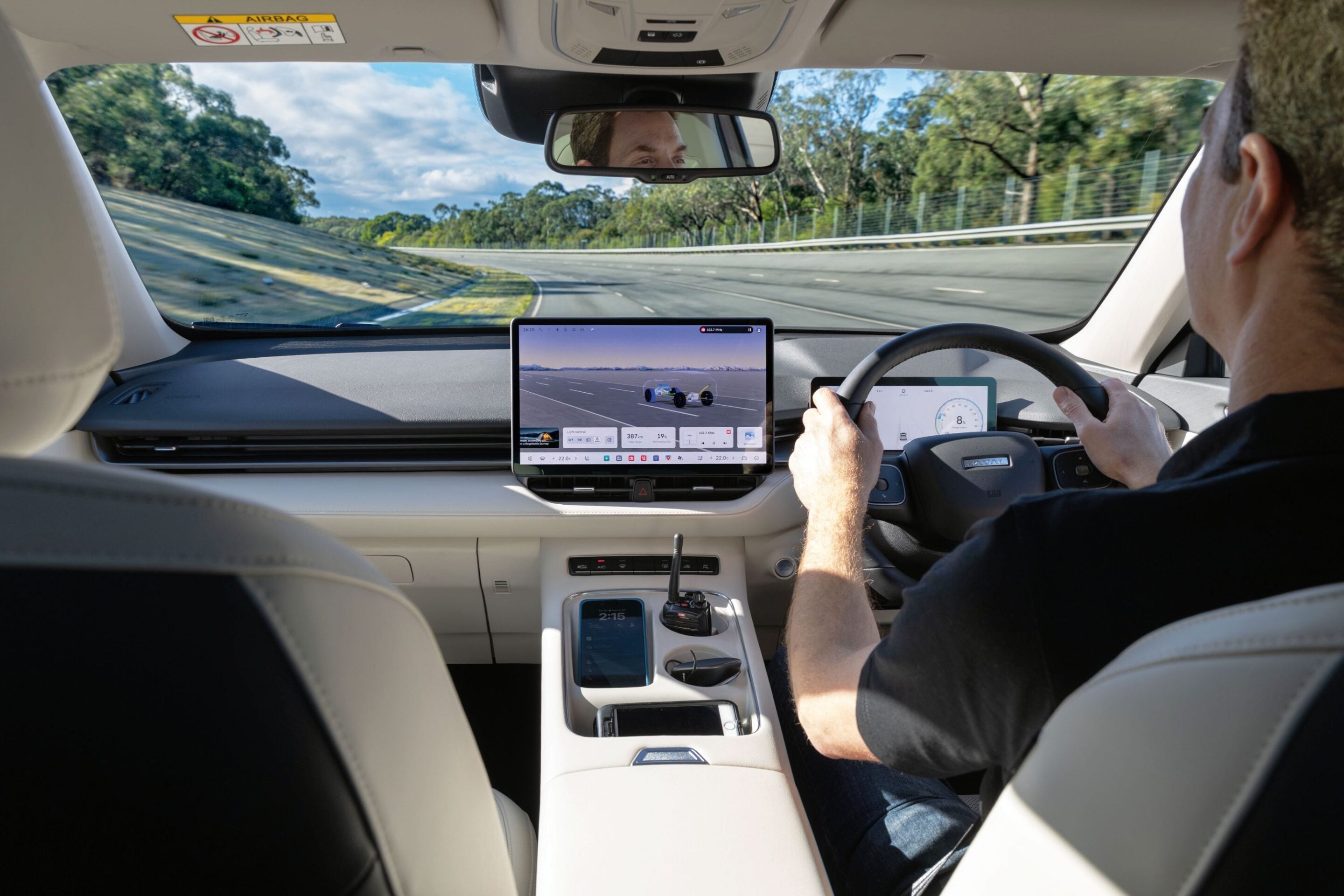
How does he explain what chassis development is actually about?
“People think when they drive their car on public roads, and do a little slide, they are on the limit. But usually the car’s limit is away above that,” he says. “I’m pushing the car all the way up to the limit. That’s my job. You’re got to be completely comfortable in what is happening. You have to be assessing, not holding on.”
But it’s not just about speed, or a fast time around the ride-and-handling circuit at Lang Lang. It’s about making a car which is relaxing and rewarding to drive, as well as giving it a certain ‘flavour’ to match the brand’s ambitions. It was easy and obvious during the Holden days, but what about GWM?
“One of my visions is to have a very clear direction and to drive all our cars towards that family feel.
“Ultimately, and without being very specific, it’s just giving the car a really secure and solid feel. We want to reassure all drivers and reward the confident drivers.
“GWM has given me awesome freedom. They believe in what I’m doing. They are very, very good in giving me the freedom to deliver what I need to deliver.”
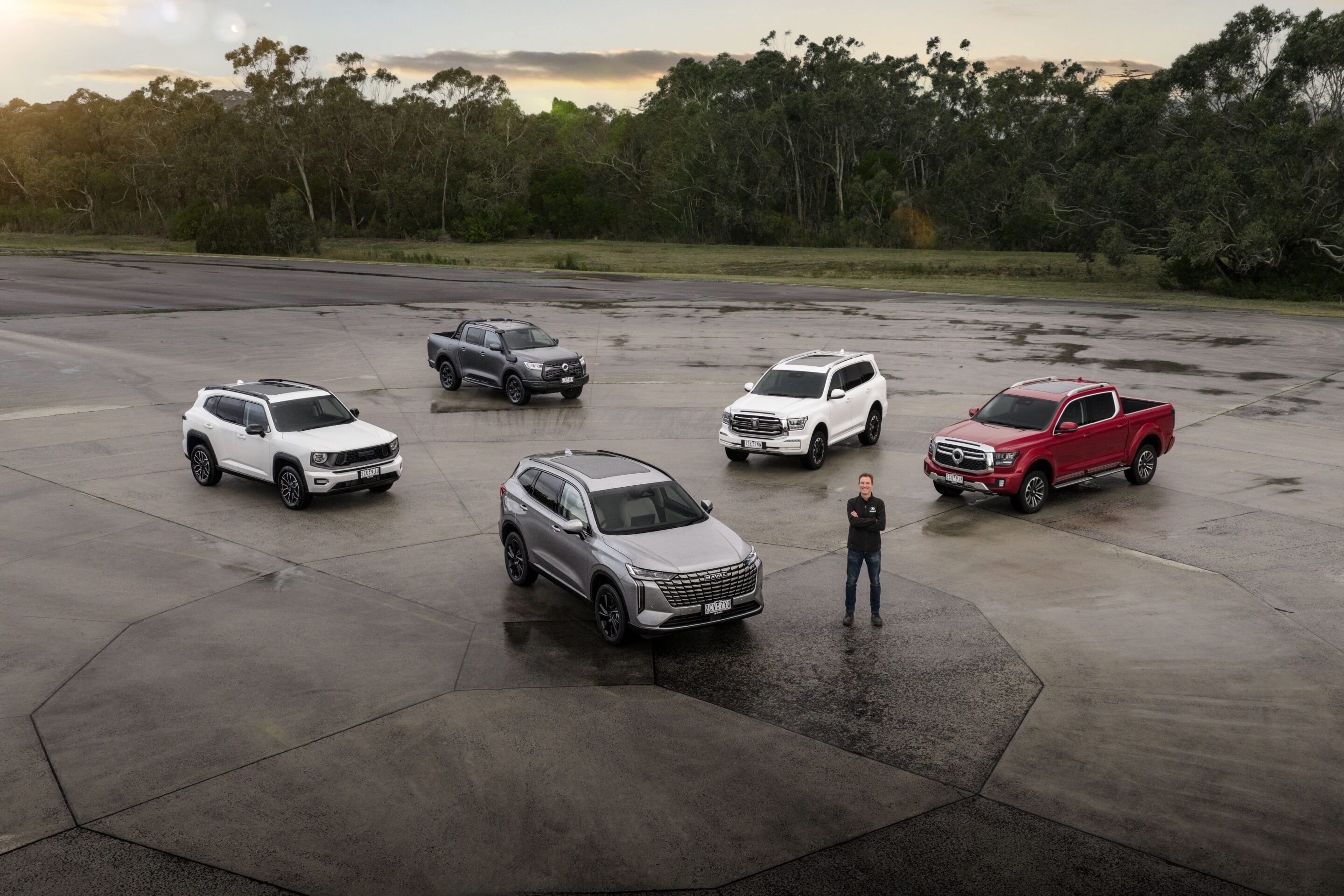
The alphabet soup of GWM is translated into various brands and different target buyers. It’s a very full dance card, but Trubiani says he always focusses on the target owner.
“There is the ute series with Cannon and Cannon Alpha, Haval as the family SUVs with Jolion, and then the Tank series for the serious off-roaders. And then there is Ora, which is electric stuff, and Wey is premium luxury.
1
“Ultimately, it still comes back to how the driver feels behind the wheel and how comfortable the
passengers are in the car. If you can make your car shine, and I’m hoping we will, then you will be seen to be better in the customer’s eyes.”
So, as an engineer tuning for buyers, does he have tips for a shopper on a showroom test drive?
“They need to assess how accurately they can place the car on the road because, to me, that’s part of giving you the confidence in the car. The minute you’re chasing the car – if its wandering – you lose confidence. Beyond that, it’s just how comfortable you’re feeling in the car. Ride comfort is important. Then things like noise are important.”
A good car, he says, can shine from the outset: “I’ve had … instances where I’ve driven probably 20 metres out of the workshop and known a car feels good.”
And the other extreme?
“I did get to drive a car that was very underwhelming. It was a Japanese brand. I don’t want to say the name, because I don’t want to bag a competitor.”
Through his time at Holden he did countless laps at Lang Lang and a couple of cars were stand-outs.
“I have vivid memories of driving a black manual VS SS. It was a hoot. Just before I finished, I was lead development engineer for the C8 Corvette. Fun. We also had a CTS-V Cadillac, which was frighteningly quick.”
2
His most famous laps, though, were at the Nürburgring as he set a lap record for a commercial vehicle – which still stands – in a Commodore SS ute (above). He already had his special ‘Nürburgring License’ from GM after testing the Chevrolet Camaro and Pontiac G8 in the USA, then running the CTS-V at the ’ring.
“It was a VF SS-V Redline ute. It was the car I used for the suspension and steering development work. It was good fun. It was a production car. It was completely stock. The only thing we did was remove the speed limiter.”
Trubiani left Holden in April 2020, and did engineering work before being recruited to GWM. Despite the huge changes in the 2020s, he is still committed to the future of cars.
“Cars are very reliable these days. You don’t see many broken down or overheating beside the road. Cars have progressed and we’re using better materials, and they are safer than they’ve ever been.”
So, is his job any different or any less important, particularly with the move towards autonomous cars and advanced driver assistance?
“I think it is no less important than it was. I try and get the car fundamentally stable without the safety systems in place. I like to try and tune the car not to rely on the safety systems. I want fundamental stability first-up, and then ADAS is the safety net.”
It’s early days with GWM but there is already talk that Trubiani’s work could be adopted beyond the ANZ region, as Kia has done with the tuning work by Grame Gambold, previously profiled in Wheels.
“Part of being in a global company is that it gives us that flexibility. As GWM are expanding globally I think that will definitely be considered,” Trubiani says. “It would be nice to have some cars that really get people excited.”
So the branding has changed, from Holden to GWM, but the mission statement is much the same one. One other thing has definitely not changed for Trubiani.
“Every day at Lang Lang is good day,” he says.
This article first appeared in the January 2026 issue of Wheels. Subscribe here and gain access to 12 issues for $109 plus online access to every Wheels issue since 1953.
Follow WhichCar/Wheels on Google
Click the button below to make WhichCar by Wheels a preferred source for your news.