Classic Wheels

Gallery 1
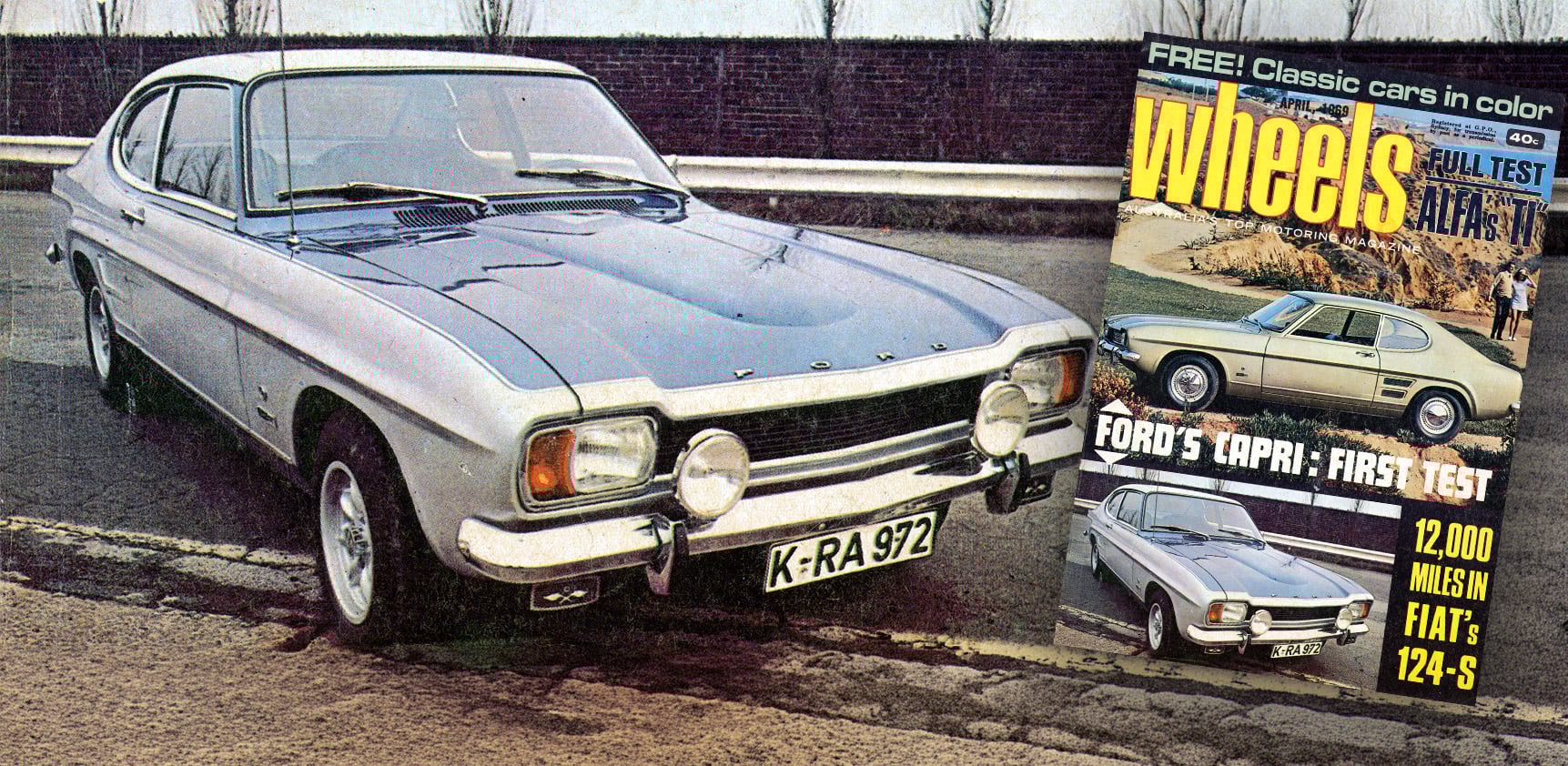
First published in the April 1969 issue of Wheels magazine, Australia’s best car mag since 1953. Subscribe here and gain access to 12 issues for $109 plus online access to every Wheels issue since 1953.
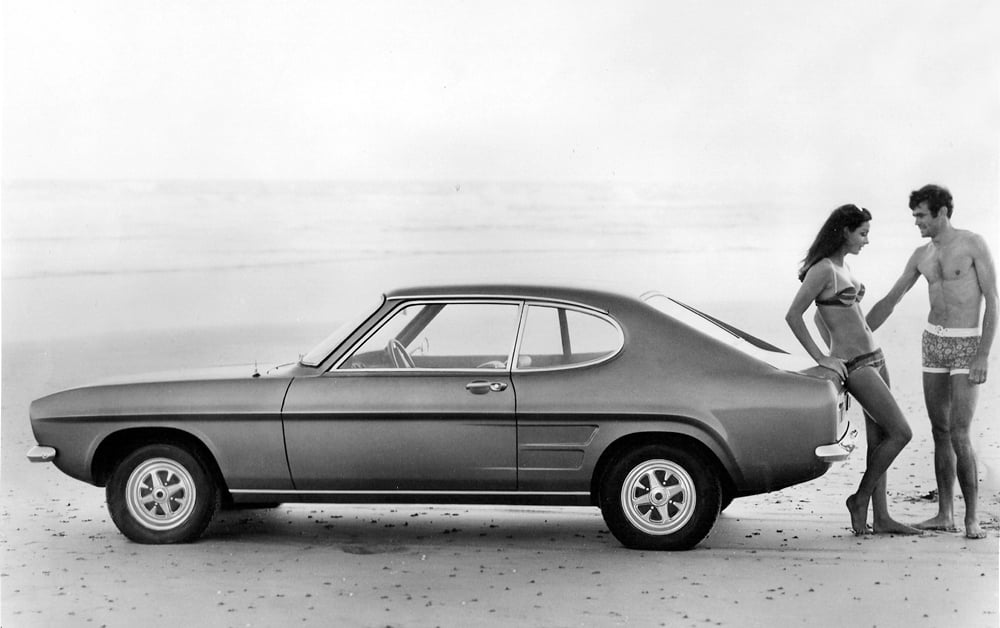
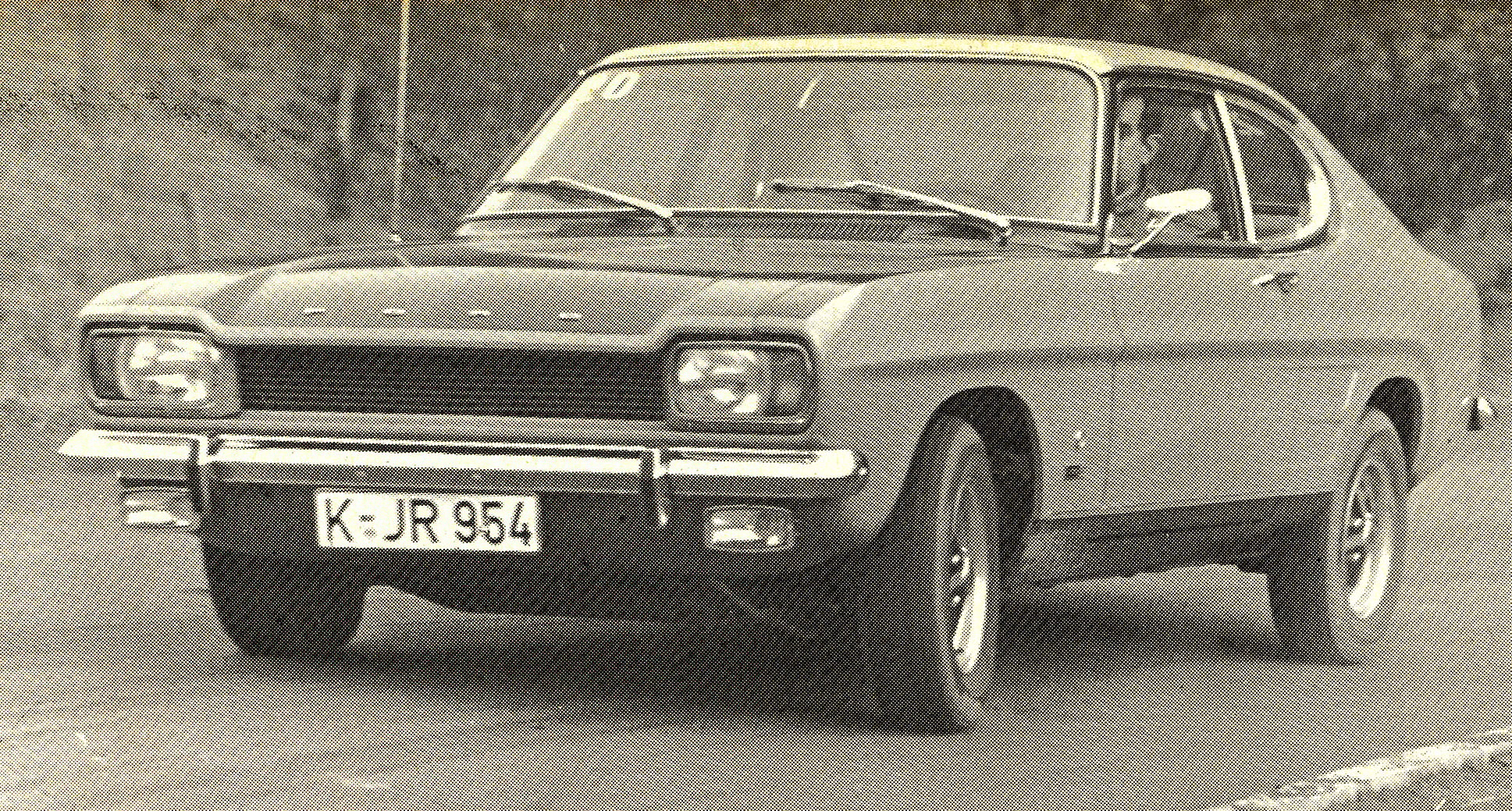
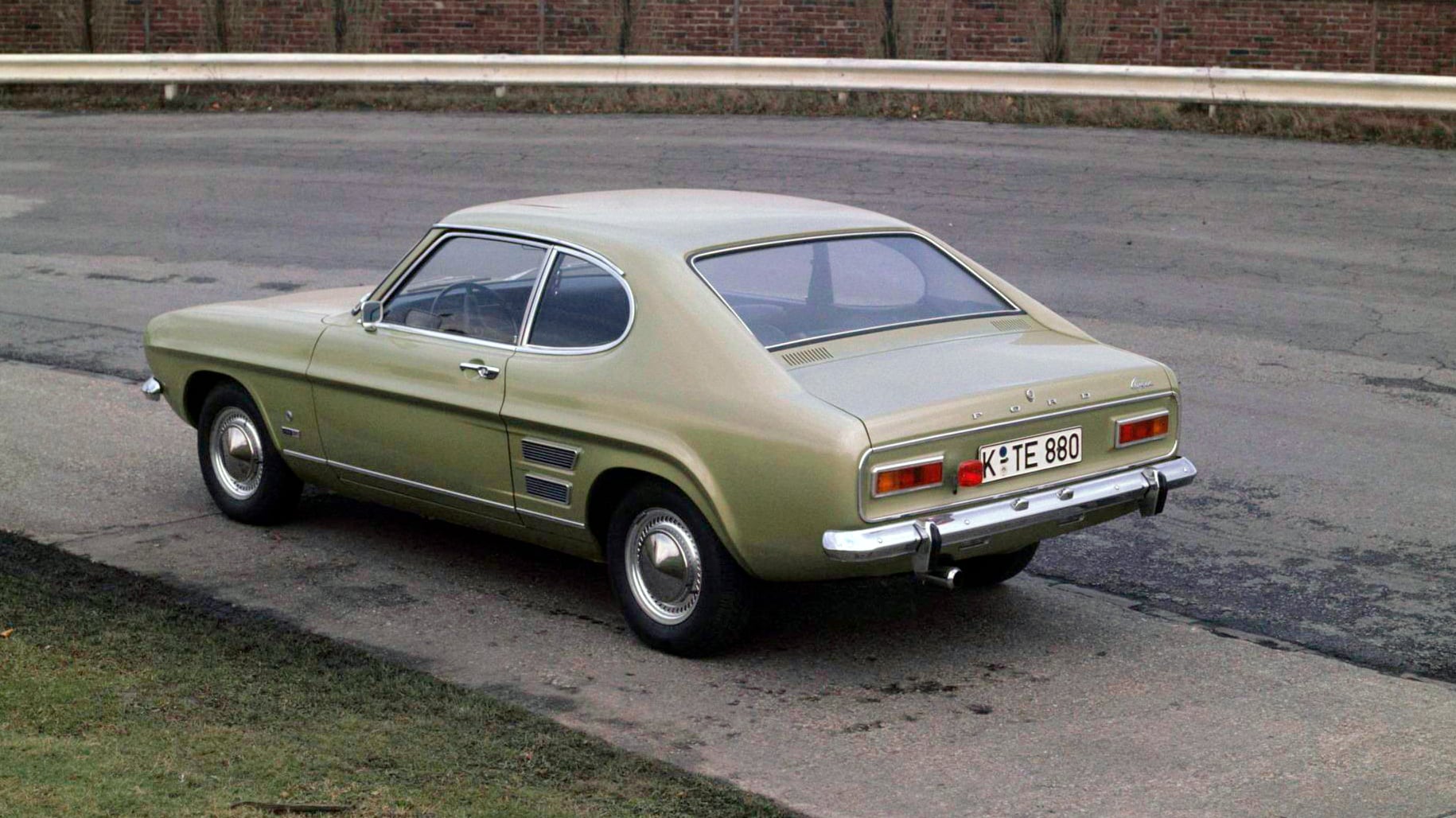
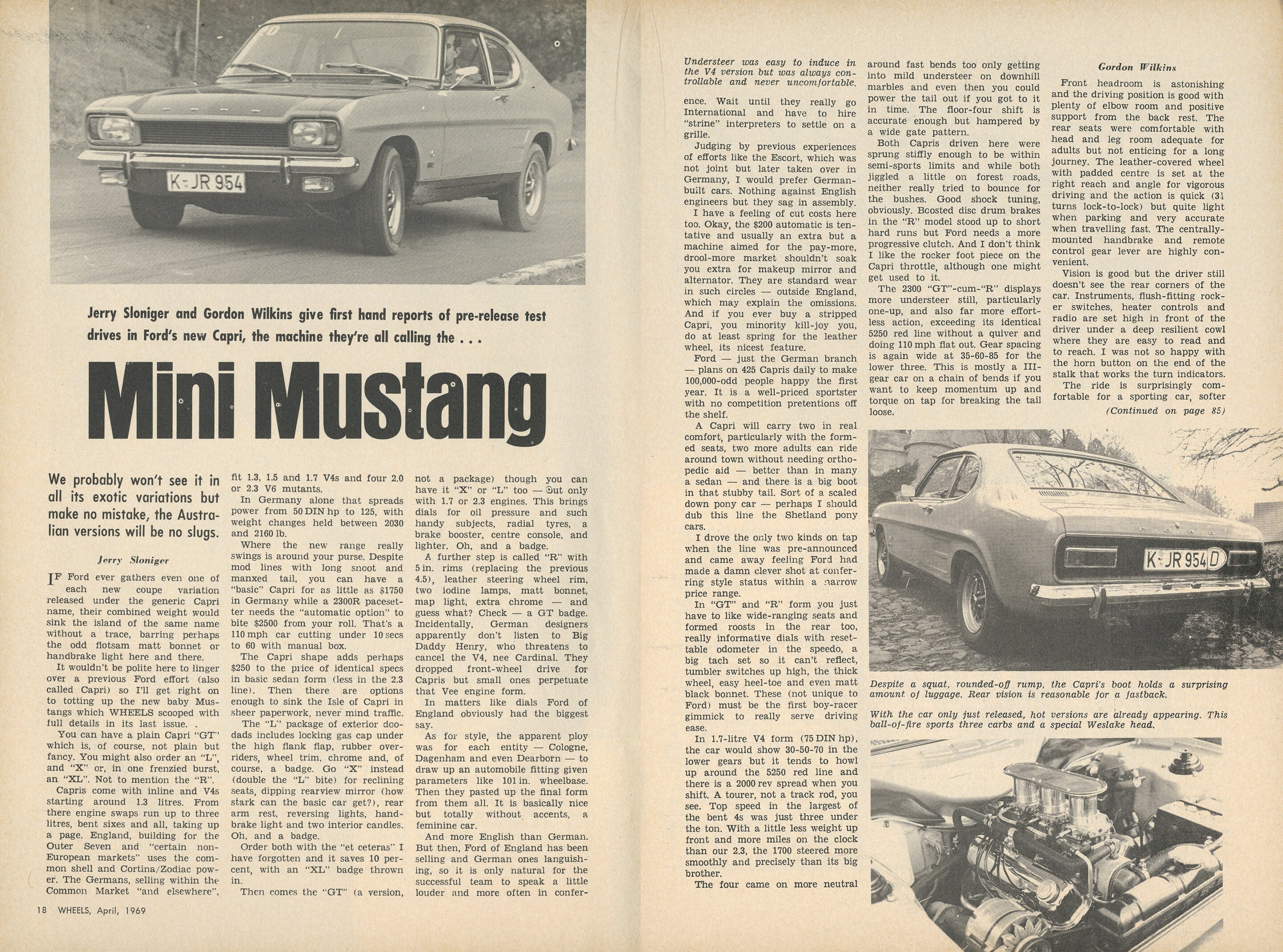
If Ford ever gathers even one of each new coupe variation released under the generic Capri name, their combined weight would sink the island of the same name without a trace, barring perhaps the odd flotsam matt bonnet or handbrake light here and there.
It wouldn’t be polite here to linger over a previous Ford effort (also called Capri) so I’ll get right on to totting up the new baby Mustangs which Wheels scooped with full details in its last issue.
You can have a plain Capri GT which is, of course, not plain but fancy. You might also order an L, and X or, in one frenzied burst, an ‘XL. Not to mention the R.
1
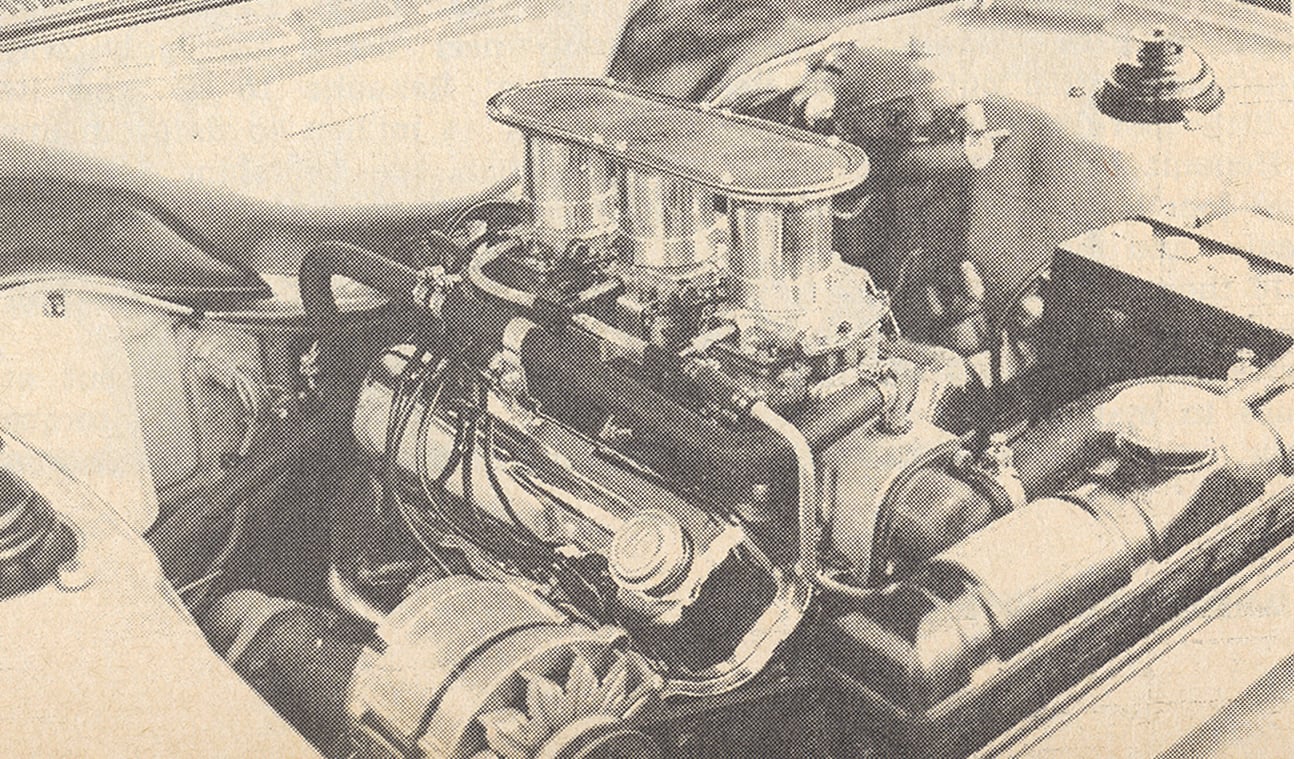
Capris come with inline and V4s starting around 1.3 litres. From there engine swaps run up to three litres, bent sixes and all, taking up a page.
England, building for the Outer Seven and “certain non-European markets” uses the common shell and Cortina/Zodiac power. The Germans, selling within the Common Market “and elsewhere”, fit 1.3, 1.5 and 1.7 V4s and four 2.0 or 2.3 V6 mutants. In Germany alone that spreads power from 50 DIN hp to 125, with weight changes held between 2030 and 2160 lb.
Where the new range really swings is around your purse. Despite modern lines with long snout and manxed tail, you can have a ‘basic’ Capri for as little as $1750 in Germany while a 2300R pacesetter needs the ‘automatic’ option to bite $2500 from your roll. That’s a 110 mph car cutting under 10 secs to 60 with manual box.
The Capri shape adds perhaps $250 to the price of identical specs in basic sedan form (less in the 2.3 line). Then there are options enough to sink the Isle of Capri in sheer paperwork, never mind traffic.
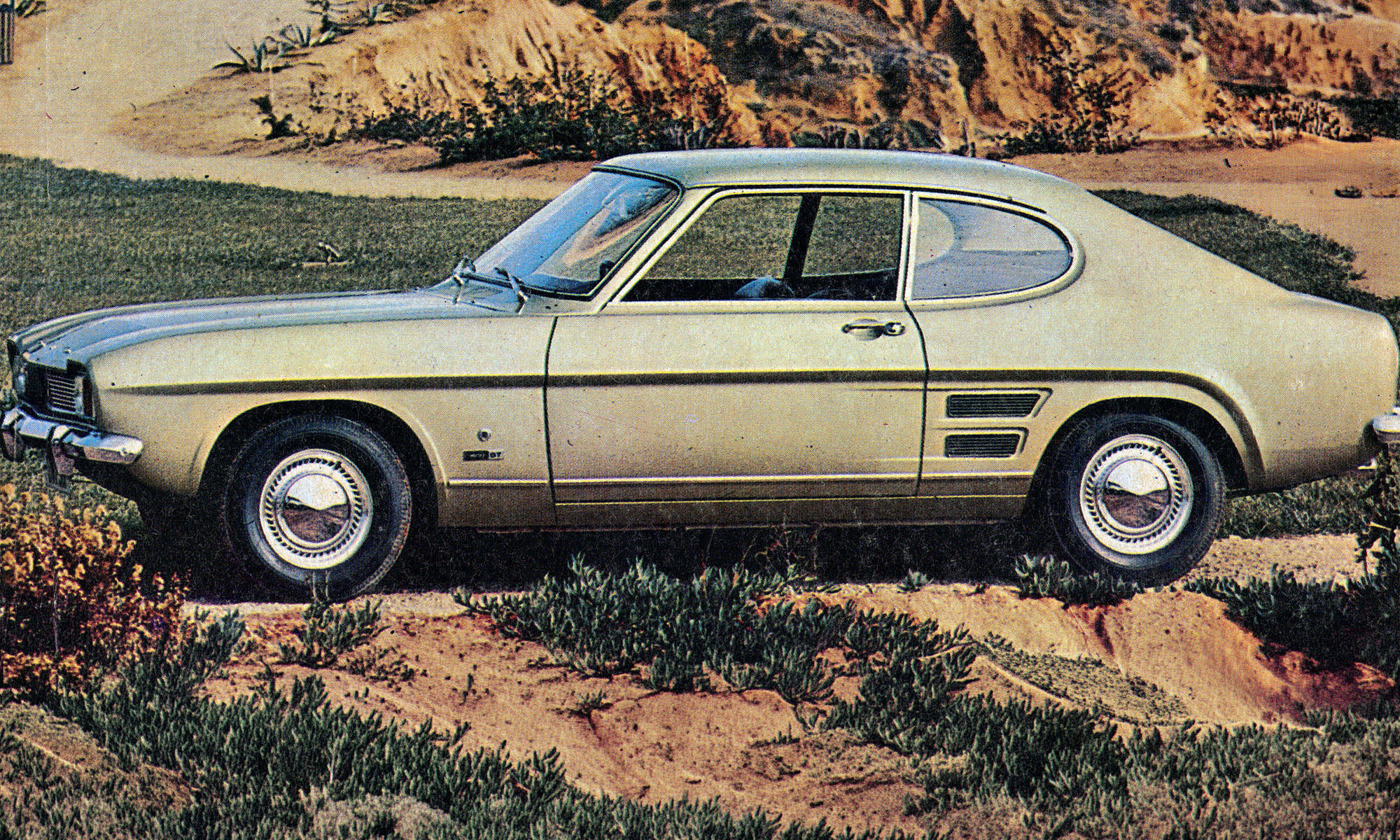
The L’ package of exterior doodads includes locking gas cap under the high flank flap, rubber overriders, wheel trim, chrome and, of course, a badge.
Go X instead (double the L bite) for reclining seats, dipping rear-view mirror (how stark can the basic car get?), rear arm rest, reversing lights, handbrake light and two interior candles. Oh, and a badge.
1
Order both with the et ceteras I have forgotten and it saves 10 per cent, with an XL badge thrown in.
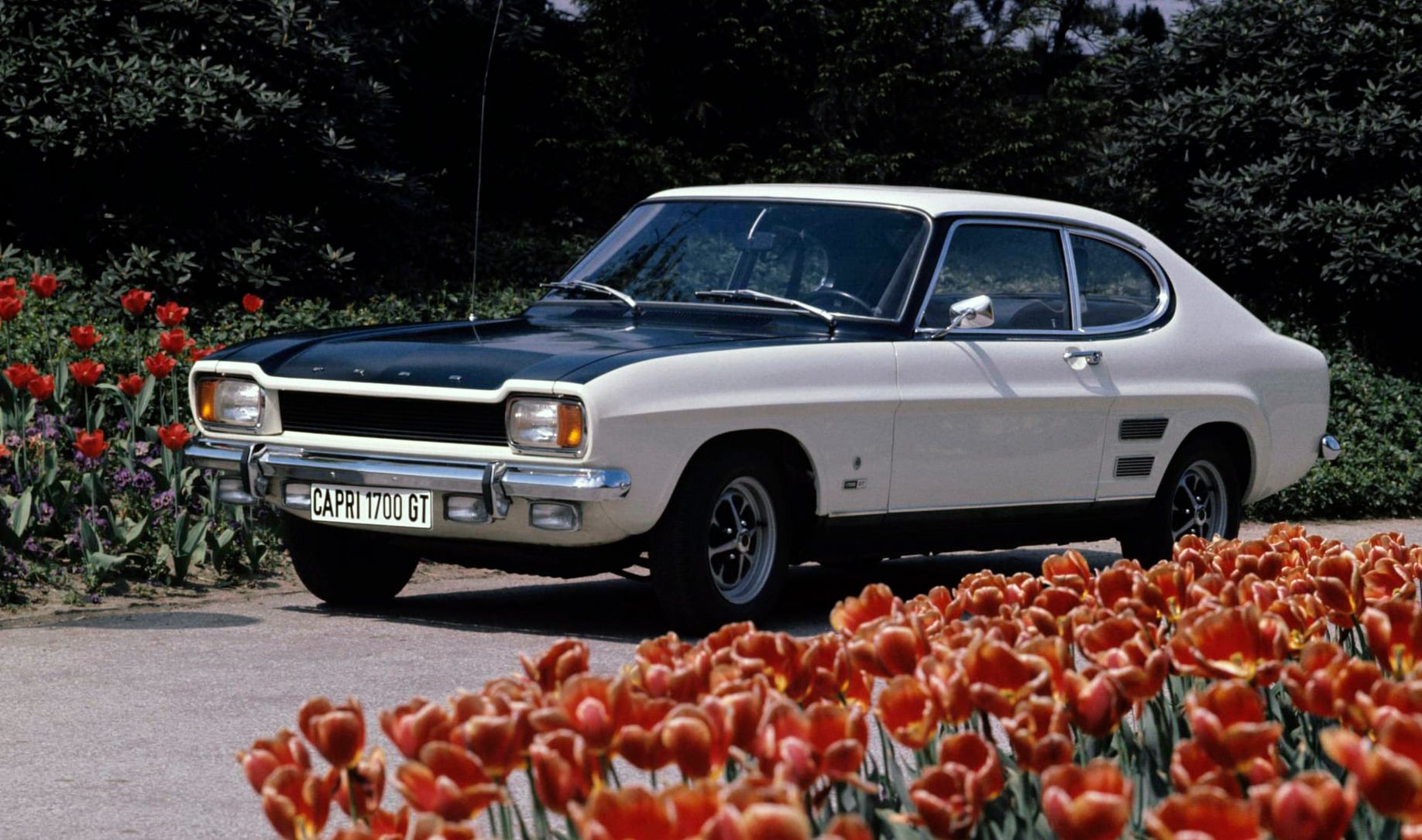
Then comes the GT’ (a version, not a package) though you can have it X or L too – but only with 1.7 or 2.3 engines. This brings dials for oil pressure and such handy subjects, radial tyres, a brake booster, centre console, and lighter. Oh, and a badge.
A further step is called R with 5 in. rims (replacing the previous 4.5), leather steering wheel rim, two iodine lamps, matt bonnet, map light, extra chrome – and guess what? Check – a GT badge.
Incidentally, German designers apparently don’t listen to Big Daddy Henry, who threatens to cancel the V4, nee Cardinal. They dropped front-wheel drive for Capris but small ones perpetuate that Vee engine form. In matters like dials Ford of England obviously had the biggest say.
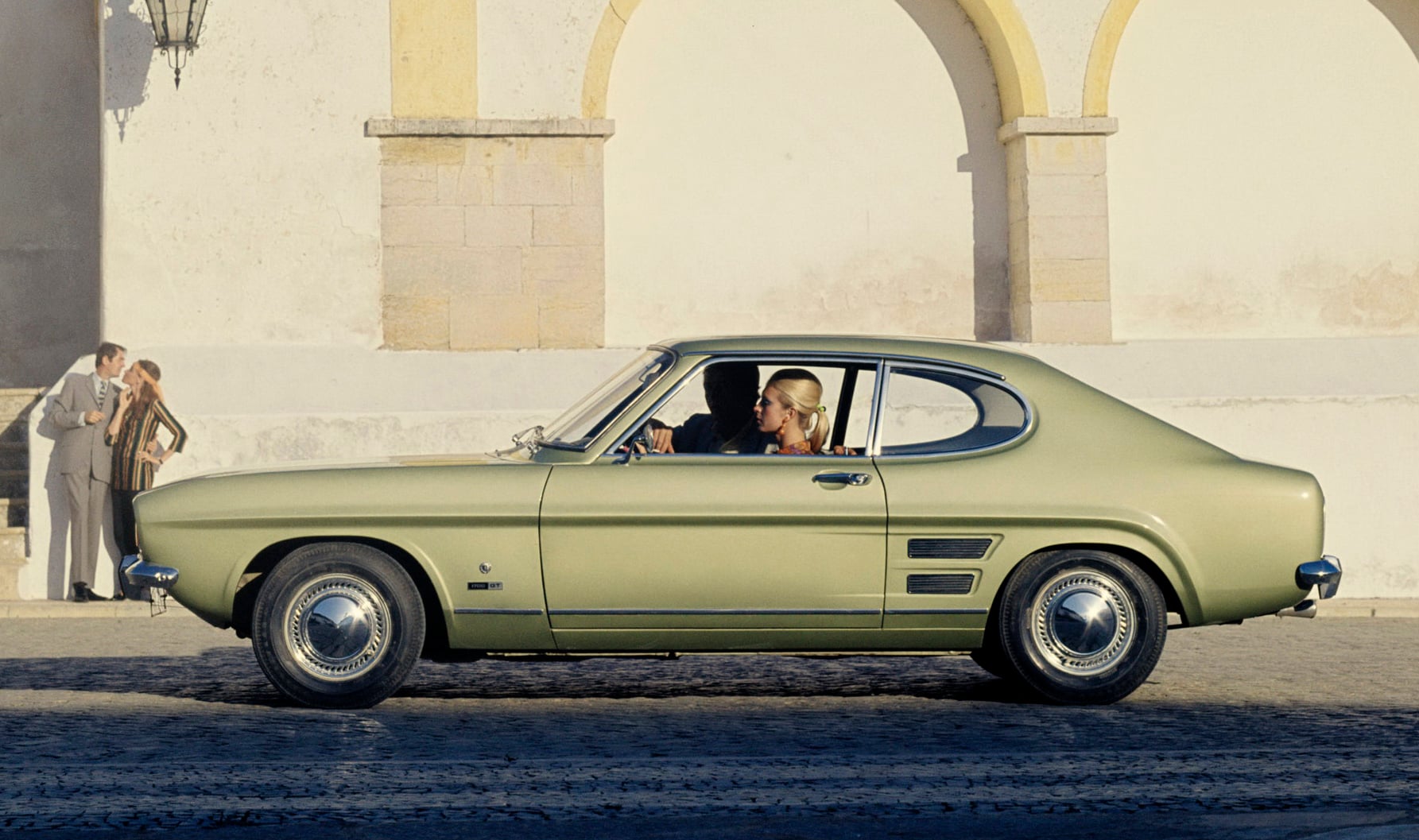
As for style, the apparent ploy was for each entity – Cologne, Dagenham and even Dearborn – to draw up an automobile fitting given parameters like 101 in. wheelbase. Then they pasted up the final form from them all. It is basically nice but totally without accents, a feminine car. And more English than German.
But then, Ford of England has been selling and German ones languishing, so it is only natural for the successful team to speak a little louder and more often in conference. Wait until they really go International and have to hire ‘strine’ interpreters to settle on a grille.
1
Judging by previous experiences of efforts like the Escort, which was not joint but later taken over in Germany, I would prefer German-built cars. Nothing against English engineers but they sag in assembly.
I have a feeling of cut costs here too. Okay, the $200 automatic is tentative and usually an extra but a machine aimed for the pay-more, drool-more market shouldn’t soak you extra for make-up mirror and alternator. They are standard wear in such circles – outside England, which may explain the omissions.
And if you ever buy a stripped Capri, you minority kill-joy you, do at least spring for the leather wheel, its nicest feature.
Ford – just the German branch – plans on 425 Capris daily to make 100,000-odd people happy the first year. It is a well-priced sportster with no competition pretentions off the shelf.
A Capri will carry two in real comfort, particularly with the formed seats, two more adults can ride around town without needing orthopedic aid – better than in many a sedan – and there is a big boot in that stubby tail. Sort of a scaled down pony car – perhaps I should dub this line the Shetland pony cars.
1
I drove the only two kinds on tap when the line was pre-announced and came away feeling Ford had made a damn clever shot at conferring style status within a narrow price range.
In GT and R form you just have to like wide-ranging seats and formed roosts in the rear too, really informative dials with resettable odometer in the speedo, a big tach set so it can’t reflect, tumbler switches up high, the thick wheel, easy heel-toe and even matt black bonnet. These (not unique to Ford) must be the first boy-racer gimmick to really serve driving ease.
In 1.7-litre V4 form (75 DIN hp), the car would show 30-50-70 in the lower gears but it tends to howl up around the 5250 redline and there is a 2000 rev spread when you shift. A tourer, not a track rod, you see. Top speed in the largest of the bent 4s was just three under the ton. With a little less weight up front and more miles on the clock than our 2.3, the 1700 steered more smoothly and precisely than its big brother.
The four came on more neutral around fast bends too, only getting into mild understeer on downhill marbles and even then you could power the tail out if you got to it in time. The floor-four shift is accurate enough but hampered by a wide gate pattern.
Both Capris driven here were sprung stiffly enough to be within semi-sports limits and while both jiggled a little on forest roads, neither really tried to bounce for the bushes. Good shock tuning, obviously. Boosted disc drum brakes in the R model stood up to short hard runs but Ford needs a more progressive clutch. And I don’t think I like the rocker foot piece on the Capri throttle, although one might get used to it.
1
The 2300 GT-cum-R displays more understeer still, particularly one-up, and also far more effortless action, exceeding its identical 5250 red line without a quiver and doing 110 mph flat out. Gear spacing is again wide at 35-60-85 for the lower three. This is mostly a III-gear car on a chain of bends if you want to keep momentum up and torque on tap for breaking the tail loose.
Front headroom is astonishing and the driving position is good with plenty of elbow room and positive support from the back rest. The rear seats were comfortable with head and leg room adequate for adults but not enticing for a long journey. The leather-covered wheel with padded centre is set at the right reach and angle for vigorous driving and the action is quick (3¼ turns lock-to-lock) but quite light when parking and very accurate when travelling fast. The centrally-mounted handbrake and remote control gear lever are highly convenient.
Vision is good but the driver still doesn’t see the rear corners of the car. Instruments, flush-fitting rocker switches, heater controls and radio are set high in front of the driver under a deep resilient cowl where they are easy to read and to reach. I was not so happy with the horn button on the end of the stalk that works the turn indicators.
The ride is surprisingly comfortable for a sporting car, softer than Fiat’s 124 coupe at low speeds. Fast cornering is good, with no tendency to patter the axle or lift wheels at speeds higher than would ever be used on the road. Swerving about quite violently, the Capri I drove rolled little but quickly, making it a very neat performer in a fast tight “8” bend. At 6000 revs indicated I saw 36 mph in first, 50 in second and 70 in third and in top I was doing 80 at 5000 rpm. But above that, and on to 90 mph it began to sound rather busy and I began to think it must be under geared to give maximum acceleration up to Britain’s 70 mph limit.
1
Yet according to Ford 6000 rpm in third should be theoretically 75.6 mph and 5000 rpm in top nearly 90 mph. And this is certainly what it felt like.
The normal 1600 had much simpler trim, with no console moulding over the centre tunnel and all the instruments grouped in two dials instead of six, with no tachometer. The seats had non-adjustable- backs, but were comfortable nonetheless. On the speedometer I saw 30 in first gear, 46 in second and 70 in third and after a fair run, 90 came up in top. The engine is more flexible than the GT unit and will pull smoothly from 24 mph in top.
General level of style and finish is good and there is a luggage boot of quite reasonable capacity. But the foot dipper is an item now going out of fashion and it is surprising that none of the custom equipment items includes grab handles for front or rear
passengers. As this is a car which Ford claims can generate cornering forces of 1g without a lot of fuss, it is an unfortunate omission.
They certainly have made a success of cutting wind noise, and this is matched by a very low level of mechanical noise and road rumble – even over noisy surfaces. Ford has been carrying on its war against what it calls NVH (noise, vibration and harshness) with only limited success till now. There is some real progress on the Capri. This follows some hard work with extra-sensitive microphones and acceleromators no doubt.
1
Underbody cross members were redesigned, several panels were made more rigid and more damping material was built in. The gearbox is a new one with only a single rail connecting shift lever and selectors and is separate from the clutch bell housing. To damp out any vibrations at this point, a stiff steel
plate links the bell housing to the sump. The gearbox extension housing was strengthened and the rear engine mounting was moved 3½ ins. to the back of the gearbox where vibration movement was lowest.
Cutting down road noise coming through the rear suspension without causing a loss of cornering capacity was a tricky job. It was achieved by enlarging the rear spring bushes, inserting isolator clamps in the axle seats, enlarging and softening the radius arm bushes and softening the front spring bushes.
The exhaust system grew extra retaining brackets fitted to the back of the gearbox, which gave an added bonus in longer silencer life at high speed. The front silencer and the pipe connecting it to the manifolds were double skinned to reduce noise. The final stage was a special bulkhead lining of PVC, felt and a woven material. The result is not a dead silent car – that is still impossible – but one in which noise is low for the level of performance. Harsh and disagreeable sounds have been eliminated and the overall effect is of quality above the price level.
1
I was at Ford’s Boreham test track when the first twin-cam Capri was rolled out and this too seemed a surprisingly quiet unit, both from outside the car and when driving it. It is developed from the engine which has been supreme in Formula 2 single-seater racing here. It uses the 1600 cc Cortina block and not the 1500 block, which have had to be over bored for the Lotus twin-cam unit. The pistons have flat tops and combustion chambers in the alloy head are fully machined. It is a cross flow head with eight inlet valves down one side and eight exhaust down the other connected to ports which are siamesed into four openings each side. Carburettors are two twin choke Weber 40 DCOEs and there is one plug per
cylinder fed by coil and distributor. The two overhead camshafts are driven by cogged belt from a crankshaft fully while a normal smooth belt drives fan, water pump and dynamo or alternator. The original side-mounted camshaft is retained to drive distributor, oil pump and fuel pump. Standard production crankshaft, rods, bearings, oil pump and fuel pump are used.
In racing form this engine gives 220 bhp and has rarely been beaten. So it obviously has lots of scope as a saloon car power unit.
Follow WhichCar/Wheels on Google
Click the button below to make WhichCar by Wheels a preferred source for your news.

We recommend
-
 Ford Falcon
1977 Ford XC Falcon drives from Sydney to Perth
Sydney to Perth in 33 hours sounds much better as …Around the world in 13 days
-
 Features
From the Wheels archives: We find the fastest Australian car
In September 1977, Wheels settled the argument about what is the fastest Australian car once and for all.