Features
Gallery 1
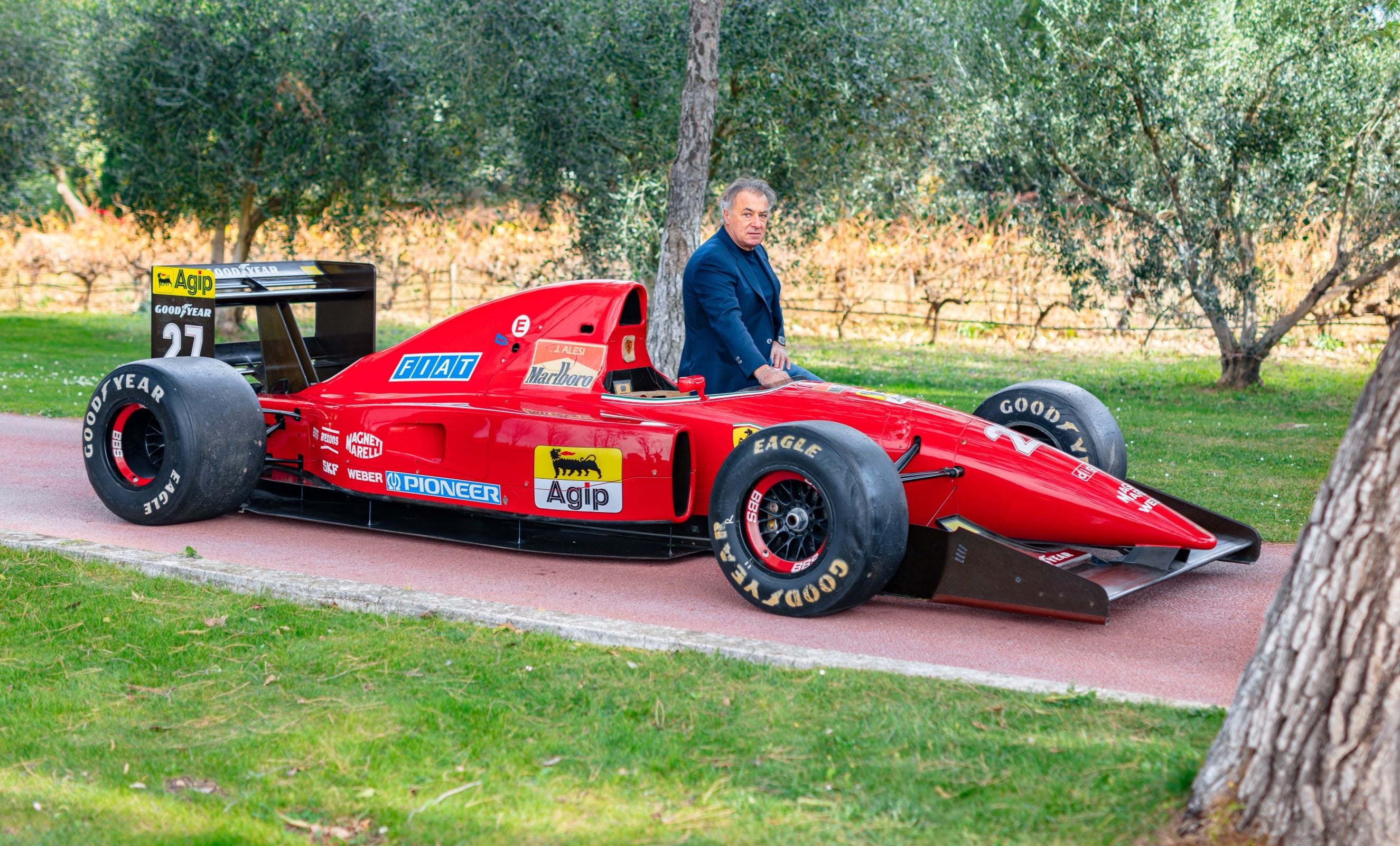
You’re no doubt wondering why this month’s Modern Classic features a Ferrari F1 car.
But with Australia fresh from another visit of the Formula One show, and with the new 2026 regulations throwing up one of the biggest changes the sport has seen over its 76-year history, the prospect of a change to the pecking order looms large.
Certainly Ferrari, a team that needs little introduction, will be hoping so. Too many years in the doldrums – Ferrari’s last GP victory came back in 2024 at the hands of Carlos Sainz, while the Scuderia last tasted championship success in 2007 when Kimi Raikkonen secured an unlikely triumph – have tested the patience of the Tifosi who enter every new season with devout hope that this year will be their year.
It’s not new ground for Ferrari and its devoted fans. Wind the clock back to 1992 and the story sounds all too familiar. In 1990, Ferrari had come within a whisker of winning the world championship. Its star drivers, Alain Prost and Nigel Mansell, secured six grand prix wins between them to end the year second in both the drivers’ (Prost) and constructors’ championships.
1
Hopes then, were understandably high for the 1991 season. Prost remained on board while Mansell had departed for Williams, his replacement a young Jean Alesi. The Ferrari 642, an evolution of the 641 which had enjoyed so much success the previous year, was also draped in feverish optimism. But hope is fickle and the 642 was no match for its rivals from McLaren and Williams. Too old, too slow, too fragile, the 642 was banished to history before the halfway point of the season, replaced by the hastily updated 643.
Despite showing early promise (Prost finished second on the 643’s debut in France), the story remained the same, with lacklustre performance and a spate of mechanical retirements prompting a rare outburst from Prost who famously said “a truck would be easier to drive than this car”. Unimpressed, Ferrari sacked the Frenchman before season’s end, a season where the Scuderia went winless for the first time since 1986.
And that’s where the story of the car seen here begins…
Maranello needed a fresh start after the disaster that was 1991. Sweeping changes were needed. With Prost out of the picture, Alesi, with just three seasons of F1 under his belt, inherited the role of team leader, while another young Italian hot shoe, Ivan Capelli, was drafted in as his sidekick.
Behind Maranello’s unassuming gate, the broom of failure swept through the management team. Out went Piero Fusaro who had taken over the reins of Ferrari following Enzo’s death in 1988. His tenure as President of the company ended in 1991 when, looking – in part at least – to rekindle its glory days on the race track, Fiat’s Gianni Agnelli brought back the charismatic Luca di Montezemolo.
2
Di Montezemolo was well-loved within Ferrari, his two years as sporting director netting the Scuderia the 1975 Drivers’ World championship for Niki Lauda, and the Constructors’ trophy. If ever there was someone who could rekindle the flames of that success, it was the aristocratic di Montezemolo.
Meanwhile the team’s technical director, Steve Nichols, who had been lured to Ferrari in 1989, left at the end of 1991. Nichols’ departure was a bitter blow for the Scuderia, the Brit having overseen McLaren’s late-80s F1 dominance, a culture of success that Ferrari had hoped he would bring to Maranello. It wasn’t to be. In his place, di Montezemolo brought in another Brit, Harvey Posthlewaite.
And renowned Ferrari engine builder, Claudio Lombardi, who had stepped in as interim team principal following the departure of the legendary Cesare Fiori, went back to the engine workshop at the end of the season. Fiori’s departure halfway through the ’91 season was emblematic of the strife Ferrari was in, sensationally quitting the team after the Monaco Grand Prix in – according to Ferrari – a pique of “anger” at the escalating tensions within the team.
Taking on what is the poison chalice of Ferrari team principal for 1992, and at the personal request of newly installed il presidente di Montezemolo, was Sante Ghedini.
The new car was already well underway by the time Ghedini took the reins. As Ferrari’s annus horibilis of 1991 unfolded, the decision was taken to begin work on the 1992 car. Nichols and chief designer Jean-Claude Migeot, realising the futility of trying to further develop the 643, tossed the blueprints in the bin and started with a clean sheet of paper for what would become the F92A. And in the spirit of nothing ventured, nothing gained, they went radical.
Migeot had made a name for himself at Tyrrell where his radical high-nose design would go on to revolutionise Formula One. The premise was simple enough. With aero efficiency such a key part of an F1 car’s performance, Migeot had realised that an F1 car’s low, almost ground-hugging nose disrupted the flow of air to the underbody. And less air meant less downforce, and less downforce is anathema to an F1 car.
2
His solution to raise the nose above the flow of air to the underbody was as radical as it was genius and in the hands of Alesi – who finished second behind Ayrton Senna at Monaco, adding to his second-placed finish at Phoenix earlier in the year – the small Tyrrell outfit punched far above its weight in 1990. Little wonder then, that the under-performing Ferrari came calling and by 1991, the French aerodynamicist was hard at work on the following season’s Ferrari.
Applying the same principles as he had at Tyrrell, Migeot’s design for the F92A featured a raised nose that allowed the free flow of air under the car where a radical double-floor funnelled that air straight through to the rear of the car unimpeded.
It was a simple premise. The car was attached to a flat floor that closely followed the contours of the F92A’s shape. But, Migeot added a second floor, attached to the first via stilts, leaving a 15cm gap between the two. That created a channel allowing unimpeded airflow from the front to the rear of the car, creating a Venturi effect: ground effects in other words in an era where ground effects was banned. Certainly early wind tunnel results confirmed the efficacy of Migeot’s design, with downforce dramatically improved and only a minimal increase to drag.
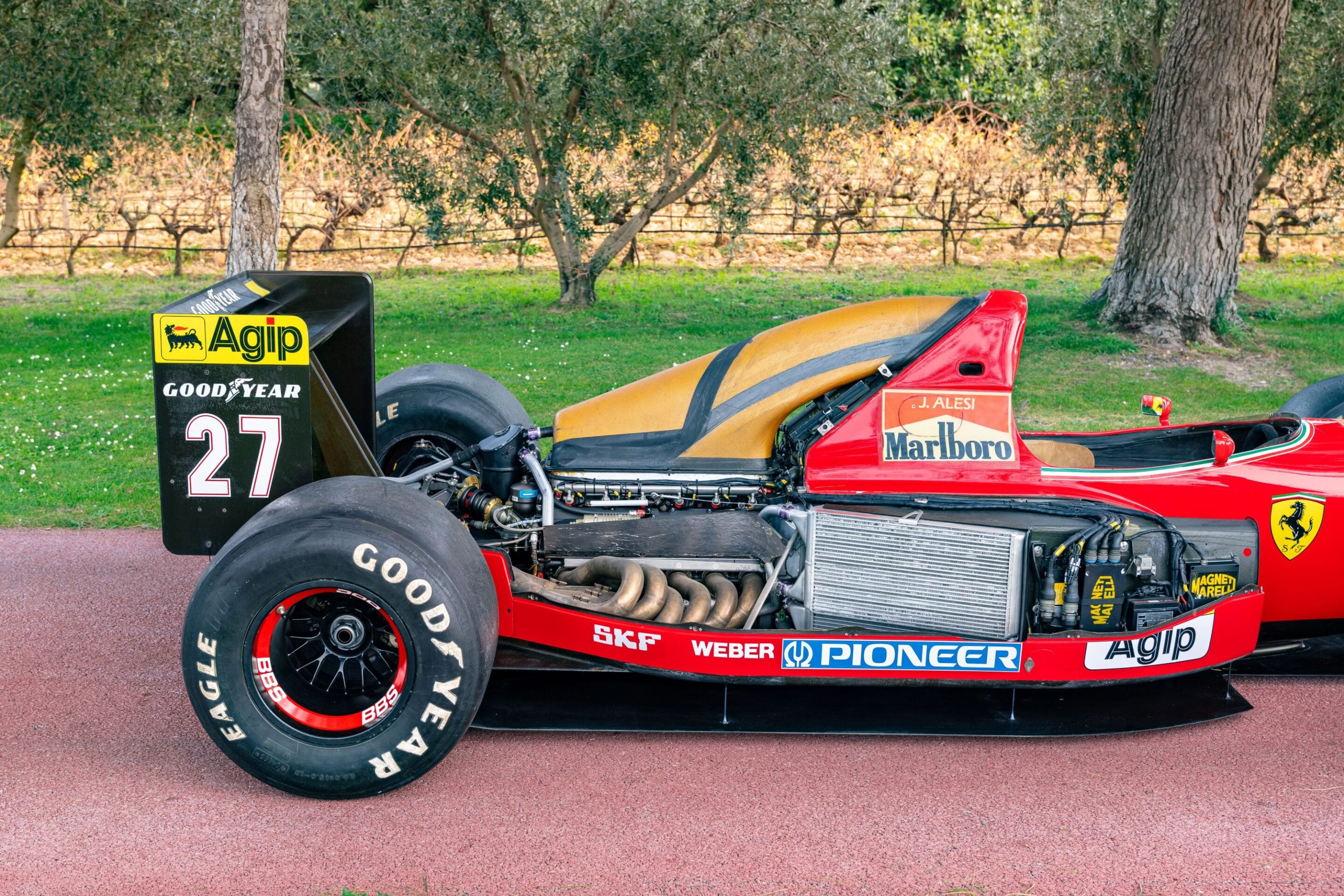
But Migeot’s radical design didn’t come without compromise. To accommodate the double-floor and raised nose, Ferrari’s technical team needed to repackage the F92A’s components. The big ticket items were the transmission and suspension. Out back, a new six-speed semi-automatic transmission replaced the seven-speed of its predecessors while up front the suspension geometry was overhauled. Still featuring a conventional push-rod design, a new single-spring damper was used to minimise space under the raised nose. The rear suspension was carried over from the previous car although the 3.5-litre V12 powering the F92A was all new for 1992.
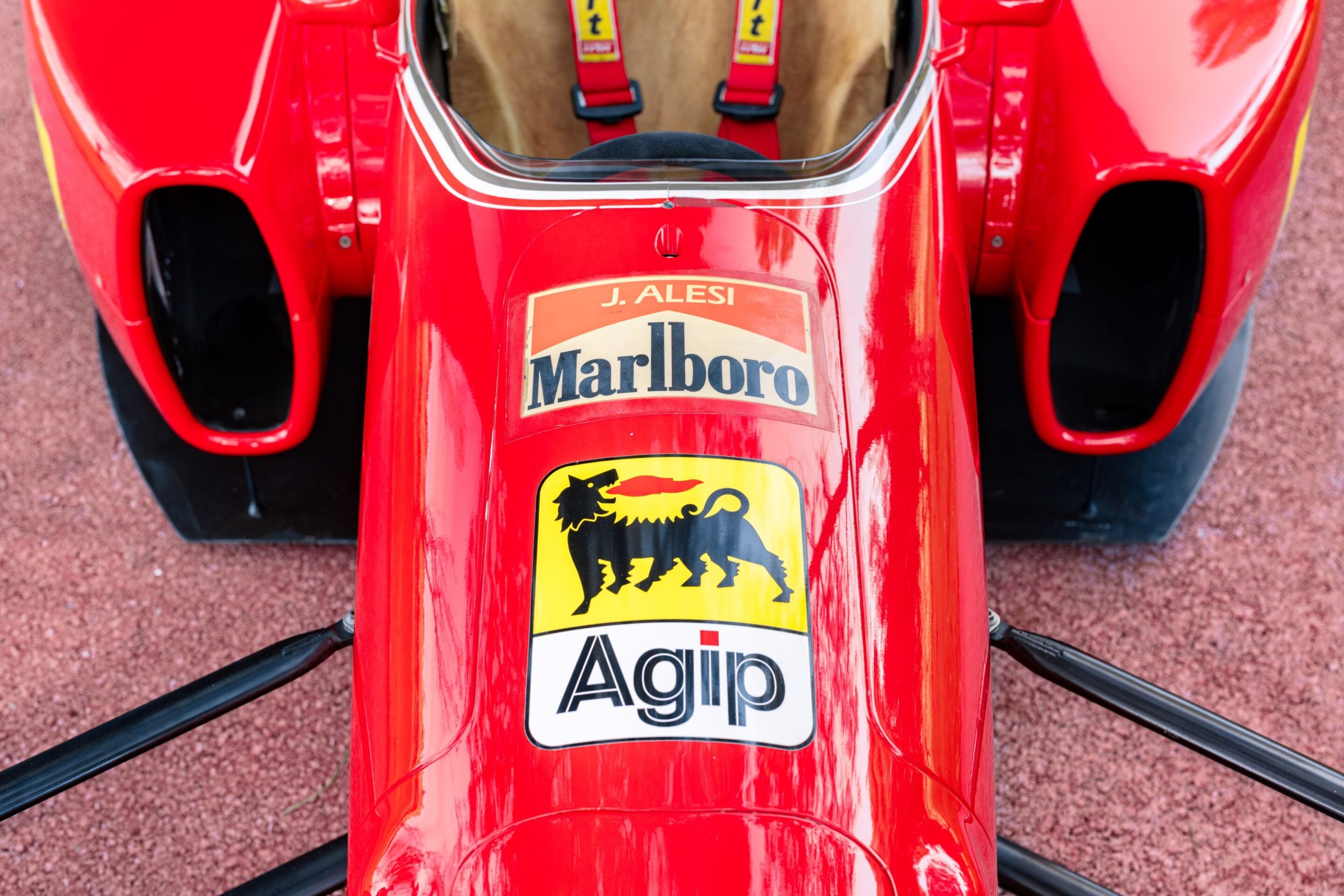
1
On paper, the F92A had all the ingredients of being a potential winner. After all, its outside-of-the-box thinking had potential to upset conventional F1 design and return Ferrari to championship glory.
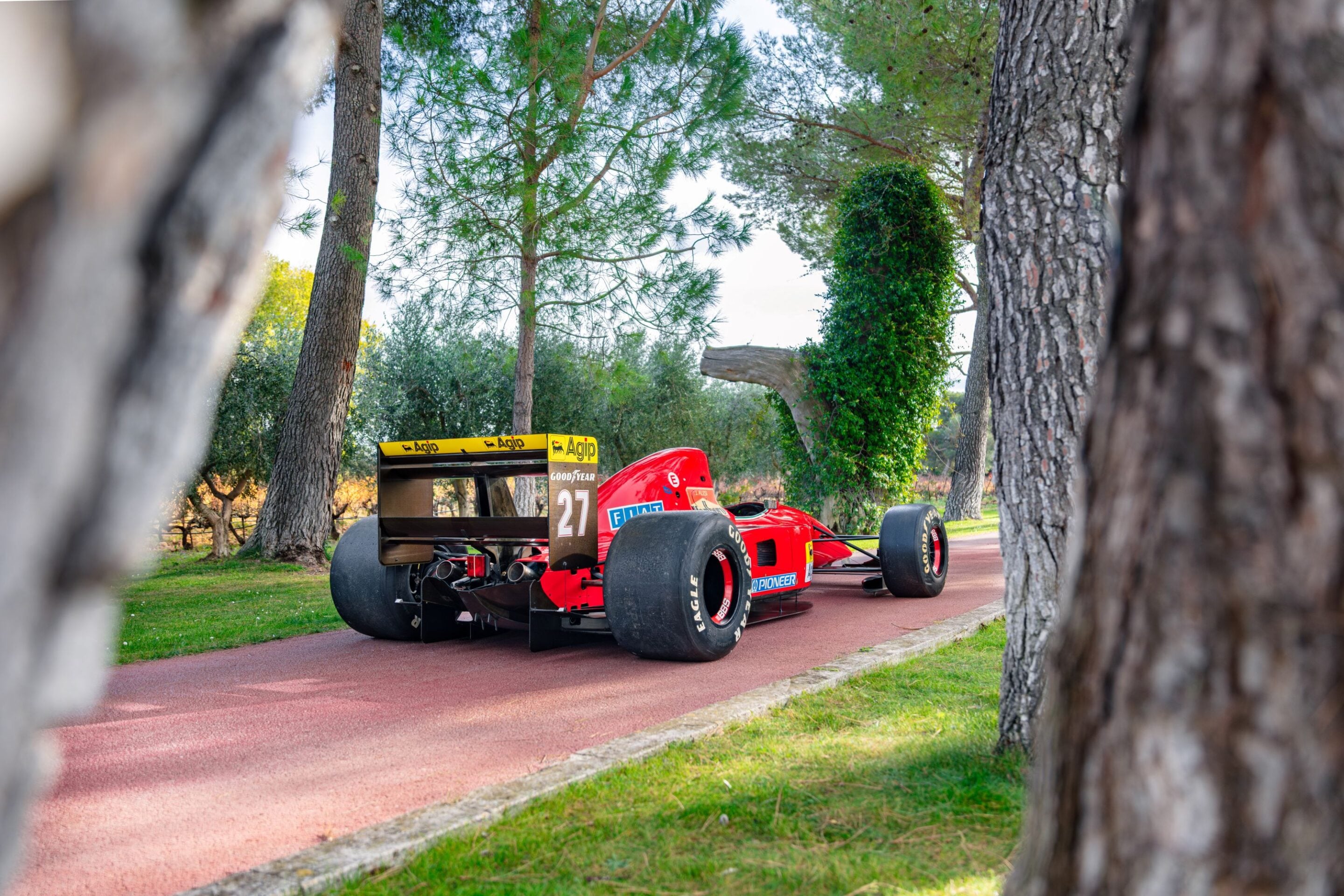
Behind the scenes at Maranello, however, not everything was running smoothly. Development delays meant the F92A wasn’t unveiled until February 6 with the car’s shakedown getting underway, at dusk no less, the following day, just 23 days before the start of the season. That might seem the norm today, but remember in those days there were no limits to testing, and Ferrari held the extra advantage of its own test track, Fiorano, a stone’s throw from Maranello where the cars were built.
Pre-season testing proper moved to Estoril and here the first cracks began to appear. Capelli used the 1991 car to set a benchmark time, before swapping into the F92A.
As he later recalled to Britain’s Motorsport magazine: “When I did my first lap with the F92A at Estoril I realised that compared to the ’91 car, it wasn’t a very good step. It was a strange concept, which didn’t work at all. I immediately said to Migeot that I had some doubts that the car would work.”
Alesi, for his part, tried to remain upbeat, but when the start of the season rolled around in South Africa just three weeks later, it soon became apparent that Ferrari had a struggle on its hands.
Alesi (below) qualified fifth, Capelli ninth. But the pace of the F92A left a lot to be desired, Alesi 1.7 seconds off Mansell’s pole time in the Williams, Capelli an embarrassing 2.9 seconds. It didn’t get much better in the race, both Ferrari’s retiring with engine failures.
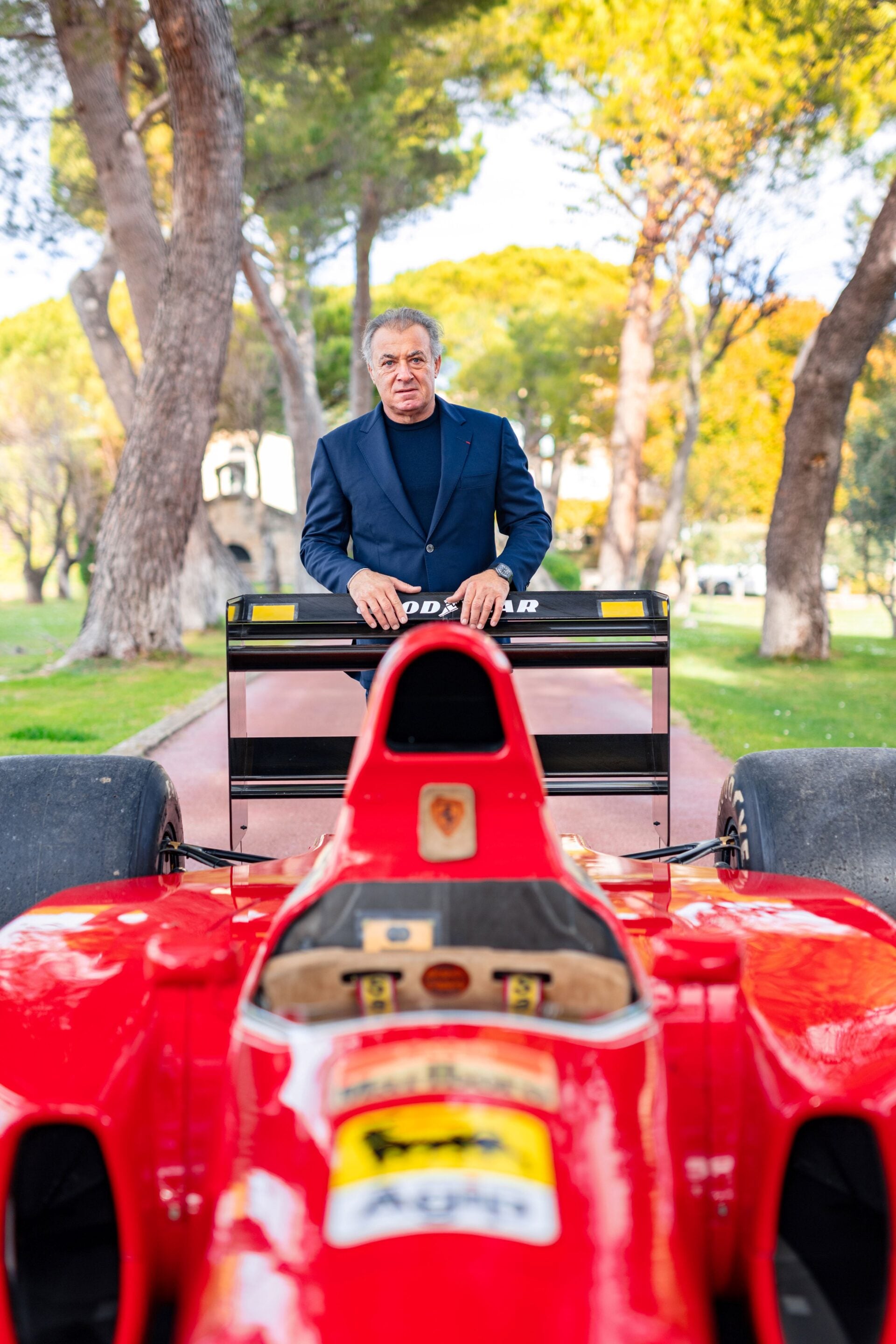
1
That should have signalled a warning that perhaps not everything was right with the new Tipo 040 V12 which suffered from lubrication issues, cutting out during the faster corners and ultimately causing the V12 units to detonate.
Things only got worse at the next race in Mexico, Alesi qualifying 10th, over three seconds off Mansell’s pole time while Capelli recorded the Scuderia’s worst qualifying result in over a decade, an embarrassing 3.8 seconds off the pace in 20th place. To compound Ferrari’s embarrassment, the minnow BMS Scuderia outfit, using the previous year’s Ferrari V12, out-qualified both Alesi and Capelli.
The race didn’t fare much better, the bumpy nature of the Autódromo Hermanos Rodríguez negating any aero advantage the F92A might have enjoyed. Worse still, the lubrication issue that had supposedly been fixed reared its oil-starved head again, Alesi retiring with another engine failure.
Ferrari was deep in crisis mode. Publicly, Migeot’s revolutionary aero design was made the scapegoat, but internally it was well-known that the V12 lay at the heart of the performance problem.
As Alesi later recalled in an interview with French auction house Artcurial, the V12 was sacred and any public criticism of its performance would not be tolerated by Ferrari. But, as Alesi revealed, “we were being penalised by a phenomenon known as ‘blow-by’. This means that the pistons pump the oil that is at the bottom of the sump. This causes you to lose a little performance, but at the same time you quickly run out of oil and break the engine.”
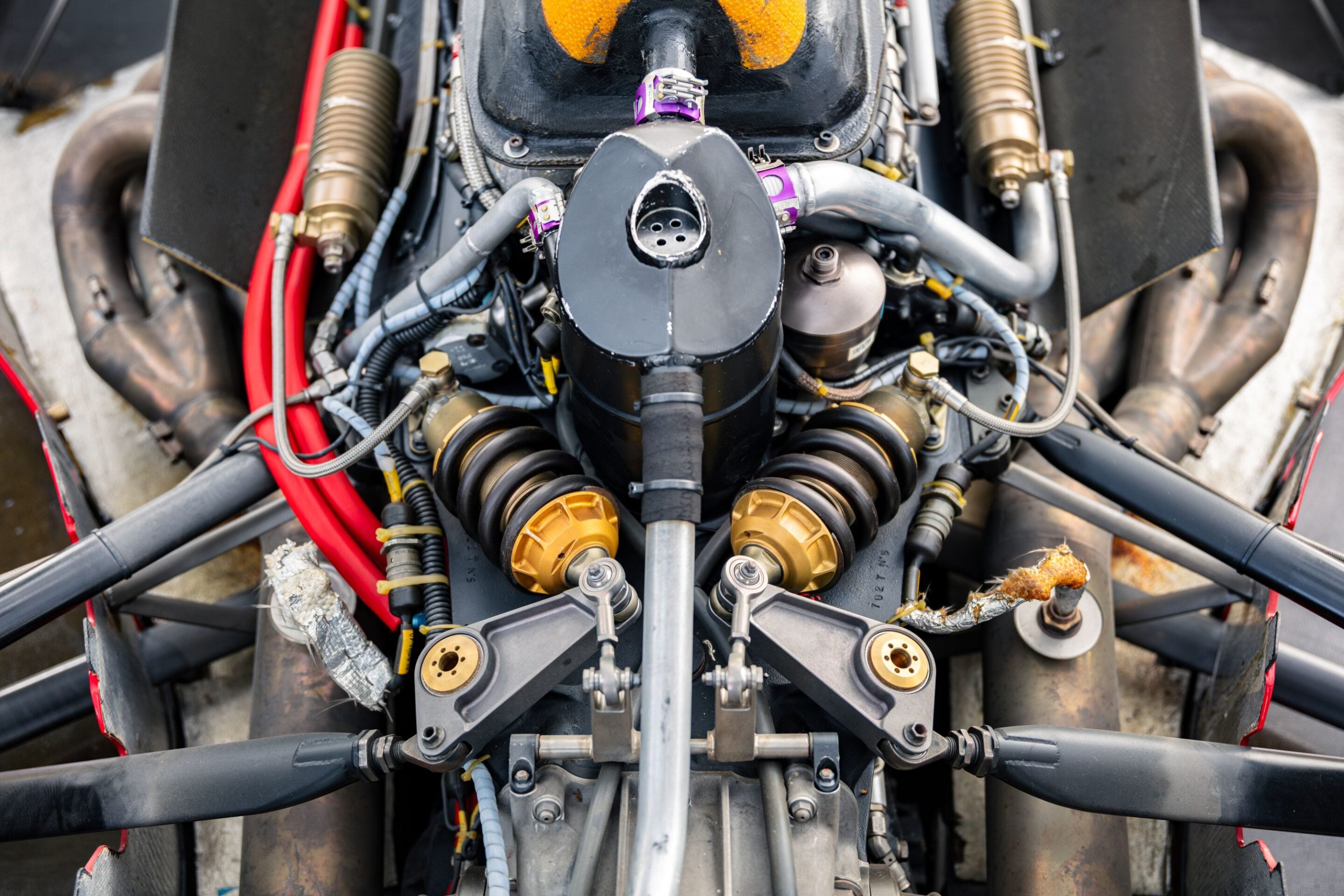
1
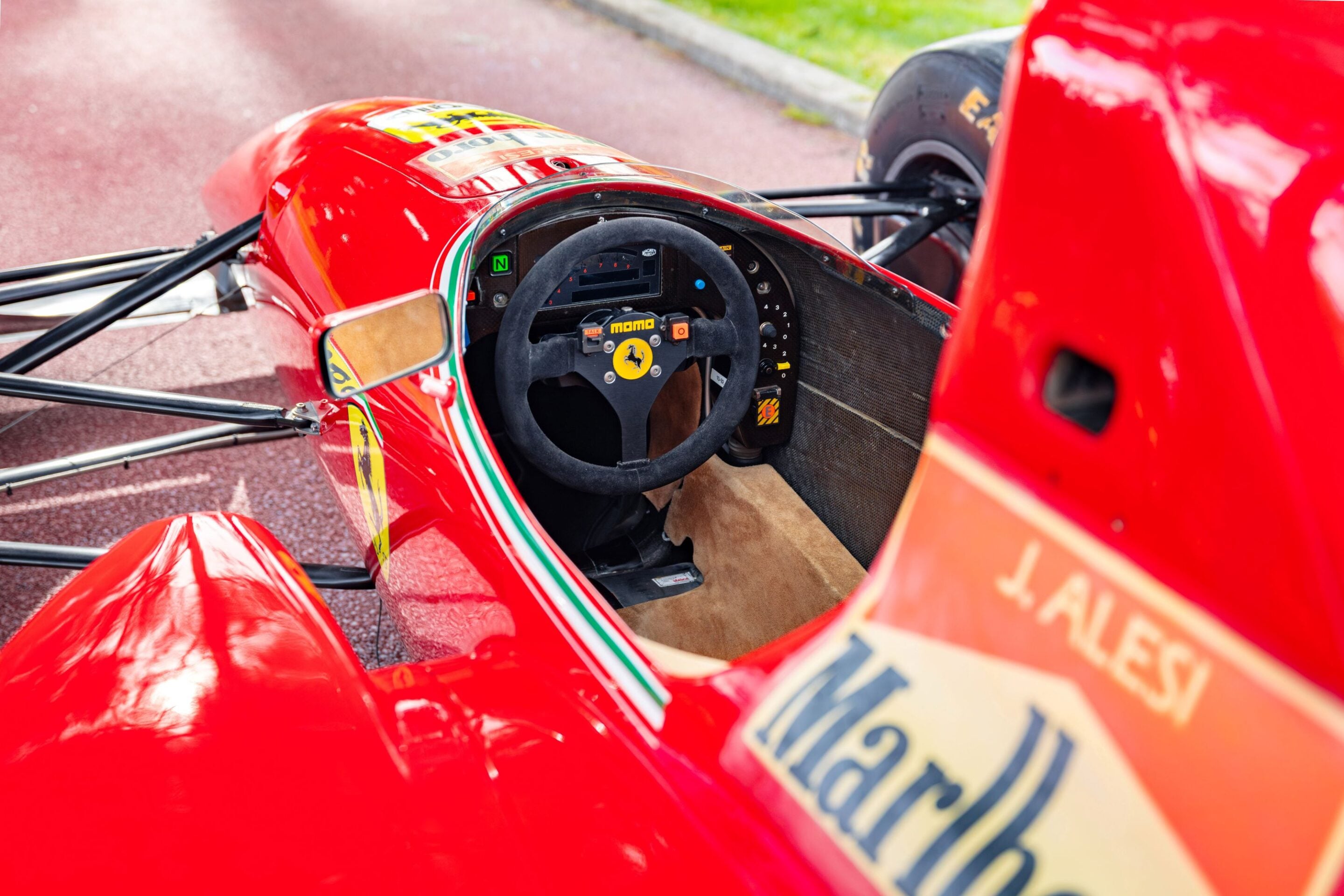
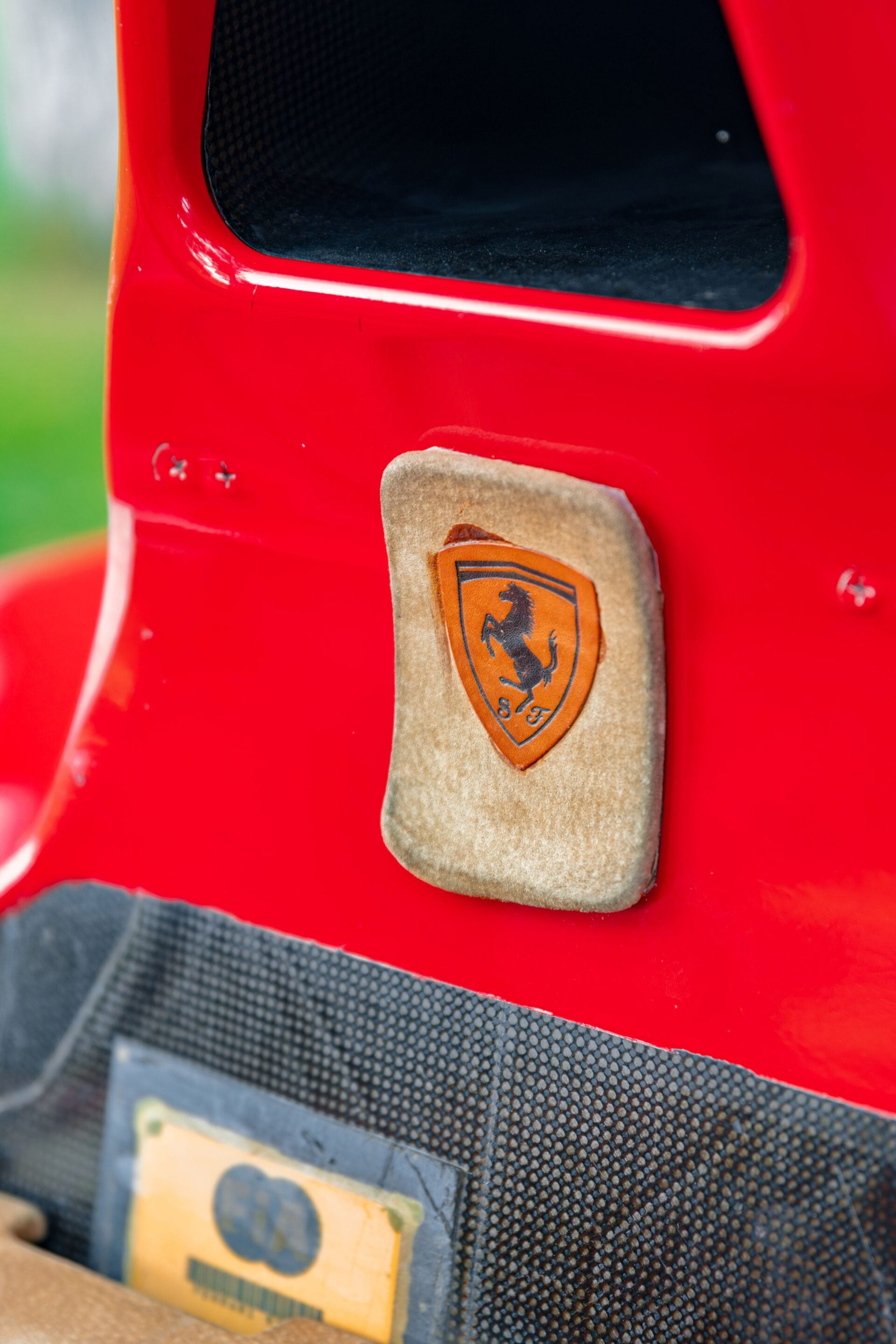
The solution was to install a second oil tank in the car which was activated by pressing a button in the cockpit labelled ‘P-ON’, which would then transfer the oil from the ‘reserve’ tank into the engine.
Additionally, to address the V12’s reliability problems, Ferrari deliberately limited engine speed, thereby reducing power. In Mexico, this resulted in Alesi’s Ferrari recording speed trap times an insurmountable 15km/h down on the front-runners.
Despite the disastrous start to the season, there were glimmers of hope. In Brazil, both Alesi and Capelli finished in the points while in Spain, with rain and a wet track negating any power advantage and with Migeot’s aero design fully on show, Alesi finished a gallant third behind Mansell’s Williams and the Benetton of Michael Schumacher.
The rest of the season quickly descended into one of Ferrari’s worst. Alesi scrambled to another third-place finish in Canada, and added a further three minor points finishes to his tally. His retirement count for the season ran to 10. It was an even bleaker picture for Capelli, who later described the F92A as “the worst car I’ve ever driven”, scoring only twice throughout the year, his F92A retiring on 11 occasions. He was sacked two races before the end of the season, replaced by Ferrari reserve driver Gianni Morbidelli.
Capelli wasn’t the only scapegoat for what had been one of Ferrari’s worst seasons ever. Migeot too was shown the Maranello door, although later he took consolation that his innovative ‘raised nose’ concept became the norm in F1 by 1996, adopted by every team in pitlane.
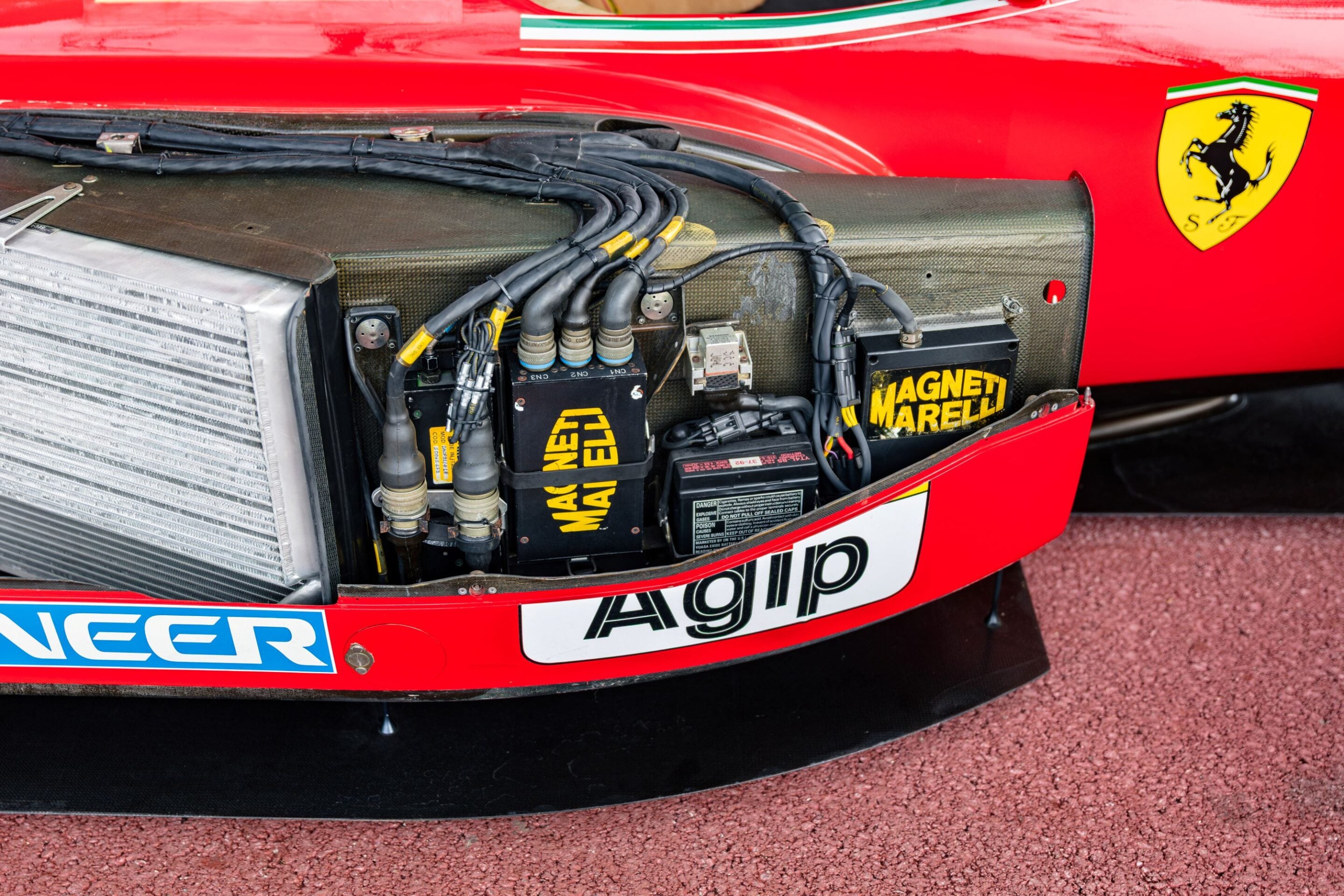
2
Certainly, the F92A won’t go down in history as one of Ferrari’s best, the Scuderia finishing fourth in the constructors’ championship with just 21 points.
But, as terrible as it was, the F92A did bring a lasting and enduring legacy to Ferrari. Incensed with the team’s poor showing in ’92, and determined to put the team back on the right path, di Montezemolo lured Jean Todt from Peugeot to the Scuderia in 1993 to begin the process of rebuilding.
It took several years for Todt to assemble his ‘dream team’ of Schumacher, Ross Brawn and Rory Byrne, and then several more before the Scuderia returned to the summit of F1. But once Ferrari did, there was no stopping it, winning five consecutive drivers’ titles from 2000-2004 and six straight constructors’ championship from 1999-2004.As for Alesi?
He remained with Ferrari until the end of 1995, scoring what would be his lone GP victory in Canada that same year, scant reward for a driver who had seen the Scuderia through its darkest days only to be pushed aside once Schumacher became available. We’ll never know what Alesi could have achieved had been at the right team at the right time.
1
This story first appeared in the March 2026 issue of Wheels magazine, now on sale. Subscribe here and gain access to 12 issues for $109 plus online access to every Wheels issue since 1953.
Follow WhichCar/Wheels on Google
Click the button below to make WhichCar by Wheels a preferred source for your news.

We recommend
-
 Features
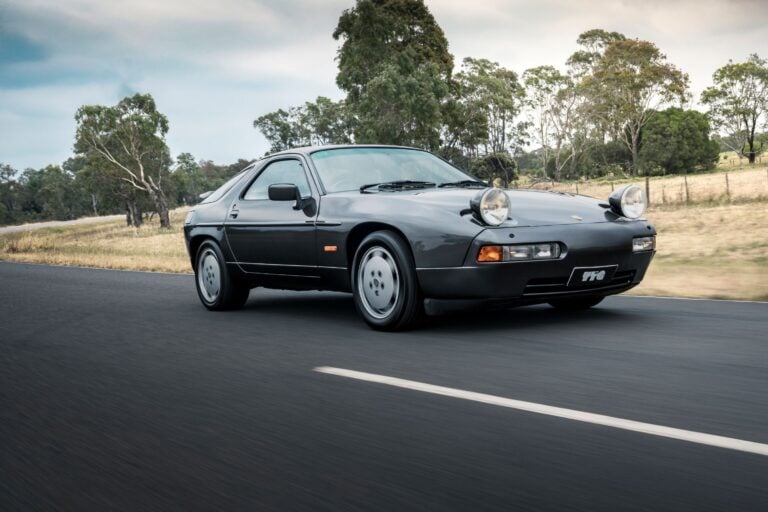
Modern Classic: Porsche 928, a car ahead of its time
Born of a crisis, the Porsche 928 was engineered to replace the 911, redefining the brand with radical design and grand touring ambition.
-
 Features
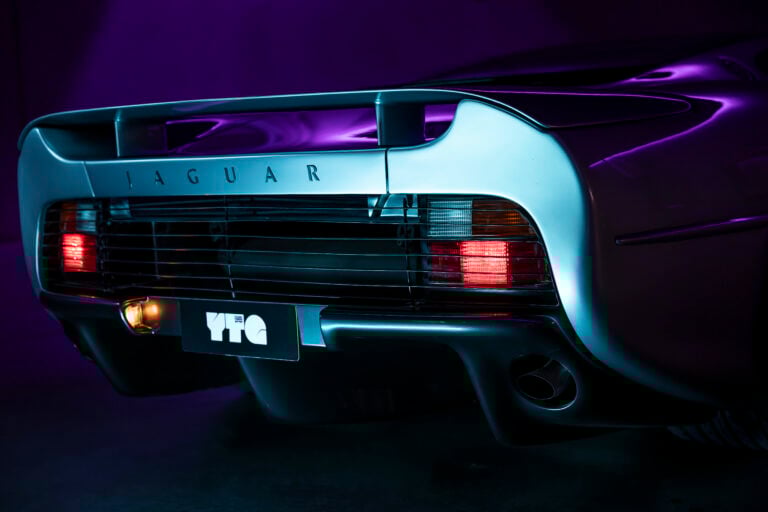
Modern Classic: Jaguar XJ220 – underrated or misunderstood?
The world’s most underrated supercar or a case study in confused development? The truth, as always, is a little more nuanced