
News

Gallery 1
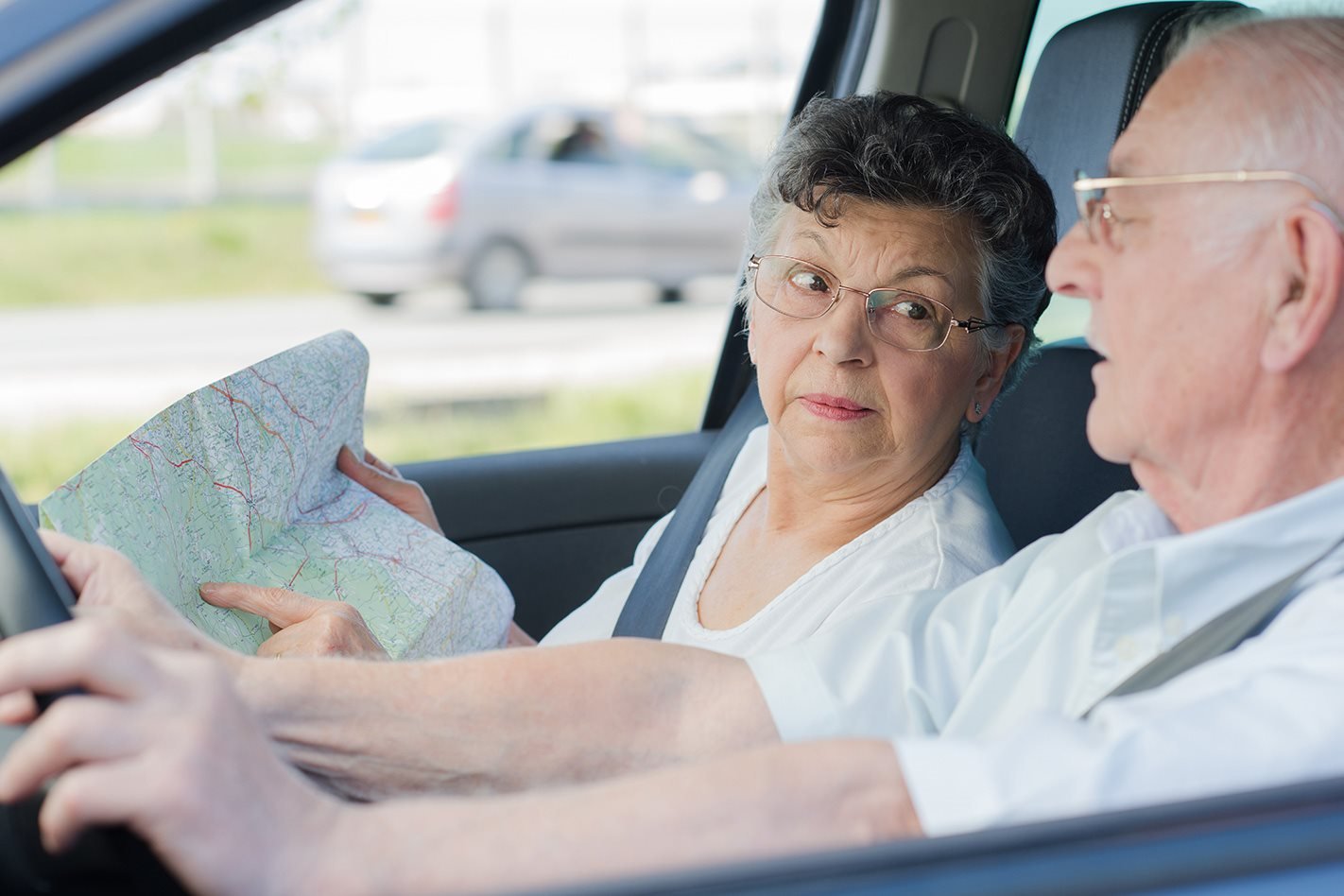
Driving is something that many Australians take for granted, but new research has revealed just how important getting behind the wheel is to older motorists, and how unprepared many are for the day they have to hand over their keys thanks to a range of issues such as a lack of public transport in regional areas.
The Australian Seniors Golden Gears Report 2026, which surveyed 1201 Australians aged 50 and over, found that 83 per cent of current drivers consider driving important to their independence, including 49 per cent who describe it as “extremely important”.
Despite this, almost half (48 per cent) admitted they had given no thought to how they would get around if they could no longer drive, while 81 per cent had not openly discussed reducing or permanently stopping driving in the past five years.
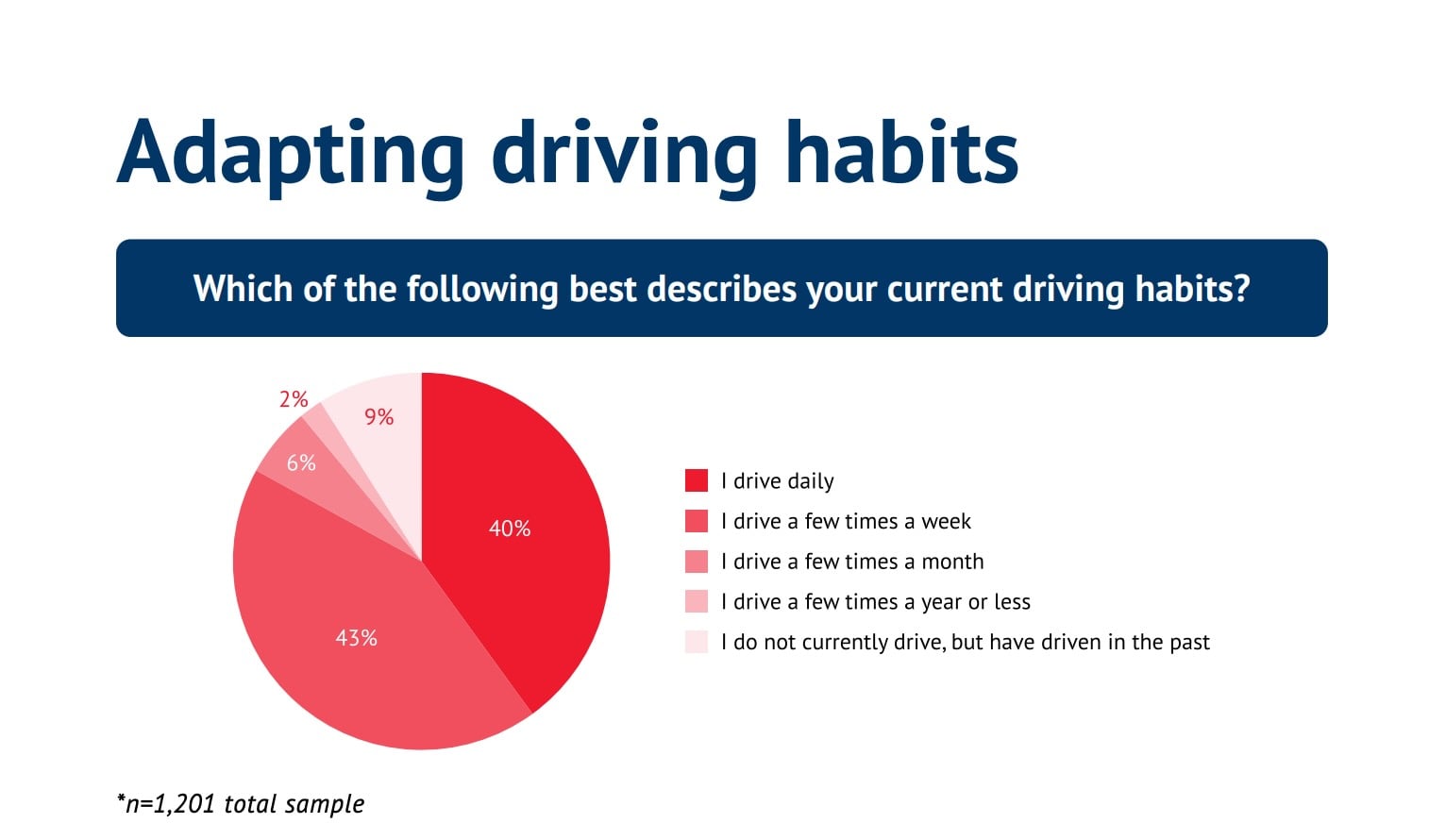
The research also shows how driving habits change with age, with 43 per cent reporting that they are driving less frequently than just five years ago. Almost two-thirds (64 per cent) of respondents who had driven within the previous year had restricted their driving for safety reasons, including avoiding night driving, poor weather and peak-hour traffic.
4
However, there are many consequences to giving up driving, well beyond finding another way to get around. Among those surveyed who had already stopped driving, 38 per cent reported that their social lives had worsened and 37 per cent said their overall independence had declined. Fifty-four per cent said they spent more time at home, and 42 per cent had become more reliant on others.
Access to healthcare is another major concern, particularly for those living in regional or country areas. The report found that 44 per cent of current drivers believed accessing essential healthcare without a car would be difficult, while 27 per cent of former drivers had missed or delayed a medical appointment because of difficulties with transport.
The research also found that 66 per cent believing drivers aged 70 and over face negative stereotypes regarding their safety on the road. Interestingly, giving up driving wasn’t entirely negative. Three-quarters of former drivers reported feeling relieved that they no longer had to deal with traffic, parking or fuel costs, while 38 per cent said they were spending less money on transport.
While giving up driving is an inevitable reality for many older Australians, the research suggests that more needs to be done to help motorists prepare for the transition, particularly those living in regional areas where access to alternative transport can be limited.
The full Australian Seniors Golden Years 2026 report is available to read here.
Follow WhichCar/Wheels on Google
Click the button below to make WhichCar by Wheels a preferred source for your news.


We recommend
-
 News
Revealed: The Australian city where drivers spend the most time stuck in traffic
New research has revealed Australia's most congested cities. Surprisingly, Sydney and Melbourne aren't the worst places when it comes to infuriating traffic.
-
 News
Aussie state's pothole crisis gets even worse as promise to fix 500,000 craters is broken
The pothole setback comes after a motorcyclist's death last month drove renewed scrutiny of the state of the road network.
-
 News
How Aussie driver proved an AI traffic camera wrong and had $342 fine withdrawn
An Adelaide driver has overturned a $342 parking fine issued by an AI-powered camera in an example other Aussies can follow.
