
News

Gallery 1
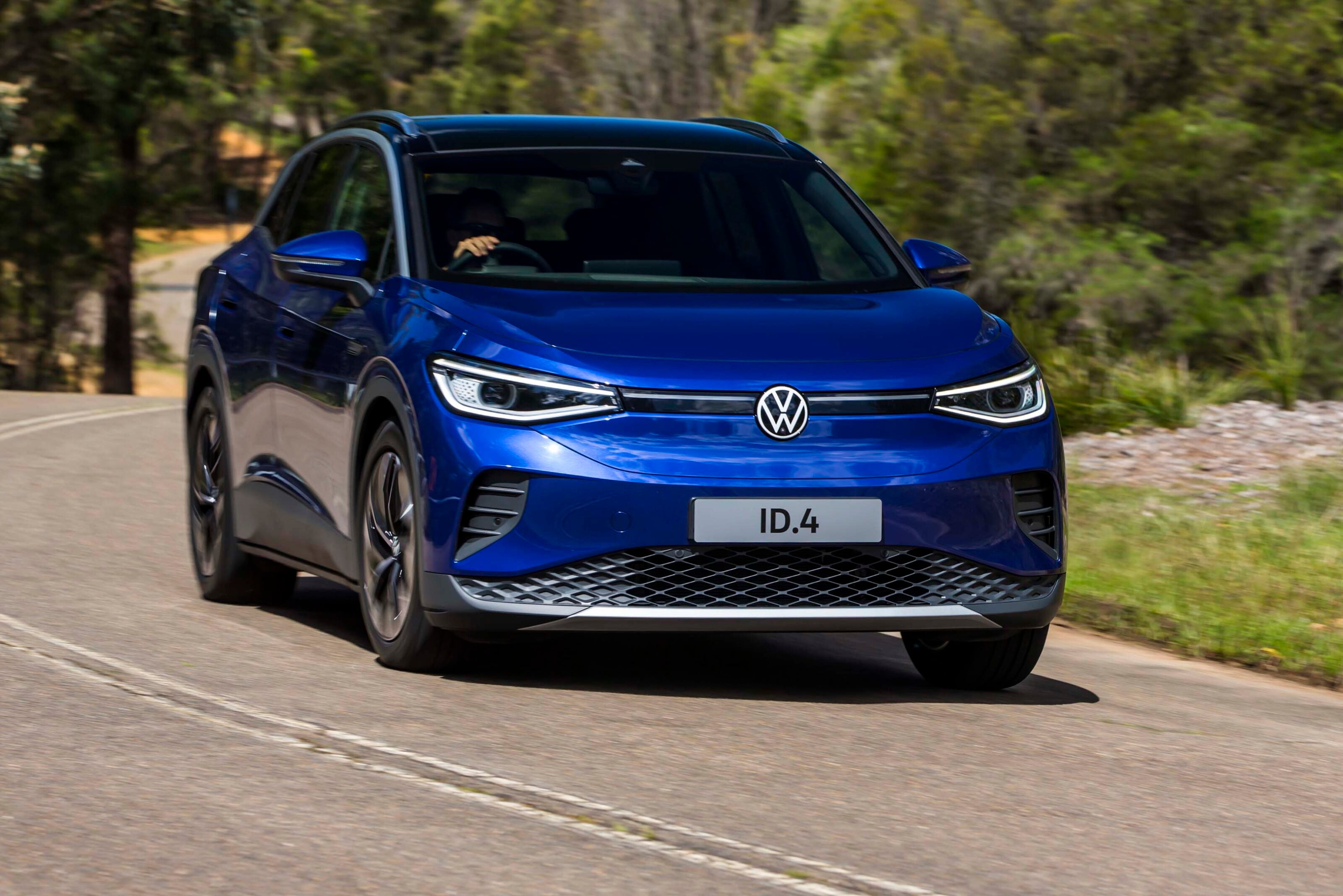
A major new analysis from a global consultancy firm has pinpointed the huge problems that are driving Chinese carmakers’ dominance over their European rivals and warned they cannot be solved with current measures. The news comes as Volkswagen, one of the worst-affected manufacturers, reported a 14.3 per cent drop in global deliveries.
The study by Alix Partners called on the region’s brands and governments to take decisive action “before it’s too late” as it posed the question, “Can Europe still build cars into the 2030s?” and detailed an alarming cost gap to Chinese manufacturers.
4
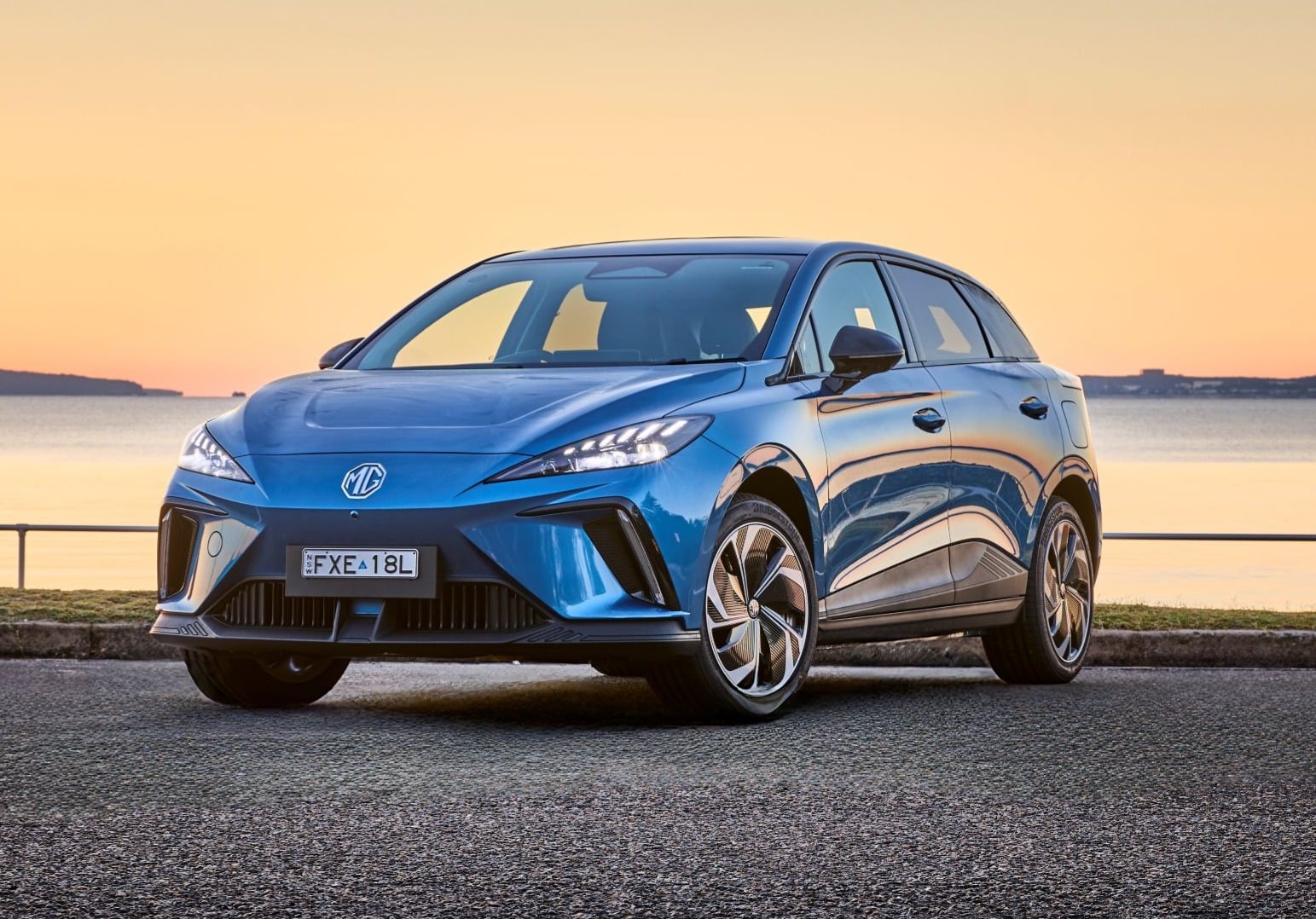
According to the analysis, Chinese brands’ EVs cost around $28,000 to produce while models made in Europe cost $43,000. It gets worse, with Alix warning that the difference is widening and is structural, not temporary. Furthermore, the tide cannot be turned using current fixes, which include tariffs and trade exemptions.
The second major downfall for the Euro giants is software. “Value in the car is shifting from hardware to code, yet Chinese carmakers have built software-defined architectures from the outset, updating and iterating at a pace European manufacturers have yet to match,” the study said.
Alix also found that the European companies are taking far too long to bring new models to market. That has resulted in the marques deriving just a third of their sales from vehicles launched in the last three years, compared with Chinese brands on 76 to 100 per cent.
Battery costs were found to be the most intractable problem for Europe, as 80 per cent of cathode and battery material refining capacity lies outside the region. Alix also said 15 Euro car factories are currently operating at less than 60 per cent of capacity.
5
“Europe built its modern industrial prosperity on the car. That legacy is now at stake,” said Andrew Bergbaum, Alix’s global co-leader of automotive and industrial practice. He also warned that Chinese rivals are “circling underused European factories”.
Underused factories are among the many problems facing Volkswagen as it goes through a tumultuous and agonising restructuring. Its 14.3 per cent crash in global deliveries for the third quarter of 2026 was driven in no small part by a disastrous result in China, where numbers fell by 38.5 per cent, according to Reuters.
Elsewhere, VW’s deliveries fell by 5.8 per cent in North America and 2.8 per cent in Western Europe. The global fall, which saw deliveries drop to 1.89 million vehicles, is even worse than the result for the second quarter of 2022, when numbers tumbled by 22.4 per cent.
Follow WhichCar/Wheels on Google
Click the button below to make WhichCar by Wheels a preferred source for your news.

We recommend
-
 News
NewsVolkswagen Group confirms plan for massive model cull and 100,000 job cuts
VW will halve its model range, dramatically reduce variants and cut global production capacity as it battles rising costs and intensifying Chinese competition.
-
 News
NewsCalls to extend EU local-content borders beyond Europe to tackle Chinese cars
European automakers are lobbying for an extension to ‘made in Europe’ territories to level the playing field against cheap Chinese vehicles.
