News

Gallery 1
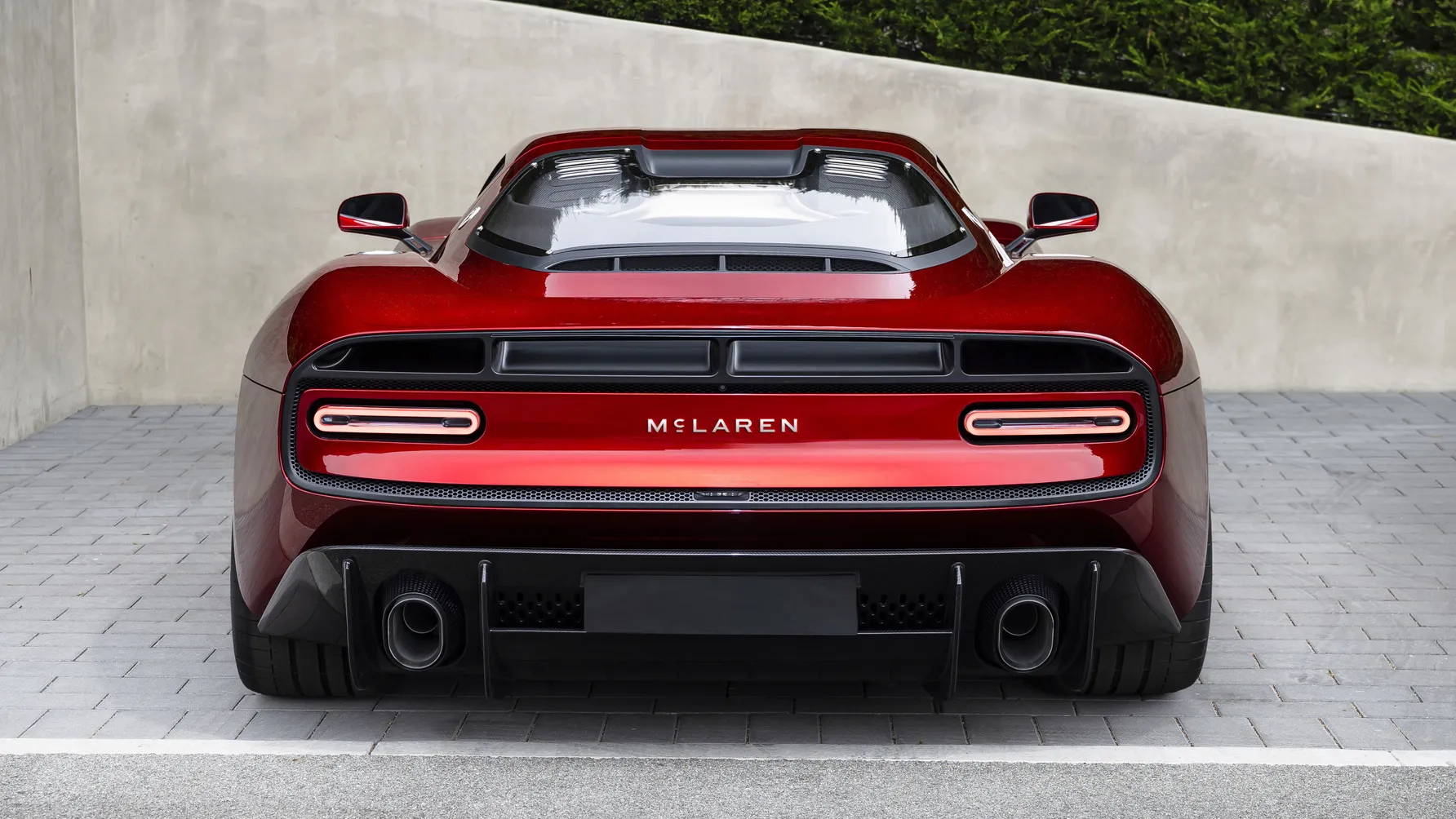
McLaren has followed the announcement of its first SUV and a $943 million expansion by unveiling a new, more understated logo with ties to founder Bruce McLaren that date back to before the beginning of the company.
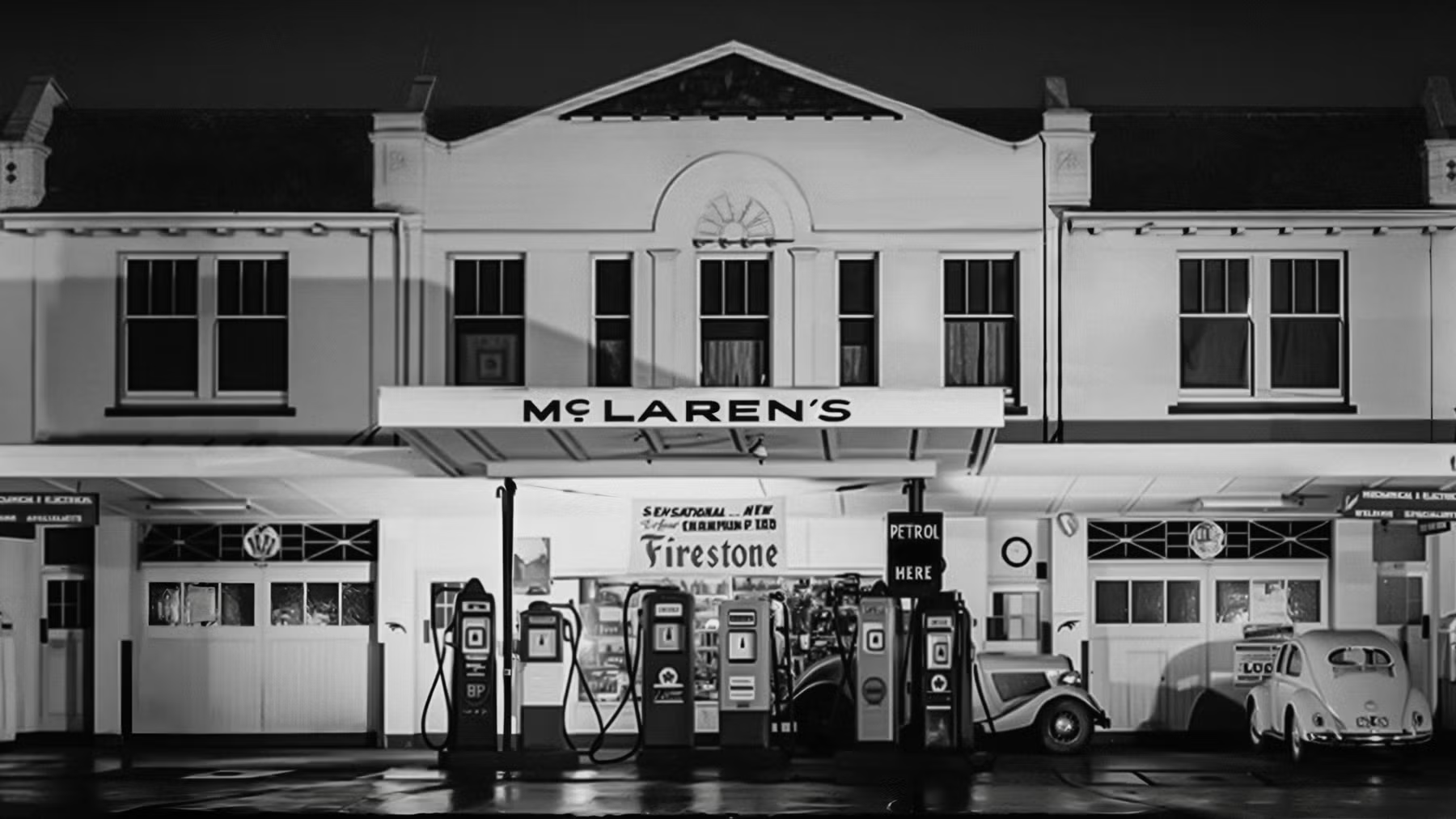
Gone is the familiar “Speedmark” brand symbol with its flash of the famous papaya colour and the name represented in chunky, bold lettering. Its replacement is far more restrained and subtle, with the clean and simple typeface taken straight from the lettering painted on the awning of the McLaren family garage in Auckland.
5
That automotive sacred site is where Bruce McLaren built his first winning racing car, a 1929 Austin 7 Ulster that he pulled together when he was just 14 years old and learned to drive in. That was in 1952, and Bruce didn’t found McLaren until 1963.
“It’s a reflection of the journey we are on as a company,” McLaren chief creative officer David Woodhouse said in a press release announcing the change.
“It marks the beginning of a new chapter for McLaren, giving a physical expression to the ambition, creativity and forward momentum that is shaping our future.”
The original McLaren crest, which featured a kiwi bird, was first seen when the racing team kicked off in 1963, and it was designed by Bruce’s mate Michael Turner. It was replaced by another symbol featuring a papaya kiwi bird in 1971.
2
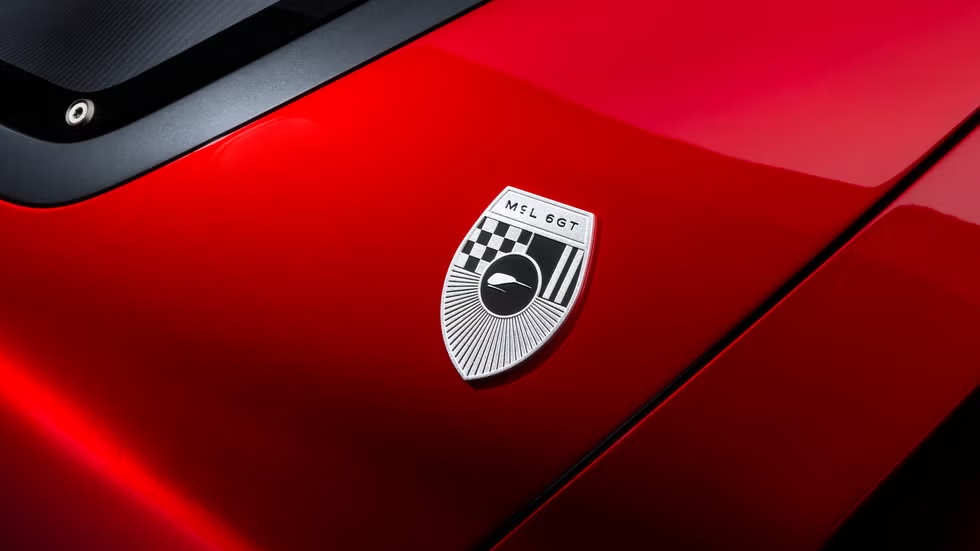
In 1980 the emblem was switched to the sort of chunky McLaren typeface that is only just now being replaced, with a graphic representing a chequered flag. The logo was simplified in 1991, and another revamp in 1997 introduced the Speedmark, which represents air vortices produced by a car’s rear wing.
There was a slight refinement in 2007, and a mono black Speedmark was introduced in 2017. The symbol that is being replaced first surfaced in 2021, with the Speedmark represented in papaya.
The switch comes hot on the heels of McLaren announcing that it will produce its first SUV as part of an immense expansion. That program will also include new supercars, in-house engine production, expanded carbon-fibre manufacturing and a second assembly plant in the UK.
Unlike previous McLarens, the SUV will feature two conventional rows of seats and four doors. It will target high-performance luxury rivals including the Lamborghini Urus and Aston Martin DBX rather than following the more unconventional approach taken by the Ferrari Purosangue.
Follow WhichCar/Wheels on Google
Click the button below to make WhichCar by Wheels a preferred source for your news.

We recommend
-
 News
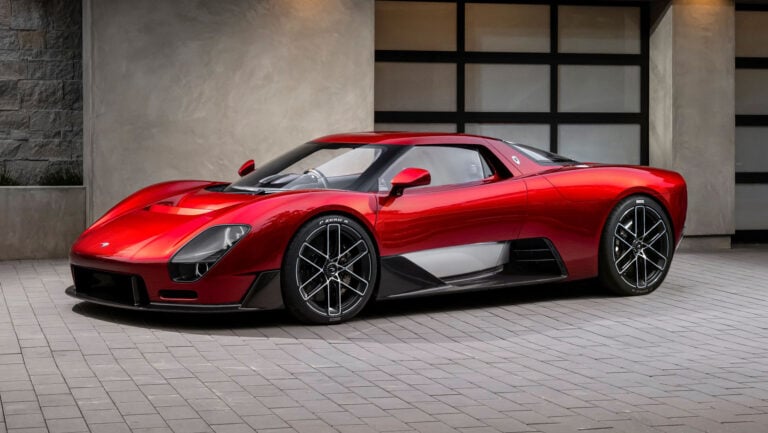
NewsMcLaren McL 6GT previews manual V8 supercar due in 2028
M6GT-inspired concept pairs carbon-fibre construction with rear-wheel drive and McLaren’s first manual gearbox since the F1, ahead of a production version in 2028.
-
 Features
McLaren W1: Mid-engined V8 hypercar aims to win on both road and track
The famous brand adopts a lightweight ‘less is more’ mantra – and a 1258bhp (938kW) electrically assisted V8 – for its latest Ultimate Series hypercar.