News
Gallery 1
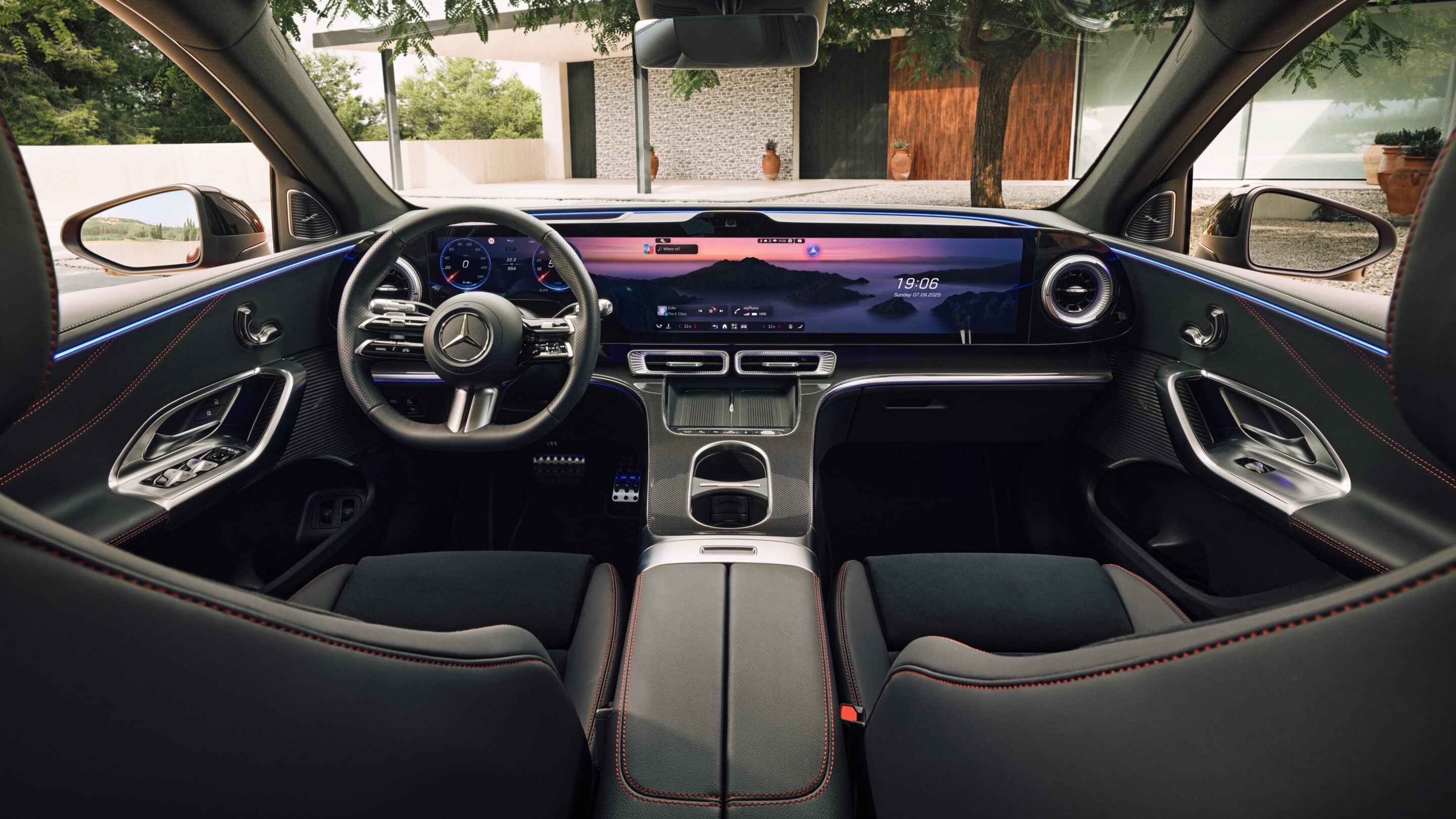
Mercedes-Benz has conceded that its push towards touchscreen-dominated interiors may have gone too far, with the luxury carmaker confirming it will restore more physical controls in future models while continuing to embrace large digital displays.
According to Autocar, Mercedes executives acknowledge customers still appreciate the brand’s expansive infotainment screens but increasingly want dedicated buttons for frequently used functions rather than navigating menus on a touchscreen.
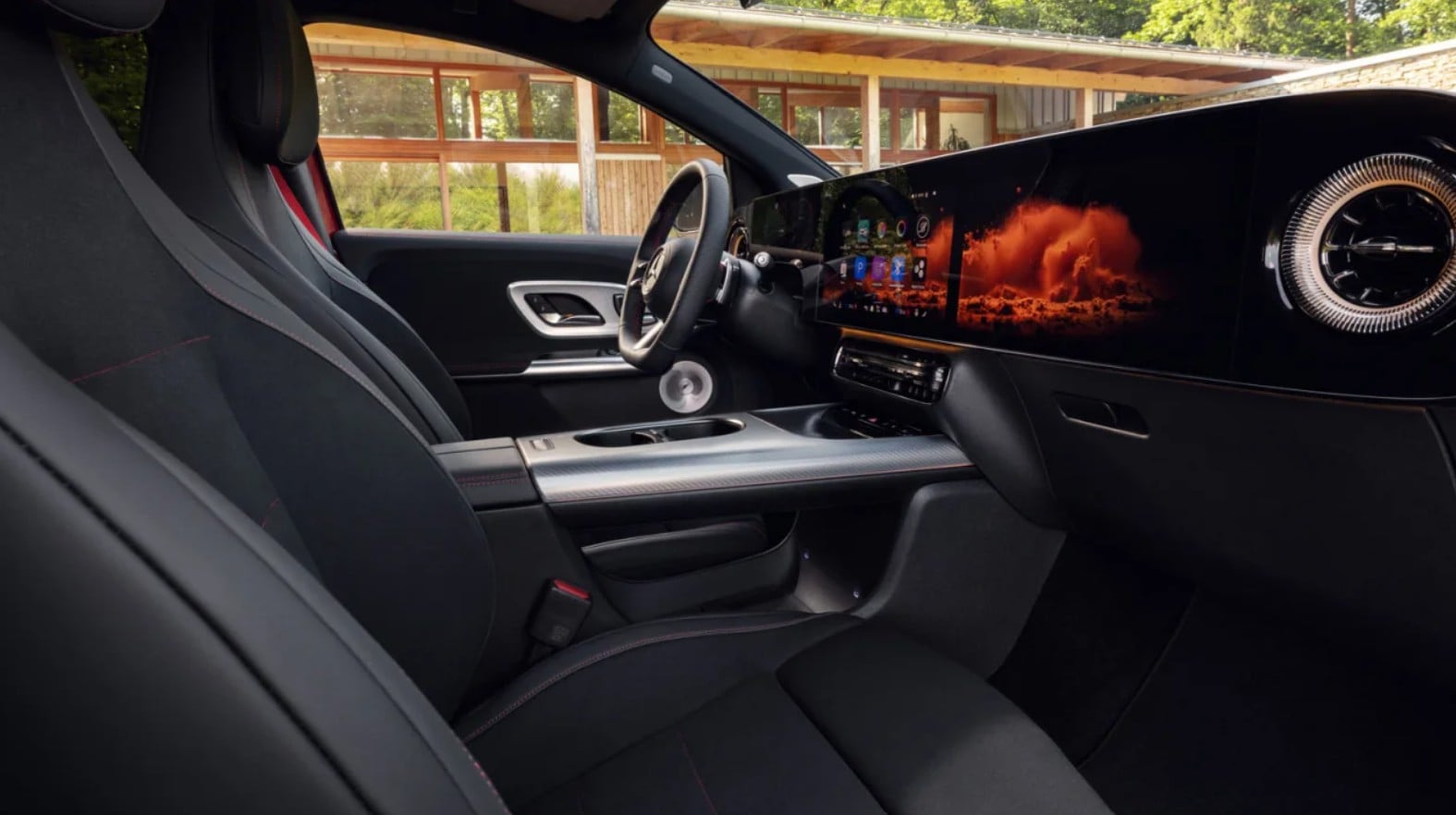
The shift marks a notable change in direction for the German manufacturer, whose MBUX Hyperscreen has become one of the defining features of its latest models. Stretching across almost the entire dashboard in some vehicles, the glass-covered display has been promoted as a showcase of Mercedes’ digital technology and premium interior design.
1
Mercedes-Benz chief executive Ola Källenius told Autocar the automotive industry may have “gone a little bit too far” in replacing conventional controls with digital interfaces.
He said the company is now focused on reintroducing “the most sensible buttons” after recognising that technology should improve the customer experience rather than exist simply for its own sake. Despite that, Källenius believes the industry has not yet reached “peak screen”, arguing large displays will remain an important part of future Mercedes cabins.
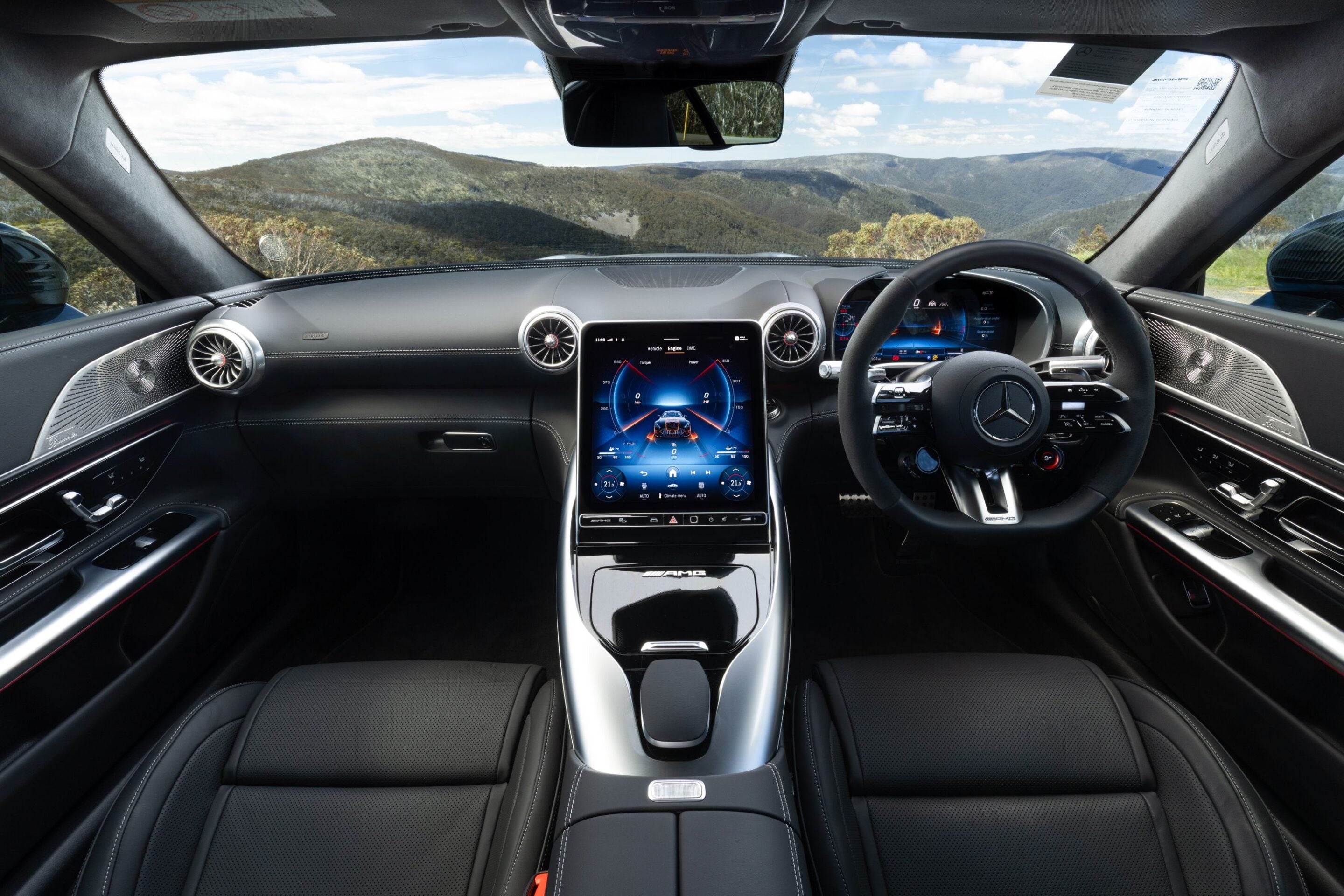
The company has already begun reversing some earlier decisions, replacing controversial touch-sensitive steering wheel controls with physical switches and scroll wheels on newer models. Mercedes says future vehicles will feature additional hard keys for functions drivers use regularly, reflecting feedback gathered through customer research clinics.
1
Mercedes isn’t alone in rethinking touchscreen-heavy interiors. Rival manufacturers including Volkswagen have also pledged to bring back physical controls after criticism that burying basic functions such as climate control and audio adjustments within touchscreen menus can be distracting and frustrating for drivers.
For Mercedes, however, the move represents a recalibration rather than a retreat. The company insists large displays remain a key part of its luxury identity, allowing owners to personalise the cabin and access increasingly sophisticated software features, while the return of tactile buttons aims to strike a better balance between technology, usability and safety.
Follow WhichCar/Wheels on Google
Click the button below to make WhichCar by Wheels a preferred source for your news.