News
Gallery 1
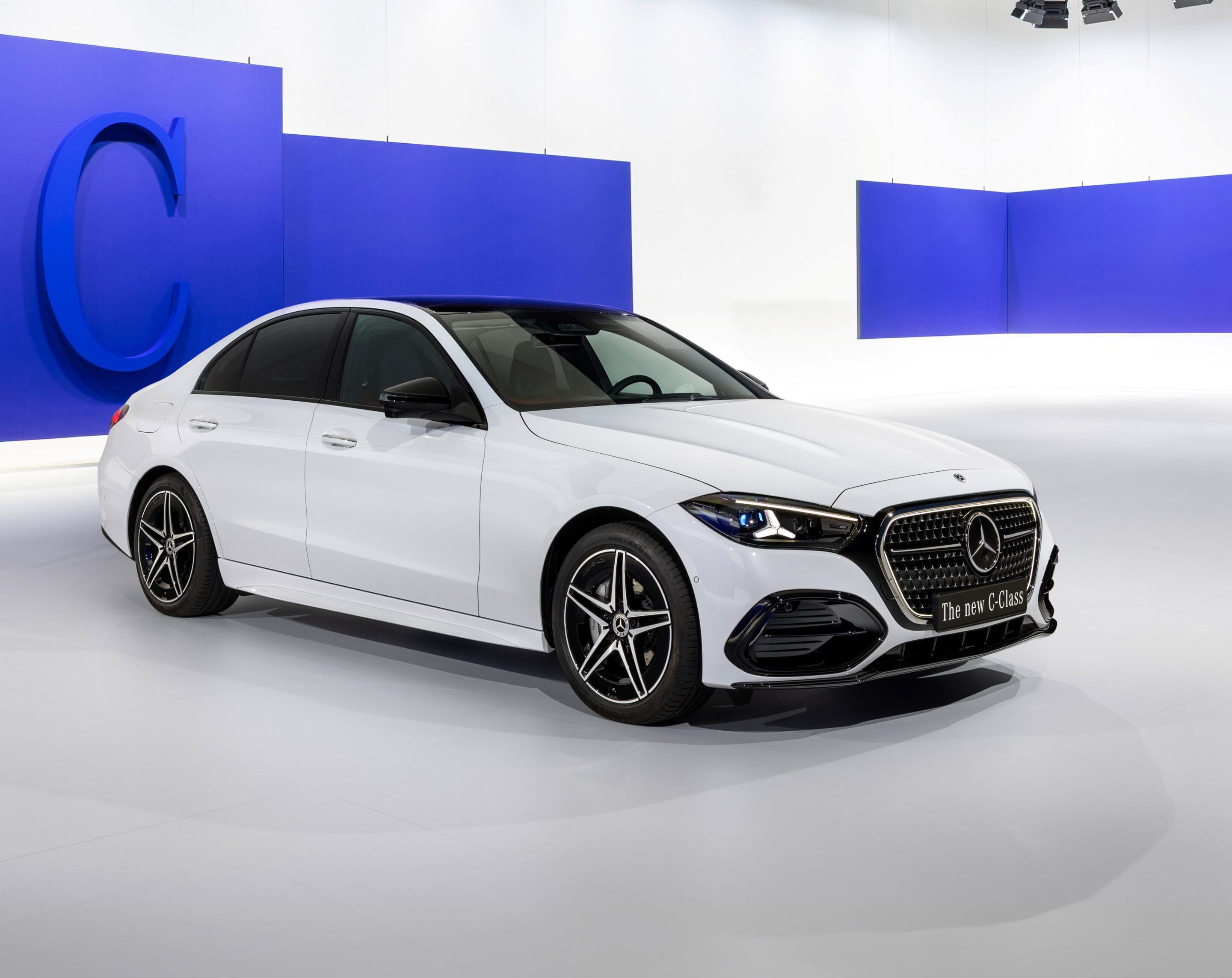
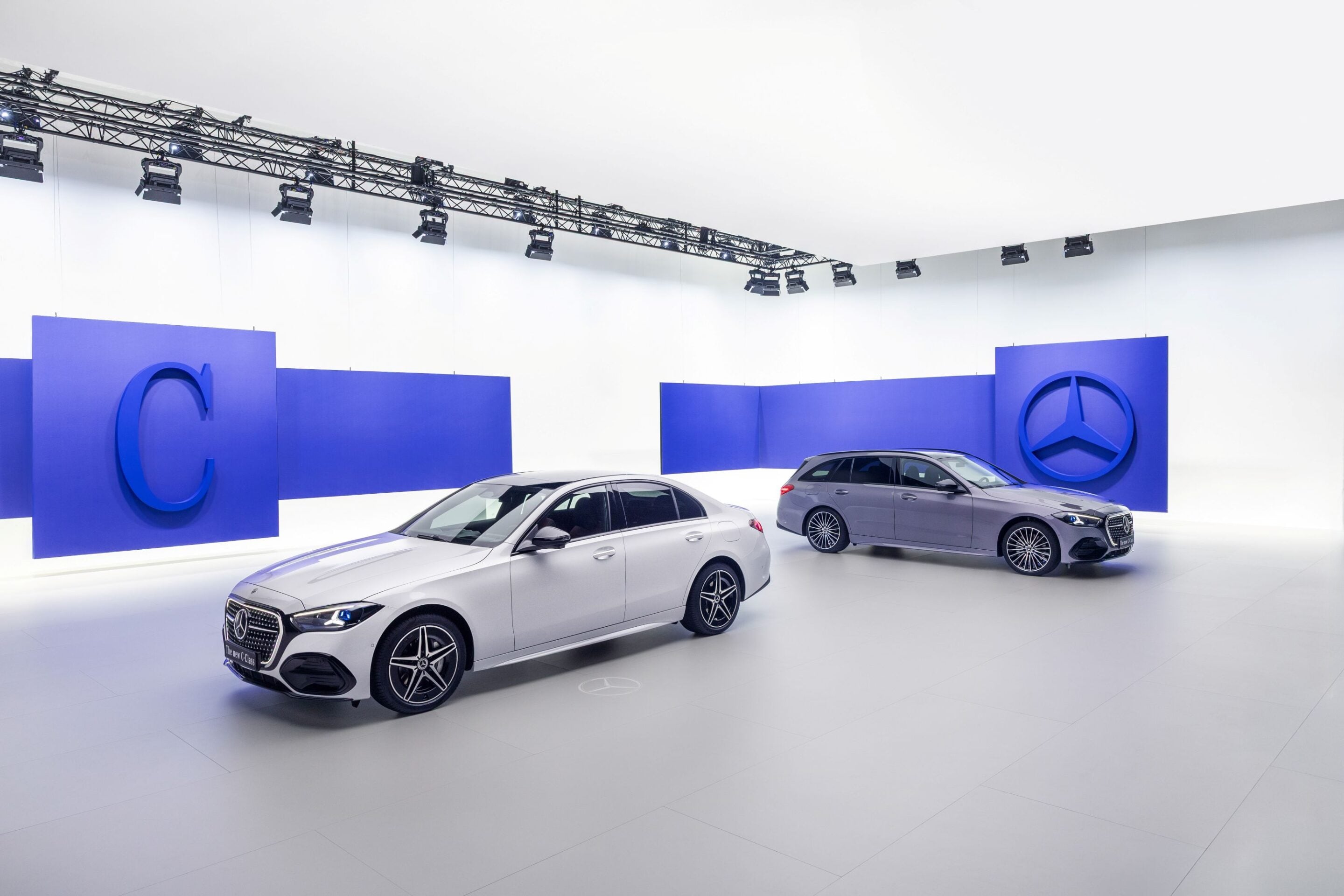
Mercedes-Benz has given its C-Class sedan a substantial mid-life overhaul, introducing new engines, upgraded chassis technology and a heavily revised digital package ahead of an expected Australian arrival in 2027.
Mercedes describes the changes as the most comprehensive technical update in the C-Class’s history. European orders open this month, although Australian pricing, specifications and the exact launch timing are yet to be announced.
The facelift will arrive during a particularly busy period for the C-Class. An entirely separate battery-electric C-Class is already confirmed for Australia in early 2027, initially as the 360kW C400 4Matic, giving Mercedes both combustion-engined and electric contenders against BMW’s next-generation 3 Series and i3.
3
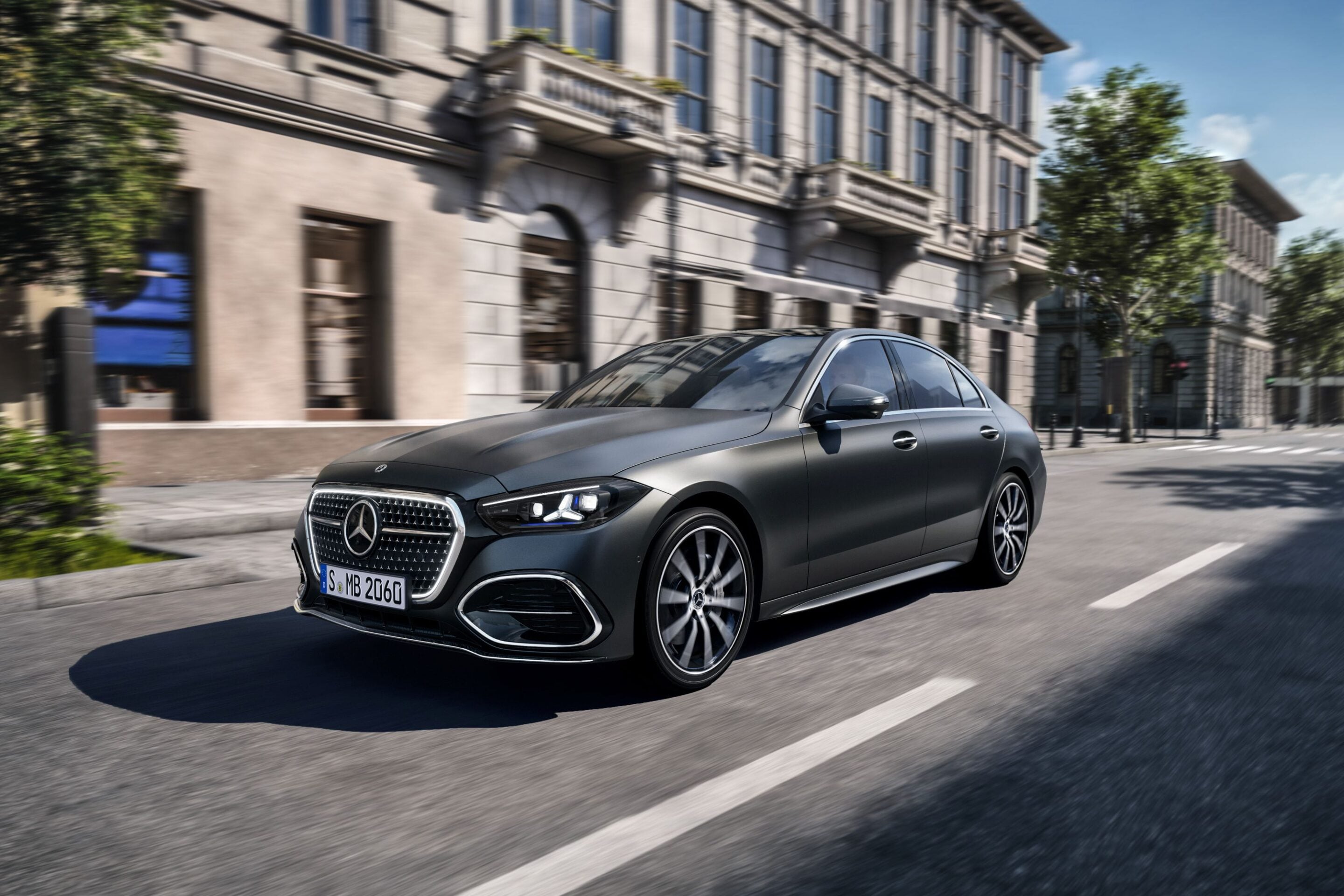
Visually, the combustion C-Class remains familiar but receives a new, more upright grille with an illuminated surround, redesigned bumpers and new headlights featuring Mercedes’ star motif. New wheel designs and paint colours are also available.
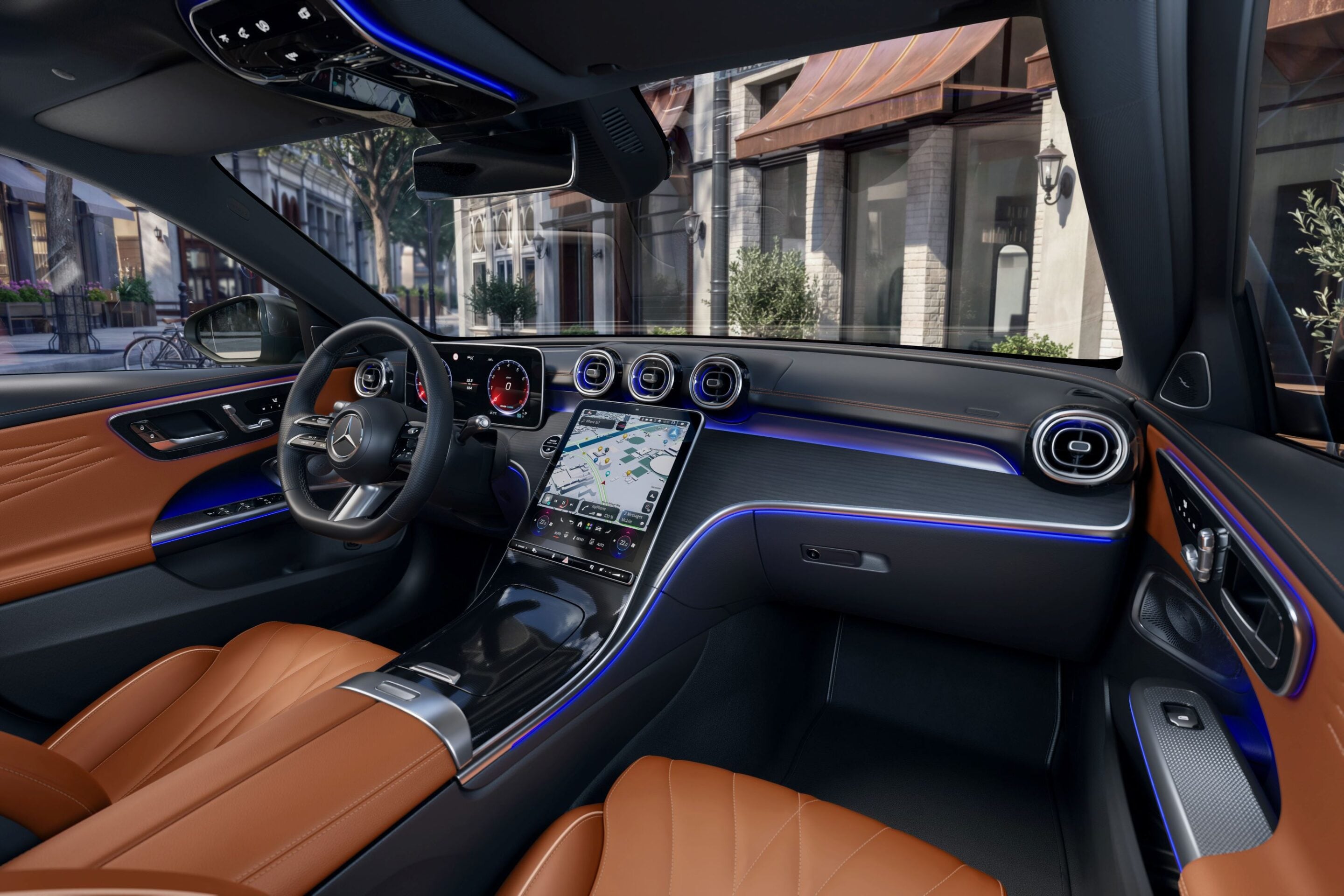
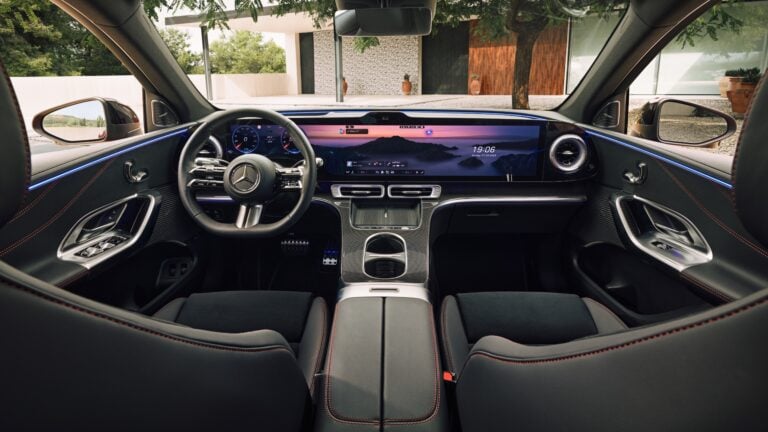
Bigger changes have been made inside. The existing 12.3-inch instrument display and 11.9-inch portrait touchscreen remain, but they now run the latest MBUX system on Mercedes’ MB.OS software architecture. The voice assistant incorporates AI technology from ChatGPT, Microsoft Bing and Google Gemini, while Google Maps underpins navigation. Over-the-air software updates are also supported.
Other cabin upgrades include new upholstery colours and trim choices, plus an available 15-speaker, 710-watt Burmester 3D surround-sound system. Its sound distribution can automatically adjust according to which seats are occupied.
Petrol models use an updated 2.0-litre turbo four-cylinder with 48-volt mild-hybrid assistance. Outputs range from 130kW in the C200 through 160kW for the C250 to 190kW in the C300, with the integrated starter-generator capable of briefly contributing another 17kW and 205Nm.
Plug-in hybrid versions combine a four-cylinder petrol engine with an electric motor. The C400 e 4Matic produces up to 290kW and 650Nm, while its 19.53kWh usable battery provides up to 100km of WLTP electric range. Charging reaches 11kW AC or 55kW DC.
4
Mercedes has also retuned the suspension, while optional rear-wheel steering can turn the rear wheels by up to 2.5 degrees, cutting the turning circle to 10.64 metres. Below 100km/h the rear wheels turn opposite to the fronts for manoeuvrability, and above that speed turn in the same direction to improve stability.
Noise suppression has also been addressed through revised exterior mirrors, additional windscreen sealing, improved insulation and changes to the exhaust mounting. Mercedes quotes a drag coefficient from 0.24 for the sedan.
Driver-assistance hardware can include up to 10 cameras, five radar sensors and 12 ultrasonic sensors, with available functions including assisted lane changes, automated parking and a system capable of retracing part of a previously driven route in reverse.
The optional Digital Light system also moves to micro-LED technology, expanding its high-resolution illumination field by around 40 per cent while Mercedes claims energy consumption has been cut by up to 50 per cent.
Which engines and technologies reach Australian C-Class showrooms remain to be confirmed.
3
Follow WhichCar/Wheels on Google
Click the button below to make WhichCar by Wheels a preferred source for your news.

We recommend
-
 News
NewsMercedes admits touchscreens went too far – but giant displays are here to stay
Luxury brand says customer feedback is driving the return of physical buttons, even as expansive digital dashboards remain central to future models.
-
 Features
All the new cars coming to Australia for the rest of 2026
Revealed: The best new models due to appear in Aussie showrooms and on our roads before 2027.