News

Gallery 1
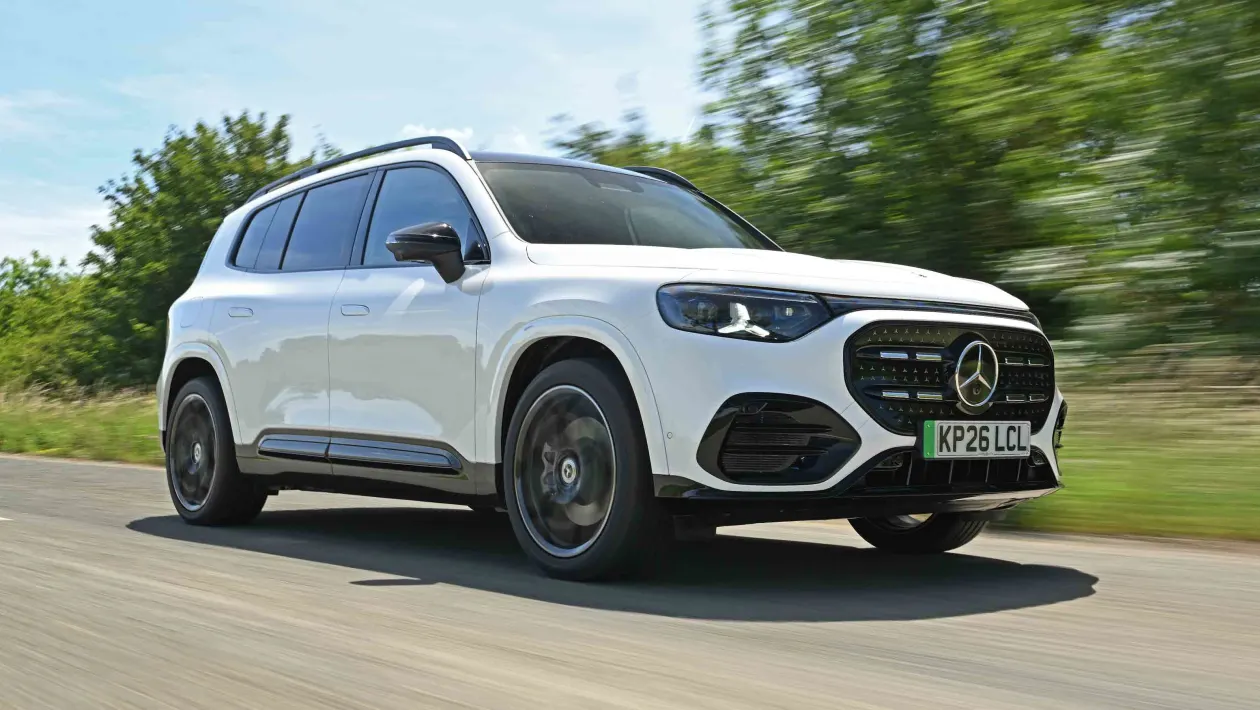
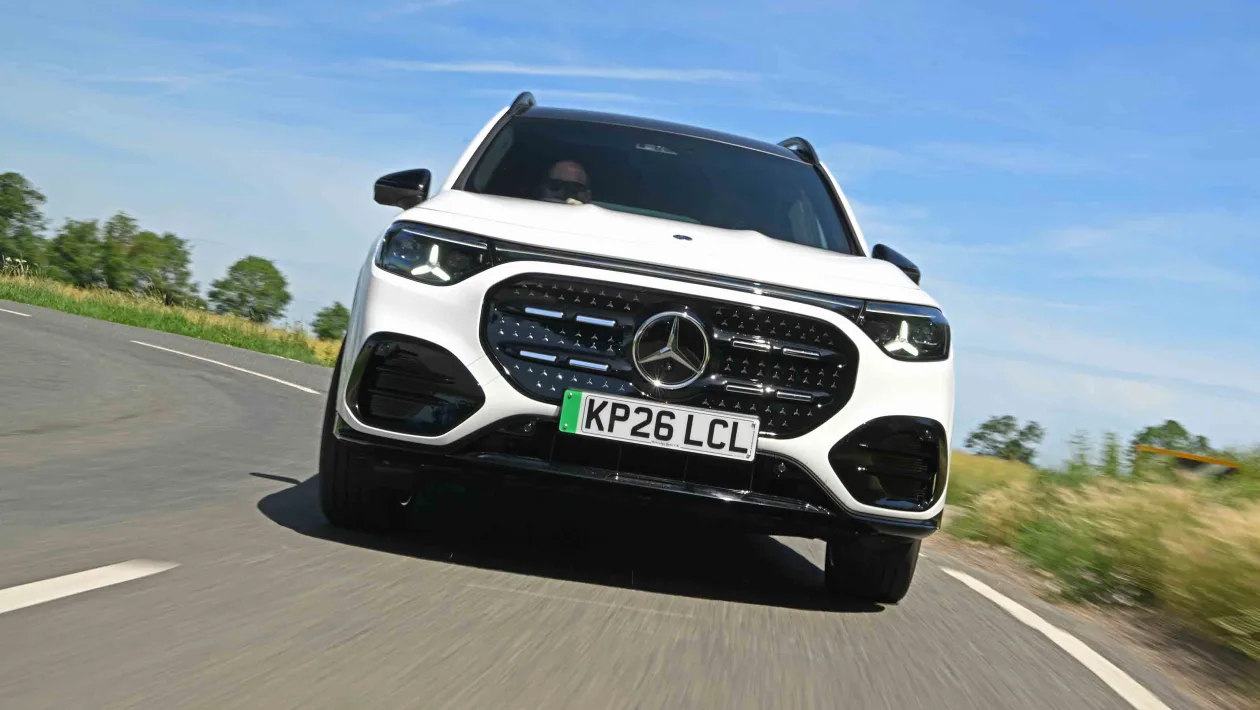
Mercedes has given its GLB a comprehensive overhaul to go with its unique seven-seat layout, with the second-generation SUV combining the roles previously filled by the petrol-powered GLB and electric EQB – and doing so in fine style, according to our friends at Auto Express.
Sitting between the GLA and GLC, the new GLB retains one of its predecessor’s biggest advantages: three rows of seats in a relatively compact premium SUV. The third row might be a tight fit for adults, but a sliding middle bench and four Isofix mounting points add useful flexibility for families.
5
European buyers can choose between petrol and electric powertrains. The GLB 180 produces around 100kW, while the GLB 200 increases output to 120kW. The all-wheel-drive GLB 220 4MATIC develops about 140kW. Buyers who want electrification get the rear-wheel-drive GLB 250+ and dual-motor, all-wheel-drive GLB 350 4MATIC, with both offering stronger acceleration than their combustion-engined counterparts.
The electric models also benefit from an 800-volt architecture capable of accepting DC charging at up to 320kW. Mercedes claims a 10-80 per cent recharge takes 22 minutes when connected to a suitable charger, while a 7kW home wallbox requires around 14 hours for a full charge.
On the road, the electric GLB is all about refinement. The cabin remains library quiet at urban and higher speeds, while its softly tuned multi-link rear suspension irons out all but the harshest bumps. The trade-off is that comfort-oriented set-up results in noticeable body roll when the Merc is pushed through corners, although higher-specification variants gain adjustable dampers to improve control.
Four regenerative braking settings are available in electric versions, including a strong one-pedal mode and an adaptive function that responds to traffic and speed limits.
Technology dominates the interior. A 14-inch central touchscreen and 10.25-inch digital instrument display are standard on European versions, while higher grades add another 14-inch screen for the front passenger. The infotainment system runs Mercedes-Benz’s MB.OS software and can support downloadable features and subscriptions.
Practicality remains a major drawcard. Five-seat boot capacity is 540 litres, expanding to 1715 litres with the rear seats folded. Electric models also provide a substantial 127-litre storage compartment beneath the bonnet.
7
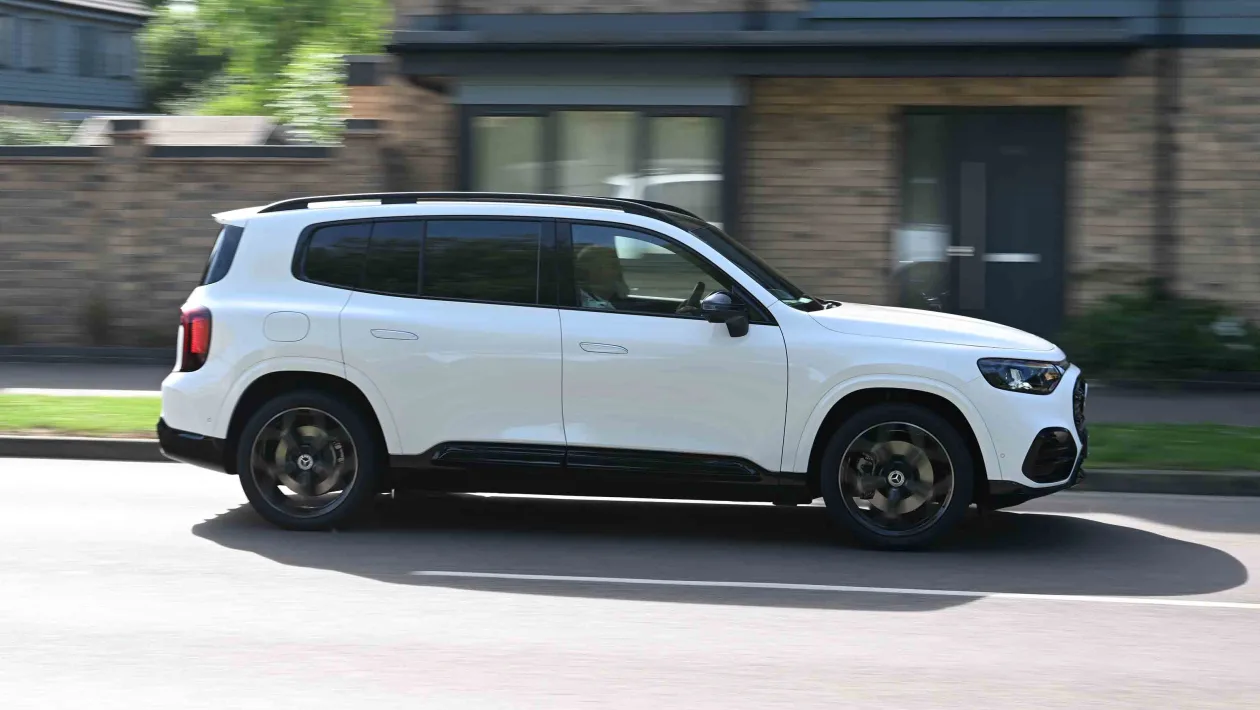
The GLB comes in at 4728mm long, 1860mm wide and 1689mm high with a wheelbase of 2889mm, with its upright proportions helping maximise passenger room. Third-row access is a bit awkward, however, and legroom is limited once all seven seats are occupied. Towing capacity is another strong point. The electric GLB 250+ can haul up to 1500kg braked, while the GLB 350 4MATIC increases that figure to 2000kg.
Australian pricing, specifications and arrival timing haven’t been released yet. Local models may also differ from their European counterparts in equipment and powertrain availability, but the new GLB’s combination of that unique seating arrangement, rapid-charging EV technology and premium features gives it a position of strength in the compact luxury SUV market.
Follow WhichCar/Wheels on Google
Click the button below to make WhichCar by Wheels a preferred source for your news.

We recommend
-
 Reviews
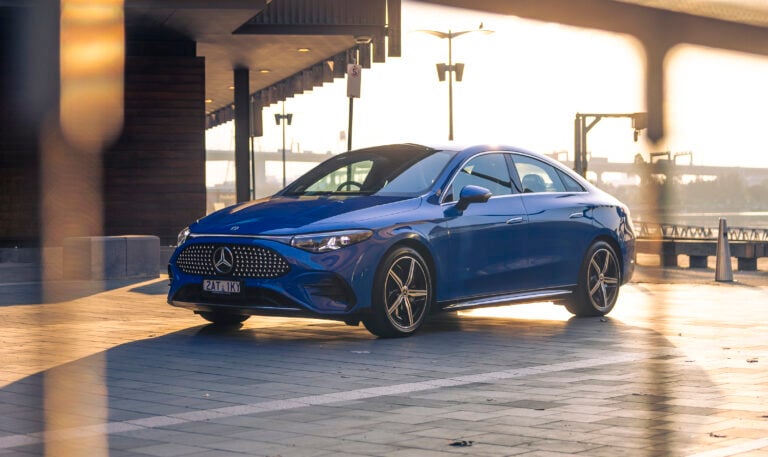
Mercedes-Benz CLA electric review: New beginnings
The first electric car from the German brand’s reimagined EV strategy is a winner in more ways than one.
-
 News
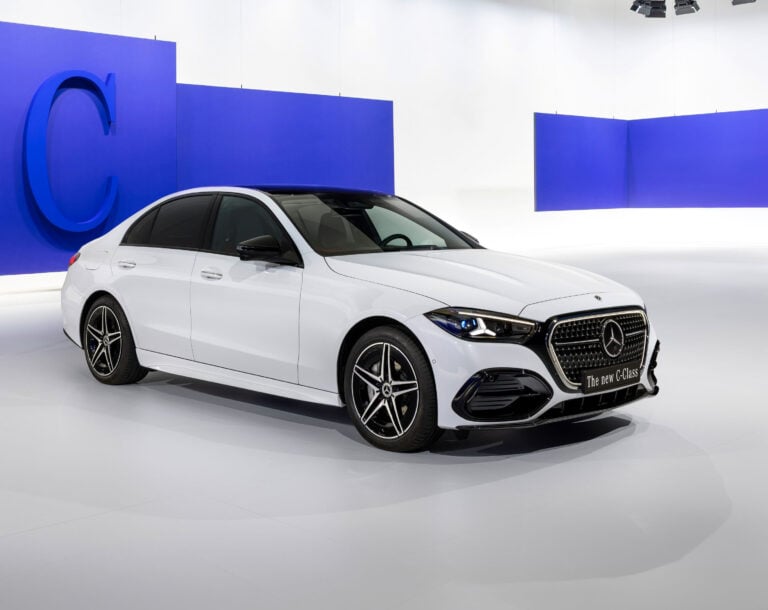
NewsMercedes-Benz C-Class gets major tech and hybrid overhaul for 2027
Updated petrol-powered C-Class gains fresh styling, AI-driven infotainment and plug-in hybrid range of up to 100km, with an Australian arrival expected in 2027 alongside the new electric model.