News
Gallery 1
A Harvard University study has found that fatal car accidents can increase by as much as 15 per cent on days when big-name music albums are released due to drivers becoming distracted by the work of top-selling artists like Taylor Swift.
The research examined 233,809 traffic fatalities in the USA from 2017 to 2022 and found that the number of deaths was “significantly higher on major music album release days than on the 10 days before and after”. The authors found that the fatalities shot up by 15.1 per cent while daily online music streaming increased by approximately 43 per cent due to the release of smash hits.
3
Harvard’s team says the study reveals the potentially deadly effects of drivers becoming too wrapped up in streaming music when they’re behind the wheel. They studied the impact of 10 highly successful albums that were chosen because they had the highest number of Spotify streams in a single day.
“You can’t randomise people into using their phones, and drivers rarely volunteer what they were doing in the seconds before a crash. Album releases give you something closer to an experiment – a day when smartphone use jumps nationally for reasons that have nothing to do with road conditions, weather or who happens to be driving,” said study author Vishal Patel of Harvard’s medical school.
The albums examined included Swift’s Midnights from October 2022, Drake’s Scorpion, and Harry Styles’s Harry’s House. Researchers took into account the day of the week the music was released on, federal holidays and the time of year, and the rise in fatalities was greater among groups like younger drivers, male drivers, and those driving cars with a built-in infotainment system.
3
“What it establishes is that these days are genuinely different in terms of national engagement with music, which is the premise the whole study rests on,” Patel said. “This is equivalent to approximately 182 fatalities in the US attributable to the release days of the 10 included albums.”
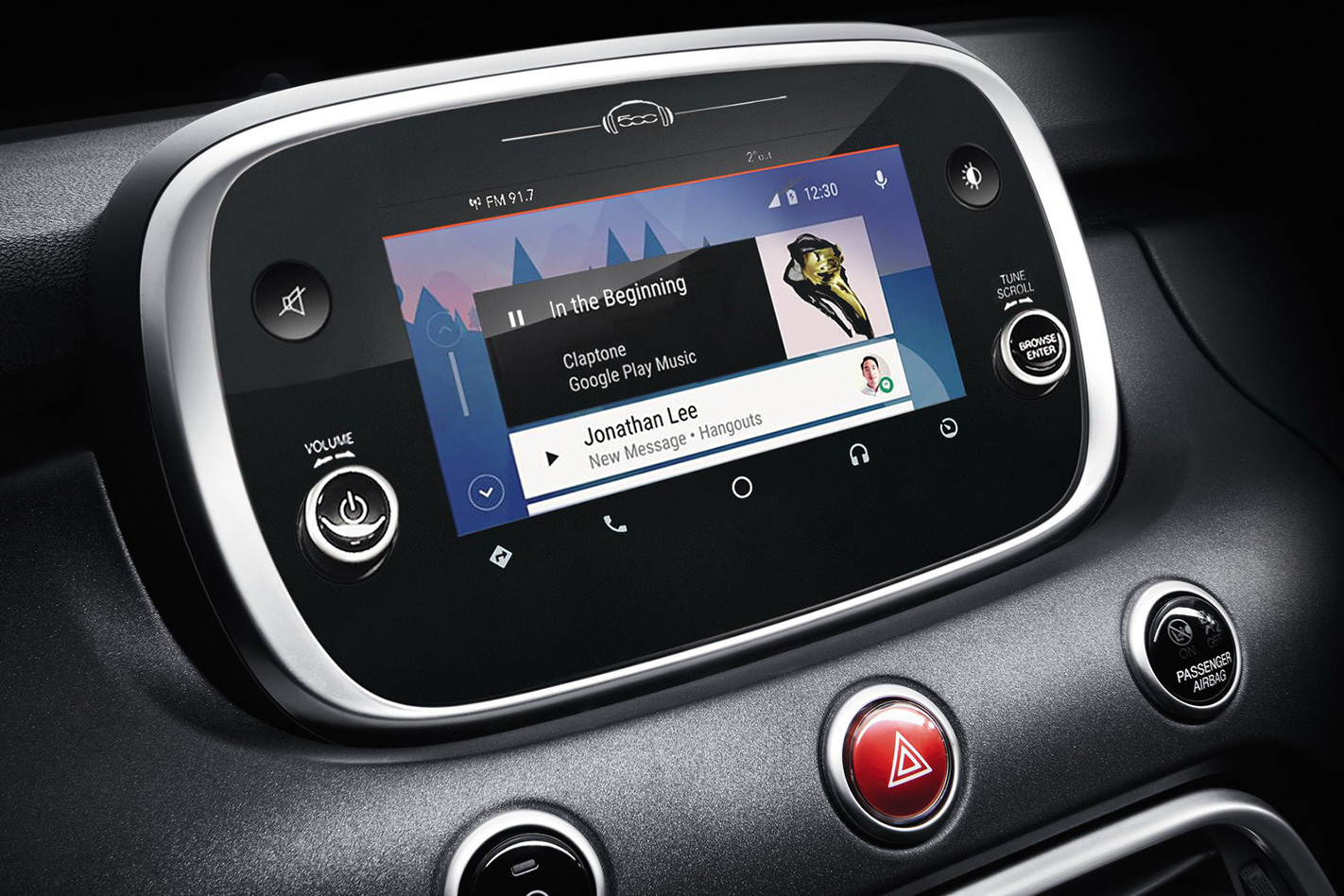
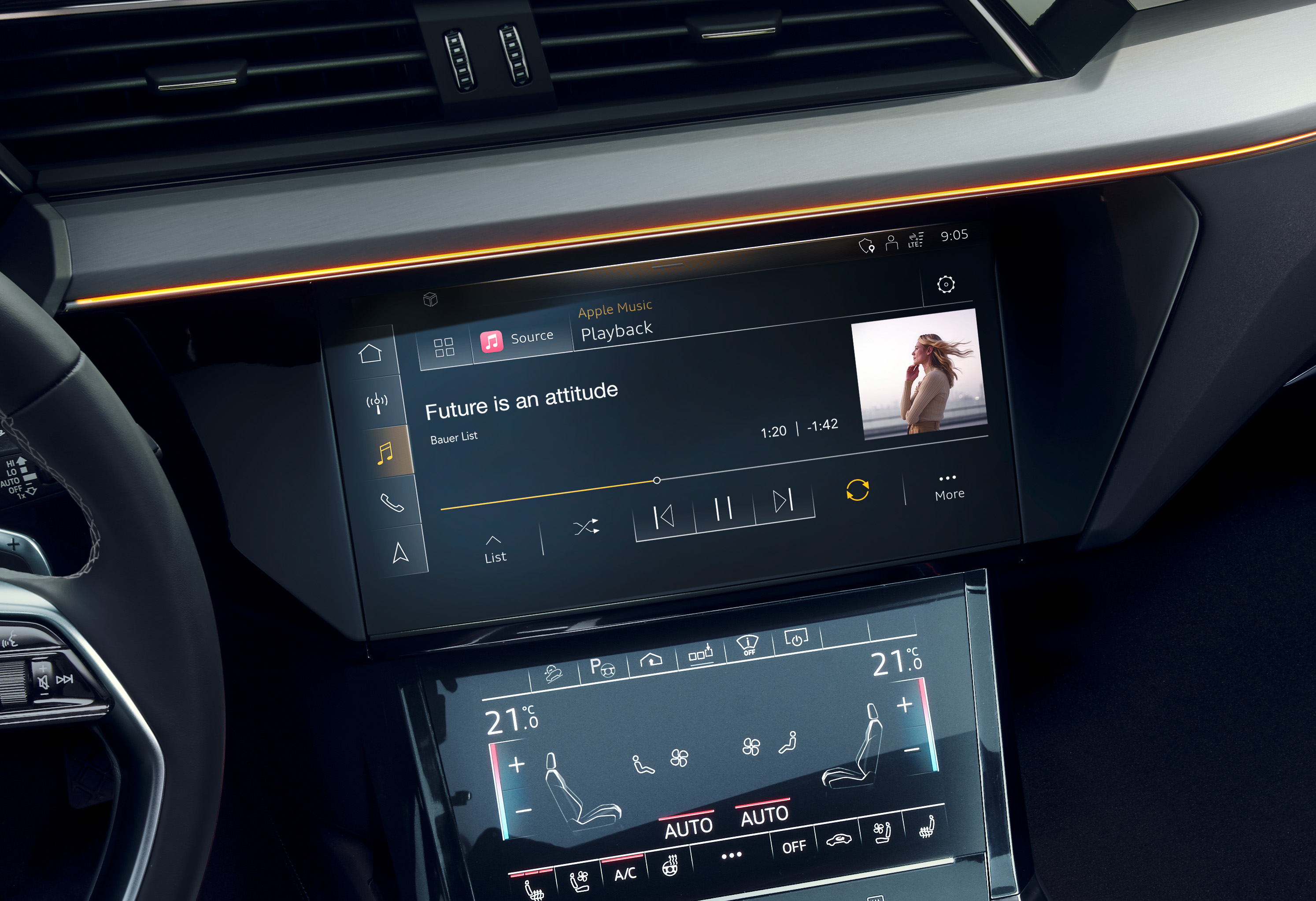
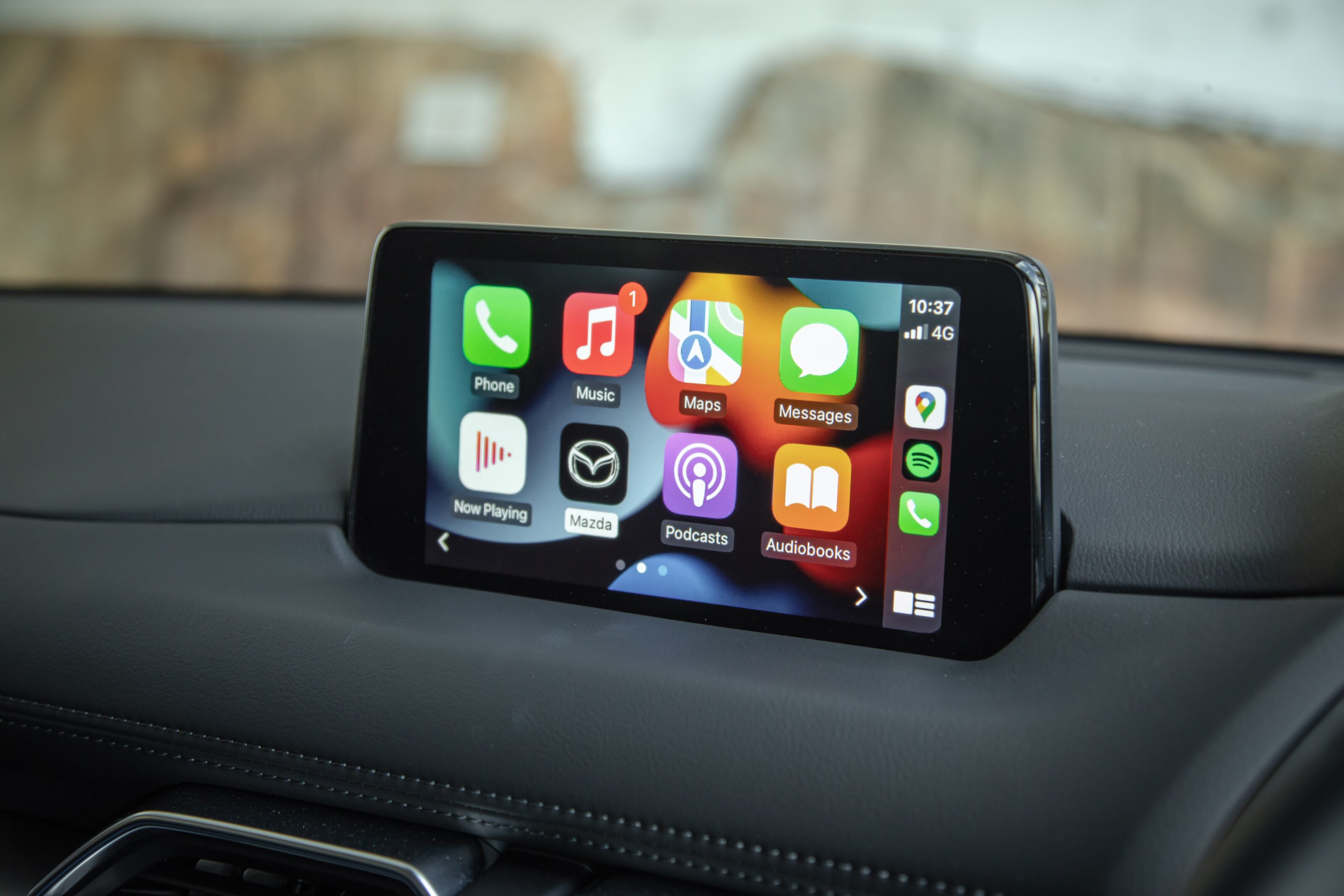
Patel also pointed out that the set-up of many modern, digitised cars contributes to driver distraction because they have to search for the music instead of playing it with the push of a button. “You unlock the phone, open the app, find the release, read down a tracklist, tap the right song. That’s several seconds of looking at a screen,” he said, adding that the increase was seen “almost entirely among drivers who were alone” and couldn’t get a passenger to take over the process.
Follow WhichCar/Wheels on Google
Click the button below to make WhichCar by Wheels a preferred source for your news.