News
Gallery 1
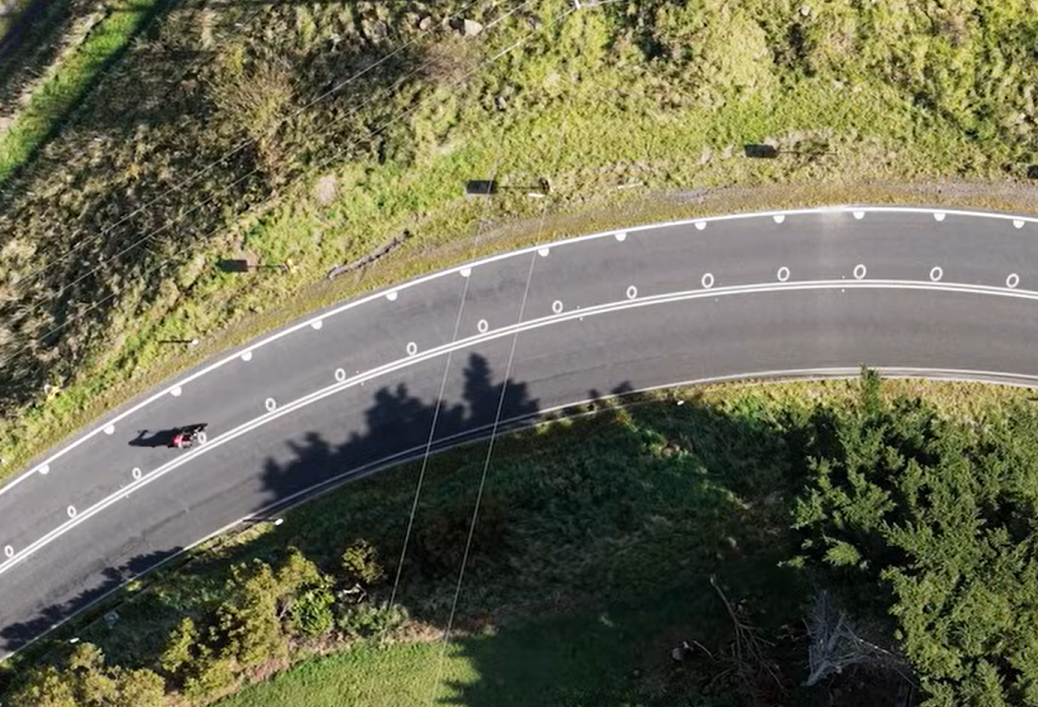
Motorists and motorcyclists are encountering unusual circular markings on Australian roads as part of a national trial aimed at reducing serious crashes on bends.
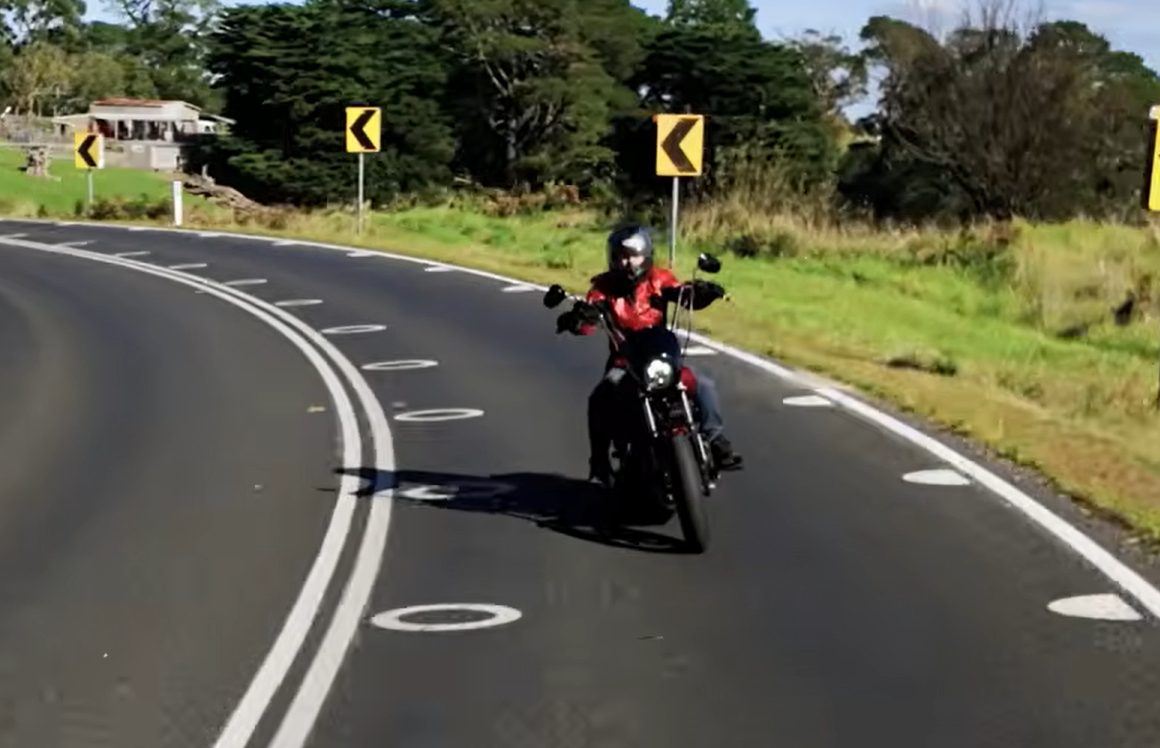
Known as Perceptual Countermeasures, or PCM, the markings are designed to subtly influence the way motorcyclists, in particular, perceive the road, encouraging them to reduce speed and adopt a safer position as they travel through corners.
The national project is being led by the Centre for Automotive Safety Research (CASR) and has received Commonwealth funding through the National Road Safety Action Grants Program. Trials are taking place in Victoria, NSW, Queensland and Tasmania.
1
Victoria has installed the markings at four locations in Gippsland, all on popular motorcycling routes. Transport Victoria says the sites feature semi-tight right-hand bends considered to present a higher motorcycle crash risk. Selection also took into account previous crashes, corner sharpness, speed and advisory limits, the popularity of the route and existing safety treatments.
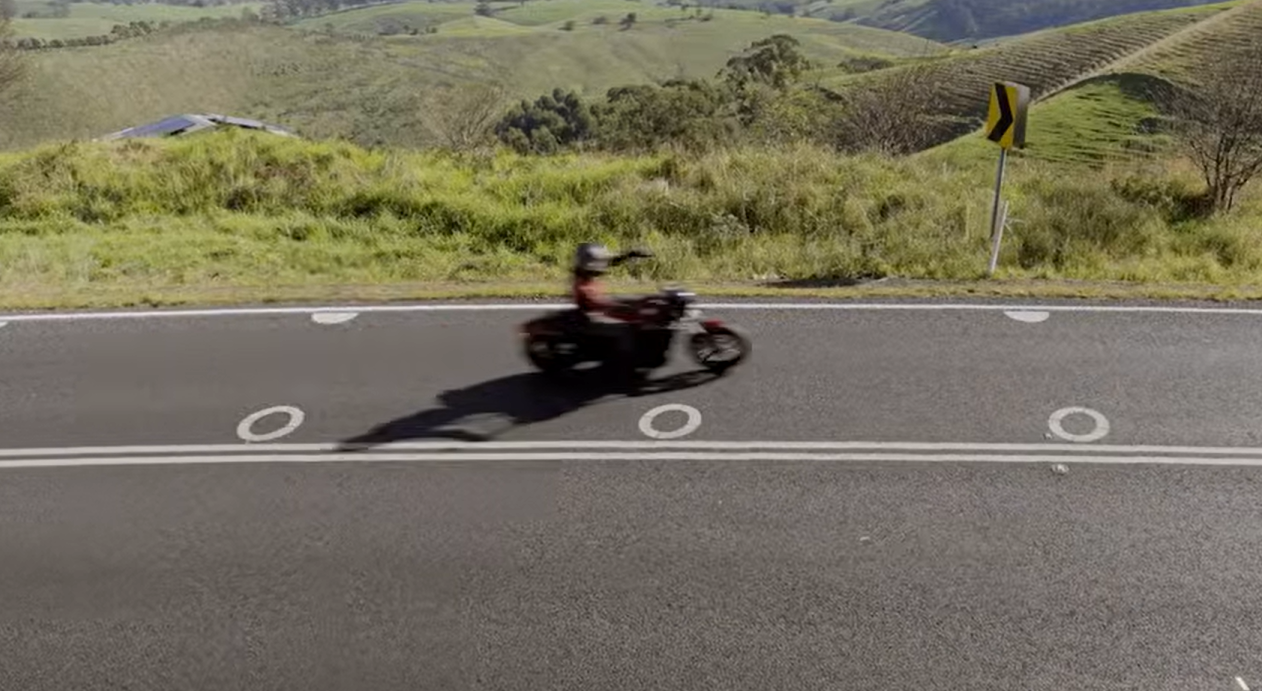
Right-hand bends are a particular concern because riders can unintentionally drift towards or across the centre line, potentially putting them in the path of an approaching vehicle.
The markings encourage the established “start wide, finish tight” riding technique. Riders enter the corner from a wider position within their lane before progressively moving towards the inside as they exit, helping provide a greater margin from oncoming traffic around the apex.
There is already evidence that the idea can work. A 2023 Austroads study found more than half of riders were travelling close to the centre line at the apex before similar markings were installed. Afterwards, only a small proportion continued to do so. Similar treatments have also been tested overseas, including in Scotland and Austria, where a 2019 study recorded motorcycle crash reductions of up to 80 per cent at some treated bends.
Although primarily aimed at motorcyclists, the markings could benefit other road users by reducing the likelihood of motorcycles crossing into opposing traffic. They can also provide an additional visual cue that a tighter bend is approaching.
1
Importantly, the Victorian trial has been structured to determine whether the markings themselves make the difference. Each of the four treated corners has been paired with a nearby control site with similar road and corner characteristics but no PCM markings.
The markings were installed in February 2026. A short-term assessment began in March, with a 12-month study scheduled from October and the final report due in early 2027. The findings will help determine whether the treatment could be used more widely on Victoria’s higher-risk motorcycle routes.
Follow WhichCar/Wheels on Google
Click the button below to make WhichCar by Wheels a preferred source for your news.


We recommend
-
 Features
The Wheels Interview: Dr Stuart Newstead, safety expert, on why Australia’s road toll remains so high
Dr Stuart Newstead is one of Australia’s foremost experts on road safety, who has some pointed things to say about a country where car-related deaths are going up, not down, despite public safety campaigns and crash avoidance technology.
-
 News
NewsAussie state launches review of dangerous driving laws amid calls for tougher penalties
State government to examine whether existing offences and penalties go far enough to hold dangerous drivers accountable after fatal crashes.
-
 News
NewsAlarming recall trend hits millions of vehicles that could catch fire when they're not running
Recall notices are on the rise as new technologies add to the potential fire risk in some models.