
News

Gallery 1
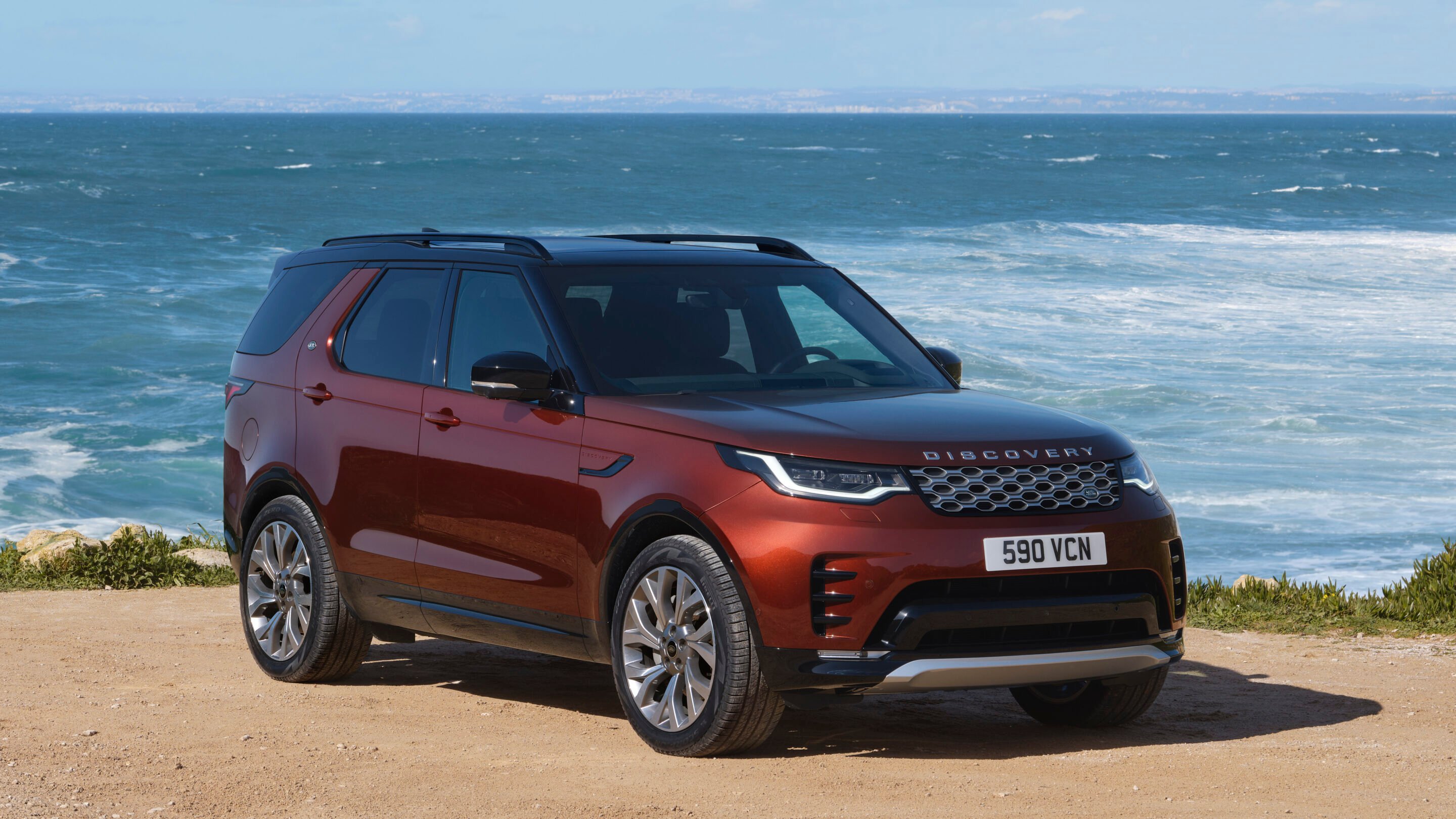
Land Rover‘s Discovery could be heading for its biggest transformation yet, with Jaguar Land Rover (JLR) considering a radical rethink of the long-serving family SUV to distinguish it from the increasingly popular Defender.
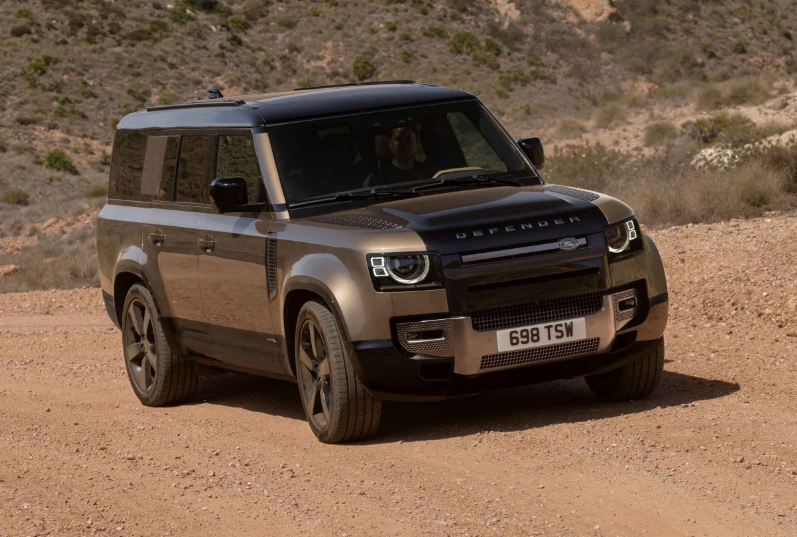
The British manufacturer has told our mates at AutoExpress that development work on the next-generation Discovery is progressing, although its final design and positioning have yet to be decided. The challenge facing JLR is that the Defender has increasingly encroached on Discovery territory, offering the same combination of off-road capability, family practicality and everyday comfort that once made the Discovery stand out.
7
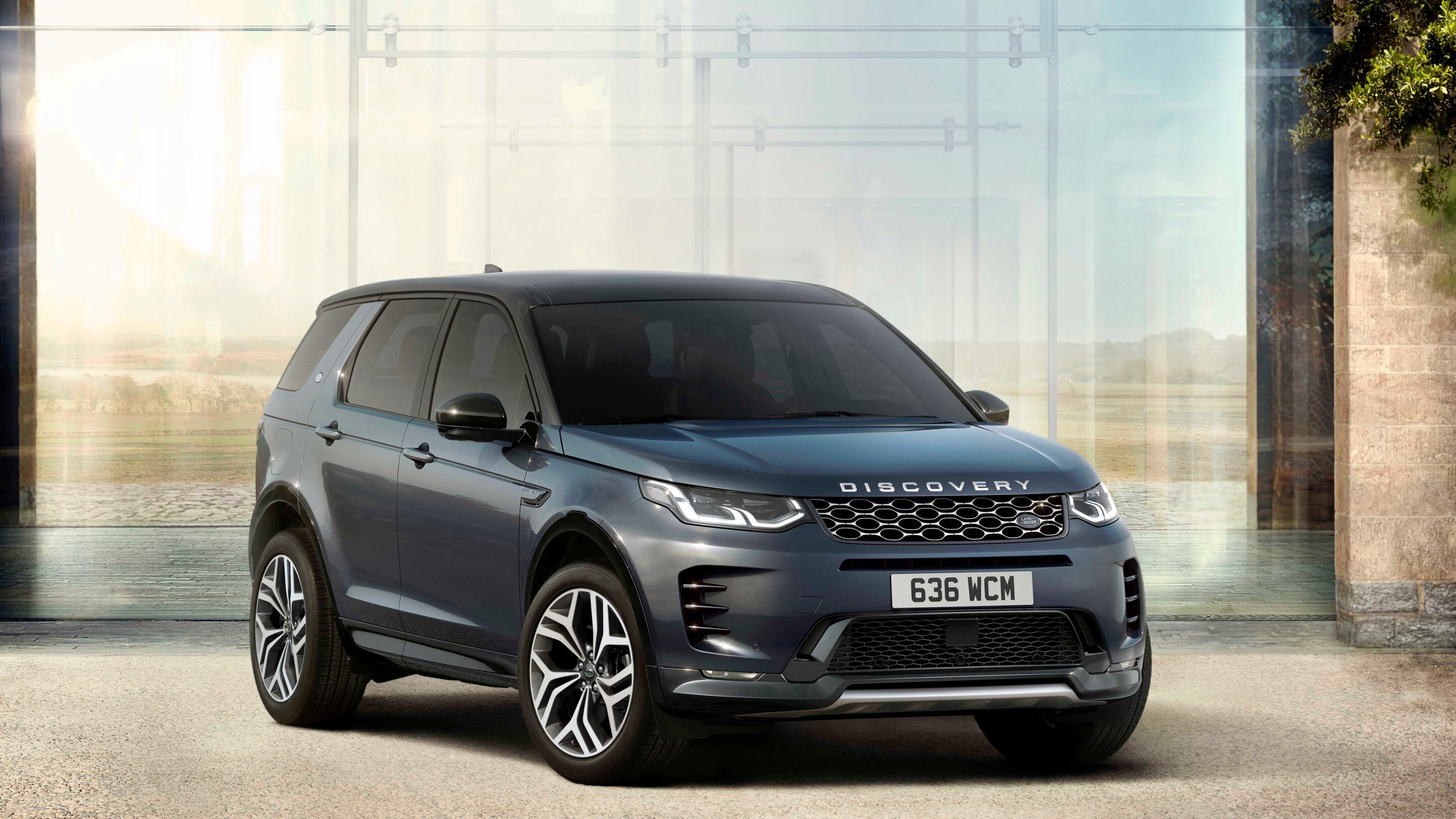
Launched in 2017, the current fifth-generation Discovery has consequently struggled to establish a distinct identity alongside its more fashionable stablemate. JLR is determined to change that under its House of Brands strategy, which gives Jaguar, Range Rover, Defender and Discovery separate identities and target audiences.
Range Rover managing director Martin Limpert explained that Discovery would concentrate on versatility, family adventures and long-distance travel.
“Discovery will be much more in the place of versatility, family and where the journey is,” Limpert said. “The strategic proposition [for Discovery] is versatility, family joy and flexibility, and long-distance journeys for the family.”
JLR vehicle engineering director Matt Becker confirmed that the Discovery’s future was receiving considerable attention, with several potential designs already under consideration.
“Discovery is getting a lot of attention at the moment. It’s very important as one of the four brands,” Becker said. “There are some very interesting concepts I’ve seen, but we haven’t landed exactly on what it will be in the future yet.”
Rather than producing another conventional off-roader, Becker suggested JLR could create something entirely different to occupy its own space in the market. That opens the possibility of a lower, more road-focused vehicle combining SUV styling with the spaciousness and flexibility of a people mover.
A three-row cabin would make sense given Discovery’s traditional appeal to families, although JLR has yet to confirm any design or seating details. One possible influence is the forthcoming electric Range Rover GT, expected in 2027. Its lower, more car-like proportions demonstrate JLR’s willingness to move beyond traditional SUV designs without abandoning off-road ability.
5
The GT will also introduce JLR’s Electric Modular Architecture (EMA), which could potentially underpin a future electric Discovery. That platform is expected to accommodate vehicles approaching five metres in length, providing sufficient scope for a spacious family model.
An electric Discovery therefore appears increasingly plausible, although combustion and hybrid powertrains could also feature. JLR has emphasised the flexibility of its vehicle architectures, allowing it to offer different powertrains according to customer demand and individual markets.
With the Range Rover GT expected to gain a hybrid option in 2028, a similarly varied powertrain line-up for Discovery would fit that strategy.
For now, JLR is keeping the details under wraps, but one thing is becoming clear: the next Discovery is unlikely to be simply another traditional seven-seat off-roader.
Follow WhichCar/Wheels on Google
Click the button below to make WhichCar by Wheels a preferred source for your news.

We recommend
-
 News
Another car giant slashes thousands of jobs as industry squeeze deepens
Jaguar Land Rover will axe 4000 positions as it cuts costs, joining Volkswagen and other legacy manufacturers shrinking their workforces amid mounting industry pressures.
-
 News
Jaguar Land Rover’s influential design boss, Gerry McGovern, officially departs
In December 2025, Autocar broke the news that Gerry McGovern had been asked to step down, and now it’s been made official.
