News
Gallery 1
Toyota and Hyundai have been identified as the two car manufacturers being investigated by Australia’s privacy watchdog over concerns about the amount of personal information collected by connected vehicles, several months after the regulator confirmed it had launched formal investigations but declined to name the companies.
Earlier this year, the Office of the Australian Information Commissioner (OAIC) revealed it was investigating two Asia-based vehicle manufacturers to determine whether they were collecting more personal information than necessary through their connected-car systems. At the time, Privacy Commissioner Carly Kind told Senate Estimates the investigations were examining whether the companies were harvesting excessive data and how that information was being used.
1
Consumer advocacy group CHOICE has now identified the two brands as Toyota and Hyundai in an update to its 2024 investigation into connected vehicle privacy. According to CHOICE, the OAIC probe is examining whether the personal information collected by the companies goes beyond what is required for vehicle functions, with the findings expected to have broader implications for the automotive industry.
The regulator has indicated the investigations are expected to take up to 18 months, although that timeframe could change depending on the complexity of the inquiries.
CHOICE’s original research assessed the privacy policies of 10 major car brands sold in Australia. It found Hyundai was among the brands with the most concerning data collection practices, citing the collection and sharing of biometric voice data with a third-party artificial intelligence provider. Toyota was assessed as collecting information including vehicle location, braking patterns and vehicle speed, with some of that data shared with third parties.
In response, car industry bodies such as the Australian Electric Vehicle Association (AEVA) has called on Federal government to deliver tighter data laws to protect connected car owners.
“2026 has been an unprecedented year for electric vehicle uptake in Australia, but consumers nationwide continue to be let down by insufficient data privacy legislation,” said James Pickering, AEVA President, in a media release.
“Instead of instigating fear and distrust in the connected vehicles we drive, policymakers have the power to make effective changes to protect drivers and consumer choice.”
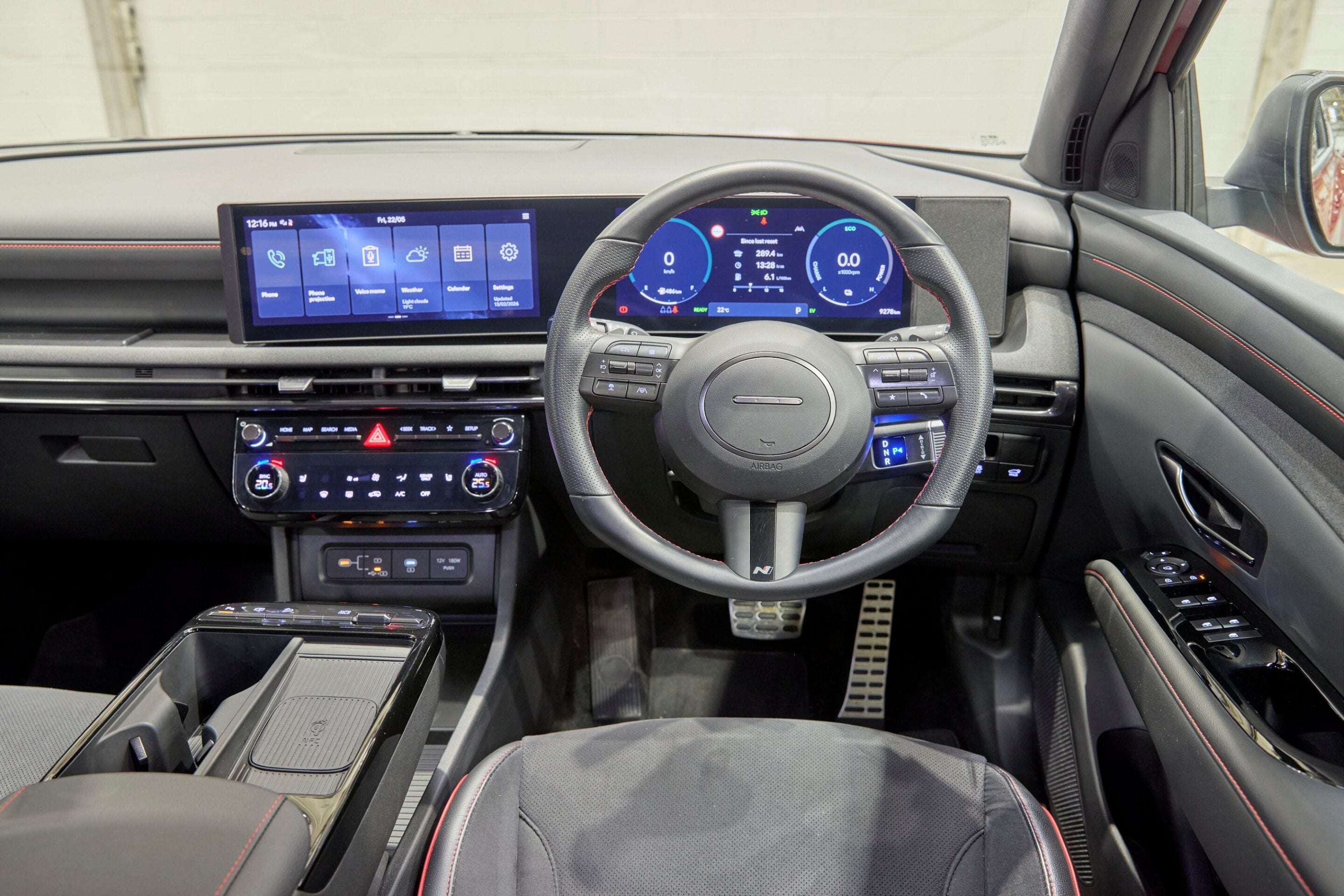
1
Both manufacturers have declined to comment on the specific investigation.
Toyota told CHOICE it would not comment while the OAIC inquiry remains ongoing. Hyundai also declined to discuss the investigation, saying only that it “takes privacy and data protection seriously”.
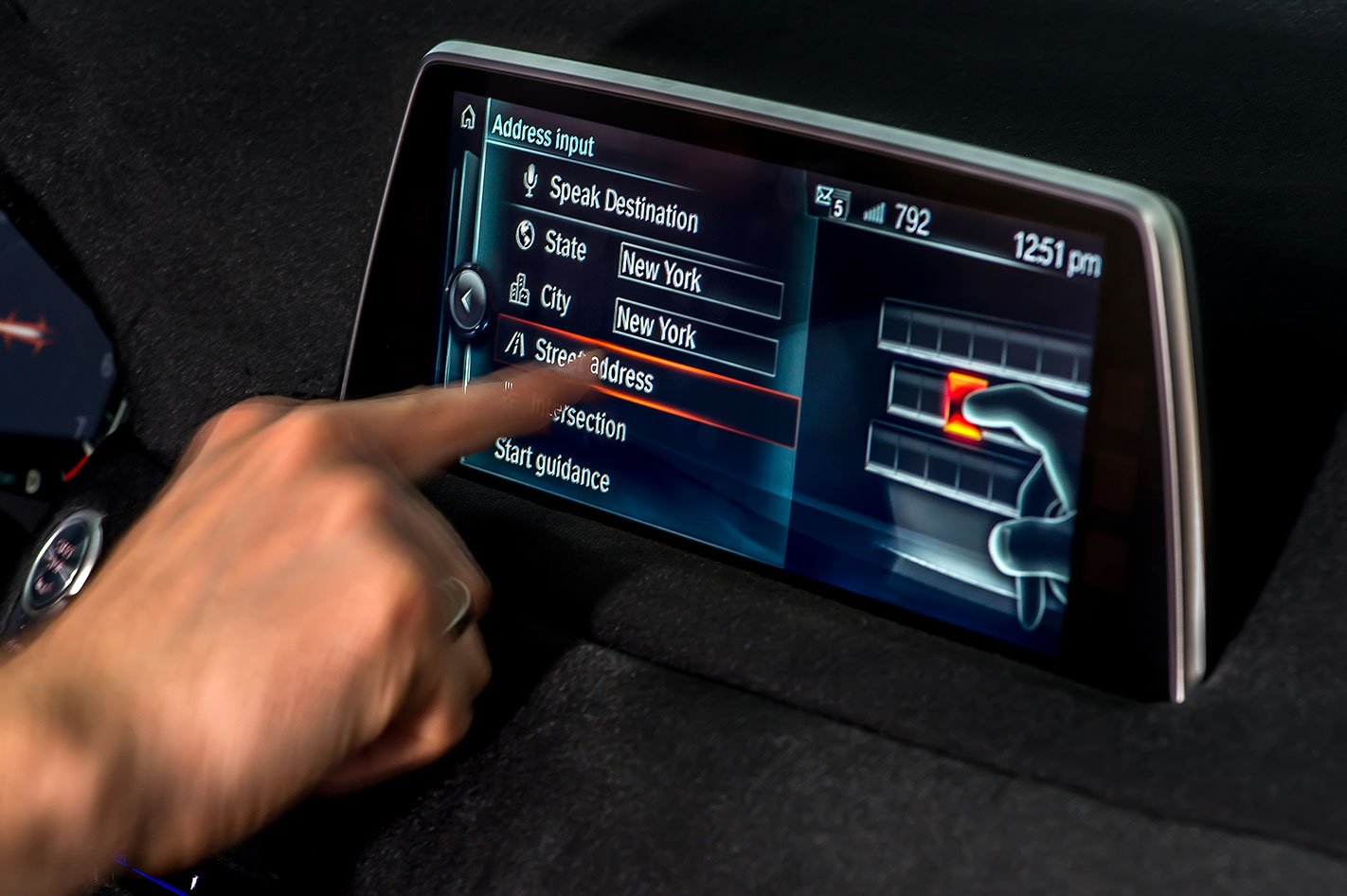
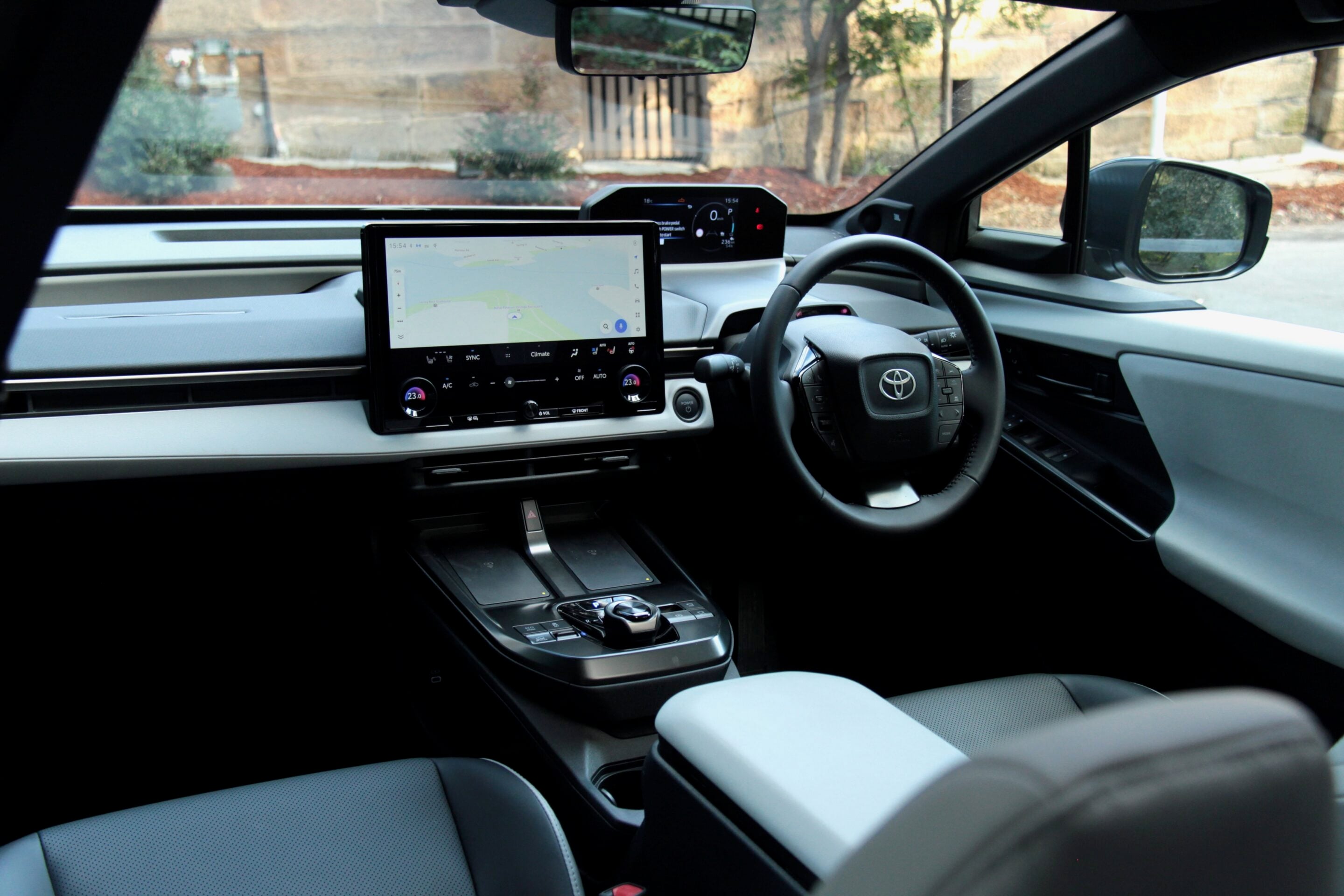
The investigation comes as connected vehicles become increasingly common, with modern cars capable of collecting data including location history, driving behaviour, infotainment usage, voice commands and information linked to connected smartphones. Privacy experts say greater transparency and clearer consent processes will become increasingly important as vehicles become more software-driven.
Follow WhichCar/Wheels on Google
Click the button below to make WhichCar by Wheels a preferred source for your news.

We recommend
-
 News
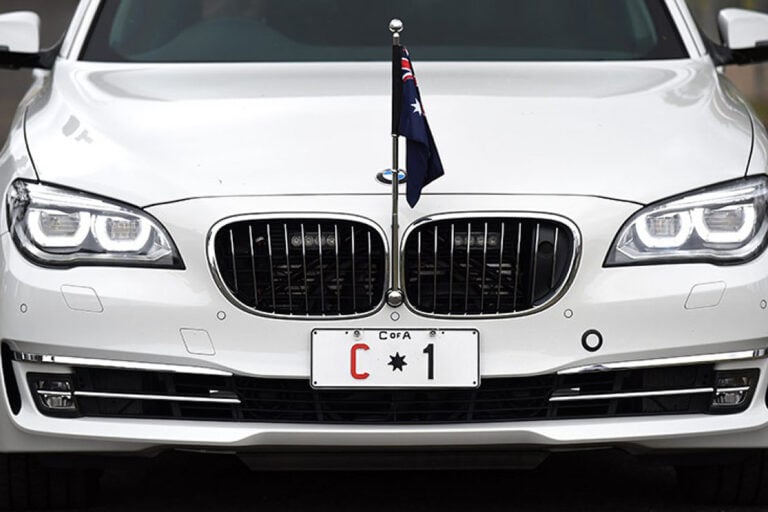
NewsASIO warns politicians and public servants against discussing secrets inside connected cars
Intelligence agency says internet-enabled cars may expose sensitive conversations as Australia embraces increasingly connected transport technology.
-
 Features
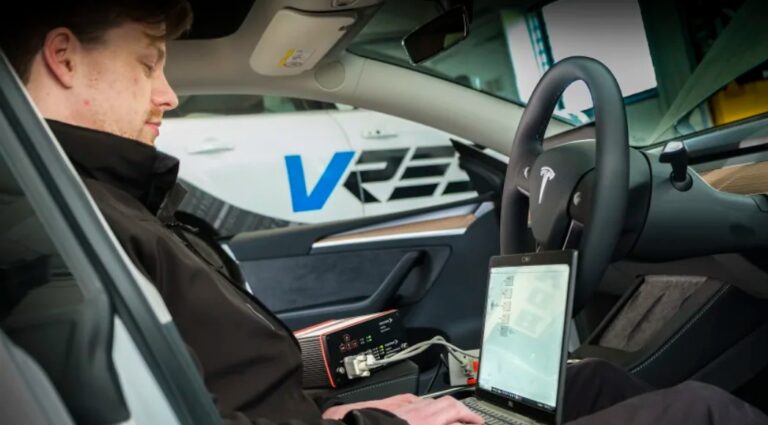
Could your car be hacked? Why connected vehicles are the next cybersecurity battleground
As modern cars become “computers on wheels”, experts warn of growing risks—from data theft to potential remote interference.