
News
Gallery 1
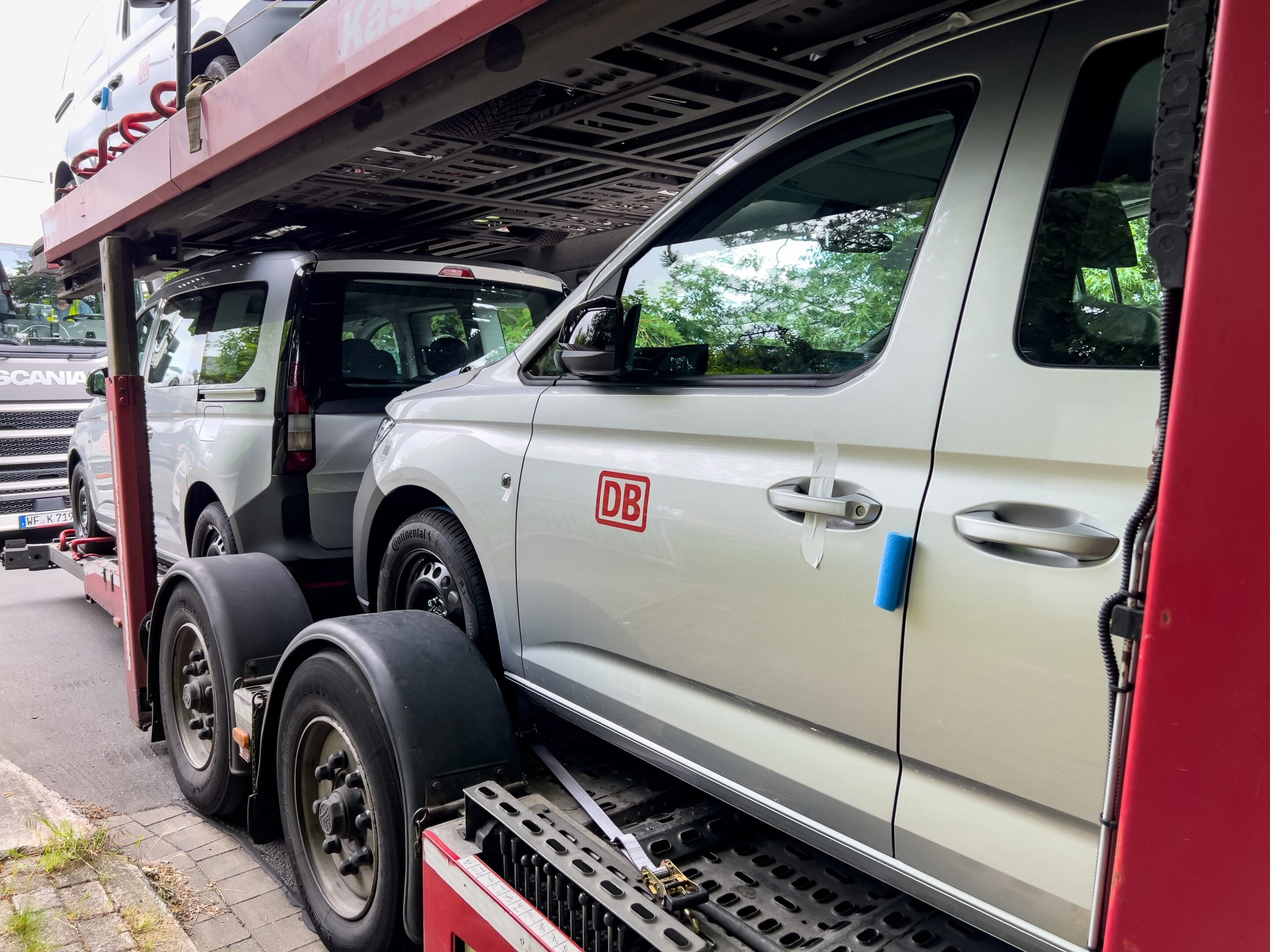
One of Volkswagen’s German car factories is set to be transformed into a defence manufacturing hub, potentially producing components for air-defence systems developed by the Israeli company behind Iron Dome.
Volkswagen has agreed key terms for the sale of its Osnabrück operation in north-west Germany to Israeli investment company Aurelius Capital and the German state of Lower Saxony, which is itself a major Volkswagen shareholder.
Aurelius would become the majority owner, with plans to progressively convert the 125-year-old site from automotive manufacturing into what Volkswagen describes as a competence centre for security and defence technology.
1
The first major project is expected to involve Rafael Advanced Defense Systems, the Israeli state-owned defence company best known as one of the developers of the Iron Dome missile-defence system.
Under the proposal, the Osnabrück factory could manufacture air-defence systems and components for Germany and other European countries, with further defence projects potentially following.
The deal remains subject to final agreements, corporate approvals and regulatory clearance. Financial terms have not been disclosed.
Volkswagen had already decided in 2024 to end vehicle production at Osnabrück by mid-2027 as part of its efforts to reduce costs and manufacturing capacity. The factory currently employs around 1800 people, with Volkswagen’s works council saying the new arrangement should secure more than 1200 positions.
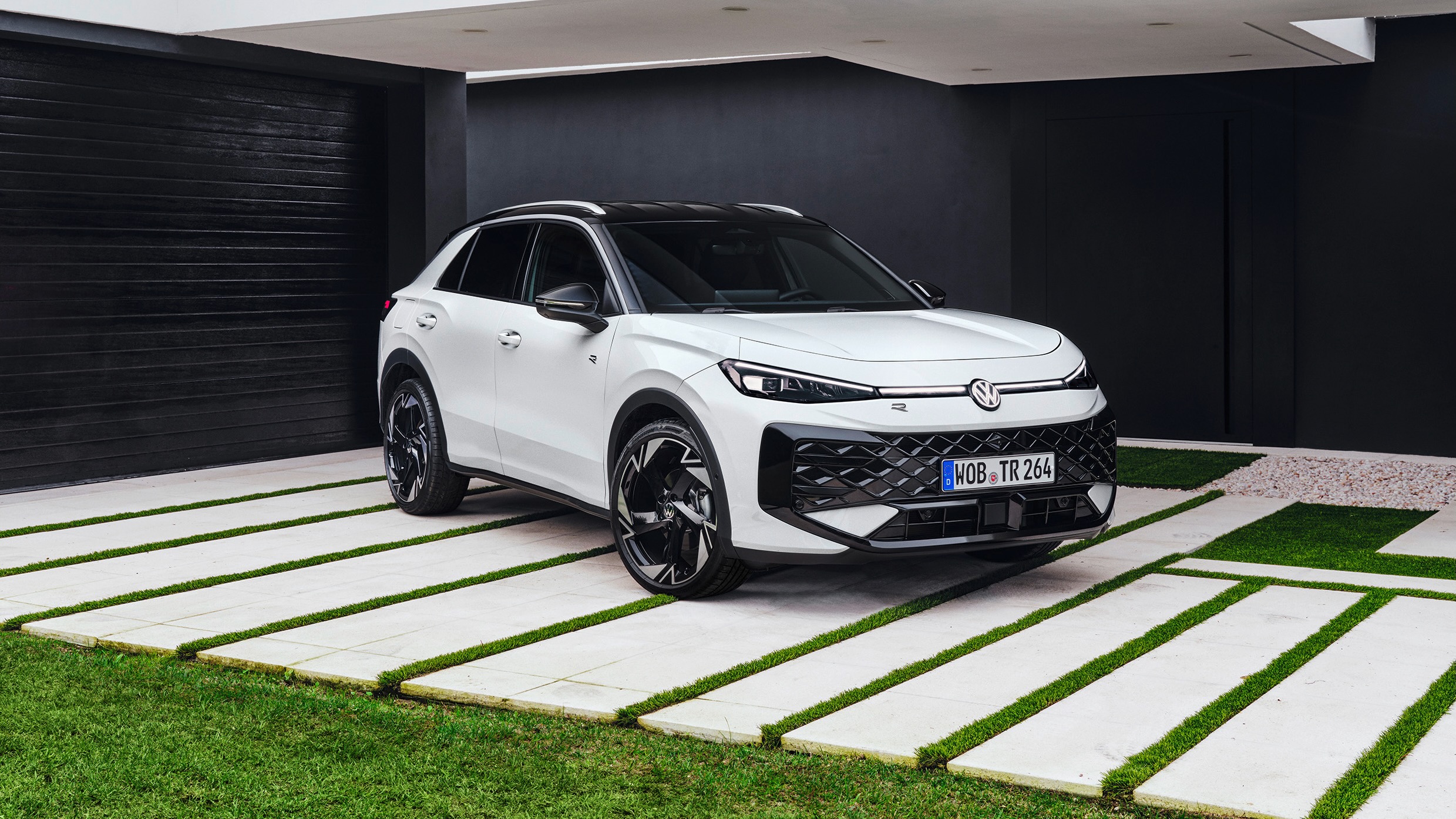
The move comes as Europe’s largest carmaker undertakes an extensive restructuring in response to high manufacturing costs, weak demand and growing competition from Chinese manufacturers.
Volkswagen recently agreed to eliminate another 50,000 positions across the group, taking planned workforce reductions to around 100,000, while the future of four additional German factories is being examined.
1
At the same time, Germany is dramatically increasing defence spending, creating opportunities to repurpose underused automotive manufacturing capacity.
The Osnabrück project could therefore provide a blueprint for other struggling car plants. Defence company Rheinmetall has already moved to convert automotive component facilities to military production, while other German automotive businesses are looking increasingly towards the defence sector.
For Osnabrück, however, the transformation will be particularly striking: a factory with more than a century of automotive history preparing to swap cars for military technology.
Follow WhichCar/Wheels on Google
Click the button below to make WhichCar by Wheels a preferred source for your news.

We recommend
-
 News
NewsVolkswagen’s list of under-threat models includes high-volume and surprisingly new models
News that Volkswagen may be preparing to cull underperforming models has firmed up, with a leaked list of vehicles that could be cut.
-
 News
NewsSee the moment a VW Polo rear-ends an obscenely expensive Bugatti Tourbillon prototype
The Bugatti isn't even in production yet, so the bingle in Spain is almost certainly the upcoming hypercar's first collision.
-
 Reviews
Volkswagen Tayron eHybrid review: Large SUV joins Tiguan sibling with hybrid drivetrain
It’s the larger brother to the Tiguan eHybrid, though it does without the extra seats of other Tayron variants. Does the Tayron eHybrid make sense?
