News
Gallery 1
Volvo is preparing its largest product expansion yet, with 13 new models due by the end of 2030 – and the Swedish brand is strongly hinting that its traditional wagon could make an electric comeback.
CEO Håkan Samuelsson outlined a strategy covering seven new models for western markets and six developed specifically for China, spanning both electric and hybrid powertrains.
While Volvo has not identified most of the vehicles, its next EV will arrive in 2027 using the SPA3 architecture introduced beneath the EX60. Unlike conventional EV skateboard platforms, SPA3 has been designed with sufficient flexibility to underpin SUVs as well as lower-bodied sedans and wagons.
1
Chief technical officer Alexander Petrofski said it would be “fantastic” for Volvo to bring wagons back, while returning design chief Thomas Ingenlath has also pointed towards the company’s heritage as inspiration for future products. A new concept, due to be revealed in the northern spring of 2027, will preview Volvo’s next design direction.
The timing coincides with Volvo’s centenary and follows the disappearance of wagons from much of its current line-up as SUVs increasingly dominate sales.
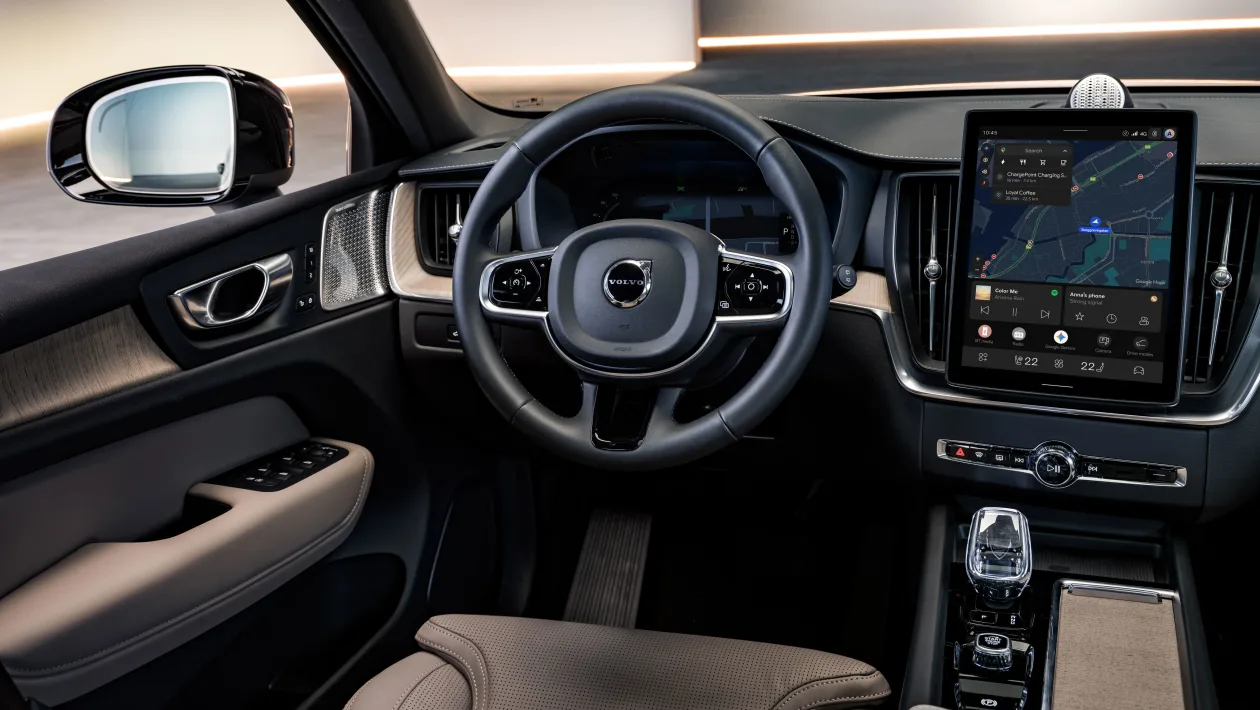
Ingenlath, who has returned to Volvo after heading sister brand Polestar, also wants future interiors to address criticism of touchscreen-heavy controls.
He acknowledged customer and media feedback that interaction with current systems is “not appreciated”, arguing that Volvo needs a better balance between digital interfaces and physical controls.
That will not mean returning to dashboards filled with switches. Instead, Volvo plans to retain touchscreens for functions suited to them while introducing tactile controls for selected operations. Ingenlath cited Leica cameras as inspiration, suggesting switches and rotary controls could use different shapes, movements and materials to make functions easier to identify without relying solely on a screen.

1
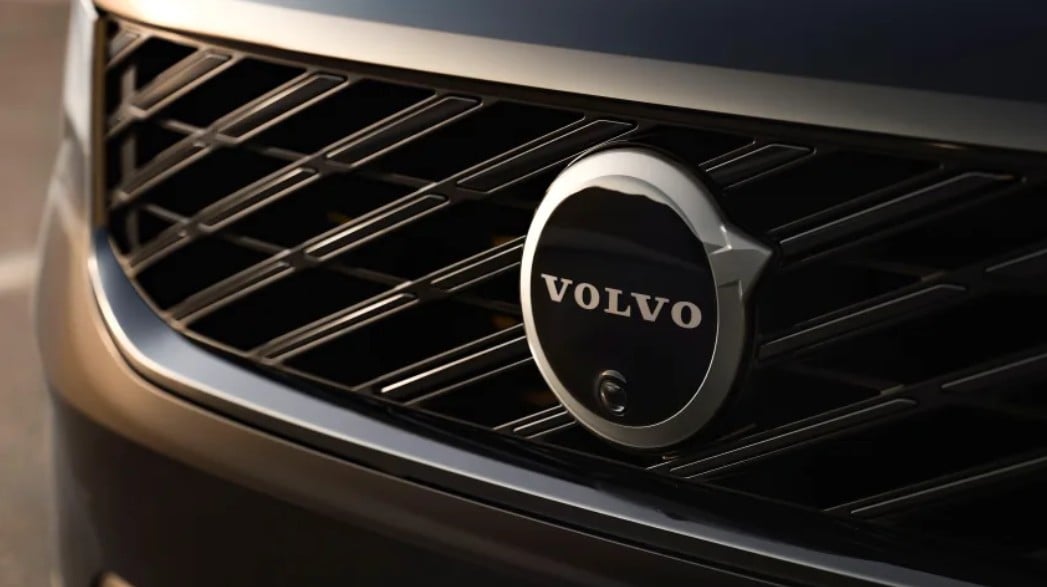
Volvo is also examining how its design can make greater use of established brand cues, potentially including a reinterpretation of its Iron Mark badge and traditional grille treatment.
Its increasingly regional product strategy will influence future models, too. Volvo sees different priorities across China, North America and Europe, while six China-specific vehicles will be developed with parent company Geely using shared platforms and technology.
Meanwhile, western-market combustion-engined and hybrid models will continue using SPA2 architecture. Volvo is also developing a third generation of hybrid technology as part of the expansion.
One confirmed future model is a new electric D-segment SUV for North America, positioned between the EX60 and seven-seat EX90.
Follow WhichCar/Wheels on Google
Click the button below to make WhichCar by Wheels a preferred source for your news.

We recommend
-
 News
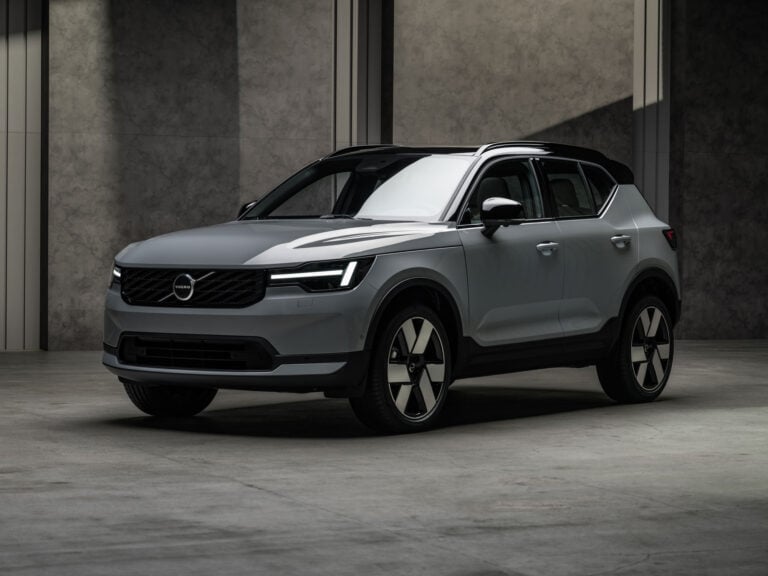
NewsVolvo gives the XC40 SUV a redesign and upgrade – with a cheaper version on the way for Australia
The Volvo facelift also extends to the electric EX40 and EC 40 models.
-
 Best Small SUVs
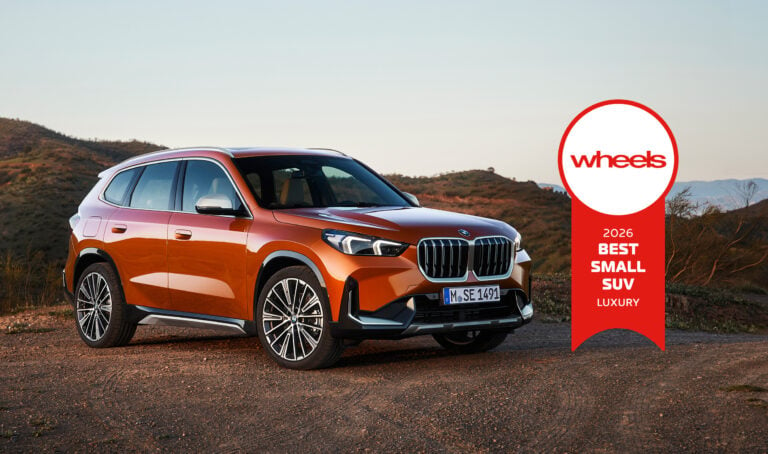
Best Small SUVs 2026: Luxury
Premium compact SUVs are evolving rapidly, with electrification, advanced technology and elevated refinement on offer for those who can afford it.