News

Gallery 1
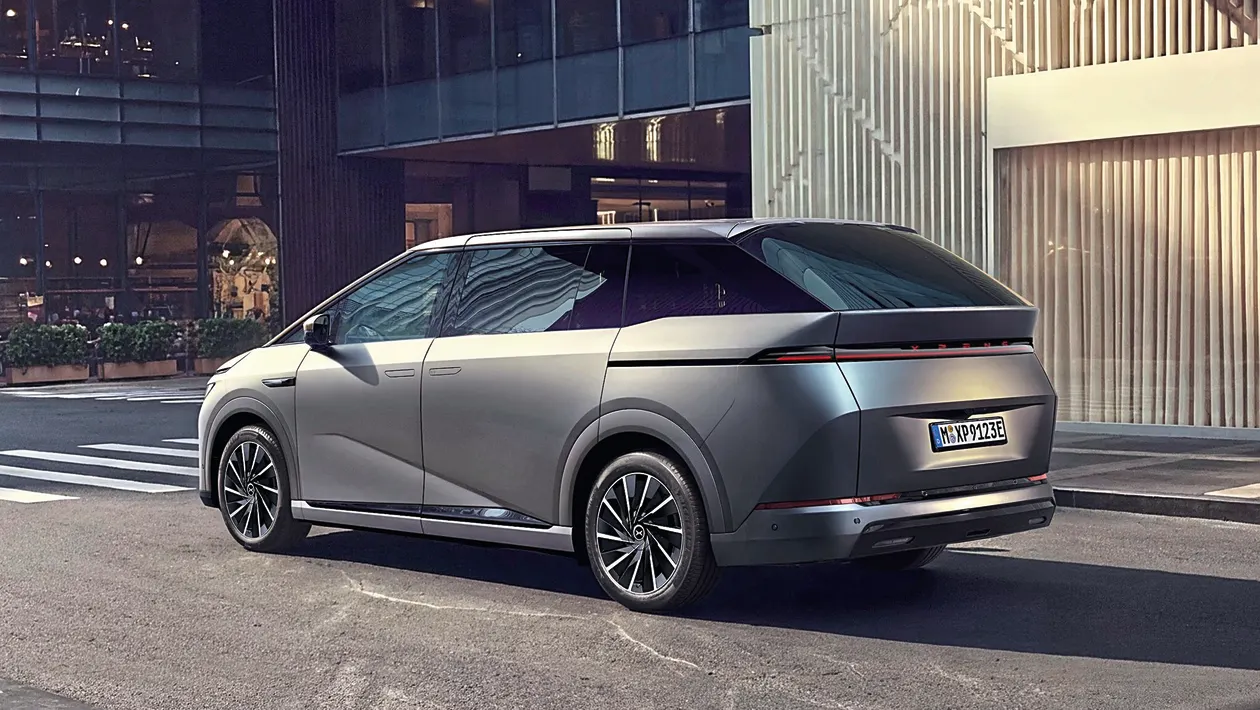
XPeng reckons its extravagant X9 can tempt buyers away from established players including Mercedes-Benz and Volkswagen. Going by the enormous range, ultra-fast charging and first-class comfort of the lavish seven-seat X9, it could well be right on the money – although some frustrating technology shows there’s still room for improvement.
Built by Magna Steyr in Graz, Austria, the seven-seat electric X9 takes aim at vehicles such as the Mercedes-Benz V-Class and VLE, Volkswagen Multivan and ID. Buzz with a combination of enormous space, cutting-edge technology and levels of comfort that will make you think you’re in business class on a brand-new jet.
The imposing exterior is dominated by full-width lighting and an unusual van-like rear, but the cabin is where the X9 makes its strongest impression. All seven seats are heated, while the first two rows offer extensive electric adjustment and the four individual front and middle-row seats feature massage functions. Second-row passengers also get XPeng’s ‘Zero-Gravity’ reclining mode, which is particularly welcome while you’re waiting for the battery to recharge.
Nappa leather and generally impressive build quality reinforce the premium feel, although there were some inconsistent seams in our test vehicle. Taller passengers may also feel a bit let down by the lack of extendable thigh support.
The second row is particularly lavish. There’s an 11-litre compartment capable of chilling drinks or keeping food warm, while a 21.4-inch entertainment screen drops from the roof. Folding tables and charging facilities for laptops and mobile devices complete the executive-lounge experience.
Even with all three rows occupied, boot capacity is 721 litres, expanding to 2250 litres. The third-row seats fold electrically into the floor, while the air suspension can lower the rear to make loading easier.
On the road, the dual-chamber air suspension delivers an impressively smooth ride over most surfaces, although sharper transverse joints and deep manhole covers can upset its composure. Rear-wheel steering gives the enormous X9 a tight 10.8-metre turning circle and makes parking surprisingly easy.
The driver-assistance technology is less convincing. It can manage motorway cruising, lane changes and stop-start traffic, but occasionally wanders between lane markings. Some controls are unnecessarily complicated, as well, with too many functions buried in the touchscreen despite a capable voice assistant.
The X9’s electrical hardware is more impressive. The Long Range version uses a huge 106kWh battery and an 800-volt electrical architecture, with DC charging at up to 520kW. In testing, a full recharge took just under 30 minutes. The Standard Range model is claimed to travel about 534km, while the Long Range stretches that to approximately 615km. An AWD version is also available with a muscular dual-motor powertrain producing around 373kW, although such firepower seems excessive in a vast luxury people mover.
The X9 isn’t perfect, but its combination of comfort, space, charging performance and technology gives Mercedes-Benz and Volkswagen plenty to think about – and its cavernous interior could also make it an intriguing option for adventurous buyers and campers.
In July, XPeng revealed the X9 will be priced from $89,990 before on-roads when it arrives in Australia in two variants: the FWD Standard Range, and the AWD Performance, which starts from $109,990.
Follow WhichCar/Wheels on Google
Click the button below to make WhichCar by Wheels a preferred source for your news.

We recommend
-
 News
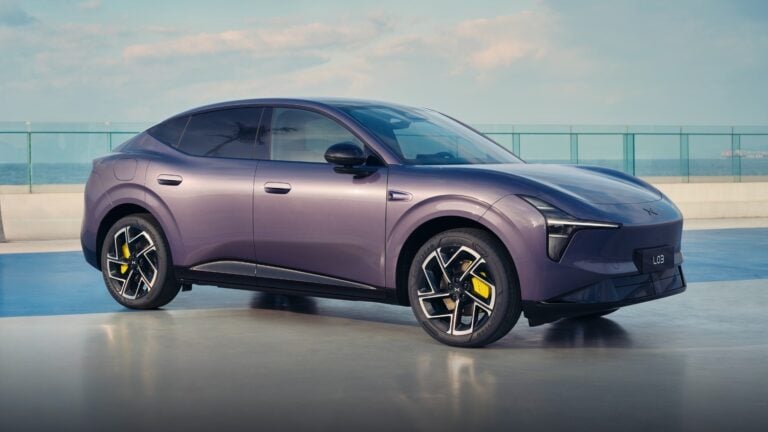
NewsXPENG L03 Aussie price and specs revealed as EV and hybrid SUV takes on Geely's EX5
The cheapest Xpeng model to sell down under is also coming for the BYD Atto 3.
-
 Reviews
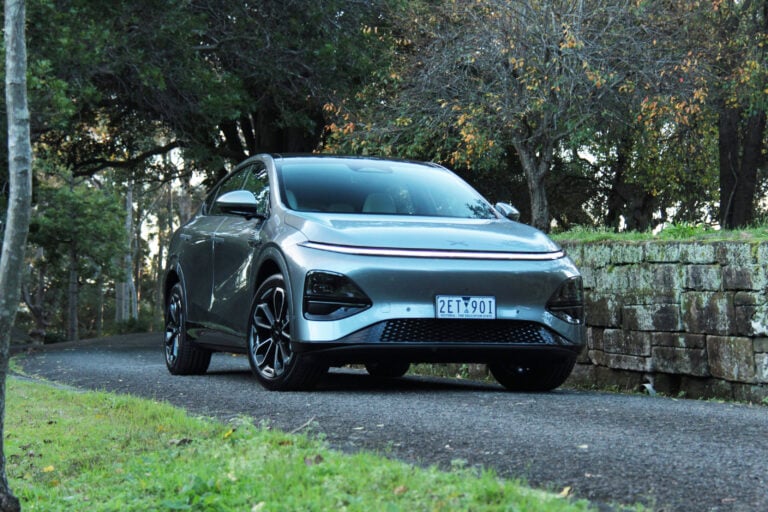
XPeng G6 review: Tesla Model Y rival now factory-backed and updated
The Chinese brand has just relaunched in Australia under factory distribution, so how does the updated XPeng G6 fair against a sea of rivals like the Tesla Model Y?