
Reviews


Gallery 1
8.4
/10
Score
Score breakdown
8.4
Safety, value and features
8.0
Comfort and space
8.5
Engine and gearbox
8.6
Ride and handling
8.6
Technology
Things we like
- Refined and powerful engines
- Commendable ride and handling
- Sumptuous cabin
Not so much
- Passenger screen a gimmick
- Head-up display redundant with new Panoramic Vision
- Overly firm middle seat in second row
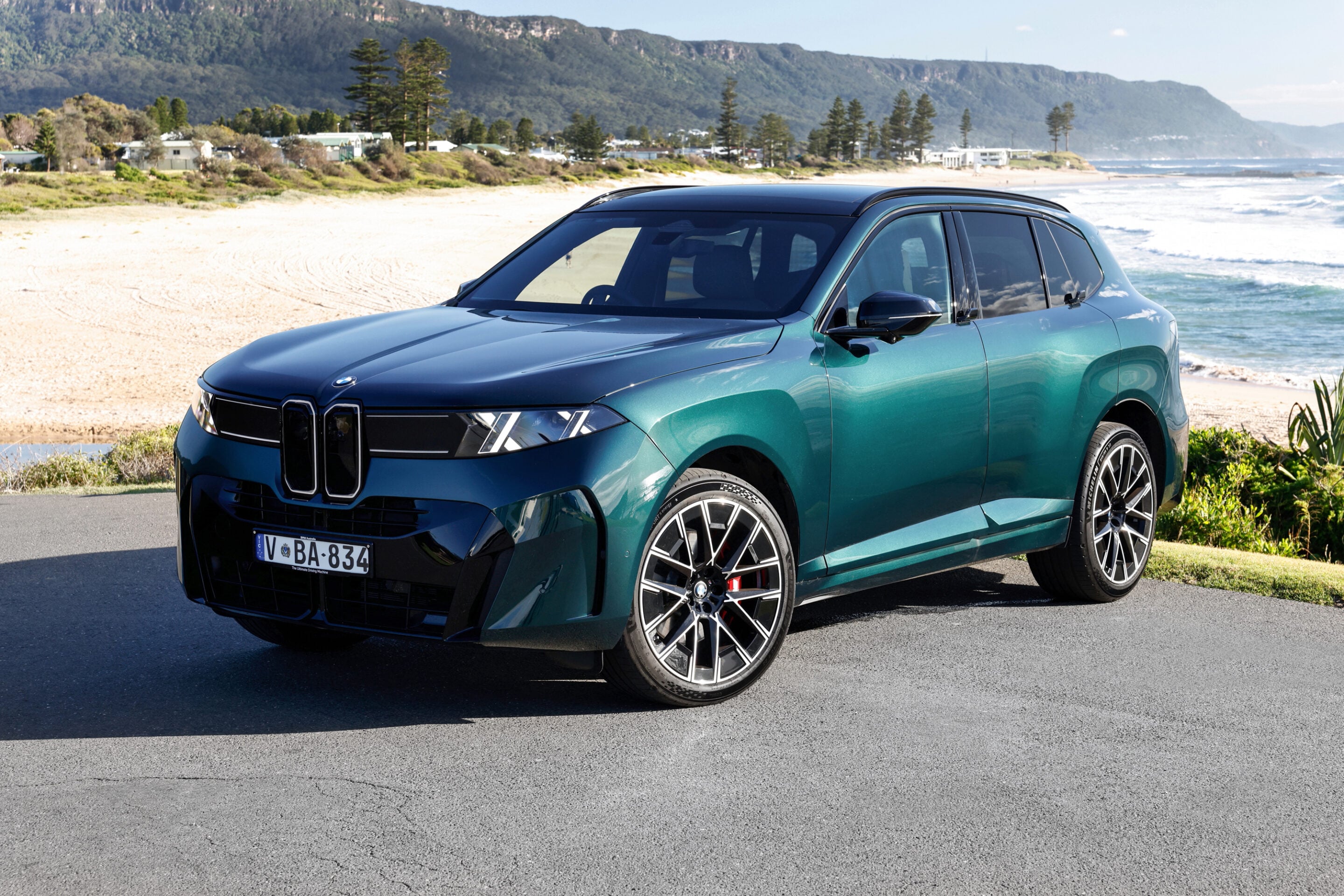
The original BMW X5 broke new ground when it launched in the dying days of last century in September 1999. While it wasn’t the first luxury SUV built on unibody foundations (the Lexus RX, introduced in 1998, predated the BMW by a year), the X5 did set new standards for what a luxury SUV could be with car-like handling and performance that set a template for those that followed.
Four generations and 3.1 million global sales (and 80,000 in Australia) later, and a new fifth-generation X5 (internal code G65) has landed in Australia bringing with it a bold new face, familiar powertrains and the promise of plug-in hybrid and full battery-electric variants over the next few months.
3
For now, BMW Australia has opted to play it safe, with just two variants making their way into local dealerships – the petrol-powered X5 40 xDrive and the über-popular diesel-driven X5 40d xDrive. How popular is diesel in Australia? According to BMW, two in every three X5s sold last year were oilers and the brand sees little change on the short-term horizon, at least until the electric iX5 and plug-in hybrid X5 50e come on stream in 2027.
“Initially, we expect diesel to be very popular,” affirmed a BMW Australia spokesperson said at the launch of the new model.
How much is the BMW X5?
Two variants have made their way to Australian dealerships to kickstart this new fifth-generation X5 revolution.
4
Underscoring BMW’s confidence in diesel, the X5 40d xDrive gets things underway with a sticker price of $143,900 before on-road costs and options, an increase of $4000 over the fourth-generation X5 30d xDrive this new model replaces.
It’s powered by an updated version of the familiar 3.0-litre turbocharged diesel inline-six, now making 230kW and 670Nm, up 20kW and 20Nm from the previous oil-burner X5. The petrol X5 40 xDrive kicks off at $145,900 plus on-roads, a $2000 increase over the G05 generation model it replaces.
Like the diesel X5, the new 40 xDrive enjoys a power and torque bump over the older model, now rated at 294kW and 540Nm, up 14kW and 20Nm respectively.
So, fractionally more expensive than before, but there is value to be found in those increases.
What standard features does the BMW X5 have?
Plenty, is the short answer. Both petrol and diesel X5 variants are filled to the gunnels with the type of kit befitting a big, luxury SUV. Some were previously only available as optional extras, such as the M Sport styling package and a ballsy 18-speaker Bowers & Wilkins sound system, going some way to justifying the modest price increases across the range.
4
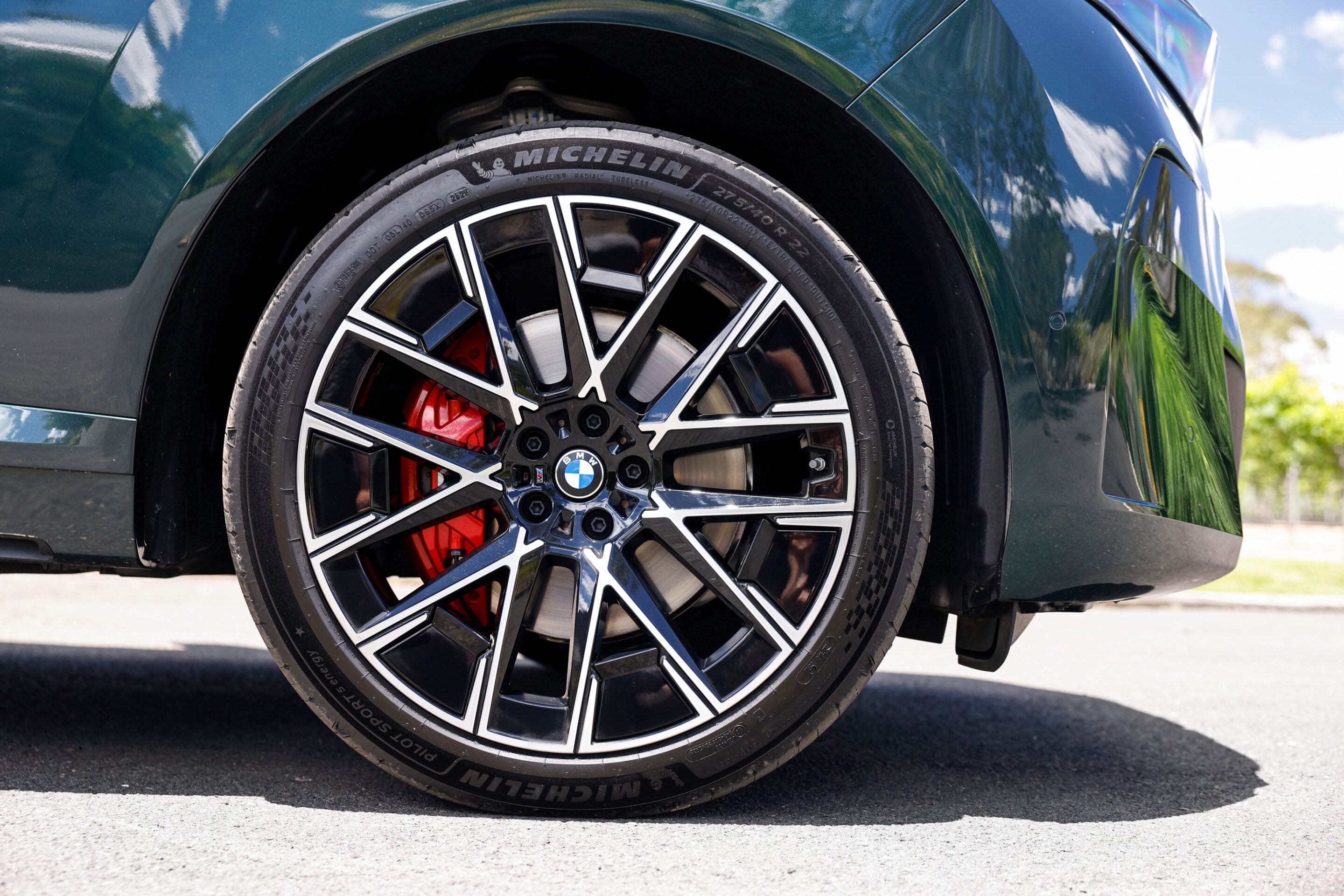
An impressive 17.9-inch central infotainment screen, another 14.6-inch touchscreen on the passenger side, Veganza faux-leather seats, heated and ventilated up front, 21-inch alloy wheels, a panoramic glass roof, and adaptive M Suspension are just some of the goodies BMW has thrown at its new-gen X5.
Add in the brand’s innovative and excellent Panoramic Vision driver display, soft-close doors, wireless smartphone charging, the usual smartphone integration options, and a genuine leather steering wheel available across a number of designs at no extra cost, and the value equation quickly starts to make sense.
Is there anything interesting about the BMW X5’s design?
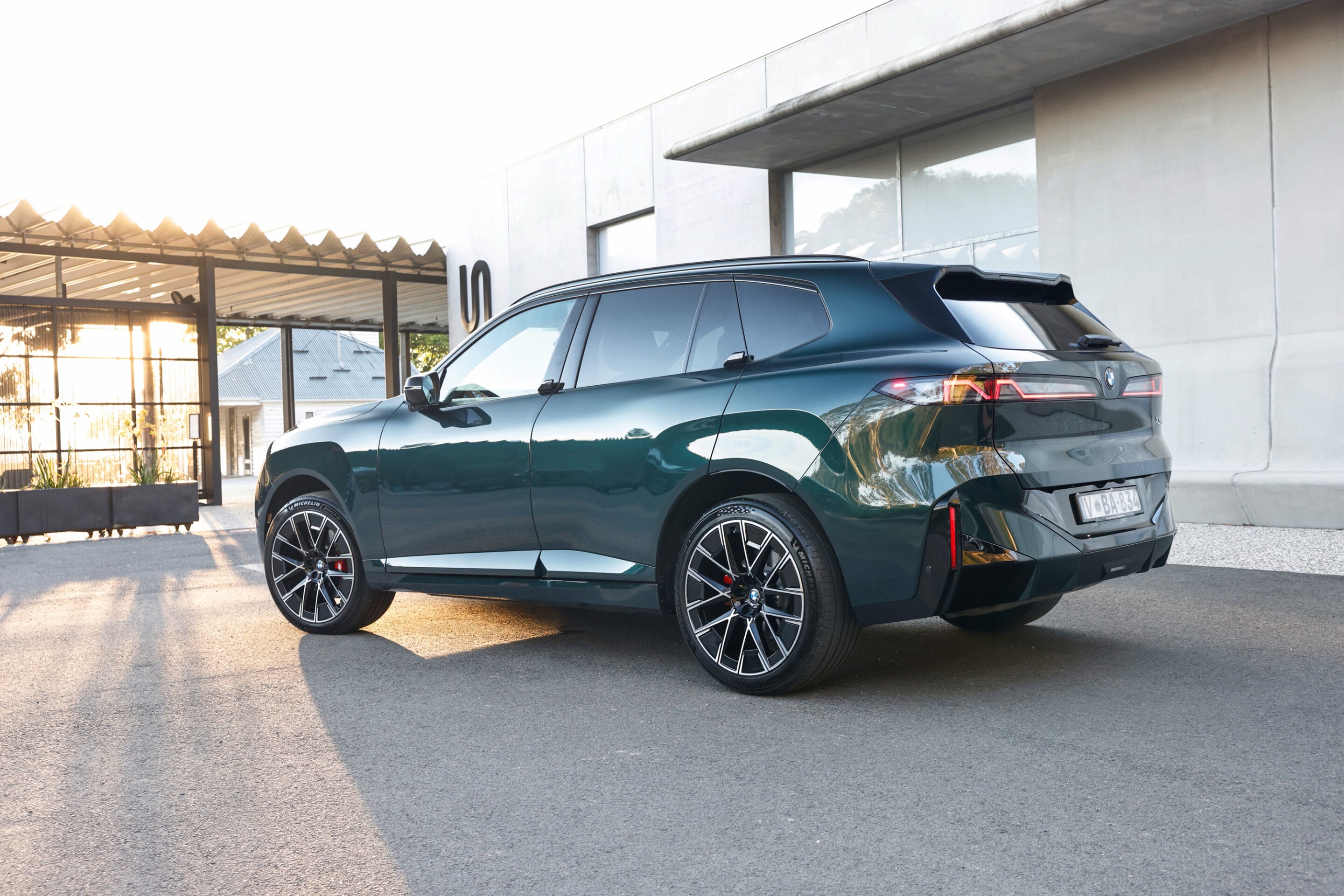
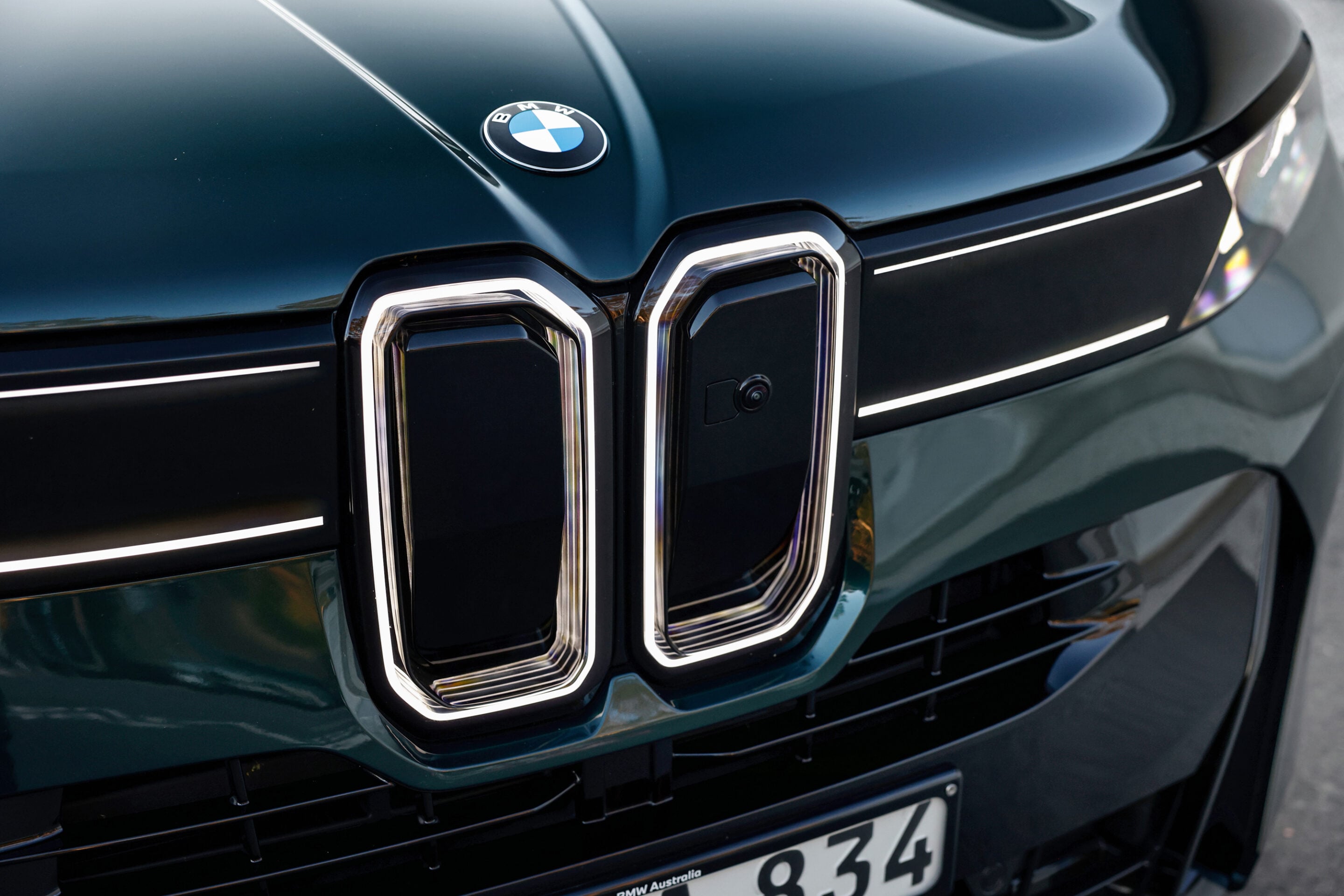
The new X5 bears little resemblance to the model it replaces. Adopting BMW’s Neue Klasse design language, the new X5 has gone on something of a growth spurt, now 72mm longer than the outgoing model. The wheelbase has been lengthened too, stopping the tape at 3035mm, an increase of 60mm.
3
Up front, the nose has been reprofiled, now sitting higher and more upright than previously, lending the new model a blunter face.
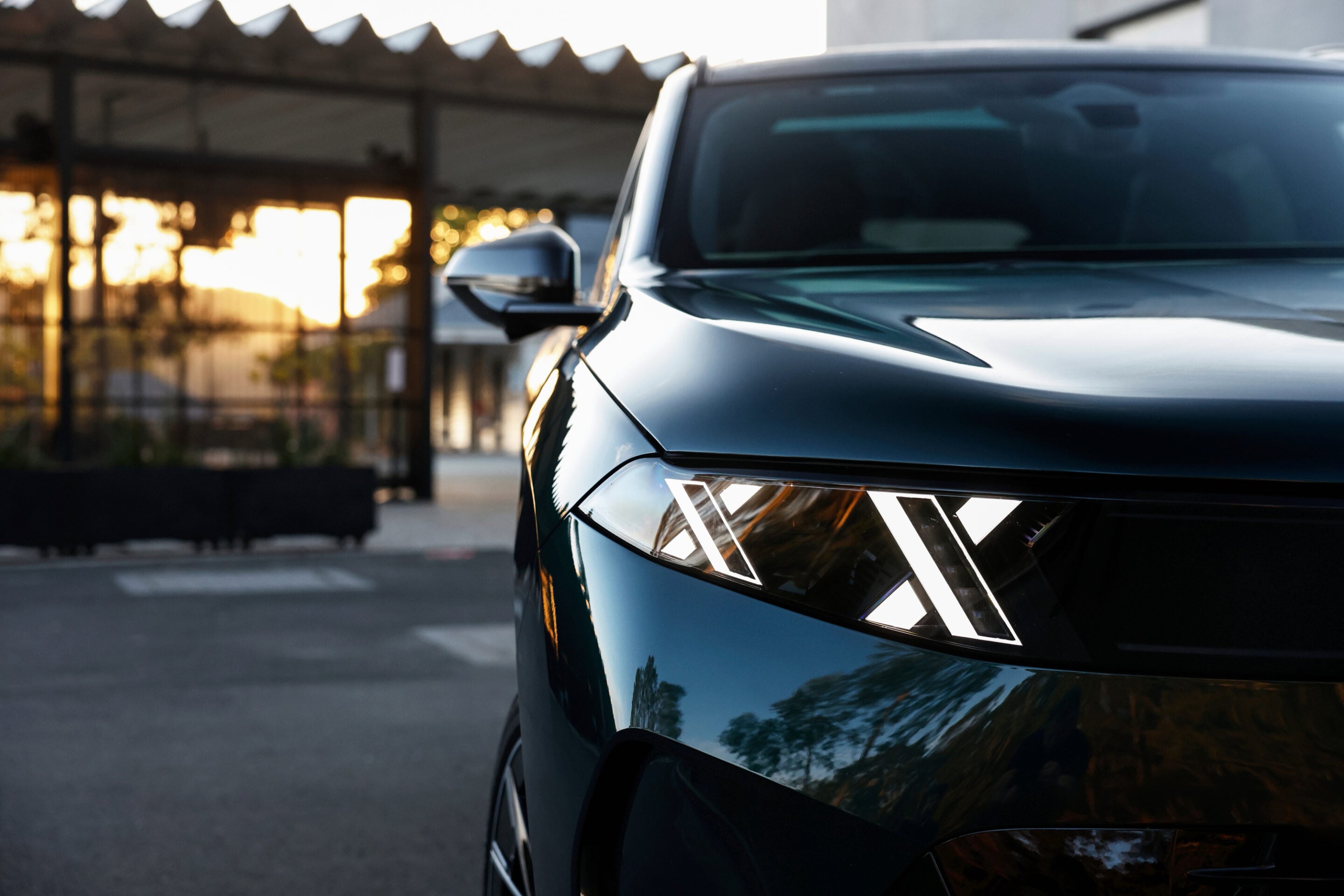
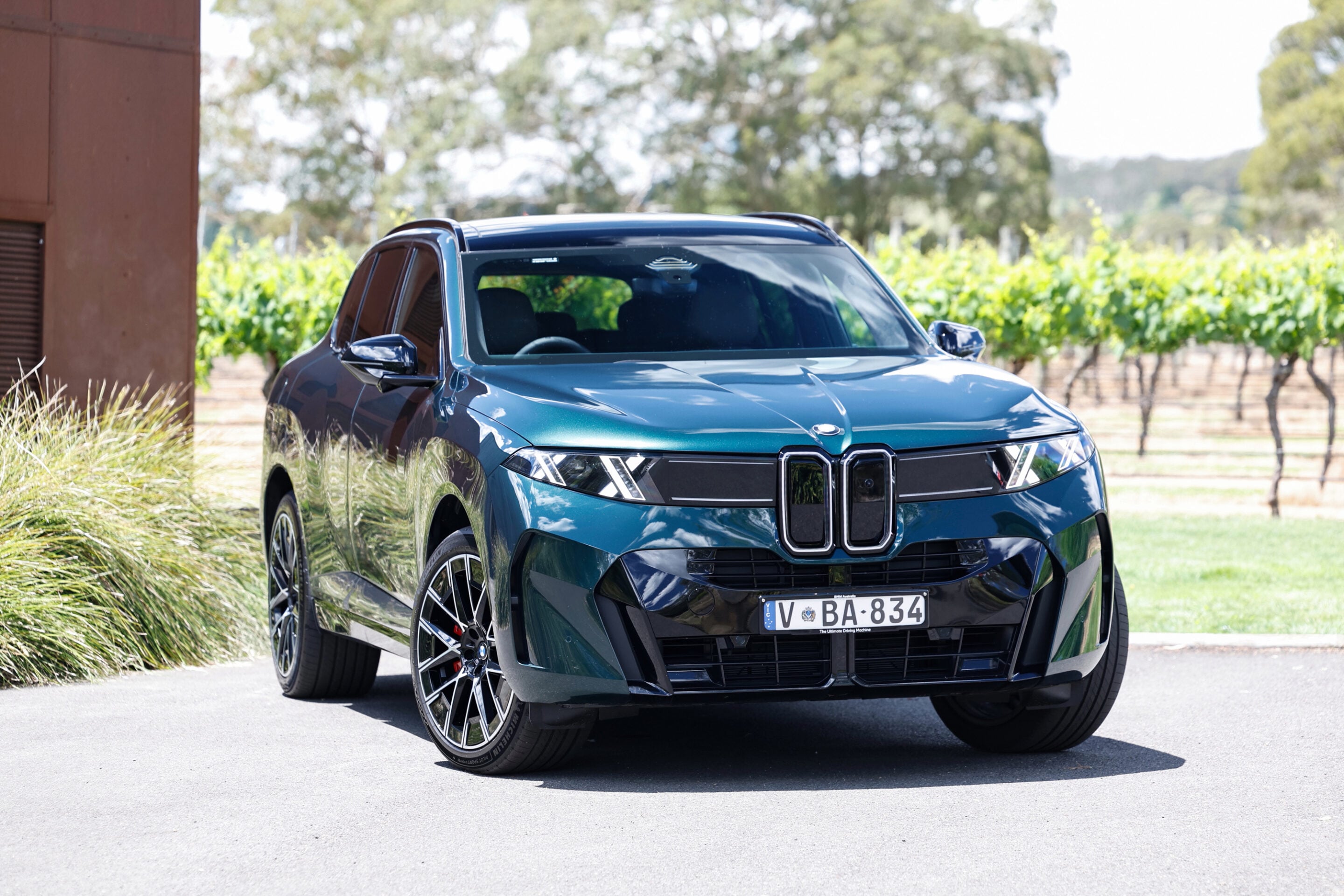
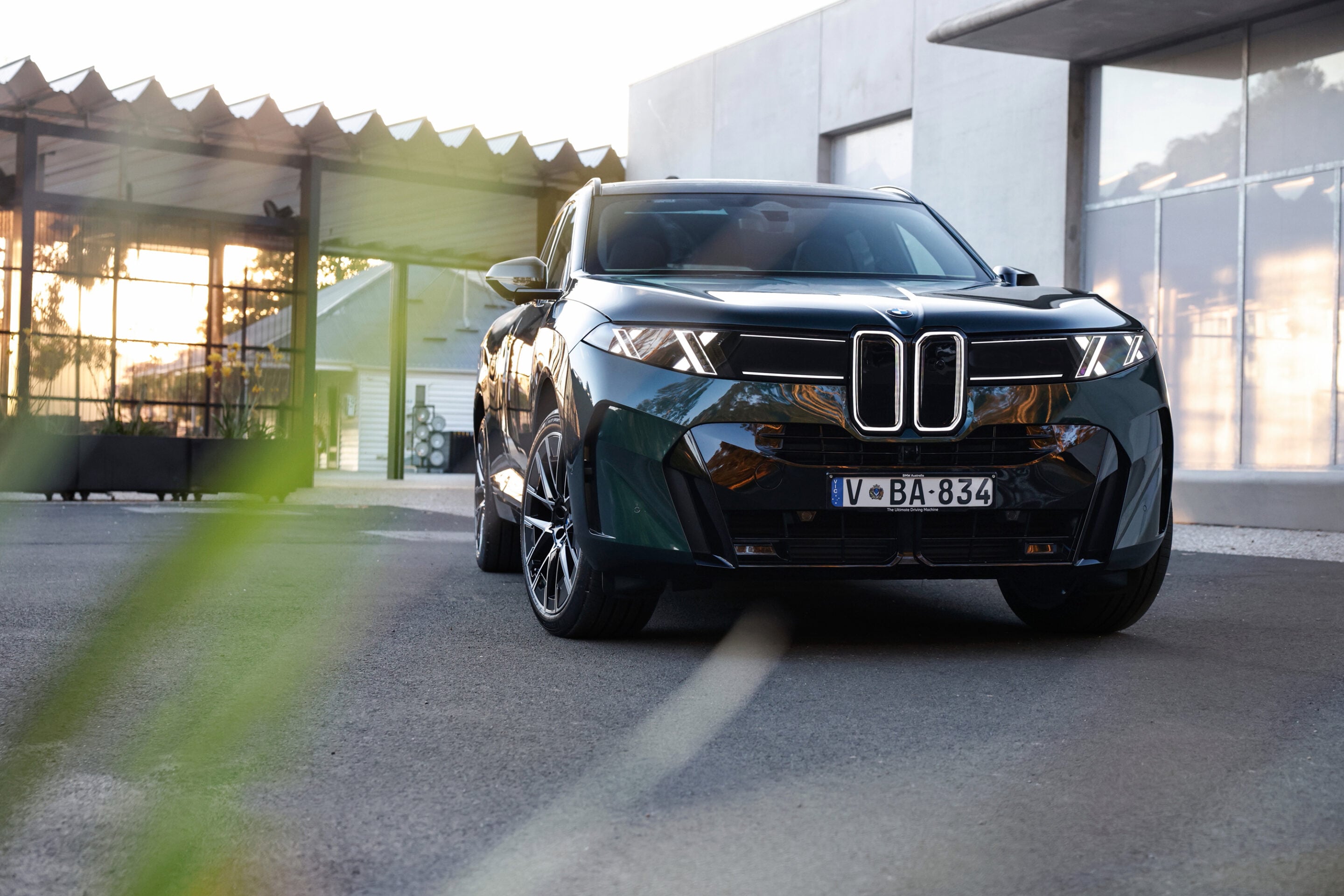
The big-ticket item, or at least the most obvious, is of course the new Neue Klasse-inspired grille and headlight treatment that replaces the traditional (and much larger) kidney grille design of old. It’s an interesting contrast, the new nose treatment and its slim kidney grille motif, essentially a homage to BMWs of old, and yet looking thoroughly modern and fresh today. It’s the antidote to ever-increasing grille sizes and to my mind, a welcome return to form for BMW’s design department. You may disagree.
The X5’s new ‘double-X’ headlight design lends the big family hauler a decidedly menacing face. It’s a winner for me.
What’s the interior of the new BMW X5 like?
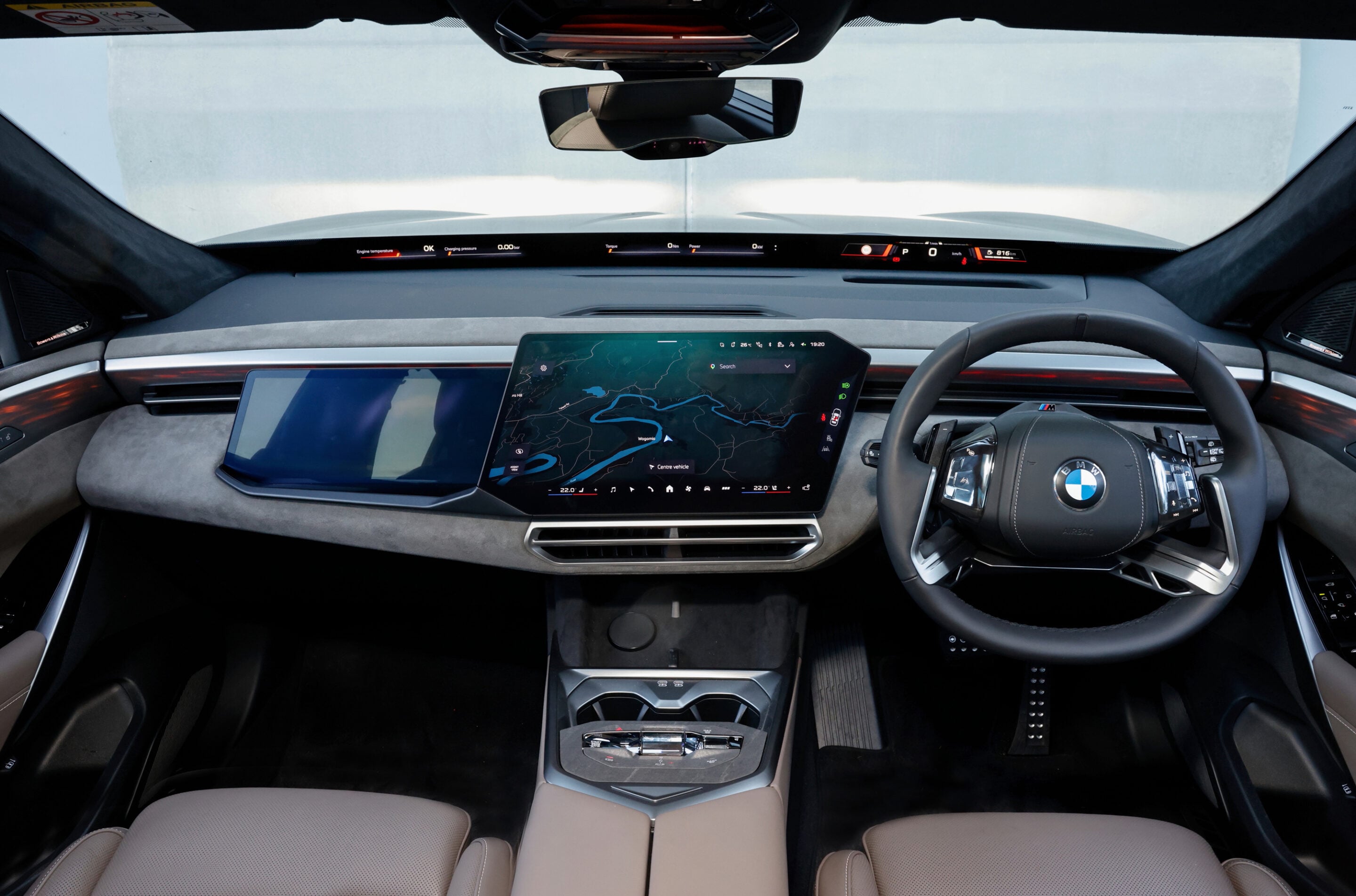
As it is outside, it’s all change inside the new BMW X5. The usual BMW level of attention to detail and material quality has resulted in a cabin that looks and feels properly premium.
4
The Veganza faux-leather seats do a damn fine job of mimicking the real stuff, soft and supple to the touch. It’s a theme throughout the cabin where soft, tactile materials not only look the part of a luxury SUV, but feel plush too.
The front seats are comfortable and supportive, offering a commanding view of the road while the leather wrapped BMW Individual steering wheel, a no-cost option, feels reassuringly chunky in hand. Its flattened two-spoke design (at 12 o’clock and 6) is unusual, with pronounced yoke-like grips that encourage the perfect driving position.
The star of the show is undoubtedly BMW’s innovative Panoramic Vision driver display, which runs along the base of the windscreen for the width of the dash top. More than just tech for tech’s sake, the new driver display is fully customisable to show as little, or as much, driving data you want. It’s clever and intuitive, a thoroughly modern interpretation of the traditional instrument cluster wrapped in a sleek design that doesn’t try to overwhelm with fancy graphics and an overload of data. Expect other brands to follow suit in the not-too-distant future.
3
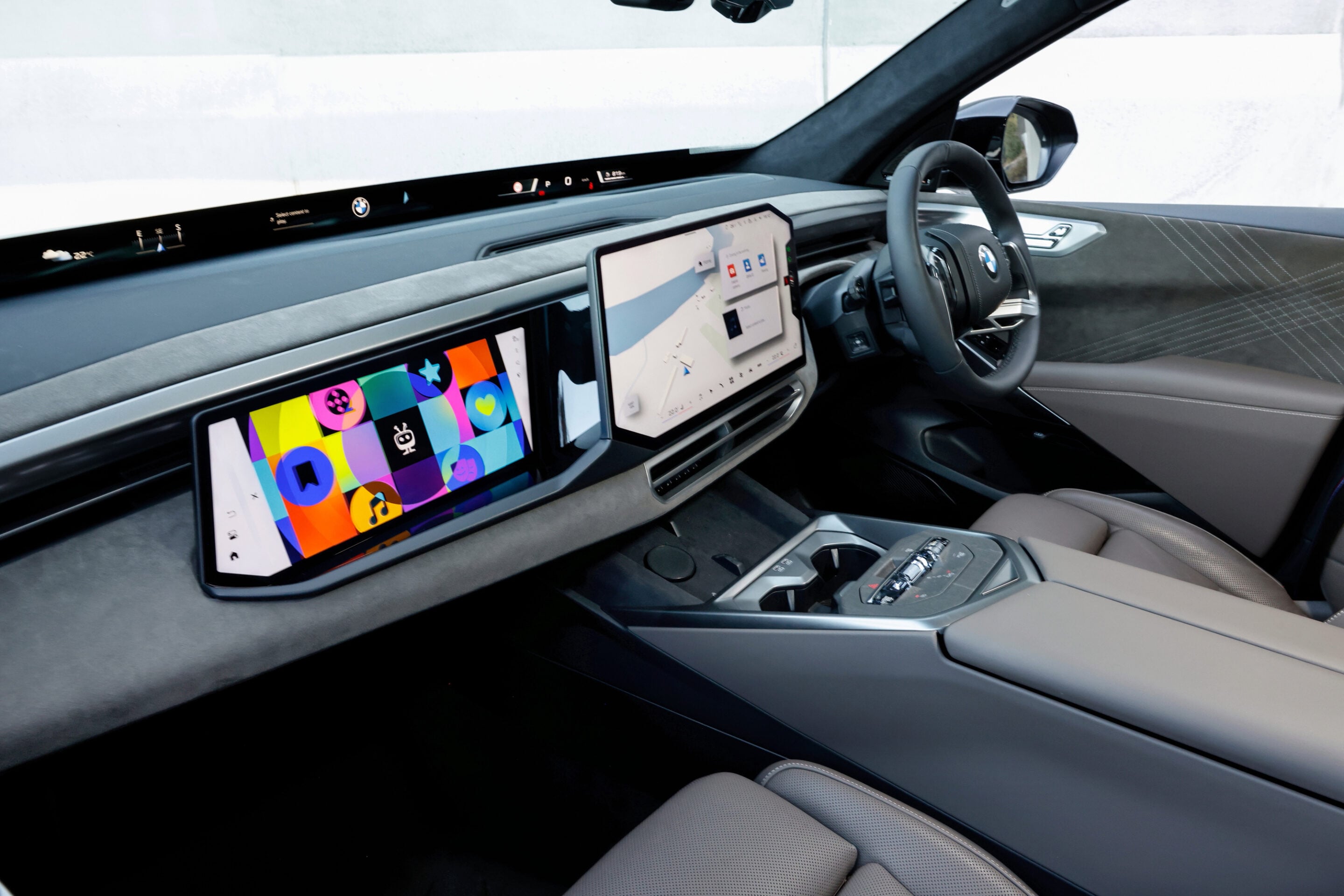
It’s a similar story with the X5’s new infotainment setup, now running BMW Operating System X software that takes the often bewildering and unintuitive setup of BMWs past and throws it in the bin. The screen itself is responsive to touch inputs while the layout, menus and overall design represent a massive leap forward in ease of usability.
Not so clever is the inclusion of a second screen for the passenger. One can’t help but think it’s a case of ‘keeping up with the Benzes’ as it serves no practical purposes other than to entertain anyone riding shotgun, as long as the X5 is stationary and in Park. Yes, it brings a ‘wow’ factor to the showroom, but as it is with other manufacturers, it’s a gimmick that no one would notice if it was gone.
And the inclusion of a head-up display seems redundant in the face of the all-you’ll-ever-need Panoramic Vision. Not sure why BMW chose to persist with what has become, thanks to the Bavarian brand’s tech smarts, thoroughly antiquated.
5
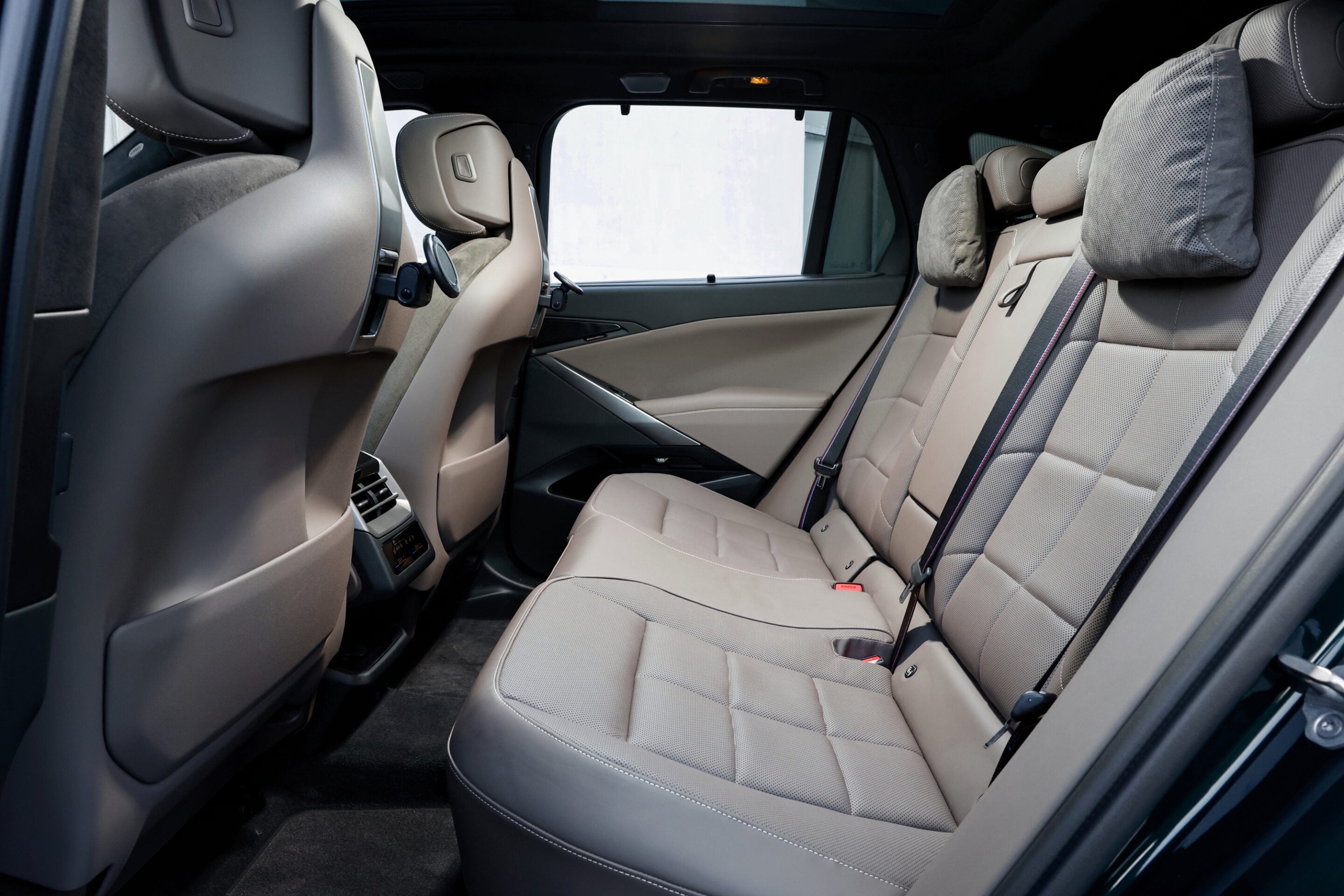
Moving to the second row reveals a space with as much care and attention to detail as up front. There’s no cheapening of materials (as sometimes happens in row two across multiple brands) and with a decent amount of room in all key areas. The outboard pews are as comfortable as those up front with only the middle seat, as is so often the case, a little less welcome for back seat passengers with a firm base and firmer seatback.
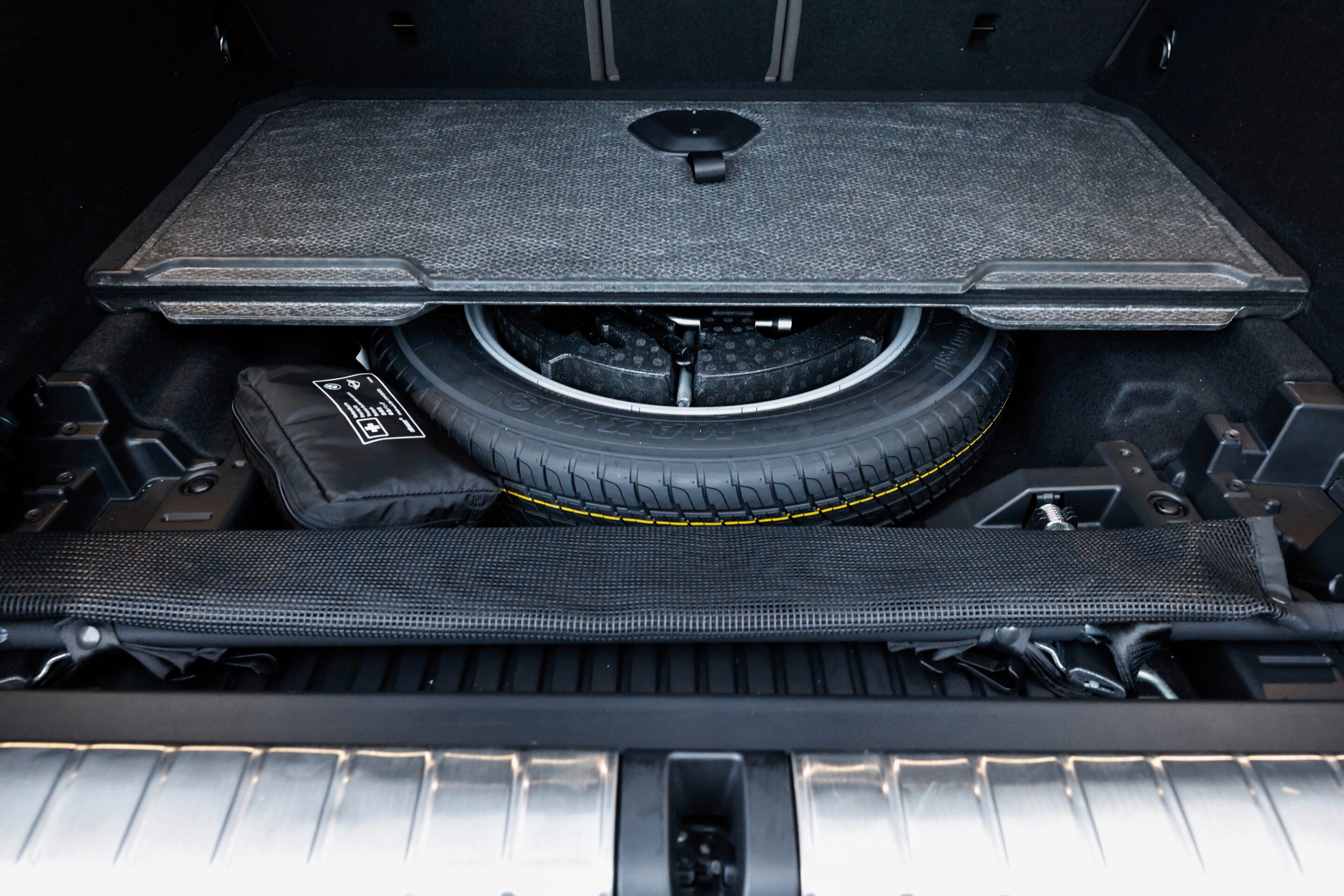
Behind the second row, a generous 655 litres of luggage capacity expands to 1850 litres with the back seats stowed away. Thankfully, BMW has used commonsense and equipped the new X5 with a space-saver spare wheel.
2
How does the BMW X5 drive?
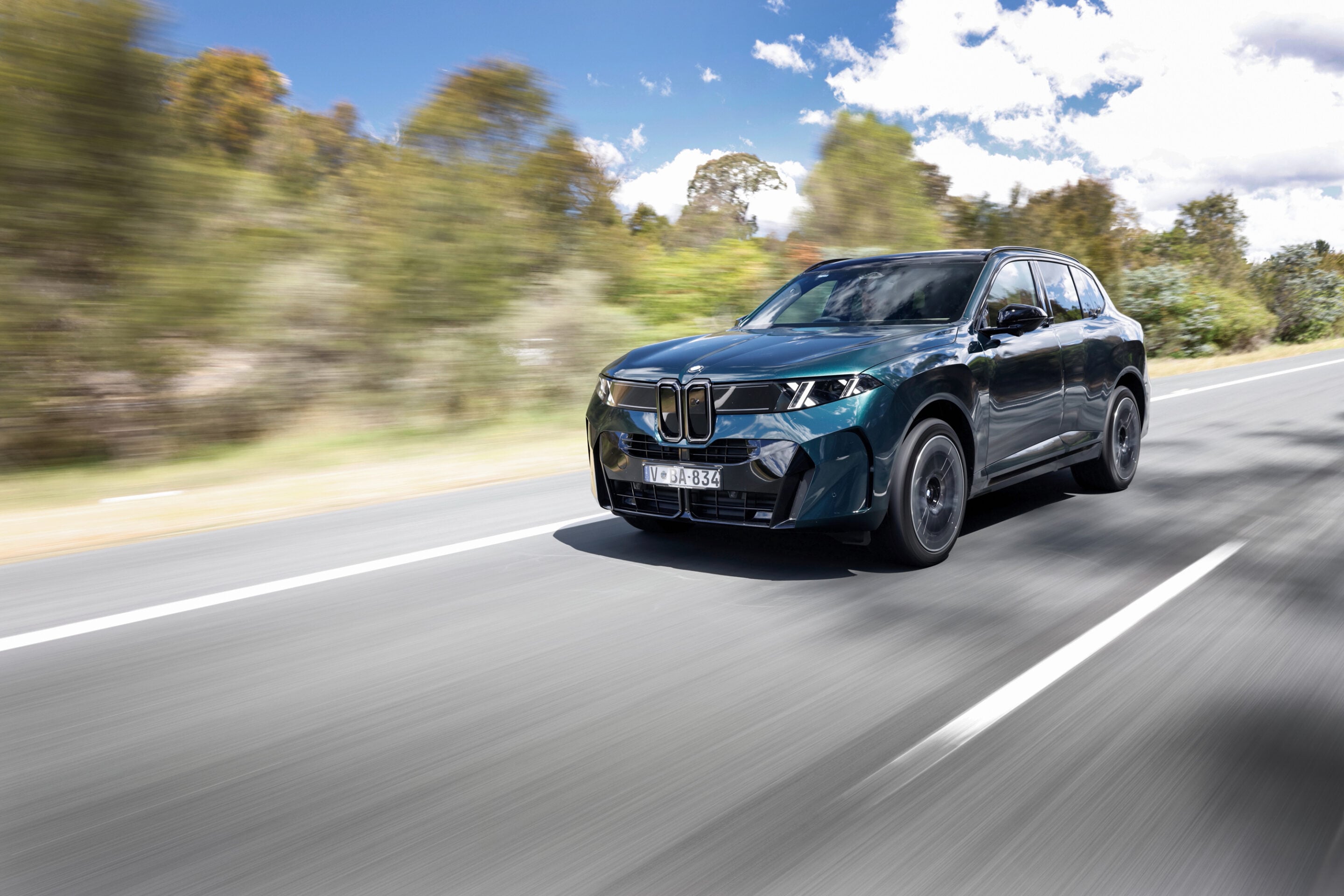
Mild bumps in power and torque, along with the integration of a 48V mild-hybrid system have imbued the new X5 with more urgency. The 3.0-litre petrol turbocharged inline-six in the X5 40 xDrive now makes 294kW and 540Nm, channeled to all four wheels via an eight-speed automatic transmission.
It’s a familiar engine, the B58 straight-six under the muscly bonnet, but the addition of mild-hybrid tech has provided it with a touch more zing.
3
Acceleration from standstill is punchy, underscored by a respectable 0-100km/h sprint time of 5.3 seconds. It feels quick on the move, yet loses none of the effortless and refined nature the X5 is renowned for.
Power delivery is smooth while the excellent eight-speed auto works away quietly and imperceptibly at keeping the 3.0-litre nicely within its peak power and torque band. It makes for an effortless highway runner, capable of eating up big distances in comfort and quietude.
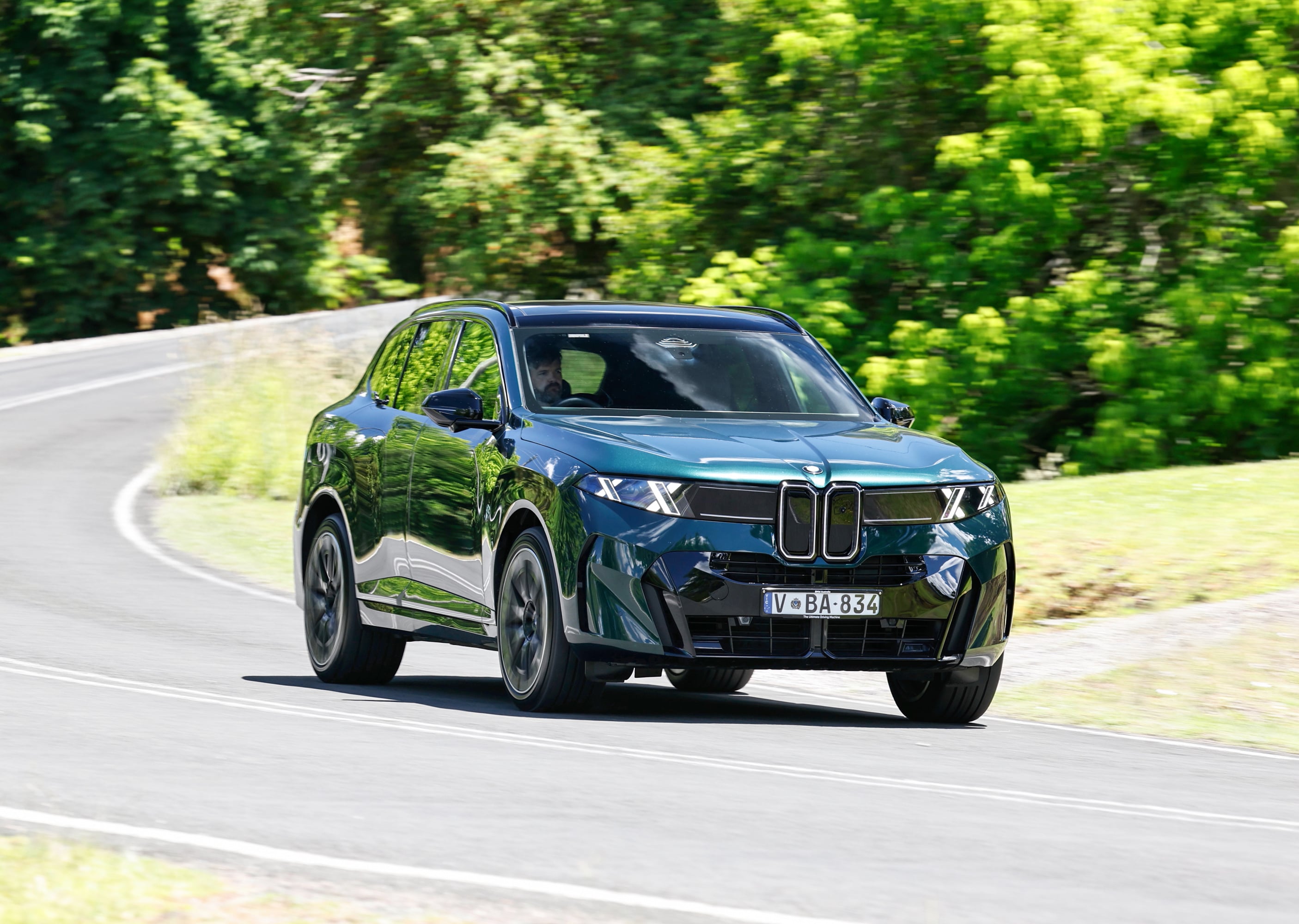
My test car at the X5 launch was fitted with the optional ($7000) Adaptive Chassis Control that brings air suspension (as against standard-fit adaptive dampers) and four-wheel steering to the party. The result was an on-road demeanour that was nothing short of sensational, a cossetting and comfortable ride and handling package that straddled the line between comfort and dynamism with assurance and purpose.
Four-wheel steering played its part in ensuring the X5 cornered with a composure and agility belying its size and heft while steering feel, long a BMW hallmark, remained as sharp as ever.
2
Fuel use of 8.1L/100km doesn’t seem outrageous for an SUV weighing in excess of 2.2 tonnes, although BMW wasn’t forthcoming with an official consumption claim.
Swapping out into the diesel X5 was an eye-opener, although really, it shouldn’t have been. And from the moment the 3.0-litre turbo-diesel fired into quiet life, it became very easy to understand why 66 per cent of Aussie X5 buyers opted for the oiler last year.
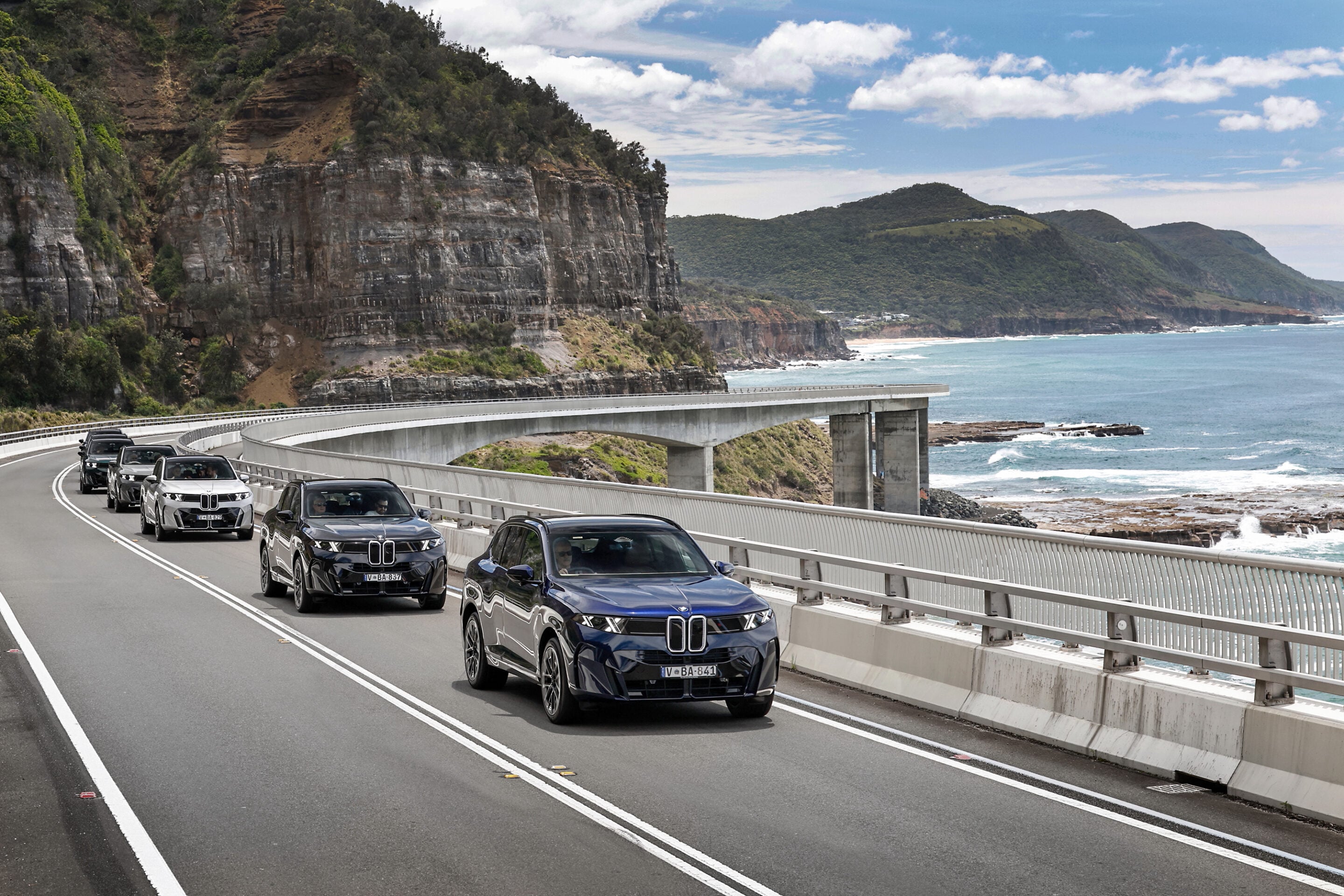
Forget what you know about diesel powertrains because in the X5, it’s something else. Quiet, refined, smooth and powerful, the 230kW and 670Nm inline-six delivered a relaxed time behind the wheel, with an engine note barely perceptible in the cabin even under more spirited acceleration.
3
Slower to 100km/h than the petrol (but still a punchy 6.1 seconds), the X5 40d made a compelling argument for why there’s still life in a well-sorted diesel powertrain. With peak torque coming on song between 1500-2500rpm, the 40d felt effortlessly forceful from take off, serene and unflustered at highway speeds, and with still more left in the tank that effecting overtakes felt like a walk on the mild side.
Unlike the petrol variant driven earlier, the X5 40d was not fitted with the trick (and expensive) air suspension. It mattered not one bit, the standard adaptive dampers doing a fine job of keeping everything smooth and comfortable under wheel. The steering remained nice and direct, with a reassuring meatiness and solidity at centre.
A fuel number of 6.1L/100km is praiseworthy for such a big lugger, especially considering the extra kegs it’s carrying (2355kg) when compared with the petrol X5 (2290kg). And it’s difficult to make a case for the oiler when diesel prices are regularly hovering around, and sometimes over, the $3 per litre mark. Still, it’s the one I’d put down my hard-earned for. At least until the iX5 arrives in the second half of next year.
3
X5 owners do like to tow – sometimes – and they’re catered for with a 3500kg braked towing capacity and a downball rating of 350kg. That’s with the factory-fitted (and $2500 optional) towbar attached. BMW didn’t reveal what those capacities are with an after-market tow kit.
The Verdict on the BMW X5
BMW redefined the luxury SUV segment with the original X5 in 1999, a statement of intent that tore up the prevailing playbook and proved that an SUV could, in fact, be a competent and capable, not to mention luxurious, on-road companion.
It’s early days still with this new fifth-generation X5, but BMW has again taken the segment a massive step forward, one that a swathe of rivals are likely to try and follow.
1
BMW has demonstrated that its Neue Klasse reinvention, first seen with the iX3 earlier this year, is no one-trick pony. This new X5 is BMW back to doing what it does best.
Specs
| Model | BMW X5 40 xDrive | BMW X5 40d xDrive |
|---|---|---|
| Price | $145,900 plus on-roads | $143,900 plus on-roads |
| Drivetrain | 3.0-litre turbocharged inline-six +48V mild-hybrid | 3.0-litre turbocharged diesel inline-six + 48V mild-hybrid |
| Peak Power | 294kW | 230kW |
| Peak Torque | 670Nm | 540Nm |
| Transmission | 8-speed automatic, AWD | 8-speed automatic, AWD |
| 0-100km/h | 5.3s | 6.1s |
| Fuel consumption (tested) | 8.1L/100km | 6.2L/100km |
| Fuel type | 95-octane unleaded petrol | Diesel |
| Fuel tank | 83L | 75L |
| Dimensions (l/w/h/wb) | 4944/2000/1751/3035mm | 4944/2000/1751/3035mm |
| Cargo capacity | 655L/1850L (seats up/seats stowed) | 655L/1850L (seats up/seats stowed) |
| Weight | 2290kg (kerb) | 2355kg (kerb) |
| Tyres | Michelin Pilot Sport 5 | |
| Spare wheel | Space saver | Space saver |
| Warranty | 5 years/unlimited km | 5 years/unlimited km |
| Servicing costs | $3570 (5 years/80,000km) | $3570 (5 years/80,000km) |
| On sale | Now | Now |
8.4
/10
Score
Score breakdown
8.4
Safety, value and features
8.0
Comfort and space
8.5
Engine and gearbox
8.6
Ride and handling
8.6
Technology
Things we like
- Refined and powerful engines
- Commendable ride and handling
- Sumptuous cabin
Not so much
- Passenger screen a gimmick
- Head-up display redundant with new Panoramic Vision
- Overly firm middle seat in second row
Follow WhichCar/Wheels on Google
Click the button below to make WhichCar by Wheels a preferred source for your news.

We recommend
-
 News
BMW reveals why it's not shying away from diesel with the new X5 SUV despite surging fuel prices
Two in every three BMW X5s sold in Australia is powered by a diesel engine, but will rising fuel costs impact sales of one of the brand's most popular models?
-
 News
BMW M3 Electric prototype international first drive: Sports sedan loses nothing in the translation to battery power
Our mates at Auto Express got the equivalent of Willy Wonka's golden ticket when they got to steer the upcoming BMW M3.
-
 Reviews
BMW iX5 review: Huge battery, huge on-road ability and great driver tech elevate all-electric SUV
Our mates at AutoExpress were mightily impressed with the BMW iX5, which packs all the space of a big SUV with the road manners of a car far smaller.
