
Reviews
Gallery 1
How many firsts and superlatives would you like your SUV to have?
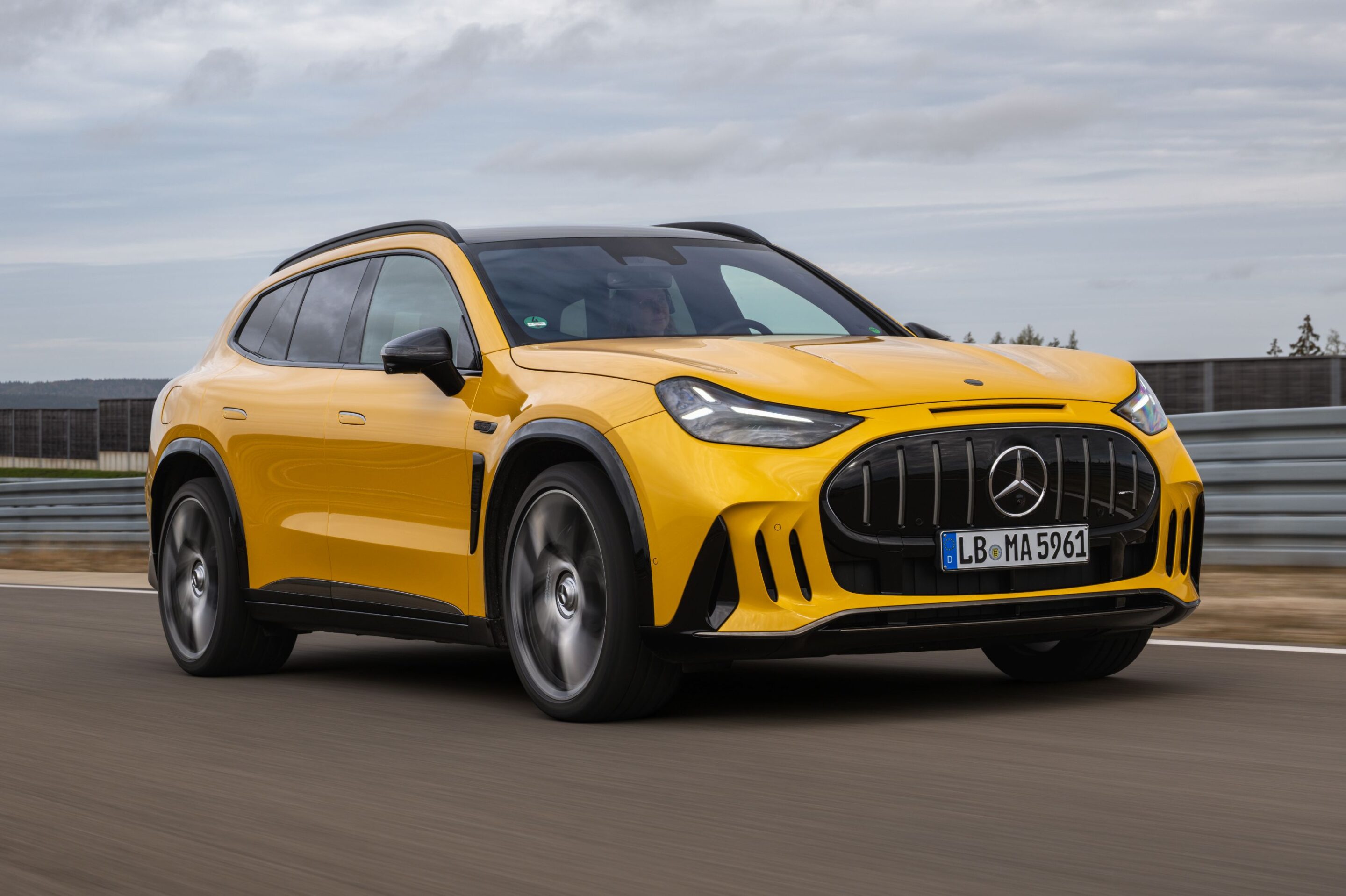
With an extraordinary 860kW, the new Mercedes-AMG GT 63 SUV is the world’s most powerful production SUV, with 75kW more than the AMG One hypercar with its F1-derived drivetrain, and nearly twice the output of the most powerful petrol-engined AMG SUV, the GLE 63 S. It’s also the first SUV which AMG has developed from scratch.
And together with its sibling, the GT 4-Door Coupe, it is the first production EV which AMG has produced entirely in-house.
The Coupe was revealed back in May, but this closely related SUV was only revealed in October. In another first, Wheels was among a handful of global titles invited to drive it at Mercedes’ Immendingen test track near Stuttgart, months in advance of its official press debut. We’ll reserve our final verdict for a full road test, but the SUV gives us our first hands-on experience of how AMG plans to do EV.
3
Short answer? Lots of power, lots of gadgets, and you’ll need lots of cash if you want one.
Both AMG GTs are based on the new AMG-EA platform and offer three power levels. The entry-level 406kW GT 53 won’t make it to all markets and uses two conventional radial flux motors, one on each axle. The 608kW GT55 and the full-fat GT 63 tested here arrive next spring and use three radical, compact, lightweight axial-flux electric motors from British company YASA, which Mercedes-Benz bought out but which is still permitted to supply Ferrari, Lamborghini and McLaren. Two motors power the rear wheels and provide torque vectoring across the rear axle, with the third on the front which only cuts in when required. Together, they will produce 529kW until the battery runs out, or a peak of 860kW for 63 seconds. Peak torque is 2000Nm.
AMG Active Ride Control Plus is standard on the 63 (but optional on the 55) and uses air springs and hydraulically controlled dampers for active pitch and roll control. Carbon ceramic brakes are standard on the 63.
The GT SUV weighs a massive 2.7 tonnes, but that doesn’t dent the performance much. A 0-100km/h time of 2.5 seconds is 0.4 seconds faster even than the AMG One hypercar, with 200 km/h up in an equally ludicrous 6.8 seconds. It will do 269km/h, but not for long: don’t expect to get anything like the car’s claimed 700km maximum range at that speed.
There are two battery options, both using tech which AMG claims is inspired by its F1 programme. The 106kWh version can charge at up to 600kW, and the bigger 128kWh option sucks the juice in at up to 710 kW: both figures academic until we have chargers which actually run at those speeds.
Despite that beyond-F1 power output, the GT 63 SUV will make an easy, cooperative companion on the commute. Its adaptive air springs give a calm, fluent ride, and that huge mass irons out any imperfections in the road surface. The steering is weighty, quick and accurate, and the rear-steer system cuts this five-
metre car’s turning circle considerably and makes it a relatively wieldy town car. The massive carbon-ceramic are utterly impassive in operation.
6
All of that you expect in a high-priced electric SUV. What makes this one stand out is the grunt. In the main driving modes, you can release full power for 63 seconds with a simultaneous pull on the paddles, accompanied by a slightly unnecessary jolt from the throttle. Turn the dial to Sport+ or Race and a synthesised V8 soundtrack cuts in.
You might usually switch the artificial noises off in EVs but these are arguably the best you will hear or feel, based on recordings of AMG’s noisiest petrol cars and with that deep bass rumble transmitted to you not only through the audio system, but physically through seat shakers. In Sport+ you get a simulated paddle-shift gearshift, and in race mode you don’t need the pull-on paddles to access maximum power.
From the driver’s seat and when you know it’s coming, a full launch control standing start feels merely titanically fast, and it’s impressive how seamlessly the chassis deals with the huge forces involved, rocketing off the line with barely a chirp from the tyres, the steering tracking absolutely true. It’s less pleasant in the back, and a party trick your passengers are unlikely to want you to repeat often.
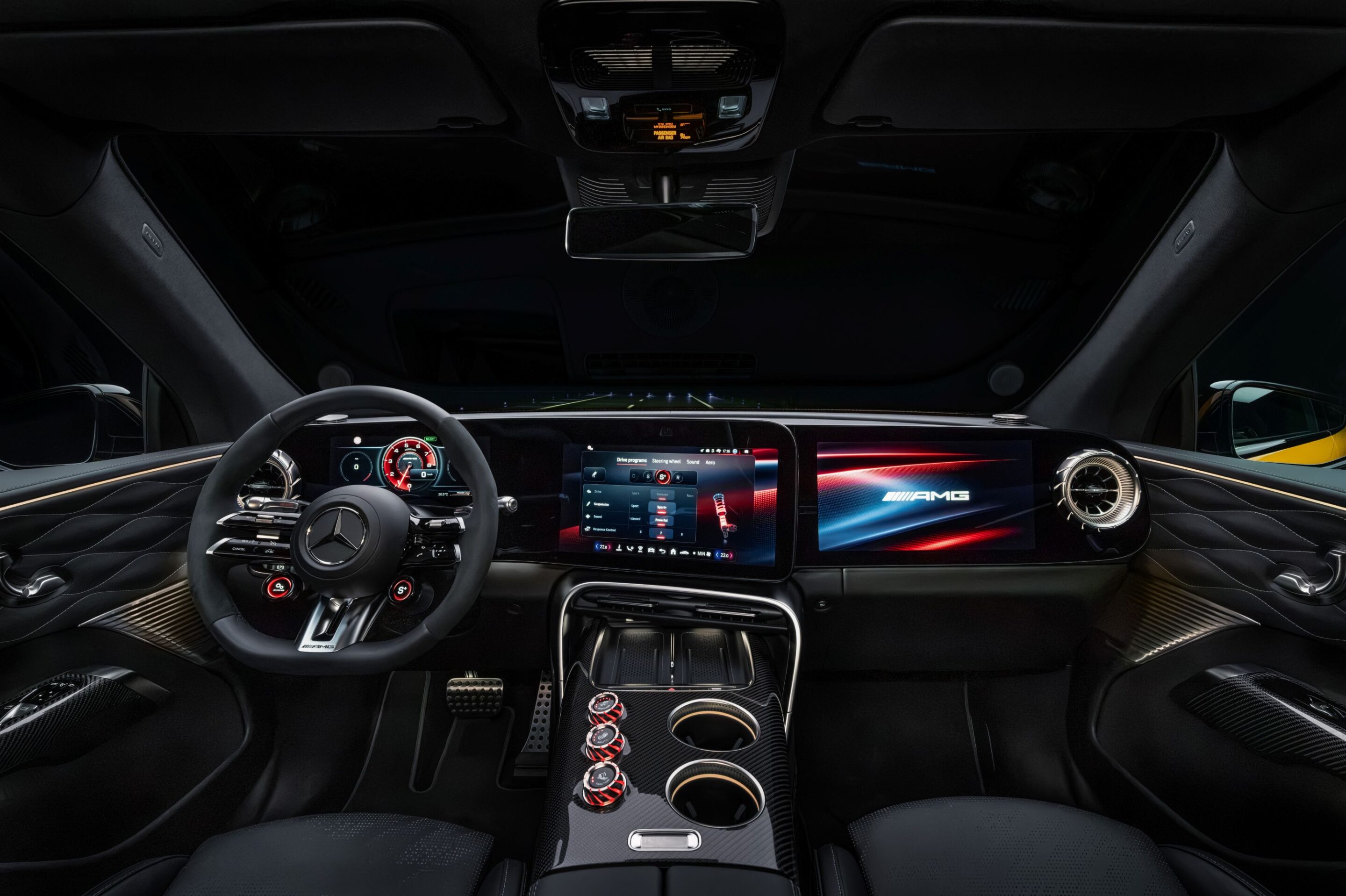
The ‘Race Pilot’ system, standard on the 55 and 63, is controlled by three dials by the driver’s thigh on the central console. These take advantage of the incredible precision with which the three electric motors can be controlled, altering throttle response, power split between front and rear axles, and the level of assistance the stability control provides. The difference you can dial in is significant and set up the right way or with ‘drift mode’ engaged (there’s also a ‘drag race’ function), the GT 63 SUV will happily engage in huge, smoky sideways skids which seem inappropriate in what looks like a family car. It’s an extraordinary level of dynamism for such a large, heavy car but you wonder how often owners will actually use it. If they want to drive that way, they probably already have a sports car in which to do it.
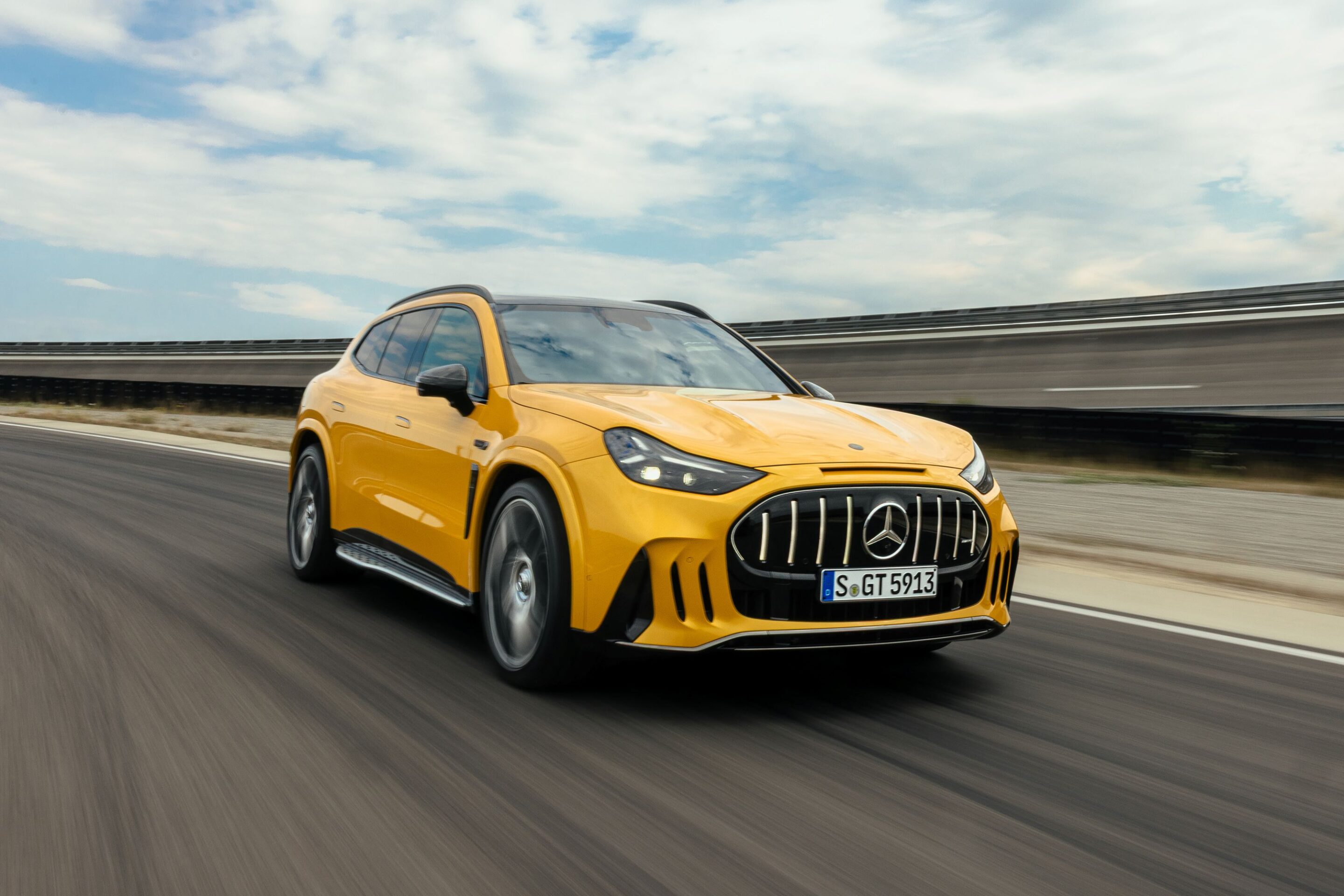
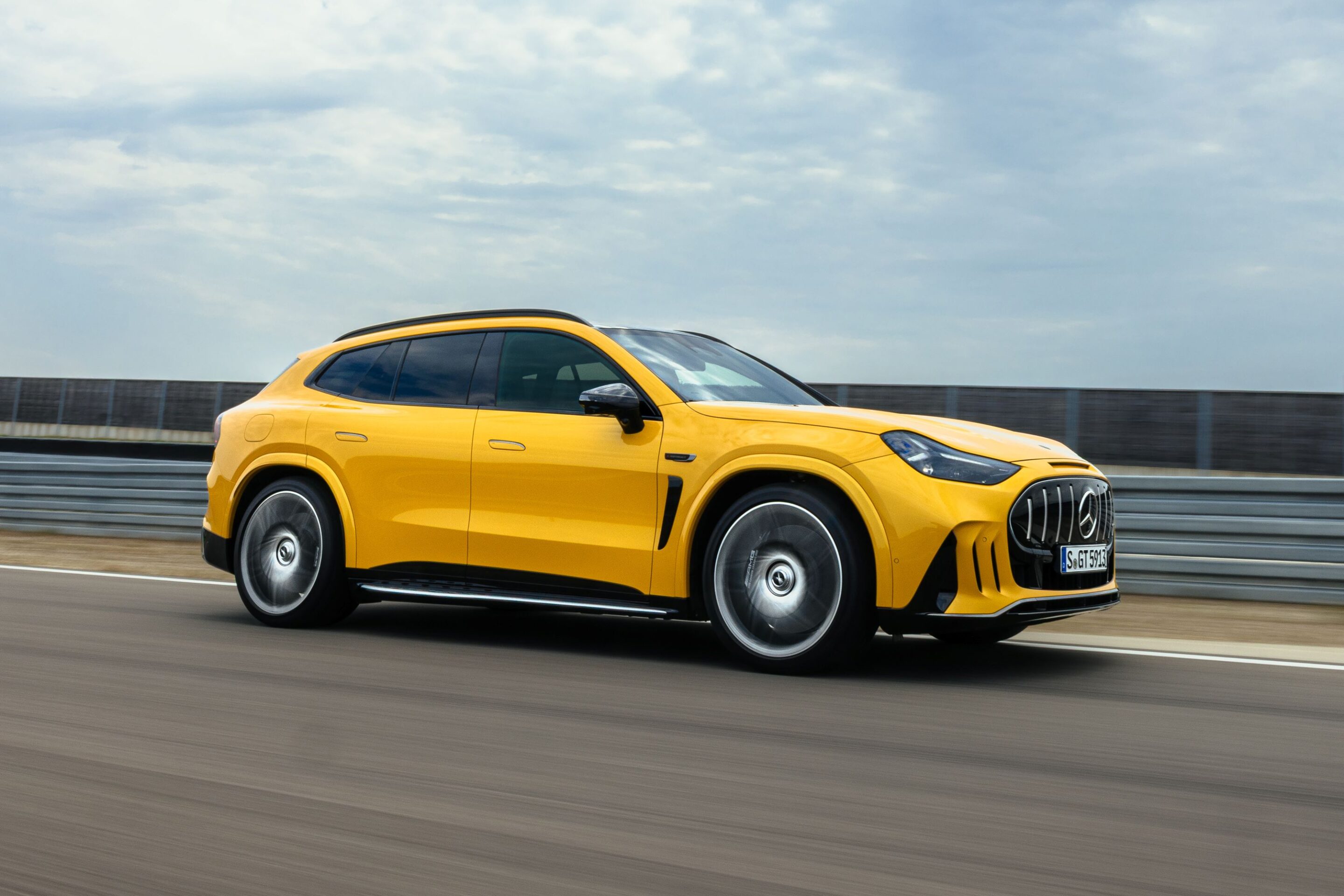
You can decide for yourself on the exterior styling. This is one of the last of the Gordon Wagener-era cars from Mercedes, and it hasn’t been universally popular, to say the least: particularly the rear end treatment. It looks better in the steel, though: lower and less bulky than some of its rivals, and it would look better still in a less shouty colour than the yellow of our test car.
4
Inside, the SUV’s driving position has a sports car focus, made possible by a platform designed to allow a lower profile and seating position. It’s similar to other sports SUVs like the Ferrari Purosangue or the Lamborghini Urus, though the rear cabin feels remarkably spacious and airy under the panoramic glass roof. The exuberant interior maxes out the usual AMG design cues, and mixes very high-quality carbon, aluminium and quilted leather finishes.
The final extraordinary fact about this car is that it has an (almost) direct rival in the new Porsche Cayenne Electric Turbo, which isn’t far behind on power, with 1140bhp available for short periods in launch mode. The choice of luxury electric SUVs is growing rapidly, with the Ferrari Luce and new Range Rover and Range Rover Sport Electric also having launched recently, albeit with wildly differing prices and power outputs.
It’s a tough market: expensive electric vehicles of all types have not proved immediately popular with buyers, and these new offerings will further fracture an already small pool of buyers. Given AMG’s heritage, it’s natural for it to differentiate its big electric SUV from its rivals with an overtly sporting cabin and fairly extreme driving dynamics. It’s a technical tour de force, but it needs to be to justify the price.
Having now driven it, we just wonder how appealing such an edgy SUV will prove to buyers who have plenty of other cars which provide that, and who might prefer their EV SUV to major on calm and refinement instead, even if it means settling for half the horsepower.
The GT SUV is confirmed for an Australian release in the last quarter of 2027.
Follow WhichCar/Wheels on Google
Click the button below to make WhichCar by Wheels a preferred source for your news.

We recommend
-
 News
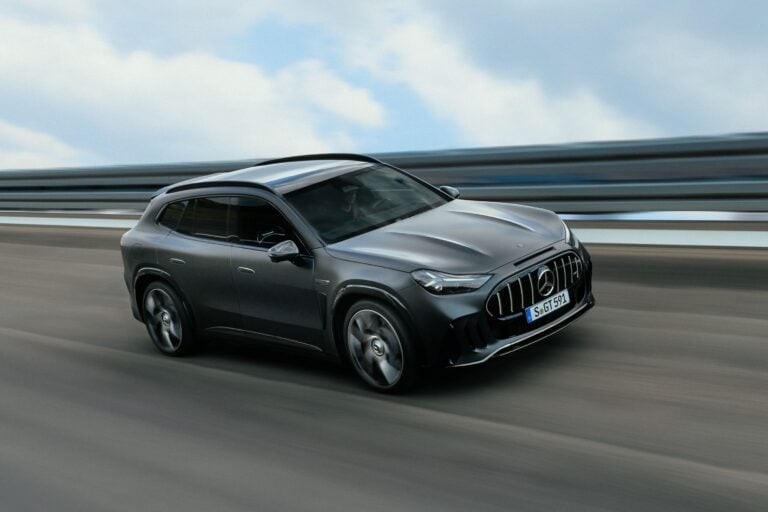
Mercedes-AMG unleashes 860kW electric GT SUV with supercar performance and 700km range
The Mercedes-AMG GT SUV is AMG's first in-house SUV and packs up to 860kW of power, ultra-fast charging and up to 700km of driving range.
-
 Reviews
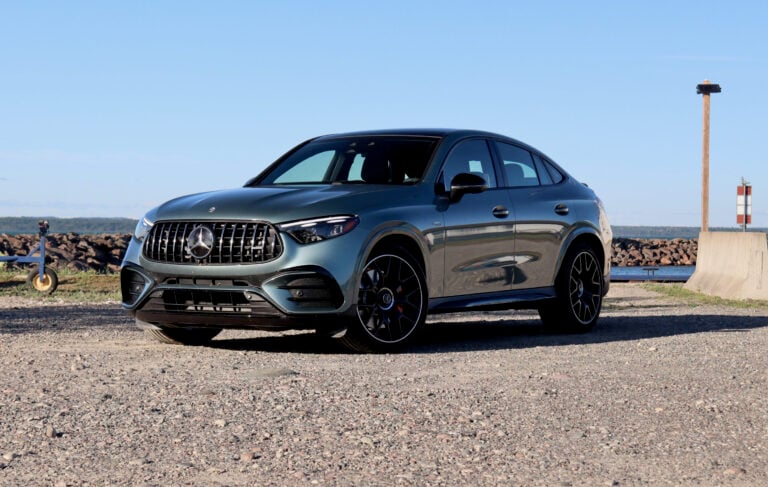
Mercedes-AMG GLC 53 Coupe review: Goodbye four, hello six
Can the arrival of a new inline six-cylinder AMG erase the memory of hybridised four-cylinder models?
-
 News
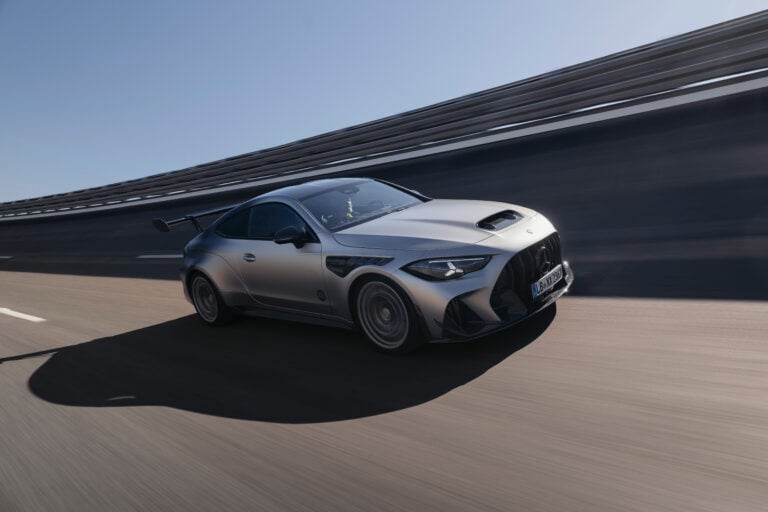
Merc pulls out all the stops with the ultra-exclusive V8 AMG CLE 646 Spezialanfertigung
Mercedes-AMG’s CLE 646 Spezialanfertigung turns the luxury coupe into a 475kW, rear-drive, track-focused V8 weapon.
