News
Gallery 1
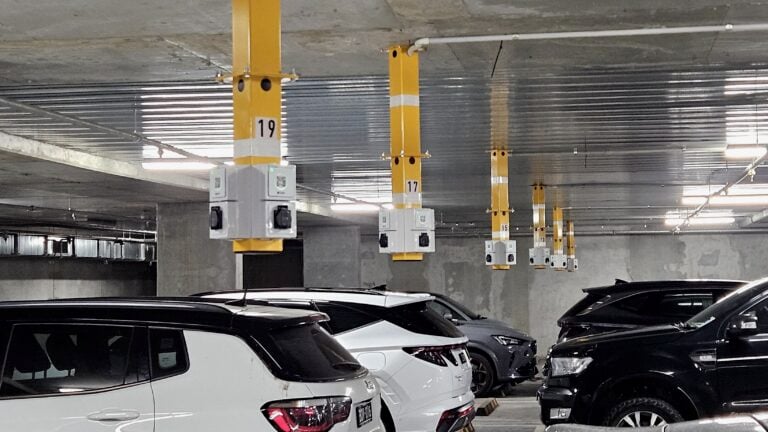
Mandatory car parking requirements for new apartment developments should be abolished nationwide to help ease Australia’s housing crisis, according to a new report by the Grattan Institute.
The think tank says outdated planning rules are forcing developers to build tens of thousands of unwanted parking spaces, adding significantly to housing costs while reducing the number of homes that can be delivered, reported the ABC.
The report, Wasted Space: Axe Car Parking Rules to Ease the Housing Crisis, estimates Australia will otherwise build more than 86,000 unnecessary parking spaces over the next five years at a cost of about $5.2 billion. The institute argues those construction resources could instead help deliver an additional 9,000 homes.
1
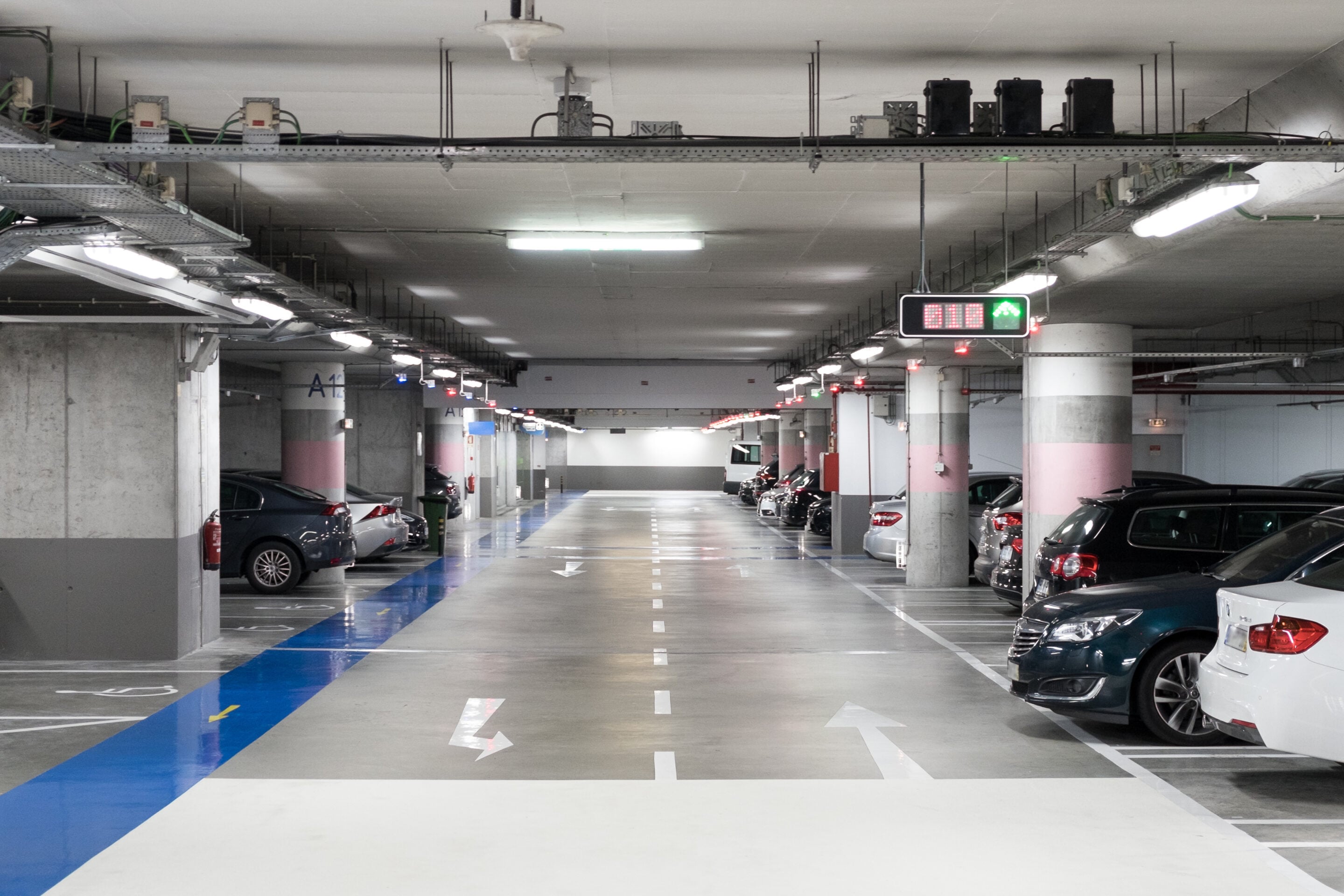
Researchers found a growing mismatch between parking requirements and how Australians actually live, particularly in higher-density housing near transport and employment hubs. Census data cited in the report shows about 40 per cent of households living in studio or one-bedroom apartments do not own a car, while many existing apartment parking spaces sit vacant overnight.
Despite that, many councils continue to impose minimum parking quotas on new developments, often requiring at least one parking space per apartment regardless of likely demand.
The Grattan Institute estimates the rules add about $70,000 to the construction cost of a typical two-bedroom apartment in Sydney, $62,000 in Melbourne, $113,000 in Brisbane, $95,000 in Adelaide and as much as $137,000 in Perth.
The report argues those extra costs are ultimately passed on to renters and buyers, while also making some housing projects financially unviable.

1
Grattan Institute chief executive Aruna Sathanapally said Australians were being forced to pay for parking they often neither needed nor used. The report recommends state governments override local council parking minimums entirely and instead allow developers and buyers to determine how much parking is appropriate.
It also calls for parking spaces to be “unbundled” from apartment titles so they can be bought, sold or leased separately, along with stronger management of on-street parking through permits, pricing systems and time limits in high-demand areas.
The recommendations form part of the Grattan Institute’s broader push for planning reform and increased housing density in Australian cities, including previous proposals to allow more medium-density housing in established suburbs near transport and jobs.
Follow WhichCar/Wheels on Google
Click the button below to make WhichCar by Wheels a preferred source for your news.