
News
Gallery 1
A Volkswagen board member has told European media that electric cars will eventually take the place of internal combustion (ICE) vehicles, as a natural, rather than enforced, progression.
In an interview with Auto Express, Martin Sander, Volkswagen’s board member for sales, marketing, and aftersales, made the prediction – citing the early 20th-century changeover from horses to cars as an example of how electric vehicles (EVs) will find favour.
Sander broke with the strictly professional ambience usually expected of a board member interview as he asked, “Do you know when horses were banned? When was it forbidden to buy horses?”
1
His point, somewhat unusually, is that discussions around banning internal combustion (ICE) vehicles are counterproductive to finding the best fit for EV adoption.
“Everyone is just talking about the ICE ban.” Sander said, “How do you convince customers about a new technology if you’re only talking about when there will be a date when you are not allowed to use these [ICE] vehicles?”
Instead, the VW board member likens the natural progression from using horses to the wider adoption of cars, as analogous to how EVs will take the place of ICE cars over time.
“Over time, more and more customers will be convinced. Then, if by 2035 or whatever, there’s three, four, five per cent of customers who still want to buy a vehicle with a combustion engine…”
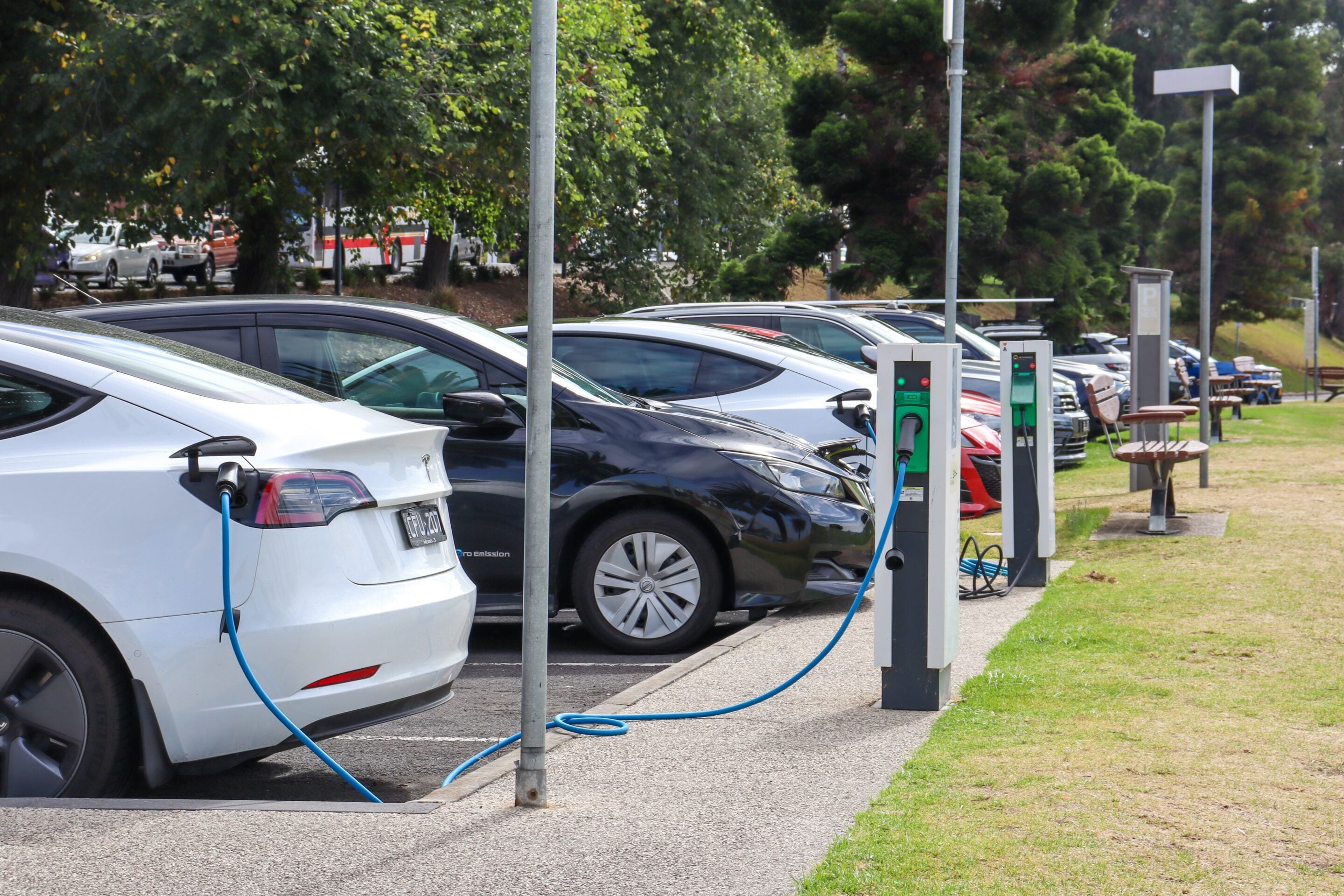
“Let’s talk about what we need to do to actually convince customers: the charging infrastructure; talk positively about the advantages of electric vehicles, and possibly do something around the energy prices.”
The prediction comes as electric vehicle adoption has started to show signs of slowing in key markets. While China still sees widespread EV adoption, reduced incentives have led to EV sales tanking in the USA. Europe’s evolution away from zero-emission mandates to ‘reduced emissions’ goals has opened the door to a wider range of plug-in hybrid and range-extender tech.
1
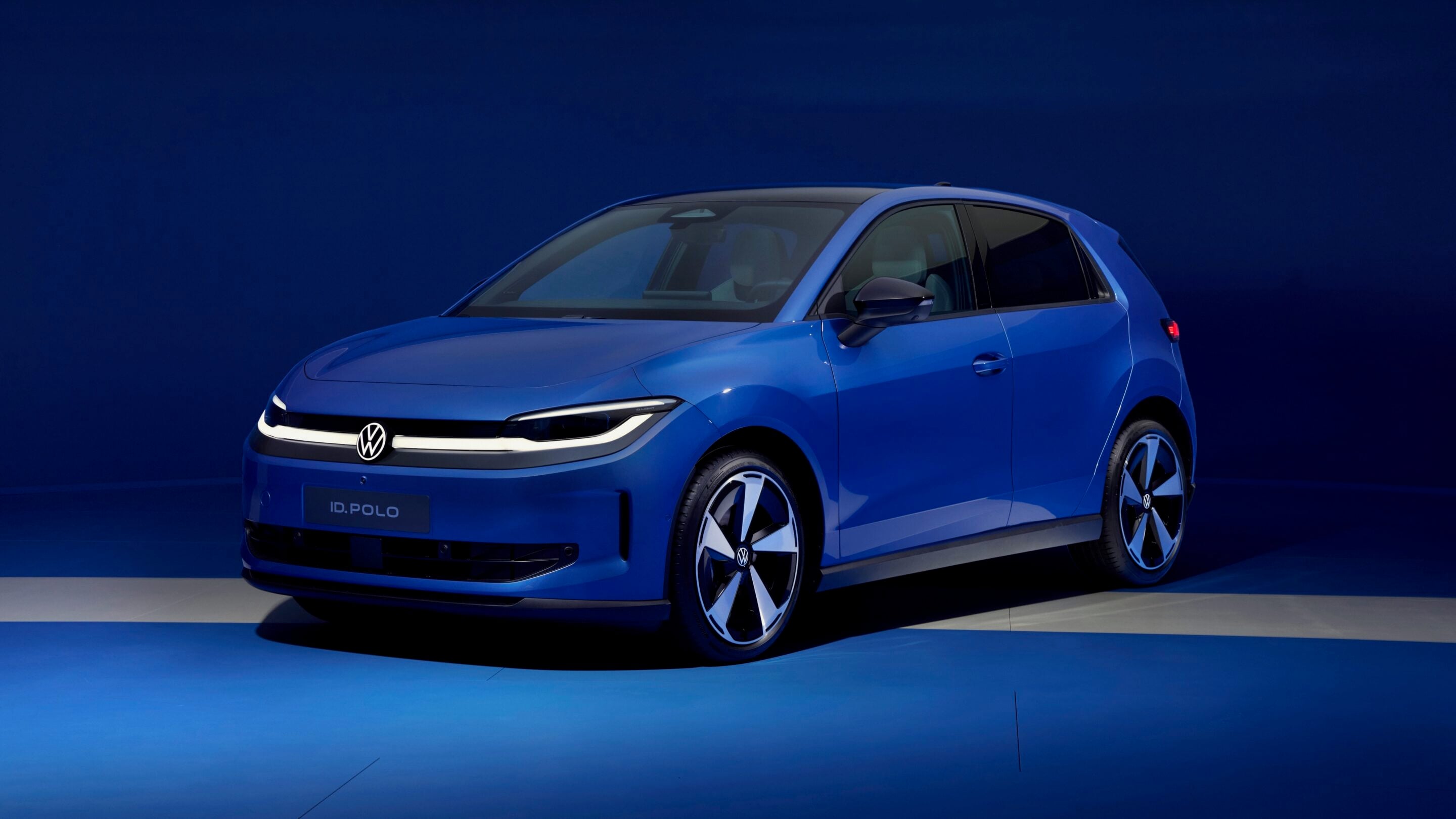
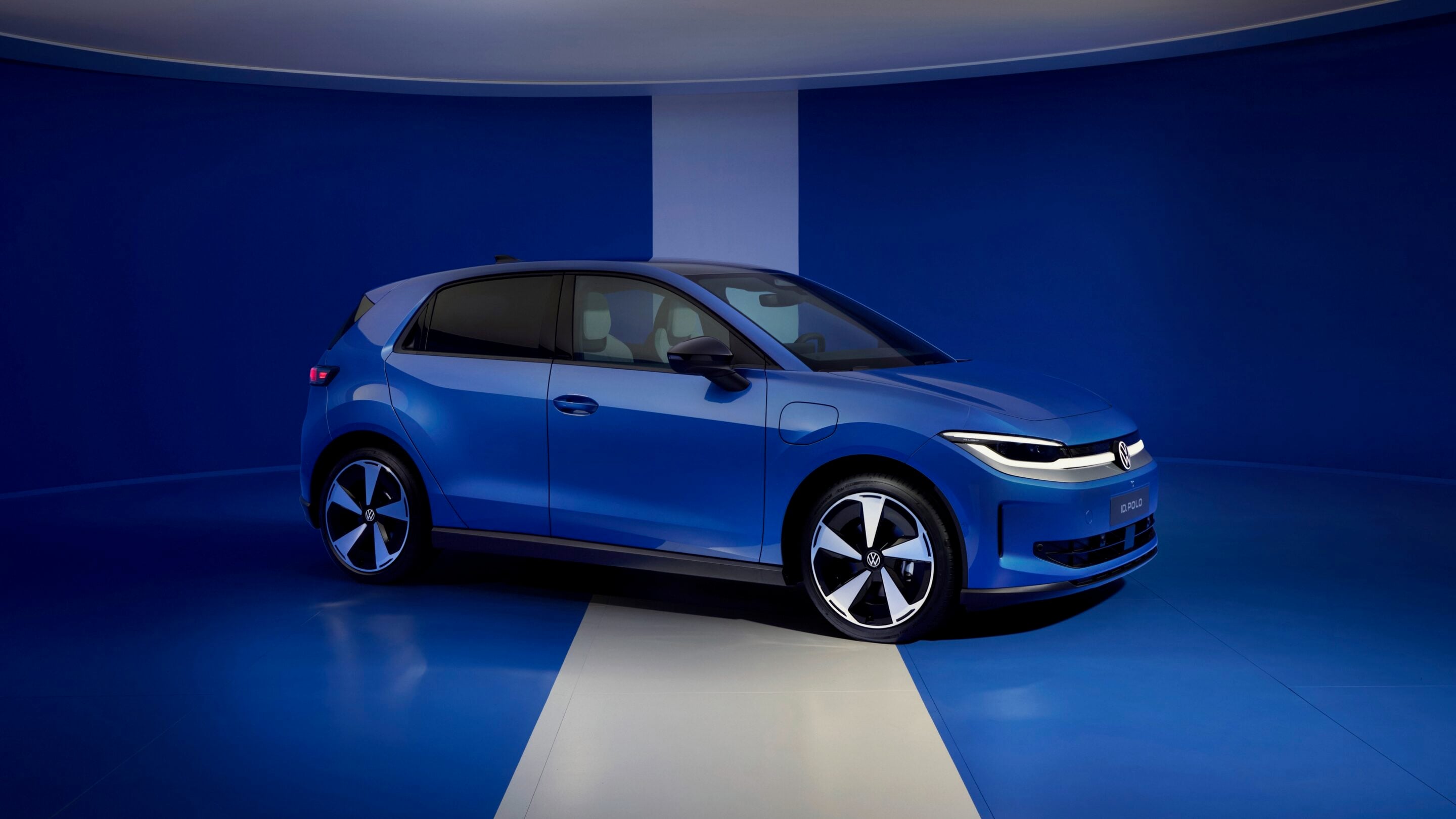
Despite the European changes, Volkswagen is pursuing a largely regional approach to powertrain management. While the brand has EVs like the ID. Polo, ID.3, ID.4, ID.5 and ID. Buzz in its European line-up, Chinese showrooms feature more tailored, region-specific products, including a range of larger SUVs.
When asked if those bigger products and the new range-extender hybrid powertrains offered with them could join Volkswagen’s European lineup, Sander replied, “There is a market in China. In Germany or in Europe at the moment, I don’t really see that opportunity,” Sander said.
Follow WhichCar/Wheels on Google
Click the button below to make WhichCar by Wheels a preferred source for your news.

We recommend
-
 Reviews
Volkswagen Tiguan eHybrid review: Medium SUV contender is finally electrified
Hybrid power has finally arrived in the Volkswagen Tiguan range. Should you consider it over another hybrid medium SUV like a RAV4, Tucson, CR-V, etc?
-
 Reviews
Volkswagen Tayron eHybrid review: Large SUV joins Tiguan sibling with hybrid drivetrain
It’s the larger brother to the Tiguan eHybrid, though it does without the extra seats of other Tayron variants. Does the Tayron eHybrid make sense?
