News
Gallery 1
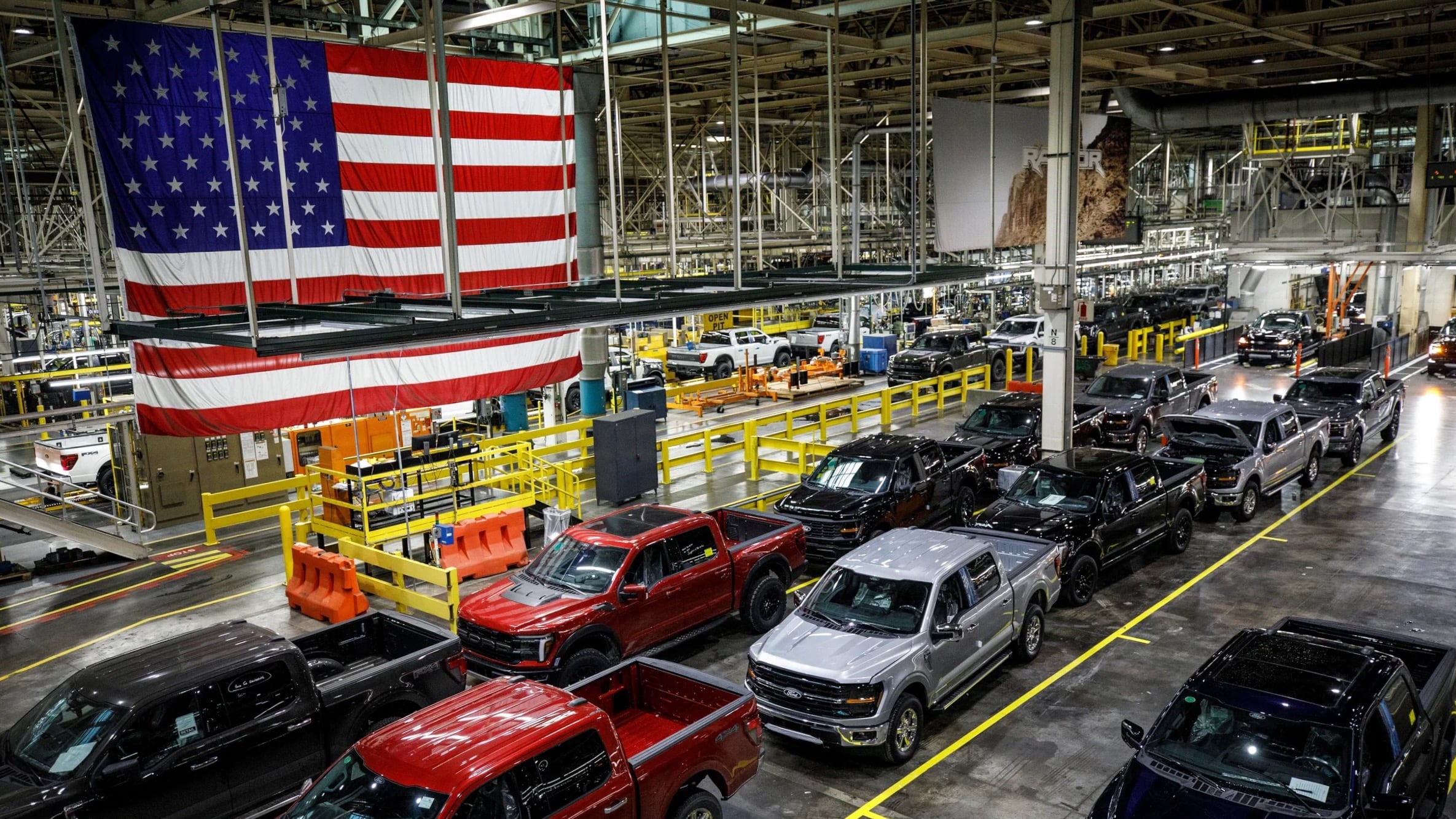
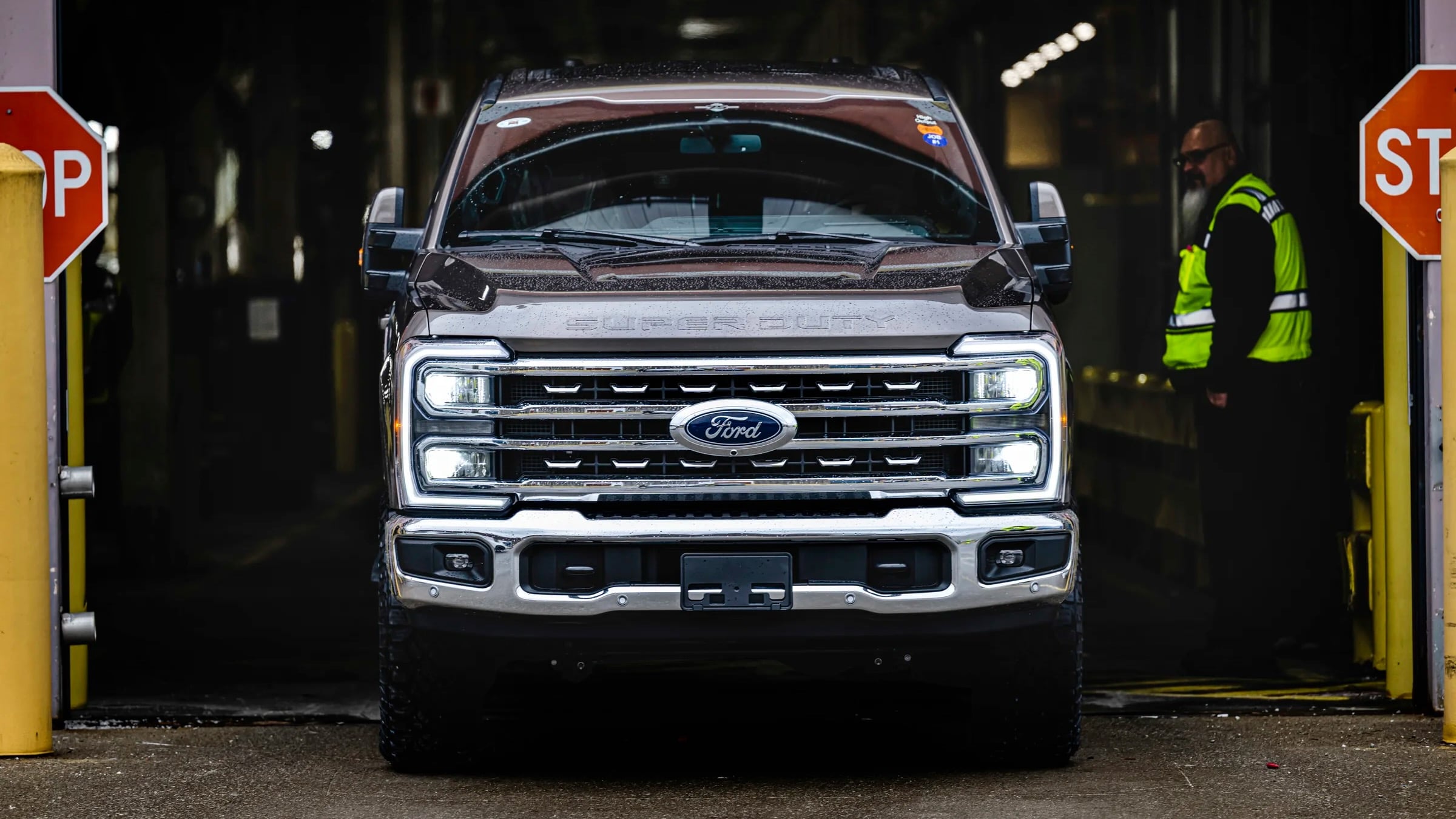
In an effort to reduce its recalled vehicle rate, Ford is pushing hard for improvements in quality control at its North American factories. Following a record for the most recalled vehicles in 2025, Ford increased the number of checks on vehicles coming off the production line, and attempted to implement AI-assisted camera technology to help it detect quality control issues.
Bloomberg reports that the digital fault-finding tech hasn’t met Ford’s expectations, and the company has recently hired 350 employees, many of whom were previous employees, to improve quality monitoring.
Charles Poon, Ford’s vice president of vehicle hardware engineering, told Bloomberg, “Mistakenly, we thought that by just introducing artificial intelligence and ingesting the design requirements that we had, that would produce a high-quality product.
“Over prior years, we didn’t pay as much attention as we should have to the experience of our most knowledgeable engineers who have been with us through many product cycles.”
4
While the change comes as a win for the human workforce, the hiring spree may only be short-lived. Ford’s intention is to use its experienced engineering workforce to train young, upcoming employees, but also to further hone its AI integration, which could see staff numbers reduced again in the long term.
Ford’s push for improvement has yielded positive results. In the latest Initial Quality Study, conducted by analyst firm JD Power in the USA, Ford placed third, making it the highest-placed ‘mainstream’ brand, behind luxury carmakers Porsche and Genesis.
In 2025, Ford recalled 12.9 million vehicles across 153 recall campaigns, far ahead of second-placed Stellantis with 2.7 million cars across 53 recalls.
In an attempt to reverse its quality control slide, Ford is conducting daily engine teardowns at its North American assembly plants, taking the place of quarterly quality inspections, and following the lead set by its highest-performing European factory in Spain.
Follow WhichCar/Wheels on Google
Click the button below to make WhichCar by Wheels a preferred source for your news.

We recommend
-
 News
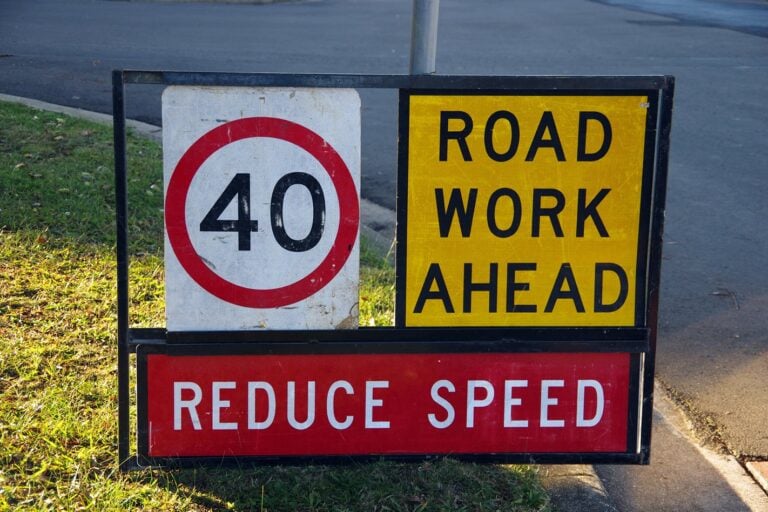
NewsOverhauled roadworks speed limits now in effect
Changes to laws in New South Wales from July 1, 2026 will see reduced speed limits at roadworks sites raised outside of working hours where safe to do so.
-
 Reviews
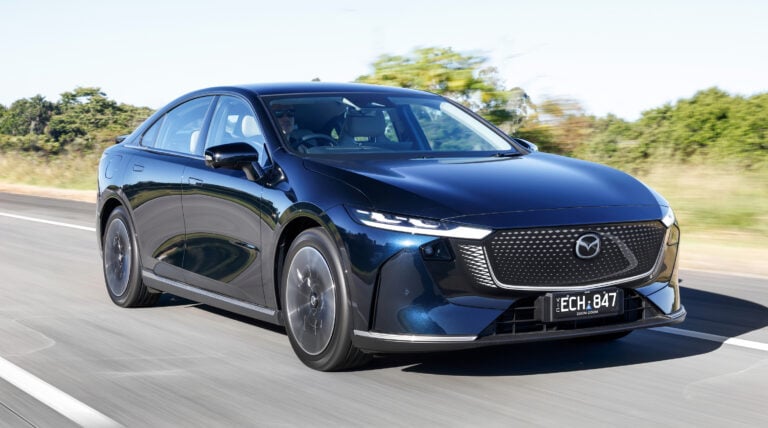
Mazda 6e review: Is there enough of Japan in this Chinese-built electric sedan?
The spiritual successor to the beloved Mazda6 is now an electric sedan built in China.
-
 News
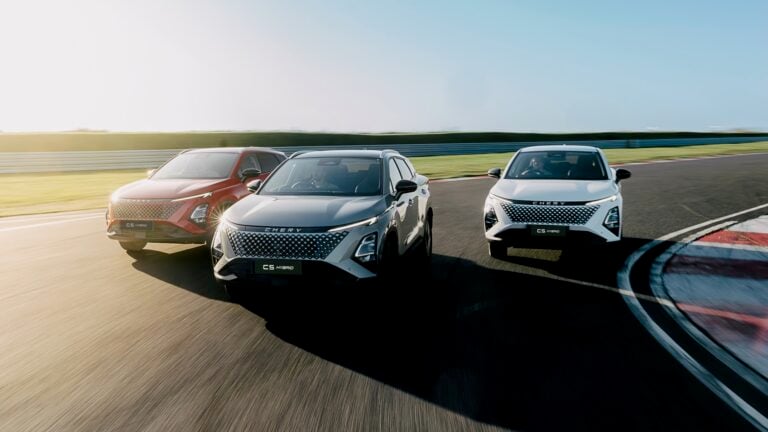
NewsChery C5 now available with powerful yet efficient hybrid drivetrain
In addition to petrol and electric options already available, the Chery C5 now offers a new hybrid drivetrain with a consumption rating of just 4.9L/100km.